Onsen Ryokan in Japan: Where to Stay by Region (2026)
Onsen ryokan in Japan by region: Kyoto and Hakone inns from ¥50,000, onsen towns like Arima and Beppu from ¥14,000, plus city onsen hotels. Where to stay.

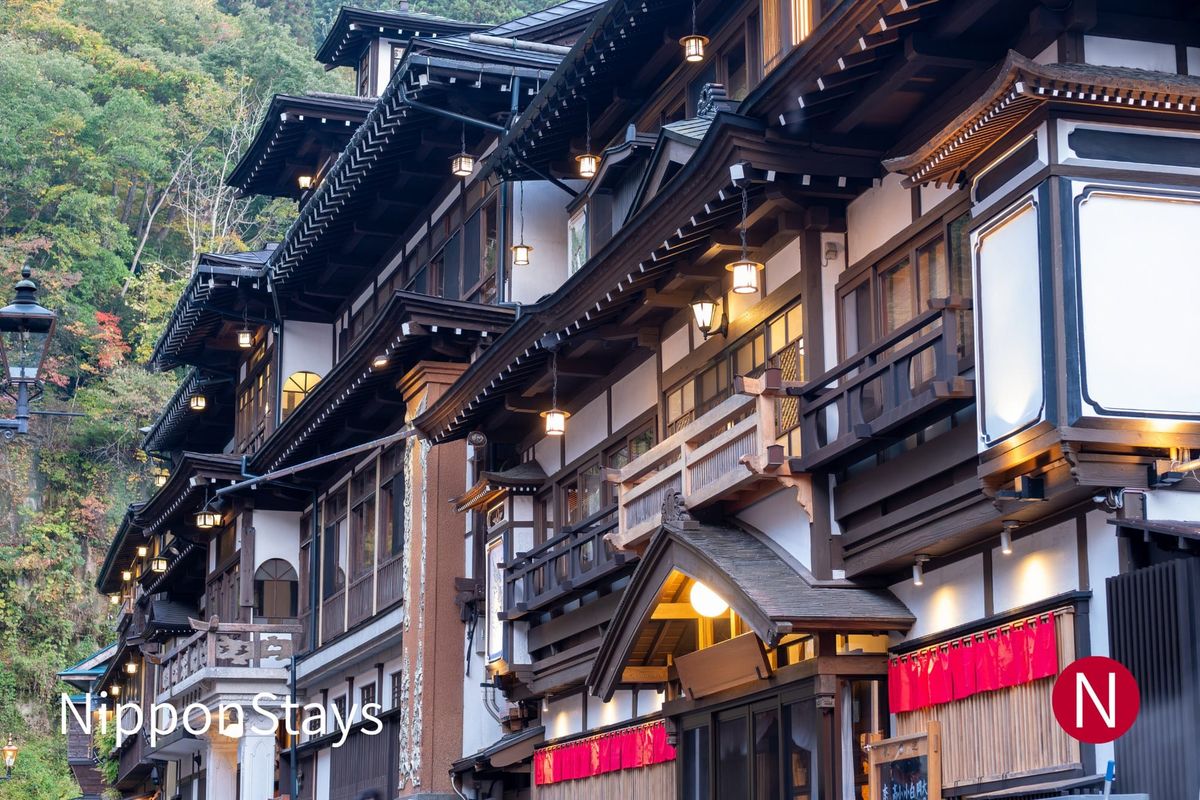
The best onsen ryokan in Japan depends on how far you want to travel and what kind of evening you want. For a first trip, book a Kyoto or Hakone ryokan (from ¥50,000/person with two meals) within reach of daytime sightseeing. For a dedicated hot-spring town, head to Arima near Kobe, Beppu in Kyushu, or Akiu near Sendai (from ¥25,000/person). Want the soak without the fixed kaiseki schedule? A city hotel with a natural onsen bath (from ¥8,000/room) is the flexible alternative. The one thing that changes the answer: how many nights you can give to a slower, meal-included stay.
Onsen Ryokan Regions at a Glance
Japan has hundreds of hot-spring areas, but a handful cover most first-time itineraries. The table maps the regions we have stayed in and written up, with a signature property and the sort of traveler each one suits.
| Onsen region | Where it is | Signature stay | From | Best for |
|---|---|---|---|---|
| Kyoto ryokan | Kyoto city | Hoshinoya Kyoto | from ¥70,000 for two, room only | First ryokan paired with sightseeing |
| Hakone | Kanagawa (Tokyo side) | Gora Kadan | from ¥76,000/person | One-night detour on a Tokyo–Kyoto route |
| Arima | Near Kobe and Osaka | Hyoe Koyokaku | from ¥30,000/person | A Kansai onsen without a long trip |
| Beppu & Kannawa | Oita, Kyushu | Suginoi Hotel | from ¥18,000/person | Steam-town onsen variety |
| Akiu & Sakunami | Near Sendai, Tohoku | Hotel Sakan | from ¥30,000/person | An onsen close to Tokyo by shinkansen |
| Tamatsukuri | Shimane, San'in coast | Kai Tamatsukuri | from ¥30,000/person | Quiet waters plus the Izumo shrine |
| Asarigawa (Otaru) | Hokkaido | Otaru Kourakuen | from ¥14,000/person | Hokkaido onsen plus the Otaru canal |
Rates are per person with two meals unless noted, and vary by season, room grade, and day of week. Checked August 2026.
All seven onsen regions above have at least one covered ryokan with a natural, gender-separated hot-spring bath, and five of them — Kyoto, Arima, Beppu, Tamatsukuri, and Sendai's Akiu — include properties with a private open-air bath you can book by the room (checked August 2026).
First, Decide Whether You Want a Ryokan at All
A ryokan is a fixed-format stay: a set check-in window, a kaiseki dinner served in or near your room, a communal onsen, and a futon on tatami. It is an experience as much as a bed, and one or two nights is usually the right dose. If you would rather keep late-night flexibility and eat wherever you like, a hotel with an onsen bath gives you the water without the schedule. Our ryokan vs hotel guide walks through the cost and trade-offs, and the full Japan stay decision guide puts it in the context of a whole trip.
Onsen Towns Worth Building a Trip Around
These are destinations where the hot spring is the reason to go, not a bonus on top of sightseeing. Each has its own character and price band.
- Arima (Kansai) — The easiest classic onsen town to reach from Osaka or Kobe, known for its iron-rich "gold" and clear "silver" waters. Start with our Arima onsen ryokan guide, or go straight to luxury Arima ryokan and rooms with a private open-air bath.
- Beppu & Kannawa (Kyushu) — Japan's highest-volume hot-spring output, with steam rising off whole neighborhoods. See where to stay in Beppu, the steam-town Kannawa onsen area, luxury Beppu resorts, and the historic Takegawara sand bath.
- Akiu & Sakunami (Tohoku) — Two onsen valleys within reach of Sendai, itself a quick shinkansen ride from Tokyo. Our Akiu and Sakunami ryokan guide covers both.
- Tamatsukuri (San'in) — Shimane's "beauty" waters, paired naturally with a visit to Izumo Taisha. See Tamatsukuri onsen ryokan and the wider Shimane region guide.
- Asarigawa (Hokkaido) — A short ride inland from the Otaru canal, good for pairing an onsen night with Sapporo. Read Otaru onsen ryokan and Otaru stays for couples.
Ryokan in the Big Cities
You do not have to leave the city to sleep on tatami. Kyoto has the deepest choice, but Osaka, Nara, and even Tokyo keep traditional inns within a train ride of the main sights.
- Kyoto — The country's ryokan capital. Compare Kyoto ryokan with kaiseki dinner, the geisha-district Gion ryokan, riverside Arashiyama ryokan, convenient inns near Kyoto Station, and rooms with a private in-room onsen.
- Osaka & Nara — Ryokan in Osaka keep you close to the food, while traditional ryokan in Nara trade nightlife for quiet and the deer park at dawn.
- Tokyo & Kurashiki — For a tatami night in the capital, see ryokan in Shinjuku; for old-town canals, the Kurashiki Bikan quarter ryokan.
City Hotels with an Onsen (No Ryokan Required)
If you want a real hot-spring soak but need a 24-hour front desk and no meal plan, several city hotels pipe in or draw natural onsen water. The Dormy Inn chain is the reliable default, but each city has its own picks.
- Shinjuku hotels with onsen — the most convenient option for a Tokyo base.
- Yokohama hotels with onsen and Osaka hotels with onsen for the other big hubs.
- Sapporo hotels with onsen for a Hokkaido city base, and even Akihabara hotels with big public baths.
Match Your Priority to a Stay
Different travelers want different things from a hot spring. The table below points each common priority to the guide that answers it, so you can skip straight to the shortlist that fits.
| Your priority | Go for | Start here |
|---|---|---|
| Private / in-room open-air bath | Kyoto or Arima ryokan | Kyoto private onsen, Arima private bath |
| Couples or an anniversary | Luxury ryokan or a canal-view stay | Luxury Arima, Otaru for couples |
| Kaiseki dinner above all | A traditional Kyoto ryokan | Kyoto ryokan with kaiseki |
| A soak on a budget, no meal plan | A city onsen hotel | Shinjuku onsen hotels |
| Onsen closest to Tokyo | Hakone or Sendai's Akiu | Akiu & Sakunami |
Whichever you pick, book the onsen night for after your busiest sightseeing day — the point of the water is to slow down once the walking is done.
Two questions come up before the region does. Is one night enough? — yes, and one night is the format's native unit rather than a compromise. And private bath or grand bath? — where what the in-room bath really buys is timing, not privacy.
Trip Essentials for Japan
Things worth booking before you land, all in English:
- eSIM — Airalo's Japan eSIM: install it at home and data works the moment you switch off airplane mode. If you are comparing options, see our guide to the best eSIM for Japan.
- Tickets and day trips — Klook covers the Japan Rail Pass, teamLab tickets, and shinkansen-linked day trips; booking ahead skips the ticket-window line.
FAQ: Onsen & Ryokan in Japan
What is the difference between an onsen and a ryokan?
An onsen is a natural hot spring; a ryokan is a traditional Japanese inn. Most ryokan have an onsen bath on site, which is why the words get used together, but you can also visit a public onsen without staying overnight, or sleep in a ryokan whose bath is a regular communal one rather than a natural spring. If a natural hot spring matters to you, confirm the water source when you book.
How much does an onsen ryokan cost per night?
Sampled onsen-town ryokan in this guide start from about ¥14,000–30,000 per person with two meals, while flagship Kyoto and Hakone inns run from ¥50,000–76,000 per person. City hotels with a natural onsen bath are cheaper still, from around ¥8,000 per room without meals. Rates swing with season and room grade, so treat these as starting points checked August 2026.
Which onsen area is easiest to reach from Tokyo?
Hakone is the classic choice, reachable in about 90 minutes and easy to slot into a Tokyo–Kyoto itinerary as a one-night detour. For a Tohoku option, Sendai's Akiu and Sakunami valleys are a short bus ride from a city that is itself around 90 minutes from Tokyo by shinkansen. Both let you keep the rest of your trip in the cities.
Can I stay in an onsen ryokan if I have a tattoo?
Many communal onsen still restrict visible tattoos, but you can avoid the issue entirely by booking a ryokan or hotel room with a private open-air bath, or a property that offers private family baths you can reserve. Our Kyoto private onsen and Arima private-bath guides focus on exactly these rooms, so you can soak without sharing a communal pool.