Luxury Arima Onsen Ryokan: Kaiseki & Couples' Stays
Best luxury Arima Onsen ryokan for 2026: kaiseki, gold-spring baths, private suites. 30–40 min from Kobe. All confirmed operating.
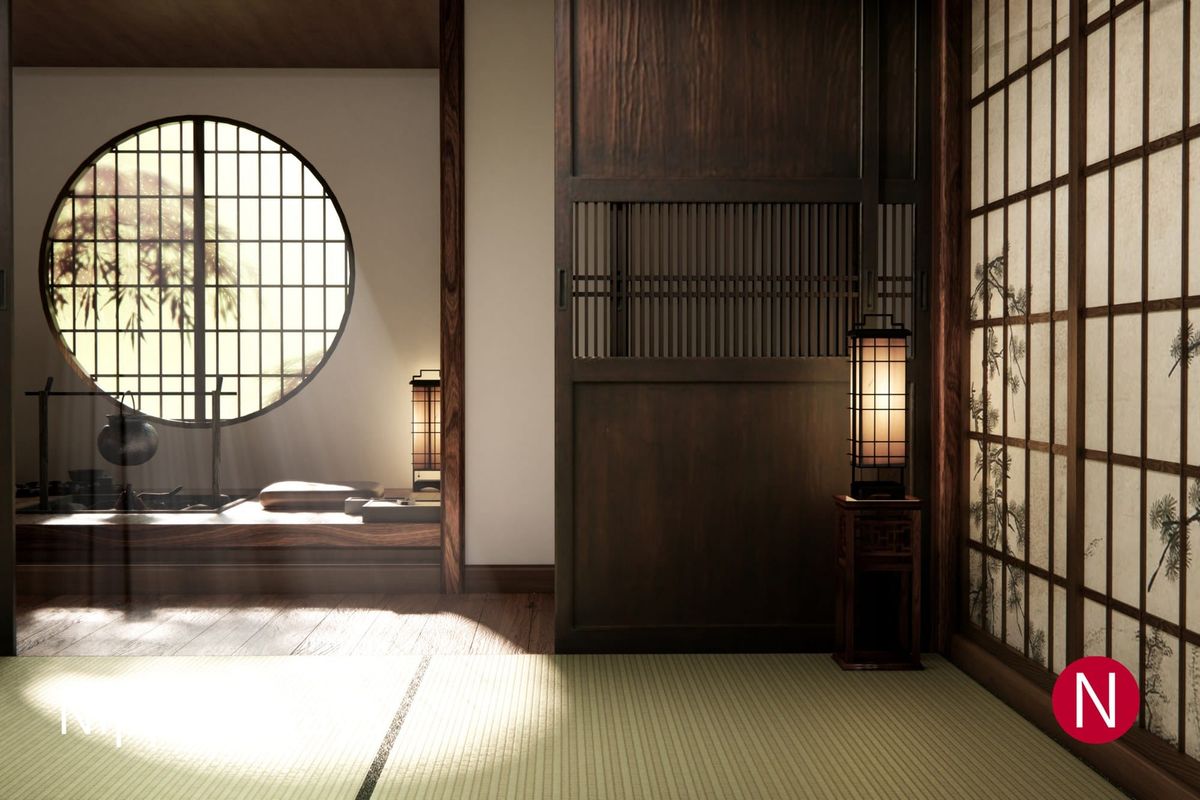
Of the luxury Arima Onsen ryokan, book Tocen Goshoboh (from ¥30,000/room) for Arima's oldest inn — Michelin-listed, gold-spring public baths, plated kaiseki dinner — or Hyoe Koyokaku (from ¥30,000/room) if you'd rather walk in with luggage — a 6-min walk from Arima Onsen Station, about 30–40 min from central Kobe, not a city-center base. The condition that changes the answer: both of these use shared gold-spring baths — if you want an onsen bath attached to your own room, this guide points you to our Arima private open-air bath guide instead. Both rates above are room-only floors, but a kaiseki dinner and breakfast plan adds ¥10,000–¥30,000 per person; all four properties were confirmed operating at the July 2026 check. For more, see our Kobe area guide.
Some links in this guide are affiliate links. If you book through them, we may earn a commission at no extra cost to you.
Top Luxury Ryokan in Arima Onsen at a Glance
| Name | Spring type | Price range | Best for |
|---|---|---|---|
| Kinzan | Ginsen (silver) — private baths | See current rates | Couples wanting Sukiya architecture, adults-only atmosphere |
| Arimasansoh Gosho Bessho | Both kinsen & ginsen | See current rates | Maximum privacy — 10 detached suites with private onsen |
| Tocen Goshoboh | Kinsen (gold) — public baths | from ¥30,000/room; varies by season | Historic atmosphere, Michelin-listed, 20-room inn |
| Hyoe Koyokaku | Kinsen (gold) — large baths | from ¥30,000/room; varies by season | First-time ryokan guests, groups, walkable from station |
All rates are per room per night and vary significantly by season. Meal-inclusive plans add ¥10,000–¥30,000 per person above room-only base rates.
What "Luxury" Means in Arima: Kaiseki, Service and Private Baths
At the luxury tier in Arima, the rate almost always includes kaiseki dinner and a Japanese breakfast — both served at your table or in a private dining space rather than a shared buffet. Service is personalized: staff meet you at or near the station, arrange luggage, and build each transition of the stay around your schedule rather than a set check-in queue.
The two spring types are a defining feature of Arima and worth understanding before you book:
- Gold spring (kinsen) — iron- and salt-rich, reddish-brown water with a characteristic mineral smell. Warming and deeply relaxing; considered one of the rarer spring compositions in Japan. Most Arima ryokan feature kinsen in their public baths.
- Silver spring (ginsen) — clear water containing carbonic acid and radium. Lighter in feel, mild on skin, and prized for a different kind of soak. Some properties use ginsen specifically for private in-room baths.
At the top tier, you get access to both. If your priority is specifically a private open-air bath attached to your room, see our Arima ryokan with private open-air baths guide. This article focuses on the properties where the complete experience — service level, kaiseki quality, and overall atmosphere — defines the luxury classification.
Special-Occasion Ryokan for Couples
Kinzan
Kinzan is an adults-only ryokan in the center of Arima Onsen, about a 3-min walk from Arima Onsen Station. The architecture is Sukiya style — the spare, intentional aesthetic drawn from traditional tea ceremony design, with low ceilings, exposed timber, and carefully considered proportions. Guest rooms overlook a Japanese garden with mountain views beyond. The atmosphere is quiet and deliberate; this is a property designed for guests who want to slow down rather than be entertained.
The West Wing Sukiya-style rooms completed renovation in August 2025, with updated water and plumbing facilities, new in-room minibars with complimentary beverages, and smart TVs, while keeping the traditional design language intact. The East Wing features 12 rooms with private ginsen (silver spring) semi-open-air baths. Meals are Kyoto-style kaiseki, with a seasonal focus and careful attention to tableware and serving order. Kinzan is listed on Rakuten Travel, IKYU, Agoda, Booking.com, Klook, and Expedia for 2026 bookings. Check current rates.
Arimasansoh Gosho Bessho
Arimasansoh Gosho Bessho has just 10 rooms, each a detached garden suite over 100 square meters with its own private onsen and thermal room. The suites are spread across a landscaped garden, meaning there is no corridor traffic and no audible neighbors — the seclusion is structural, not just a marketing claim. The meal style is Yamaga Kaiseki, a seasonal format built around local seafood, mountain vegetables, and Kobe beef. The property is operated under the same family as Tocen Goshoboh, Arima's oldest inn.
Given the small room count, peak-season dates at Gosho Bessho book out months in advance. Late October through mid-November (autumn leaves), cherry blossom season, and Golden Week are the highest-demand periods; plan three to six months ahead for those dates. Off-peak weeknights offer significantly better availability and lower rates. Check current rates and availability.
Rooms with the Best Baths and Views
Tocen Goshoboh
Tocen Goshoboh is commonly cited as the oldest inn in Arima, operating since the 12th century. The Michelin Guide lists it. The property has 20 rooms with tatami floors and shoji screens. Dinner centers on local specialties: fresh fish from Akashi-ura port, Kobe beef, and black-bean tofu made from Tamba-grown black soybeans. Guests note the "charmingly retro atmosphere, impeccably maintained," which describes the balance the property strikes — genuinely historic fabric without feeling worn.
The gold-spring (kinsen) public baths are the bathhouse focus. Check-in runs from 15:00 to 21:00; check-out is by 10:00. Rates start from ¥30,000 per room per night for room-only plans (rates vary by season; meal-inclusive plans are significantly higher). Check current rates.
Hyoe Koyokaku
Hyoe Koyokaku is the most accessible of the four in practical terms: it is a 6-min walk from Arima Onsen Station, which means you can arrive with rolling luggage rather than waiting for a pickup vehicle. The property has operated for 700 years and offers several indoor and outdoor gold-spring (kinsen) baths of different sizes — guests report three onsen options, with the gold-spring bath receiving consistent praise for its mineral intensity.
Dinner at Hyoe Koyokaku comes in four formats: in-room seasonal kaiseki, kaiseki with a dessert buffet in the main dining room, charcoal-grill kaiseki in private tatami rooms, and a buffet whose selection includes certified Kobe beef, Japanese black beef, and seasonal Japanese dishes. For guests who want maximum variety or are traveling with different dietary preferences, the buffet option works better than a fixed kaiseki sequence. Rates start from ¥30,000 per room per night (varies by season). Check current rates.
Dining: Multi-Course Kaiseki and Local Specialties
At Kinzan, Arimasansoh Gosho Bessho, and Tocen Goshoboh, dinner is plated kaiseki — typically eight to twelve courses served over 90 minutes to two hours. Each course is tied to the current season and presented with matching tableware. Common seasonal anchors in the Kobe area include Akashi sea bream in spring and autumn, early summer vegetables from Rokko mountain farms, and matsutake mushrooms in October. Kobe-raised beef often appears as one course in the sequence rather than the entire meal; the kaiseki format is about balance and progression rather than a single highlight.
Breakfast is standard Japanese-style: grilled fish, rice, miso soup, pickled vegetables, and regional items like the black-bean tofu from Tamba that appears across several Arima menus. Most meal-inclusive plans at these properties cover both dinner and breakfast. When comparing rates on booking platforms, confirm whether you are looking at a room-only price or a meal-inclusive plan — the difference is typically ¥10,000–¥30,000 per person, and some platforms display the lower room-only rate by default while the complete ryokan experience requires the inclusive plan.
If you are planning to pair the Arima night with a Kobe city night — for a certified Kobe beef dinner at a restaurant, for example — see our Kobe hotels for couples guide, which covers two-night itineraries combining the city and Arima.
Compare the Luxury Picks
| Name | Spring type | Price range | Best for |
|---|---|---|---|
| Kinzan | Ginsen (silver) private baths | See current rates; varies by season | Adults-only; Sukiya architecture; quiet garden atmosphere |
| Arimasansoh Gosho Bessho | Both kinsen & ginsen | See current rates; varies by season | Full privacy; 10 detached suites; early booking essential |
| Tocen Goshoboh | Kinsen (gold) | from ¥30,000/room; varies by season | Historic setting; Michelin-listed; plated kaiseki dinner |
| Hyoe Koyokaku | Kinsen (gold) | from ¥30,000/room; varies by season | Walkable from station; multiple bath options; choice of kaiseki or buffet dinner |
Practical Tips: Getting There, Booking and Rates
Getting to Arima Onsen from Kobe
From JR Sannomiya Station (East Exit), Shinki Bus runs a direct service to Arima Onsen that takes about 30 minutes; the bus terminal is under the viaduct near the East Exit. This is the most straightforward option if you have luggage — no transfers and a direct drop at Arimaonsen Station stop.
By train: take the Kobe Municipal Subway Seishin-Yamate Line from Sannomiya Station toward Tanigami, then transfer to the Kobe Dentetsu Arima Line at Tanigami and ride to Arima Onsen Station. The full journey is 30–40 minutes and costs around ¥720 from Sannomiya. From Osaka Umeda, routes are available via Hankyu connections but involve more transfers; the Sannomiya bus remains the simplest approach.
From Arima Onsen Station, most luxury ryokan offer complimentary luggage pickup — confirm when booking. Kinzan is a 3-min walk from the station; Hyoe Koyokaku is a 6-min walk. Tocen Goshoboh and Arimasansoh Gosho Bessho are further into the town; use the ryokan's pickup or a local taxi (short ride, typically under ¥1,000).
Rates and When to Book
Arima Onsen rates vary sharply by season. Peak demand periods — late October to mid-November for autumn foliage (koyo), late March to early April for cherry blossoms, and Golden Week (late April to early May) — push per-person rates 30–50% above off-peak levels. Year-end and New Year holidays are also high demand. For Arimasansoh Gosho Bessho with its 10 suites, booking three to six months ahead is realistic for peak dates. Kinzan and Tocen Goshoboh have more inventory but specific room categories (renovated West Wing rooms at Kinzan, river-facing rooms at Tocen) fill up quickly.
Off-peak weeknights — Sunday through Thursday outside school holidays — offer the best availability and the most negotiating room on rates. Some platforms display room-only base prices; the full ryokan experience requires the meal-inclusive plan, which adds meaningful cost but is also what makes the stay worth the journey.
Luggage and Arrival Tips
- Send heavy bags ahead via takuhaibin (luggage delivery service) from your previous hotel to the ryokan — most accept delivery the day before or on the day of check-in.
- Yukata (cotton robes) and toiletries are provided at all four properties; no need to pack extra items for the night.
- Standard check-in for most Arima ryokan is from 15:00; plan to arrive in time for the late-afternoon bath before dinner.
- If you plan to extend to other Arima properties or compare options, see our full Arima Onsen ryokan guide covering mid-range picks alongside the luxury tier.
Note that Arima's rates above are quoted per room, not per person — the reverse of most kaiseki ryokan, and the reason two inns with the same number on the page can differ by double once you book for two. Per room, per person, or for the place works the arithmetic through.
FAQ: Luxury Arima Onsen Ryokan
What is the difference between gold spring and silver spring in Arima?
Gold spring (kinsen) is iron- and salt-rich, giving the water a reddish-brown color when it oxidizes. It is warming and considered one of the rarer spring compositions in Japan; most Arima ryokan use kinsen in their public baths. Silver spring (ginsen) is clear, lighter in feel, and contains carbonic acid and radium. Some properties — including Kinzan — use ginsen specifically for private in-room baths. If experiencing both types matters to you, Arimasansoh Gosho Bessho provides access to both kinsen and ginsen within a single stay.
How far in advance should I book a luxury Arima ryokan?
For peak periods — late October to mid-November (autumn foliage), cherry blossom season, and Golden Week — booking three to six months ahead is realistic for properties like Arimasansoh Gosho Bessho, which has only 10 rooms. Kinzan and Tocen Goshoboh have more inventory but specific room categories (the renovated West Wing at Kinzan, for example) fill quickly. For off-peak weeknights outside school holidays, four to six weeks is usually sufficient. Check IKYU, Rakuten Travel, or Agoda for live availability.
Does the rate at Arima ryokan include meals?
At the luxury tier in Arima, the most common plan is room plus two meals — kaiseki dinner and Japanese breakfast, both served at your table or in a private dining space. Room-only base rates do exist (Tocen Goshoboh starts from ¥30,000 per room per night for room-only), but the full ryokan experience is the meal-inclusive plan, which adds ¥10,000–¥30,000 per person above the base rate. Most guests book the meal plan; the kaiseki dinner is a core part of what defines a luxury Arima stay.
How do I get to Arima Onsen?
From Kobe Sannomiya Station, take the Kobe Municipal Subway (Seishin-Yamate Line) to Tanigami Station, then transfer to the Shintetsu Arima Line to Arima Onsen Station — about 30–40 minutes total. All four ryokan in this guide are confirmed reachable from the station on foot or by short taxi; Hyoe Koyokaku is a 6-min walk from the station, making it the most convenient arrival for guests with heavy luggage. From Osaka, the same route applies via Sannomiya, adding approximately 20–25 minutes.
Trip Essentials for Kobe
Things worth booking before you land, all in English:
- eSIM — Airalo's Japan eSIM: install it at home and data works as soon as you switch off airplane mode at Kansai Airport.
- Airport transfer — Welcome Pickups runs fixed-price door-to-door pickups from Kansai Airport; Klook sells the airport bus and train tickets if you'd rather ride.
- Luggage storage — arriving before check-in? Radical Storage takes bags at shops near Sannomiya Station for a flat daily rate.
- Tickets and day trips — Klook covers Kobe attractions and Osaka day-trip tickets; booking ahead skips the ticket-window line.
Information audit: Last fact-checked July 2026 · Prices checked July 2026 (all rates are “from” floors that vary by season) · How this guide was researched: hotel facilities, prices and access details are verified against official and primary sources; we have not personally stayed at every property listed. The author has traveled in this area personally; original photographs on this site are from those trips · How this site verifies information: About NipponStays.