Arima Onsen Ryokan with Private Open-Air Baths
Find Arima Onsen ryokan with private open-air baths: in-room rotenburo and reservable private baths, with verified prices and access from Kobe.

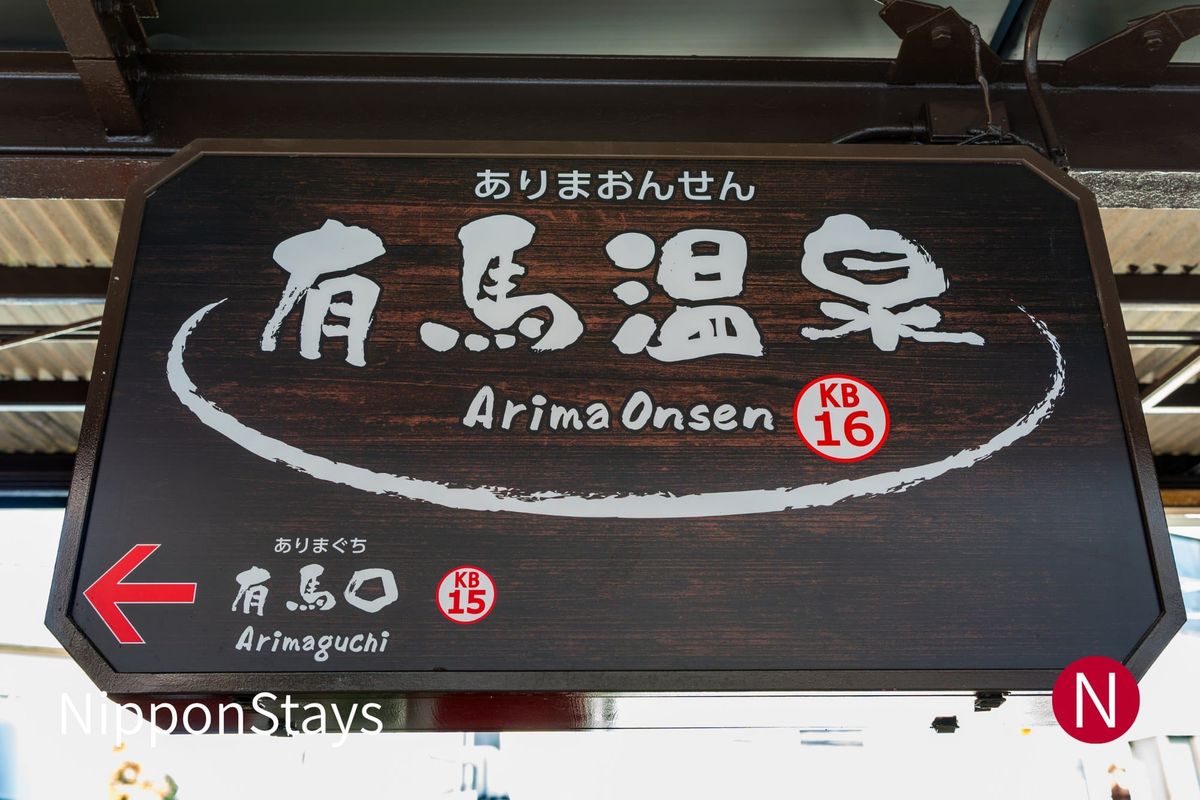
Of the Arima Onsen ryokan with private open-air bath, Taketoritei Maruyama is the top pick for private-bath access in Arima Onsen: every suite comes with its own in-room ginsen (silver spring) bath — open-air in two suites, indoor in the others — and the ryokan also maintains eight standalone reservable private baths — kinsen and ginsen both — included free for overnight guests, from ¥40,000 per person with meals, varies by season. If that rate is out of reach, Choraku or Hyoe Koyokaku both offer reservable private rotenburo from ¥30,000 per person; the answer shifts to Arima Onsen Kotori if your budget is closer to ¥20,000 per person and you are flexible on room type.
Arima Onsen Ryokan with Private Open-Air Baths at a Glance
If you're searching for an Arima Onsen ryokan with private open-air bath, you're looking at a small but well-defined category: properties where you can soak in a rotenburo (outdoor hot-spring bath) without sharing it with other guests. That means either an open-air bath attached to your room, or a time-slot reservation system that temporarily hands you an outdoor bath for your group only. Arima Onsen sits about 30–40 min from Kobe Sannomiya — not in the city center — which is part of why staying overnight with a private bath makes sense: you've made the trip, so maximize the privacy.
Some links in this guide are affiliate links. If you book through them, we may earn a commission at no extra cost to you.
The four ryokan below are all confirmed operating as of our July 2026 check, each with a different approach to private-bath access.
| Name | Bath type | Price range | Best for |
|---|---|---|---|
| Taketoritei Maruyama | In-room ginsen bath (open-air in two suites) + 8 free reservable private baths (kinsen & ginsen) | from ¥40,000/person | Couples wanting maximum bath privacy; luxury tier |
| Ginsuiso Choraku | Reservable private open-air baths (kinsen & ginsen available) | from ¥30,000/person | Guests wanting both spring types in a private setting |
| Hyoe Koyokaku | Reservable private rotenburo (kinsen); select rooms with semi-open-air bath | from ¥30,000/person | Reliable mid-high choice with full kinsen experience |
| Arima Onsen Kotori | One room with in-room outdoor bath (ginsen); one reservable private bath | from ¥20,000/person | Couples on a tighter budget who still want private soaking |
All rates are per person per night with two-meal (dinner + breakfast) plans and vary by season and room type.
In-Room Baths vs Reservable Private Baths: What to Expect
There are two distinct setups worth understanding before you book.
In-room open-air baths are attached directly to your guest room — step out onto a small private terrace and you have your own outdoor rotenburo at any hour. You never compete with other guests for access. The trade-off is that these rooms are limited: most ryokan in Arima have only one or two such rooms, so they book out weeks ahead, especially on weekends and autumn-foliage season (late October to mid-November).
Reservable private baths (kashikiri buro) are standalone bath facilities that you reserve for an exclusive time block — typically 50 minutes. You check in, then book your slot at the front desk or via an in-house reservation sheet. Most properties run sessions from early morning through late evening. This approach gives you a proper rotenburo experience without paying a premium for a specific room type, though you do need to plan your evening around the slot.
- In-room bath: book the room 4–8 weeks out for peak weekends
- Reservable bath: reserve the time slot at check-in; early birds get early-morning sessions (often the most popular)
- Additional fee for reservable baths varies: Choraku charges ¥5,500 per 50-min session; Hyoe Koyokaku charges extra per use; Taketoritei Maruyama includes all 8 private baths free for overnight guests
Rooms with a Private Rotenburo
Taketoritei Maruyama
Taketoritei Maruyama is the standout property for private bath access. Every suite comes with a private open-air ginsen (silver spring) bath built directly onto the room's outdoor area. On top of that, the ryokan maintains eight standalone private baths fed by both kinsen (gold spring) and ginsen — all available to overnight guests at no extra cost, with unlimited reservations. That combination is unusual in Arima: in-room outdoor bath plus an unrestricted private bath reservation system.
The property has 30 rooms, sits on the hillside with mountain views toward Sanda City, and sits in the higher price bracket. Check-in is from 15:00; checkout by 11:00. Luggage can be stored before and after these times. Check rates
Arima Onsen Kotori
Kotori is a compact eight-room ryokan that keeps things deliberately simple. One room — the "Mukudori" — comes with a private outdoor ginsen bath attached. There is also a single reservable private bath for guests who booked other room types. The small scale means the front-desk team can give individual attention, and the nightly rate sits lower than the bigger properties. Only cash is accepted for payment, so plan accordingly. Check rates
Gold-Spring vs Silver-Spring Private Baths
Arima has two chemically distinct spring waters, and the distinction matters when choosing where to soak privately.
Kinsen (gold spring) is iron-rich and salt-containing, which gives the water a reddish-brown color when it oxidizes in the air. It is warming and said to be good for circulation and muscle fatigue. Most of the larger private-bath facilities in Arima use kinsen.
Ginsen (silver spring) is a radium-containing carbonate spring, clear and colorless. It has a lighter, more mineral-neutral feel. In-room baths at Taketoritei Maruyama and Kotori's Mukudori room use ginsen.
If you want to experience both in private settings, Taketoritei Maruyama and Choraku each offer reservable private baths in both spring types. Choraku's private outdoor baths include both kinsen and ginsen options for the same 50-minute fee, which is an efficient way to compare the two without buying two separate room categories.
Best for Couples Wanting Privacy
Arima is already a natural fit for couples — it is 30–40 min from the city center by train, which creates a natural transition out of tourist-mode into a quieter, slower pace. A private open-air bath reinforces that: no schedule-watching, no towel-wrapped strangers, no wondering if you have the communal bath to yourselves.
For couples who want maximum privacy without needing to be the last to book: Choraku's reservable private bath system means you do not need to secure a specific room type months out. Reserve the room that fits your budget, then lock in a private bath slot — ask at check-in, or ahead of arrival where the ryokan recommends it, as Choraku does. Slots for the next morning's early sessions (from 06:30) often remain available even when evening slots fill up fast.
For couples who want to soak at midnight or at 05:30 on their own schedule: Taketoritei Maruyama's in-suite ginsen bath is the closest to a no-friction private onsen experience you will find in Arima. The cost is proportionally higher, but the lack of scheduling overhead has real value on a special-occasion trip.
See our Arima Onsen ryokan overview for the full range including properties without private baths, and the luxury-tier Arima guide for kaiseki-focused options. For context on Arima's position within a Kobe itinerary, see where to stay in Kobe.
Compare the Private-Bath Ryokan
| Name | Bath type | Price range | Best for |
|---|---|---|---|
| Taketoritei Maruyama | In-room ginsen bath (open-air in two suites) + 8 free private baths (kinsen & ginsen) | from ¥40,000/person; varies by season | No-compromise private bath experience; luxury couples |
| Ginsuiso Choraku | Reservable private outdoor baths (both spring types); 50-min slots at ¥5,500 | from ¥30,000/person; varies by season | Experiencing both kinsen and ginsen privately; mid-high budget |
| Hyoe Koyokaku | Reservable private rotenburo (kinsen); upper-floor semi-open-air rooms | from ¥30,000/person; varies by season | Established ryokan with a full-service onsen offering |
| Arima Onsen Kotori | 1 room with outdoor ginsen bath; 1 reservable private bath | from ¥20,000/person; varies by season | Smaller budget, small-group atmosphere |
Practical Tips: Booking the Bath, Timing, and Getting There
Booking the private bath slot
For reservable baths: slots are generally booked at check-in, not in advance online. Arrive early enough to secure your preferred time. Evening slots between 19:00 and 21:00 go fastest. If those are gone, early morning (before 08:00) is the quietest window and gives you the bath to yourself before the day trip visitors arrive.
For in-room baths (Taketoritei Maruyama, Kotori's Mukudori room): book the room itself 4–6 weeks ahead for peak weekends (Golden Week, Obon, autumn foliage). Midweek dates in shoulder seasons have much more availability.
Timing your stay
Autumn (late October to mid-November) is Arima's most popular season and its most expensive. Spring cherry-blossom weekends (late March to early April) also push prices and availability tight. Midweek visits in June or early September give the best value with the full private-bath experience still accessible.
Getting to Arima from Kobe and Osaka
From Kobe Sannomiya Station: take the Kobe Municipal Subway (Seishin-Yamate Line) to Tanigami Station, then transfer to the Shintetsu Arima Line toward Arima-Onsen Station. Total journey is about 30–40 min; fare around ¥680–¥720. Arima Onsen Station is a 5–10-min walk to most ryokan, with some properties offering shuttle pickup — confirm when booking.
From Sannomiya, a JR Highway Bus also runs to Arima Onsen (about 30 min, ¥780). Bus departures are less frequent than the train, but it is a one-seat ride with no transfer.
From Osaka (Umeda/Osaka Station): the subway-plus-Shintetsu route takes approximately 60 min. Direct highway buses from central Osaka are also available and take a similar time. Arima is not reachable by Shinkansen — the nearest Shinkansen stop is Shin-Kobe, from which the subway-to-Shintetsu route applies.
Arima Onsen is not in Kobe city center; plan for the travel time in both directions when building your itinerary. Most ryokan suggest arriving by 16:00 to allow time for bathing before the kaiseki dinner service.
A private bath solves a different problem when the guest is a baby: whether it can be reserved at a fixed time, or sits inside the room itself. Welcome Baby ryokan with a private family bath separates those two models across five certified picks.
FAQ: Arima Onsen Ryokan with Private Open-Air Bath
What is the difference between an in-room bath and a reservable private bath?
An in-room open-air bath (rotenburo) is attached directly to your guest room — you step outside at any hour and have a private outdoor soak with no competition from other guests. A reservable private bath (kashikiri buro) is a standalone facility you book for an exclusive 50-minute slot, typically chosen at check-in. In-room baths cost more and require booking the specific room type weeks in advance; reservable baths are more accessible and available to most room categories, but you plan your evening around the time slot.
Which ryokan has both gold-spring and silver-spring private baths in a private setting?
Taketoritei Maruyama and Ginsuiso Choraku each offer reservable private baths in both kinsen (gold) and ginsen (silver) spring types. At Choraku, both spring types are available within the same 50-minute fee per session (¥5,500 per slot), making it an efficient way to experience the two chemically distinct waters without booking two separate room categories. Taketoritei Maruyama includes all eight private baths — kinsen and ginsen — at no additional cost for overnight guests.
How far in advance should I book a room with an in-room rotenburo?
For peak weekends and the autumn foliage season (late October to mid-November), booking four to eight weeks ahead is advisable. In-room open-air bath rooms are limited in number at every Arima property — Arima Onsen Kotori has only one such room (the Mukudori), and Taketoritei Maruyama's suite inventory is finite. Midweek visits in June or early September offer the best availability at these room types. For reservable private baths, you book the time slot at check-in rather than in advance, so standard room availability governs the booking window.
Can I do Arima Onsen as a day trip from Osaka or Kobe?
Technically yes, but a private-bath ryokan stay makes little sense as a day trip — the kaiseki dinner and early-morning soak in a private rotenburo are the core of the experience. Arima Onsen is 30–40 minutes from Kobe Sannomiya by subway and Shintetsu Arima Line, and about 60 minutes from Osaka. Most ryokan suggest arriving by 16:00 for bathing before the dinner service; departing the morning after by 11:00 checkout. Staying overnight is the format these properties are built around.
Trip Essentials for Kobe
Things worth booking before you land, all in English:
- eSIM — Airalo's Japan eSIM: install it at home and data works as soon as you switch off airplane mode at Kansai Airport.
- Airport transfer — Welcome Pickups runs fixed-price door-to-door pickups from Kansai Airport; Klook sells the airport bus and train tickets if you'd rather ride.
- Luggage storage — arriving before check-in? Radical Storage takes bags at shops near Sannomiya Station for a flat daily rate.
- Tickets and day trips — Klook covers Kobe attractions and Osaka day-trip tickets; booking ahead skips the ticket-window line.
Information audit: Last fact-checked July 2026 · Prices checked July 2026 (all rates are “from” floors that vary by season) · How this guide was researched: hotel facilities, prices and access details are verified against official and primary sources; we have not personally stayed at every property listed. The author has traveled in this area personally; original photographs on this site are from those trips · How this site verifies information: About NipponStays.