Stay in Osaka and Day Trip to Kyoto and Kobe: Best Kansai Base Guide
Stay in Osaka and day trip to Kyoto and Kobe: verified train times, routes, Umeda vs Namba base comparison, and 4 open hotels for 2024+.
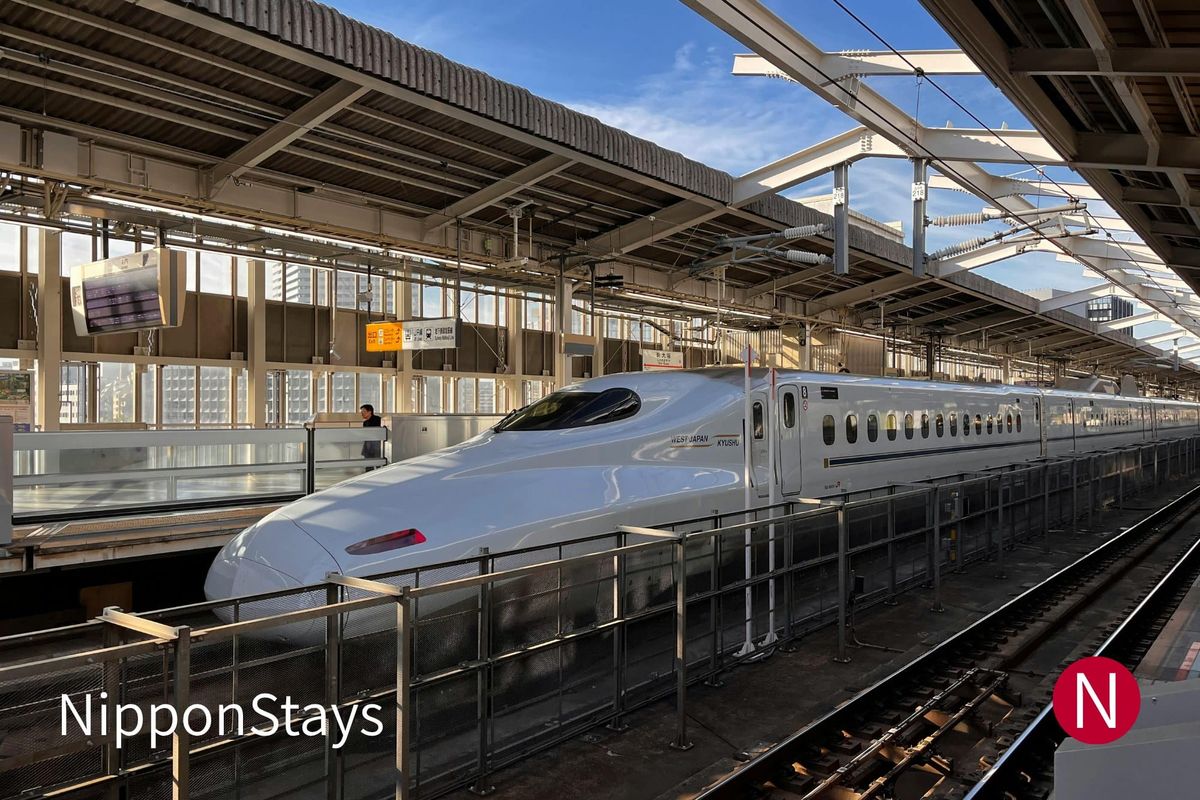
Planning to stay in Osaka and day trip to Kyoto and Kobe is one of the most efficient strategies in Kansai travel. Osaka hotel prices typically run lower than Kyoto's — especially during cherry-blossom and autumn-foliage peaks — the food scene is deeper and later, and the city sits almost exactly halfway between both destinations on fast, frequent train lines. This guide covers every route option, explains which side of Osaka gives you the shortest commute — usually Umeda, where THE OSAKA STATION HOTEL, Autograph Collection connects directly to JR Osaka Station's West Exit, with Dormy Inn Premium Namba as the Namba-side alternative — and points to verified hotels open as of 2024.
Some links in this guide are affiliate links. If you book through them, we may earn a commission at no extra cost to you.
All 4 Osaka base hotels featured in this guide were confirmed open and accepting bookings as of late 2024, covering both the Umeda and Namba transport clusters (checked July 2026).
Why Osaka Works as Your Kansai Base
The core argument is simple: Kyoto is about 30 minutes from Osaka by train, and Kobe is about 20 minutes. You can leave your hotel at 8:00 a.m., be at Fushimi Inari by 9:00 a.m., and be back in Namba eating takoyaki by 7:00 p.m. Meanwhile, basing in Kyoto or Kobe instead means paying higher hotel rates (especially in Kyoto) and either commuting back to Osaka's food and nightlife or missing it entirely.
A fixed Osaka base also removes the luggage shuffle. Packing and repacking every one or two days costs real time on short Kansai trips. Osaka's hotel stock is large enough that you can usually find rooms at reasonable rates even in peak season — something Kyoto cannot always say.
Osaka to Kyoto: Routes and Typical Times
There are two practical options depending on which station area you leave from.
- JR Kyoto Line Special Rapid (Shin-Kaisoku): JR Osaka Station → Kyoto Station in about 30 min, ¥580. This is the fastest frequent service. Trains run every 10–15 minutes throughout the day. JR Pass holders ride free. Board from the JR Osaka Station platforms (central Umeda area); take the South Exit or Central Gate for the platform concourse.
- Hankyu Kyoto Line Limited Express: Osaka-Umeda (Hankyu) Station → Kyoto-Kawaramachi in about 44 min, around ¥410. Kawaramachi drops you in central Kyoto near Gion and the Higashiyama temples, which is often more useful than Kyoto Station for a sightseeing day. The JR Pass does not cover Hankyu. Exit through the Hankyu Umeda Station ticket gates (a 5-min walk from JR Osaka Station).
If you are based in Namba, add a 10–13-min subway ride north on the Osaka Metro Midosuji Line from Namba Station (Exit B20 or B21 for the platforms) to Umeda Station, then connect to either route above. Total door-to-Kyoto time from Namba runs around 55–60 minutes.
Osaka to Kobe: Routes and Typical Times
Kobe is the easier day trip from any part of Osaka.
- JR Kobe Line Special Rapid (Shinkaisoku): JR Osaka Station → Sannomiya Station in about 20 min, ¥410. Trains run every 5–8 minutes; JR Pass covers the fare. Sannomiya is Kobe's main hub for shopping, dining, and subway connections.
- Hankyu Kobe Line: Osaka-Umeda (Hankyu) → Kobe-Sannomiya in about 30 min, around ¥320. Slightly longer, slightly cheaper than JR.
- Hanshin Namba Line (direct from Namba): Osaka Namba Station (Hanshin/Kintetsu concourse) → Kobe-Sannomiya (Hanshin) in about 44 min, ¥420. No transfer needed — one of the few day-trip advantages of staying in Namba over Umeda.
Kansai Day-Trip Routes at a Glance
| From (Osaka) | To | Line | Typical time | Fare (approx) |
|---|---|---|---|---|
| JR Osaka Station (Umeda) | Kyoto Station | JR Kyoto Line Special Rapid | ~30 min | ¥580 |
| Hankyu Osaka-Umeda Station | Kyoto-Kawaramachi | Hankyu Kyoto Line Limited Express | ~44 min | ~¥410 |
| JR Osaka Station (Umeda) | Kobe-Sannomiya (JR) | JR Kobe Line Special Rapid | ~20 min | ¥410 |
| Hankyu Osaka-Umeda Station | Kobe-Sannomiya (Hankyu) | Hankyu Kobe Line | ~30 min | ~¥320 |
| Osaka Namba Station (Hanshin) | Kobe-Sannomiya (Hanshin) | Hanshin Namba Line | ~44 min | ¥420 |
Fares are approximate and subject to change. JR Pass covers JR lines only. Verify current schedules with Hyperdia or Google Maps before travel.
Umeda vs Namba: Which Osaka Side Is Better for Day Trips?
This is the single most important hotel location decision for day-trippers, and the answer is usually Umeda.
Umeda / Osaka Station side (Kita): JR Osaka Station puts Kyoto 30 minutes away and Kobe 20 minutes away. Shin-Osaka is only three stops north on the Midosuji Line — useful if you need the Shinkansen for a day trip to Hiroshima or Nara. The Hankyu and Hanshin private lines also depart from the Umeda cluster, giving you three competing rail networks at essentially the same transfer point. Hotels here range from the luxury tier to compact business hotels, and the streets are quieter at night than Namba.
Namba / Dotonbori side (Minami): Namba trades commute efficiency for atmosphere. Evenings here — street food at Kuromon Market, ramen at midnight, the Dotonbori canal light show — are harder to find in Umeda. For Kobe, the Hanshin Namba Line runs direct with no transfer. For Kyoto, you need a 10–13-min Metro ride north first, adding roughly 25 minutes to the round trip versus Umeda.
I would base in Umeda if Kyoto is the priority day trip and you want the shortest possible morning commute. I would base in Namba if evenings in the Minami food district matter as much as the day trips — you will pay with a slightly longer Kyoto commute, but it is not a deal-breaker at under an hour total.
See our detailed Namba vs Umeda comparison and the full Osaka area guide for neighborhood-by-neighborhood breakdowns. For Umeda hotel picks specifically, see our hotels near Umeda and Osaka Station roundup.
Should You Split Your Nights?
Splitting nights between Osaka and Kyoto or Kobe can make sense in one specific scenario: you want to see Kyoto's Fushimi Inari or the Arashiyama bamboo grove at sunrise — before buses and tour groups arrive — and a 5:00 a.m. departure from Osaka still feels too rushed. In that case, spending one or two nights in Kyoto to walk the Philosopher's Path at 6:30 a.m. is worth the higher room rate.
For most four-to-seven-day Kansai itineraries, staying put in Osaka is the more practical call. Packing and repacking costs real time, Kyoto's peak-season hotel rates can be 30–50% higher than comparable Osaka rooms, and you lose Osaka's late-night food and bar scene if you're staying elsewhere.
If a Kyoto base makes sense for your trip, see our where to stay in Kyoto guide. If you are considering a Kobe base for the harbor-view lifestyle, see where to stay in Kobe.
Book an Osaka Base
The four hotels below are all verified open as of 2024, cover both the Umeda and Namba transport clusters, and work well as a base for Kyoto and Kobe day trips. Rates vary by season; always check current availability before booking.
| Name | Area | Price range | Best for |
|---|---|---|---|
| THE OSAKA STATION HOTEL, Autograph Collection — check rates | Umeda / Osaka Station (direct connection via West Exit) | from ¥50,000 for two (varies by season) | Luxury, 30th-floor rooms, direct JR access for Kyoto and Kobe day trips |
| Dormy Inn Premium Namba — check rates | Namba | from ¥7,700 (varies by season) | Mid-range, natural hot spring bath, close to Hanshin Namba Line for direct Kobe access |
| APA Hotel & Resort Osaka Namba Ekimae Tower — check rates | Namba (next to JR Namba Station) | from ¥8,000 (varies by season) | Value pick, large hotel (2,055 rooms), rooftop public bath; opened December 2024 |
| Via Inn Shinsaibashi — check rates | Shinsaibashi (between Umeda and Namba) | from ¥7,000 (varies by season) | Budget-friendly, 2-min walk from Shinsaibashi Station, walkable to Namba and Dotonbori |
Koyasan is the one day trip on this list where the day-trip answer is genuinely incomplete rather than merely tighter. The mountain is about two hours from Namba and the trains run from before six in the morning, so time is not the problem — but the pre-dawn service inside a temple and the guided walk through Okunoin after dark both sit outside the hours the railway runs. Koyasan overnight or day trip sets out which of the two you would actually be buying with the extra night.
Trip Essentials for Osaka
Things worth booking before you land, all in English:
- eSIM — Airalo's Japan eSIM: install it at home and data works as soon as you switch off airplane mode at Kansai Airport. Comparing providers? See our Japan eSIM guide.
- Airport transfer — Welcome Pickups runs fixed-price door-to-door pickups from Kansai Airport; Klook sells the airport bus and train tickets if you'd rather ride.
- Luggage storage — arriving before check-in? Radical Storage takes bags at shops near Osaka or Namba Station for a flat daily rate.
- Tickets and day trips — Klook covers Universal Studios Japan tickets and Osaka attraction passes; booking ahead skips the ticket-window line.
FAQ: Rail Passes, Luggage, and Timing Day Trips
Does the Japan Rail Pass cover the Kyoto and Kobe day trips?
The JR Pass covers the JR Kyoto Line to Kyoto Station and the JR Kobe Line Shinkaisoku to Sannomiya. It does not cover Hankyu, Hanshin, or Osaka Metro rides. For most visitors with a 7-day or 14-day pass, these JR routes plus Shinkansen between major cities generally justify the cost, though you should run your own numbers based on your specific itinerary.
Can I leave luggage at my Osaka hotel during day trips?
Most Osaka hotels keep luggage after checkout. Confirm at booking whether your specific property offers this — policies differ. Large coin-locker banks are also available at JR Osaka Station (near the Central Exit and South Ticket Gate), Namba Station (Midosuji Line concourse), Kyoto Station (Karasuma Central Exit area), and Kobe-Sannomiya Station. Sizes from small to oversized backpack are typically available.
What time should I leave Osaka for Kyoto?
The most-visited Kyoto sites — Fushimi Inari, Kinkaku-ji, Arashiyama bamboo grove — become crowded by 10:00 a.m. Aim to board your train from Osaka by 7:30–8:00 a.m. to arrive at Kyoto Station by 8:00–8:30 a.m. JR Special Rapid trains start before 6:00 a.m., so an early departure is genuinely feasible.
Is doing both Kyoto and Kobe in the same day worth it?
You can do it — Kyoto in the morning, Kobe in the late afternoon — but both visits end up shallow. Kyoto warrants at least 6–7 hours to cover two or three neighborhoods properly. Kobe is smaller and can feel covered in 4–5 hours, so the more practical split is one dedicated day per city rather than trying to combine them.
Do I need Shinkansen tickets for Kyoto from Osaka?
No. The JR Special Rapid on the Kyoto Line takes about 30 minutes, costs ¥580, and requires no seat reservation. The Shinkansen from Shin-Osaka to Kyoto takes around 15 minutes but requires getting to Shin-Osaka Station first (about 10 min north on the Midosuji Line), plus the ticket cost. For a 30-minute day-trip commute, the regular JR line is the better choice.
Information audit: Last fact-checked July 2026 · Prices checked July 2026 (all rates are “from” floors that vary by season) · How this guide was researched: hotel facilities, prices and access details are verified against official and primary sources; we have not personally stayed at every property listed. The author lived in Osaka for 10 years · How this site verifies information: About NipponStays.