Ryokan in Kyoto with Private Onsen: Best In-Room Baths
Six verified ryokan in Kyoto with private onsen or kashikiri baths. Dinner plans, prices, and bath types stated per property.

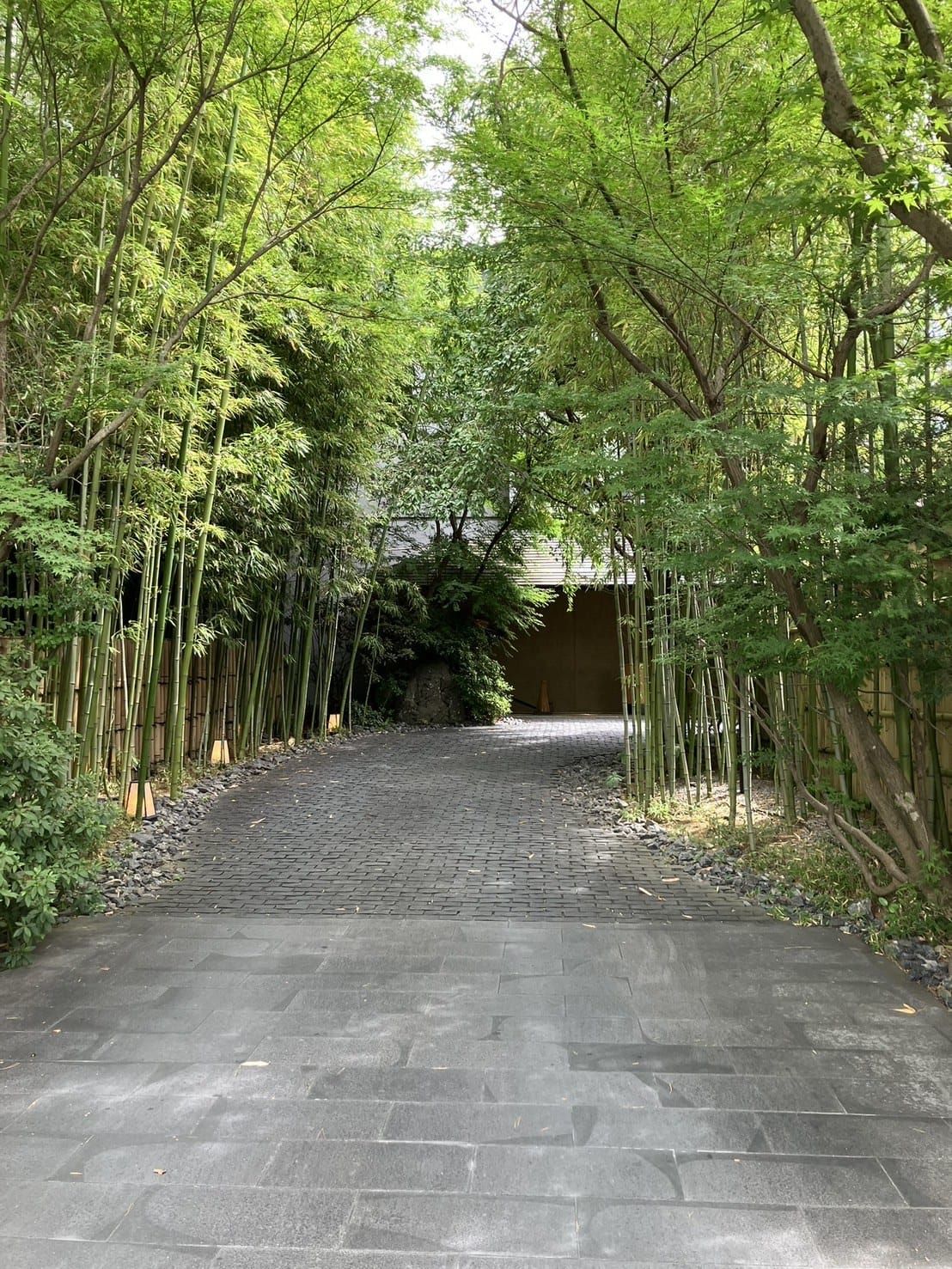
Of the ryokan in Kyoto with private onsen, the two that guarantee a bath in every single room are FUFU Kyoto (from ¥60,000 for two) in Okazaki — where I stayed in July 2026 — and Nazuna Kyoto Nijo-jo (from ¥90,112 for two) near Nijo Castle. If you can book a private slot instead of needing the bath in your room, Hanaikada in Arashiyama (from about ¥50,000 for two) mixes four in-room private-onsen rooms with a reservable open-air bath for the rest, and Kyoto Nanzenji Garden Ryokan Yachiyo (from ¥60,000 for two) gives you a reservable (kashikiri) private bath rather than a communal one. The condition that changes the answer is whether you need the bath in your own room every night or can book a private slot — but dropping the in-room bath does not automatically save you money: of the four, only Hanaikada comes in below the all-private-room pair (all rates checked September 2026, for two people).
Some links in this guide are affiliate links. If you book through them, we may earn a commission at no extra cost to you.
See our full Kyoto area guide if you're still deciding which neighbourhood to base yourself in.
Of the 6 ryokan in this guide, 4 include kaiseki dinner in their standard room rates — FUFU Kyoto, Nazuna Kyoto Nijo-jo, Hanaikada, and Yunohana Resort Suisen as the default plan — all six confirmed open and priced in September 2026 (FUFU Kyoto and Suiran against their own sites, the other four on a Japanese booking platform).
Kyoto ryokan with private baths at a glance
The six properties below cover in-room private baths and reservable (kashikiri) private baths, across central Kyoto and Arashiyama. All six were confirmed open and priced in September 2026 — FUFU Kyoto and Suiran against their own sites, the other four on a Japanese booking platform.
| Name | Area | Price range | Best for |
|---|---|---|---|
| FUFU Kyoto — check rates | Okazaki / Nanzenji | from ¥60,000; rates vary by season | All rooms with private hot-spring bath; intimate 40-room resort |
| Nazuna Kyoto Nijo-jo — check rates | Central (near Nijo Castle) | from ¥90,112 for two; rates vary by season | Tea-themed suites, private open-air bath, guests aged 13 and over only |
| Suiran, a Luxury Collection Hotel, Kyoto — check rates | Arashiyama | from ¥100,000 for two; rates vary by season | Riverside views; private open-air bath in 17 of 39 rooms |
| Hanaikada — check rates | Arashiyama | from about ¥50,000 for two; rates vary by season | 4 in-room private onsen rooms; reservable open-air bath for others |
| Kyoto Nanzenji Garden Ryokan Yachiyo — check rates | Nanzenji / Higashiyama edge | from ¥60,000 for two; rates vary by season | Historic garden ryokan; shared bath reservable for private use in the evening |
| Yunohana Resort Suisen — check rates | Kameoka (40 min from Kyoto Station) | from ¥76,000 for two with two meals; rates vary by season | Countryside hot spring; all 13 rooms with private open-air bath; rental kashikiri available |
Private in-room onsen vs reservable (kashikiri) bath vs communal bath: what's what
These three things are often lumped together on booking platforms, and the difference is significant.
- In-room private bath (rotenburo or indoor): A bath attached to your room — you use it anytime, no booking required, nobody else enters. The strongest privacy option.
- Kashikiri (reservable private bath): A dedicated bath room you book for a time slot, typically 45–60 minutes. The hot-spring water is real; you share the facility by schedule, not simultaneously. Often free for guests or a small surcharge (around ¥2,000–¥5,000 per session). Good middle ground if you want privacy without paying in-room rates.
- Communal (shared) bath: Separated by gender, open-access during posted hours. The classic onsen experience — not private, but often more atmospheric.
Properties like FUFU Kyoto and Nazuna Nijo-jo put you firmly in the first category. Yachiyo gives you the second. Suiran, Hanaikada and Yunohana Suisen offer both, depending on which room type you book.
What's included: dinner-inclusive vs room-only stays
Japanese ryokan do not automatically include dinner. Assuming they do is the most common booking mistake. Here's what each property offers:
- FUFU Kyoto: Dinner and breakfast included. Kaiseki-style menu served at the property.
- Nazuna Kyoto Nijo-jo: Dinner-inclusive kaiseki meals included in all room rates.
- Suiran, a Luxury Collection Hotel, Kyoto: Room-only rates available; dinner optional add-on (Japanese-French fusion at Kyo Suiran restaurant). Always confirm at booking.
- Hanaikada: Dinner-inclusive kaiseki served in your room; all rates include meals.
- Yachiyo: Both dinner-inclusive half-board and room-only rates available. Choose at booking.
- Yunohana Resort Suisen: Dinner-inclusive kaiseki is the standard plan; room-only rates also available on some booking platforms.
For guests focused on kaiseki meals as part of the experience, see kaiseki ryokan for foodies. This guide focuses on the bath situation.
Best in-room private-bath ryokan (city centre and Arashiyama)
FUFU Kyoto — Okazaki
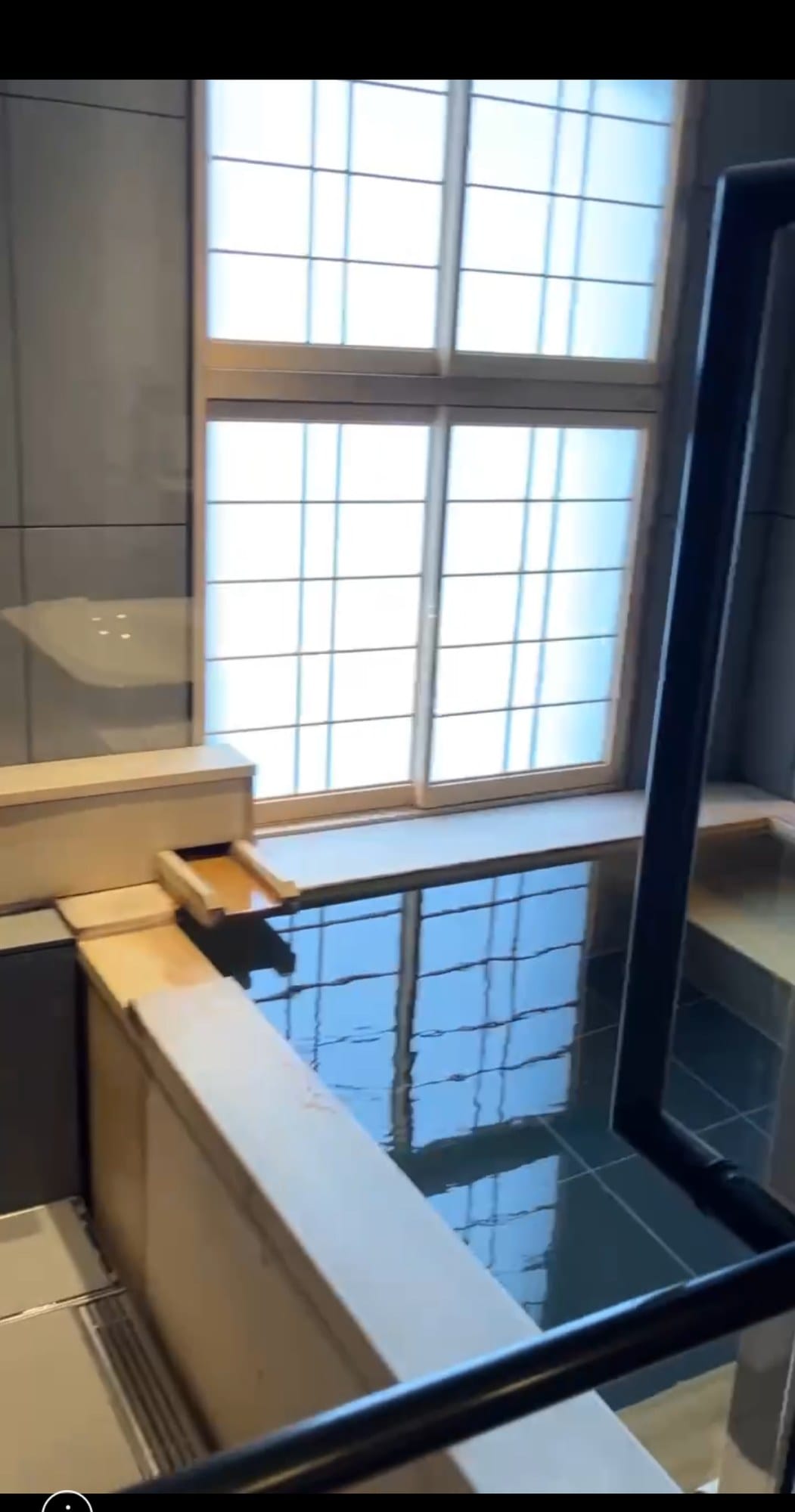
FUFU Kyoto is a 40-room property in the Okazaki district, a 10-min walk from Nanzenji Temple. Every room has a private hot-spring bath; baths are hinoki (Japanese cypress) or stone, and you'll see the type on each room listing. No need to book a slot or share anything. Dinner and breakfast are included in all room rates. It's adults-oriented and quiet.
I stayed here with my wife in July 2026, during Gion Matsuri, so the rest of this section is what that stay actually looked like rather than what the listing says.
There is no communal bath at all. That sounds like a detail and it is the most useful thing on this page, because it changes how the evening works. At a ryokan with a big shared bath, your bathing gets squeezed around the dinner slot and the hours the bath is open. Here the only bath is the one in your room, so it is open whenever you are awake and nobody schedules it for you. If a private bath was the reason you were looking at this category, that is the strongest version of it — but if you also wanted the big-bath experience, this is not the property for it.
On the water itself I would keep an open mind. The room bath is hinoki and built to feel like an open-air one without quite being outdoors. What I could not settle is where the water comes from: the property is not drawing it from a source under the building, and I have seen more than one account of where it is brought in from. I could not confirm any of them, so treat the provenance as unverified rather than as the Arashiyama-spring story you may read elsewhere. It is hot-spring water by the listing; it is not a spring in the garden.
The honest weakness is room size. For the price band, the rooms are smaller than what the other properties on this list give you, and that was the one thing we noticed repeatedly over the stay. You are paying for the bath, the food and the position rather than for space.
Getting there is easier than the address suggests, with one warning. A taxi from Kyoto Station is not an expensive ride and it is what I would do with luggage. The warning is that there is no hotel pickup here — if you know this brand from its Atami or Hakone properties, where we were met on previous stays, do not assume the same service in Kyoto. What you get instead is flat ground: the approach has no hill and no steps to fight, so wheeling a case in is a non-event, which is not something you can say about every ryokan in this city. Check rates.
Nazuna Kyoto Nijo-jo — near Nijo Castle
Nazuna's Nijo-jo property is a converted machiya townhouse with a handful of suites, each named after a type of tea (Gyokuro, Maccha, Houjicha, and so on). Each suite has a private open-air or semi-open-air bath. The whole place is adults-only and intimate — fewer than 10 rooms means you're unlikely to encounter crowds. Dinner-inclusive kaiseki is part of every stay. The nearest station is Nijojo-mae (Tozai Line), about a 5-min walk. Check rates.
Suiran, a Luxury Collection Hotel, Kyoto — Arashiyama
Suiran sits beside the Katsura River in Arashiyama. Of its 39 rooms, 17 have a private open-air bath with mountain or forest views. For the other rooms, two kashikiri private outdoor baths can be reserved. It's a 15-min walk from JR Saga-Arashiyama Station. Dinner is optional and bookable separately — the restaurant serves a Japanese-French fusion kaiseki. For the full Arashiyama ryokan picture, including riverside options, see that guide. Check rates.
Hanaikada — Arashiyama (Togetsukyo Bridge)
Hanaikada is a 15-room property at the foot of Togetsukyo Bridge, in one of the best positions in Arashiyama. Four rooms come with an in-room private onsen. Guests in the other 11 rooms can reserve the open-air kashikiri bath by time slot. All rates include dinner-inclusive kaiseki served in your room. Pickup is available from JR Saga-Arashiyama Station — the ryokan's own site asks you to phone on the day to arrange it. If the four private-onsen rooms are booked, the kashikiri is a reasonable fallback at the same property. Check rates.
Ryokan where the private bath is reservable, not in your room
Kyoto Nanzenji Garden Ryokan Yachiyo — Nanzenji
Yachiyo has operated since 1915 in the Nanzenji Villa District. The property has a traditional Japanese garden and turns its shared bath over to private use each evening: 45-minute slots start on the hour from 17:00 to 21:00, each stay includes one session free, a second costs ¥4,000 if a slot is open, and the ryokan recommends reserving ahead (its own FAQ, checked October 2026). Both dinner-inclusive and room-only rates are available, from ¥60,000 for two (checked September 2026) — the same entry point as FUFU Kyoto, so the reservable bath here buys you a 1915 garden ryokan rather than a lower rate. The nearest station is Keage (Tozai Line); the ryokan's exact walk time should be confirmed when booking. Bedding was upgraded in early 2025. Check rates.
Yunohana Resort Suisen — Kameoka
Suisen is the most remote of these — Kameoka is about 40 min from Kyoto Station on the JR Sagano Line — and, contrary to what its countryside setting suggests, not the cheapest: the standard plan is dinner-inclusive and starts around ¥76,000 for two (checked September 2026), above FUFU Kyoto and Yachiyo at ¥60,000. The trade-off: genuine natural hot-spring water (alkaline spring), some rooms with a private open-air bath on the balcony, and a rental kashikiri rock bath available to all guests at ¥3,500 per hour. Kaiseki dinners are the standard plan. If you want a countryside onsen feel rather than a central Kyoto location, this is the clearest choice on this list — but not the cheap one. Check rates.
Tattoo and etiquette notes for private vs shared bathing
Private baths — in-room or kashikiri — are generally accessible regardless of tattoos, since you're not sharing the water or space with other guests. Communal baths at the same properties may still have restrictions. Check the policy for the specific bath type you intend to use when you book, not when you arrive.
General bathing etiquette applies everywhere:
- Shower and rinse thoroughly before entering the bath water.
- No swimwear in the bath itself.
- Keep towels out of the water.
- Quiet tone around shared areas.
For properties with kashikiri, you're responsible for the space during your slot. Leave it as you found it.
Compare the ryokan
The full side-by-side for quick reference. Prices are per room per night unless otherwise stated by the property; rates vary by season and room type.
| Name | Area | Price range | Best for |
|---|---|---|---|
| FUFU Kyoto — check rates | Okazaki / Nanzenji | from ¥60,000; rates vary by season | In-room onsen every room; included dinner; 40-room scale |
| Nazuna Kyoto Nijo-jo — check rates | Central (Nijo Castle) | from ¥90,112 for two; rates vary by season | Boutique, ages 13 and up, tea-theme, private open-air bath |
| Suiran, a Luxury Collection Hotel, Kyoto — check rates | Arashiyama | from ¥100,000 for two; rates vary by season | Riverside; private bath in select rooms; optional dinner |
| Hanaikada — check rates | Arashiyama (Togetsukyo) | from about ¥50,000 for two; rates vary by season | In-room onsen in 4 rooms; kashikiri fallback; dinner included |
| Kyoto Nanzenji Garden Ryokan Yachiyo — check rates | Nanzenji | from ¥60,000 for two; rates vary by season | Kashikiri by reservation; garden setting; dinner-inclusive or room-only |
| Yunohana Resort Suisen — check rates | Kameoka (40 min out) | from ¥76,000 for two with two meals; rates vary by season | Natural alkaline spring; kashikiri rental ¥3,500 per 50 min; countryside setting |
Practical tips: booking the bath slot, meal times, season pricing
Booking the kashikiri bath slot: For properties with reservable baths, slots fill fastest on arrival evening and the night before checkout. Contact the ryokan at least a week ahead to pre-reserve your slot, or request it the moment you check in. Don't leave it until after dinner.
Meal timing: Dinner-inclusive ryokan set meal times — usually between 6 pm and 7:30 pm. Breakfast is typically 7:30–9 am. You'll confirm your preferred time at check-in. If you have dietary restrictions or allergies, flag them when making the reservation, not on arrival. Most properties can accommodate with advance notice.
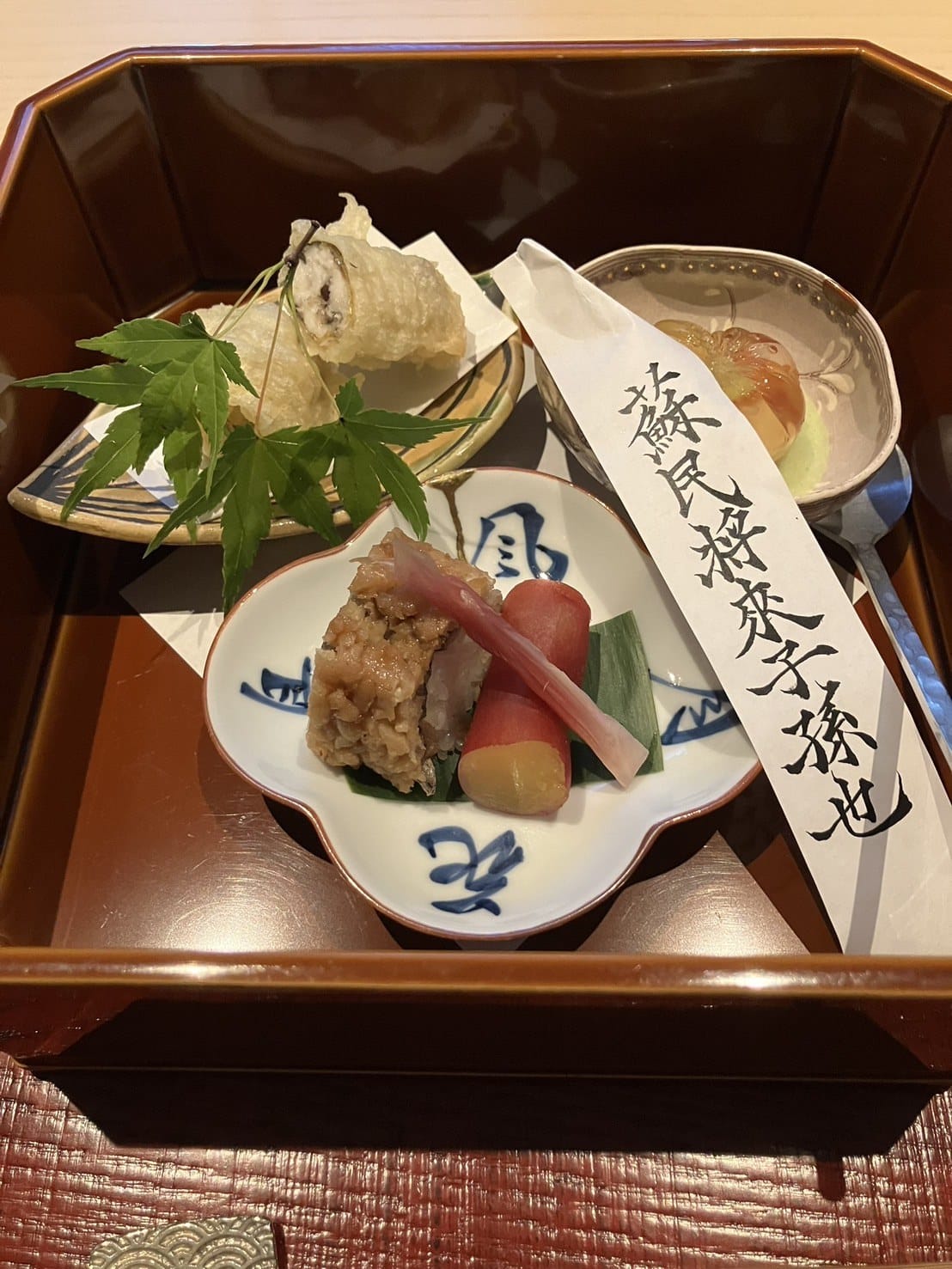
At FUFU Kyoto specifically, dinner runs in three sittings and you pick one. That matters more than it sounds: when everyone wants the same slot, the one you wanted is gone, and the way to avoid it is to state a preference when you book rather than at check-in. Dinner is served in the dining room, not in your room — worth knowing if the image in your head is trays carried in and set on a low table. Breakfast is also by stated time. And because there is no communal bath here, none of this constrains your bathing; at a property with a big shared bath the two schedules push against each other, and at this one they simply do not touch.
One thing worth timing your booking around rather than your evening: we were there in July, and the kaiseki came with hamo (pike conger) and manganji peppers — both are Kyoto summer, and neither is on the menu in November. If a particular Kyoto season is the reason you are coming, the food follows it as closely as the maples do.
Check-in windows: Standard ryokan check-in opens at 3 pm or 4 pm. Early check-in is rarely available without a fee. If you're arriving by Shinkansen from Tokyo mid-afternoon, you'll likely fit. If arriving at KIX and connecting through Haruka, allow 90–120 min from the airport to Kyoto Station, then travel to your ryokan.
Season pricing and the book-early rule: Cherry blossom season (late March to mid-April) and autumn foliage (mid-November) push rates significantly higher at all these properties. In foliage season, some ryokan in Arashiyama and central Kyoto are booked out three to six months ahead. If your travel dates are fixed around those periods, treat "book early" as a hard requirement, not optional advice.
For a broader look at what's on offer outside the private-bath category, including meal-first recommendations, see kaiseki ryokan for foodies. For the Arashiyama-specific options in more depth, the riverside ryokan in Arashiyama guide covers the area hotels and Katsura River views in detail.
If a ryokan is more formality than you want, Kyoto also has hotels with the bath and none of the arc. Kyoto hotels with onsen and big public baths separates the three running certified hot spring water from the two heating tap water in a large communal bath.
Gion is also where the trip can leave with something made for you rather than bought off a shelf. Ordering custom zori at Gion Naito is a one-hour appointment at a footwear house trading since 1897, a short taxi ride from the Okazaki and Nanzenji ryokan in this guide, and the pair follows you home by post a few months later.
A private bath is one of the few things a ryokan can sell that a city hotel cannot, which is part of why the two are priced on different units altogether. Ryokan, city hotels and resorts compared on what they actually sell starts from that difference.
FAQ: ryokan in Kyoto with private onsen
What is the difference between a private in-room onsen and a kashikiri bath?
A private in-room bath is attached to your room — you use it at any time with no booking required and no one else enters. This is what FUFU Kyoto and Nazuna Kyoto Nijo-jo offer in every room. A kashikiri bath is a dedicated room you reserve for a time slot (typically 45–60 minutes); the hot-spring water is real, but you share the facility on a schedule. Yachiyo provides kashikiri baths; Suiran, Hanaikada and Yunohana Resort Suisen offer both, depending on which room type you book.
Which Kyoto ryokan with private onsen includes dinner?
FUFU Kyoto and Nazuna Kyoto Nijo-jo include kaiseki dinner and breakfast in all room rates. Hanaikada includes dinner-inclusive kaiseki served in your room as standard. Suiran (Arashiyama), Yachiyo, and Yunohana Resort Suisen all offer both dinner-inclusive and room-only rates — confirm the meal plan at booking, not on arrival, since the default can vary by booking platform.
Is FUFU Kyoto suitable for a first ryokan stay?
FUFU Kyoto is a practical choice for a first ryokan stay: all 40 rooms come with a private hot-spring bath (no slot booking needed), dinner and breakfast are included in every rate, and the property is adults-oriented and quiet. It sits a 10-min walk from Nanzenji Temple in the Okazaki district. Rates start from ¥60,000 per night for two and vary by season; it is not a budget option, but the all-inclusive pricing means you will not be surprised by additional charges at checkout.
How far are the Arashiyama options from central Kyoto?
Suiran and Hanaikada are both in Arashiyama, roughly 15 minutes from JR Saga-Arashiyama Station (Central Exit) on foot, or about 30 minutes from Kyoto Station by JR Sagano Line. Yunohana Resort Suisen is further out — in Kameoka, about 40 minutes from Kyoto Station. Central options (FUFU Kyoto in Okazaki, Nazuna in Nijo-jo) are within the city and a short taxi or subway ride from main sights, making them easier bases if you plan multiple day excursions.
Trip Essentials for Kyoto
Things worth booking before you land, all in English:
- eSIM — Airalo's Japan eSIM: install it at home and data works as soon as you switch off airplane mode at Kansai Airport.
- Airport transfer — Klook covers bus, train, and private transfers from Kansai Airport.
- Luggage storage — arriving before check-in? Radical Storage takes bags at shops near Kyoto Station for a flat daily rate.
- Tickets and day trips — Klook covers Arashiyama activities, tea ceremonies, and Nara day trips; booking ahead skips the ticket-window line.
Information audit: Last fact-checked September 2026 · Prices checked September 2026 (all rates are “from” floors that vary by season) · How this guide was researched: hotel facilities, prices and access details are verified against official and primary sources; we have not personally stayed at every property listed · Personally stayed: FUFU Kyoto — July 2026, Gion Matsuri season (dinner, bath and approach photos are from that stay) — paid by us; no complimentary stays. The author was born in Kyoto · How this site verifies information: About NipponStays.