Best Ryokan in Kyoto with Kaiseki Dinner
Six verified ryokan in Kyoto where kaiseki dinner is included or bookable — from downtown classics to Arashiyama retreats. Meal plans stated per property.

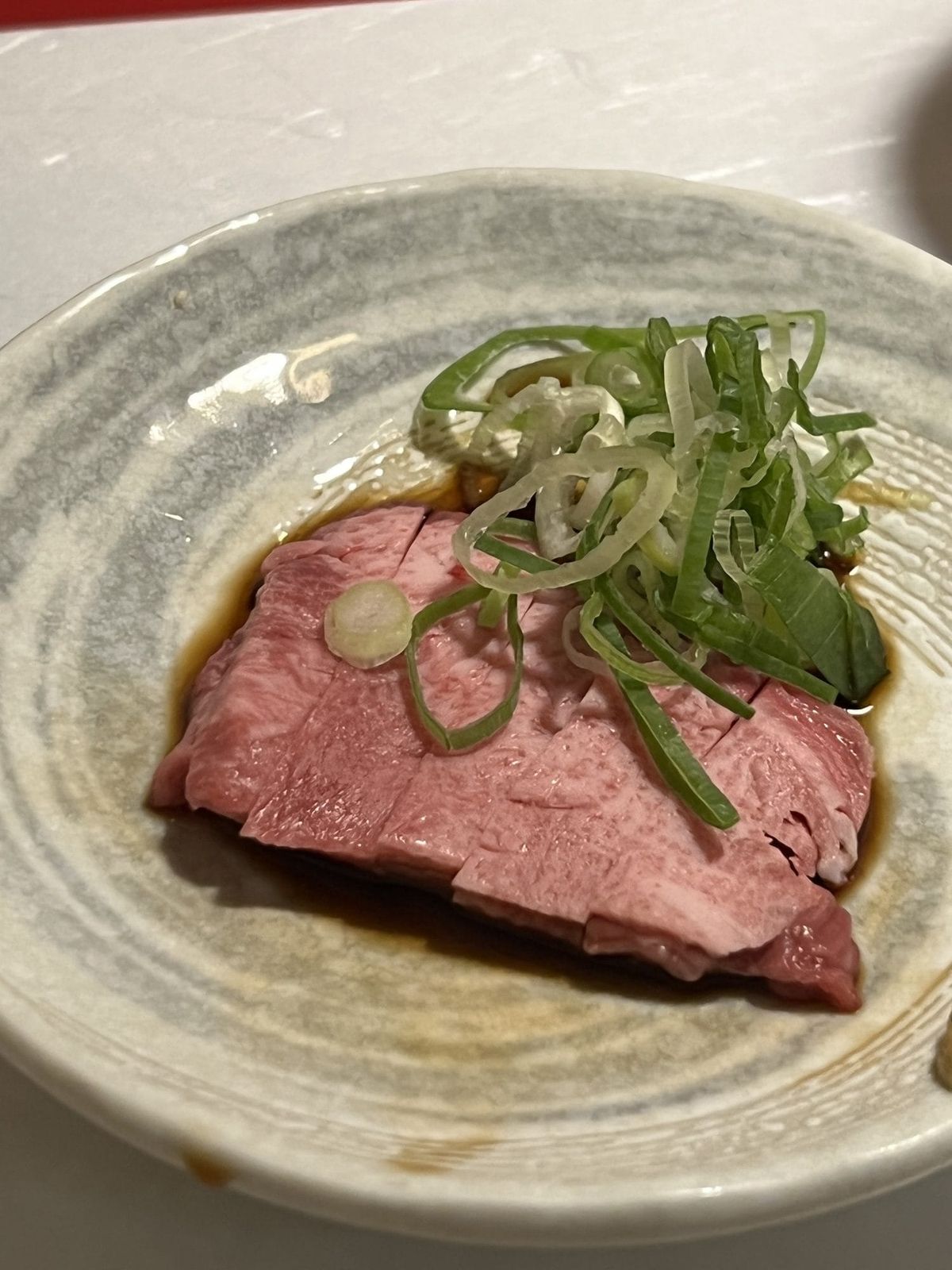
Choosing the best ryokan in Kyoto with kaiseki dinner is a food-first decision as much as a lodging one. Kyoto Nanzenji Garden Ryokan Yachiyo (from ¥20,000 per person) is the garden-facing entry point; Togetsutei (from ¥29,000 per person) is the classic tatami onsen inn at Togetsukyo Bridge; Tawaraya (from ¥82,225 per person) is the 300-year-old top-tier inn; Hiiragiya (from ¥50,000 per person) has two historic buildings to choose between. Note the unit: most are priced per person with two meals, not per room.
Some links in this guide are affiliate links. If you book through them, we may earn a commission at no extra cost to you.
Of the 5 ryokan covered in this guide, 2 — Tawaraya and Hiiragiya — include both kaiseki dinner and Japanese breakfast as standard in the room rate, with no meal plan add-on required (checked July 2026).
Best dinner-inclusive kaiseki ryokan at a glance
The table below covers both fully dinner-inclusive inns and properties where a kaiseki dinner is available as part of a half-board plan. The meal plan status is noted in the Best for column. All prices are starting estimates; rates vary by season.
Read the price column with one thing in mind: the rows are not all quoting the same thing. Tawaraya and Hiiragiya are per person with dinner and breakfast in the rate. Yachiyo is per person, room only — its kaiseki dinner is a separate booking from ¥10,180 per person, so the comparable half-board figure is roughly ¥30,000. Hoshinoya Kyoto is the odd one out at room only, for two. So a low number in this column can mean a cheaper inn or simply a rate with no dinner inside it. Check the Best for column before you compare, and put your own dates into the booking page before you decide.
| Name | Area | Price range | Best for |
|---|---|---|---|
| Tawaraya — booked direct with the inn | Central Kyoto (Nakagyo) | from ¥82,225/person for two sharing, tax and service included (checked October 2026) | Top-tier inn, 300+ years old; two meals always included |
| Hiiragiya — check rates | Central Kyoto (Nakagyo) | from ¥50,000/person; rates vary by season | Historic inn, two buildings to choose from; kaiseki dinner and breakfast included |
| Kyoto Nanzenji Garden Ryokan Yachiyo — check rates | Northern Higashiyama (Nanzen-ji) | from ¥20,000/person, room only; rates vary by season | Garden-facing rooms, century-old property; kaiseki dinner bookable with stay |
| Togetsutei — check rates | Arashiyama (Togetsukyo Bridge) | from ¥29,000/person; rates vary by season | Classic tatami onsen inn at the bridge; dinner-inclusive or room-only plans available |
| Hoshinoya Kyoto — check rates | Arashiyama | from ¥70,000 for two, room only; rates vary by season | Secluded design ryokan-hotel; room-only base rate, kaiseki dining available separately |
Why 'ryokan' does not automatically mean meals included
The ryokan image — tatami room, yukata robe, dinner arriving course by course — is accurate at fully dinner-inclusive properties. At others, the base room rate covers only the room, and dinner must be booked separately or eaten out. This distinction matters for two reasons: budgeting (a half-board plan typically adds ¥10,000–¥25,000 per person above a room-only rate) and scheduling (dinner service at traditional ryokan is not flexible — you commit to a time at check-in).
When searching on major booking platforms, look at the plan name rather than just the room name. Terms to know:
- Ni-shoku tsuki (二食付き): two meals included — dinner and breakfast
- Choshoku tsuki (朝食付き): breakfast only included
- Sudomari (素泊まり) / room-only: no meals, lowest base rate
At Hoshinoya Kyoto and Yachiyo, the base accommodation rate does not bundle dinner automatically. At Tawaraya and Hiiragiya, standard plans include both dinner and breakfast unless you specifically request otherwise.
The other option: a hotel room plus a restaurant booking
A dinner-inclusive ryokan settles your evening for you. The alternative is to take a room-only hotel and eat out, which is what I do in Kyoto now. It buys you range — you are not eating the same house style two nights running — and it costs you one thing: you have to get the table yourself.
The places worth that effort are not all the same kind of restaurant, and the label on their own site tells you what you are booking. Hyotei in Nanzenji describes its cooking as tea kaiseki, "based on the traditional tea ceremony" — the older, quieter form that sits behind the banquet-style meal most ryokan serve. Kinobu does not use the word kaiseki at all and lists kaiseki-as-banquet (会席), shojin and catering. Kodaiji Wakuden calls itself a ryotei. Tenyu is a tempura specialist belonging to the same house as Tawaraya, the ryokan in the table above. Shuhaku works at counter scale. Reading the label first saves you from booking a three-hour formal lunch when you wanted a counter seat.
Behind several of these kitchens is a working institution rather than a marketing line: the Shibata Japanese Cuisine Study Group, a standing column in the trade magazine Senmon Ryori, which is now on its fourth generation of members. Kyoto's senior kitchens study together in public and hand the seat on. That is unusual, and I think it is part of why choosing between the best of them is genuinely hard.
Booking is the barrier, not the meal. At Tankuma Kitamise I once sat next to a table of overseas guests having the courses explained to them in English — one counter, one evening, so draw no general rule from it, but it did tell me the hard part had already happened. The hard part is the phone call a week earlier. What differs between restaurants is whether they hand you a way around it (checked September 2026):
- You can book in English yourself: Chimoto takes English reservations through a form on its own site, with a three-day cut-off. Hyotei, Tankuma Kitamise, Kinobu and Kodaiji Wakuden each point from their official pages to an English booking service.
- Japanese only: Tenyu, Shuhaku and Godan Miyazawa publish no English booking route at all. These are the ones to hand to someone else.
That is the honest case for paying up for a hotel with a staffed concierge desk. I have had a concierge take the Kodaiji Wakuden booking for me while I was staying at the Westin Miyako Kyoto — and from that hotel, Hyotei is a 5-min walk, which matters more than it sounds, because the Hyotei annexe opens at 08:00 for its rice-porridge breakfast, with last orders at 10:00. Restaurants change these arrangements, so confirm when you book rather than trusting this list.
Each strand of this section now has its own guide. Which Kyoto restaurants take an English booking lists all eight and who can be booked without a phone call. Kaiseki, kappo or ryotei explains what the label on the door commits you to before you reserve. If the inns above are what you actually want, the ones that never appear on booking sites covers how to reach them directly. For a room-only stay, see where to eat breakfast from 07:00, and for meat-free eating, what shojin ryori does and does not promise.
What a kaiseki dinner and traditional breakfast actually include
A kaiseki dinner at a Kyoto ryokan is a multi-course meal built around the season. The structure typically runs from a small sakizuke (amuse), through a seasonal selection platter (hassun), a simmered dish (nimono), a grilled dish (yakimono), a steamed item, and a vinegared course, finishing with rice, miso soup, and pickles. At mid-to-high-end inns, this takes 60–90 minutes and is served in your room or a private dining room.
Traditional breakfast follows similar principles: grilled fish, house-made tofu, pickled vegetables, rice, and miso soup. Hiiragiya is particularly known for its yudofu (simmered tofu) breakfast. Most inns offer a Western breakfast on request if you prefer it — ask when booking.
Both meals have fixed times. Dinner typically runs between 18:00 and 20:00, with last orders around 19:30. Breakfast is usually 07:30–09:00. If you plan to arrive late in the evening, you may miss dinner service entirely — confirm with the inn before booking a dinner-inclusive plan.
Top kaiseki ryokan in central Kyoto
Tawaraya
Tawaraya has been operating in Nakagyo Ward for over 300 years and is consistently ranked among Japan's finest ryokan. The 18-room property sits on a private lane off Fuyacho Street, roughly a 10-min walk east from Karasuma-Oike Station (Exit 3). Room rates include both dinner and breakfast; for multi-night stays, you can drop one meal for a reduction on request. Since January 2026 the inn has its own official site, and its English booking page lets you pick a date and room type and book online; for a stay within three days of arrival, the inn asks you to phone instead (+81 75-211-5566, 9:00–19:00 Japan time). From ¥82,225 per person for two sharing, dinner and breakfast, tax and service included (checked October 2026, official booking page); rates vary by date and room.
Hiiragiya
Founded in 1818 and a direct neighbour of Tawaraya on Fuyacho Street, Hiiragiya has 28 rooms split between the main building (honkan) and a newer annex (bekkan). The honkan rooms have the more traditional architecture and atmosphere; the bekkan rooms tend to be larger and slightly more contemporary. Both wings include kaiseki dinner and breakfast in standard plans. Karasuma-Oike Station (Exit 3) is an 8-min walk. From ¥50,000 per person, with kaiseki dinner and breakfast included; rates vary by season (checked September 2026).
Kaiseki ryokan in Higashiyama and Arashiyama
Kyoto Nanzenji Garden Ryokan Yachiyo
Yachiyo opened in 1915 and is set in a garden designed by Meiji-era landscape master Ogawa Jihei, within walking distance of Nanzen-ji Temple in the northern Higashiyama area. The property has 25 rooms, and select rooms include private hinoki cypress baths. Kaiseki dinner is available as a bookable course (a 12–13 dish luxury kaiseki from ¥10,180 per person) and can be combined into a half-board package at the time of reservation. The inn has active 2025–2026 listings on TripAdvisor and Expedia, with 2026 bedding and textiles renewed. Keage Station (Tozai Line) is a 10-min walk. From ¥20,000 per person for room; confirm dinner package pricing at time of booking; rates vary by season.
Togetsutei
Togetsutei has operated since 1897 and stands at the south end of Togetsukyo Bridge — one of the most photographed spots in Arashiyama and a 15-min walk from JR Saga-Arashiyama Station (Central Exit). The 25-room inn has indoor hot-spring baths and eight guest rooms with private outdoor onsen. Both dinner-inclusive and room-only plans are available; the dinner-inclusive plan pairs the tatami room with a full kaiseki course and Japanese breakfast. From ¥29,000 per person for a room-only plan; dinner-inclusive plans are priced higher and vary by season. Book three to four months in advance for November foliage and April cherry blossom dates.
Hoshinoya Kyoto
Hoshinoya Kyoto is reached by a 15-min boat transfer up the Oi River from the boat dock near Togetsukyo Bridge, making it the most secluded property on this list. The base rate is room-only, from ¥70,000 for two; rates vary by season (checked August 2026). Seasonal kaiseki dinner courses are available to book separately. If dinner matters to you here, confirm availability and reserve the dinner course at the same time as your room — evening dining fills up quickly, especially in November. The property appears in Hoshino Resorts' active portfolio as of 2025–2026.
Dietary needs and how to request them
Kaiseki menus are designed as complete, structured compositions. Substitutions are possible at most inns, but only with advance notice. Arriving and announcing a dietary restriction at dinner time is likely to result in limited options.
- Vegetarian: Request a vegetable-only or Buddhist-style (shojin) course at the time of booking. Not all inns can fully accommodate this — ask directly by email whether they offer a complete alternative course.
- Allergies: Send a written list of allergens — in both English and Japanese if possible — before arrival. Most inns can omit specific items from existing courses.
- Vegan or halal: Very few traditional kaiseki inns in Kyoto offer certified halal or fully vegan menus. Hoshinoya Kyoto has a larger culinary team and is more likely to be flexible than smaller independent inns; confirm in writing before booking.
- Children's meals: At inns that accept children, a simplified children's course (o-ko-sama zen) is usually available on request.
If the meat-and-fish question is the whole reason you are reading this section, there is a simpler answer than negotiating with an inn: eat the shojin meal where it is the only thing on the menu. Izusen sits inside Daijiin, a sub-temple within the Daitoku-ji grounds in Kita-ku, and serves what it calls shojin teppatsu cuisine — courses arranged in the nested bowls that once served as a monk's alms vessel. Its own site states plainly that no meat or seafood is used, and lists three courses at ¥4,500, ¥5,500 and ¥6,500. It is open 11:00–16:00, year-round except 28–31 December, and only parties of six or more are asked to reserve — so a couple can usually walk in, though I would not build a day around that.
One caution, because it is the kind of thing English guides get wrong: Izusen does not describe itself as vegetarian or vegan, and says nothing about dashi or the pungent roots traditionally excluded from temple cooking. "No meat, no seafood" is what is actually claimed. If you are strictly vegan, treat it as a promising direction and ask, rather than as a guarantee. Daitoku-ji itself is worth the trip out for a second reason. It is laid out unlike the temples most visitors queue for: the grounds are free to walk, only a handful of its sub-temples admit visitors year-round, and there is no single headline hall at the end of the path. Check which sub-temples are open before you go, rather than after.
Compare the kaiseki ryokan
Use this table to match property to purpose. For the private-onsen angle on some of these same inns, see our guide to ryokan with private onsen. For properties focused on the Gion and southern Higashiyama lanes, see ryokan in Gion.
| Name | Area | Price range | Best for |
|---|---|---|---|
| Tawaraya — booked direct with the inn | Central Kyoto (Nakagyo) | from ¥82,225/person for two sharing, tax and service included (checked October 2026) | Pinnacle of Kyoto ryokan; kaiseki dinner and breakfast always included |
| Hiiragiya — check rates | Central Kyoto (Nakagyo) | from ¥50,000/person; rates vary by season | Two-building choice; kaiseki dinner and breakfast included; central location |
| Yachiyo — check rates | Northern Higashiyama (Nanzen-ji) | from ¥20,000/person, room only; rates vary by season | Garden setting near Nanzen-ji; kaiseki dinner bookable as package |
| Togetsutei — check rates | Arashiyama (Togetsukyo Bridge) | from ¥29,000/person; rates vary by season | Classic tatami onsen inn; dinner-inclusive or room-only plans; 8 private outdoor baths |
| Hoshinoya Kyoto — check rates | Arashiyama | from ¥70,000 for two, room only; rates vary by season | Maximum seclusion; room-only base, kaiseki dinner bookable separately |
Practical tips: meal times, check-in windows, and season pricing
- Dinner timing: Dinner service at most inns runs 18:00–20:00, with a final seating around 19:00–19:30. You select your preferred dinner time at check-in. If your train or flight runs late, call ahead — missed dinner service on a dinner-inclusive plan is generally non-refundable.
- Check-in windows: Most traditional ryokan request arrival between 15:00 and 18:00. Early luggage drop is usually possible — confirm when booking, as smaller inns such as Tawaraya have limited front-desk hours.
- Breakfast: Traditional Japanese breakfast is served 07:30–09:00 at most properties. A Western option is available on request at several inns — confirm at check-in rather than the morning of.
- Cancellation terms: Ryokan cancellation policies are stricter than business hotels. Many charge 50 percent within one week and 100 percent on the day of arrival. Read the cancellation terms before booking, particularly for high-season stays.
- Autumn and cherry blossom season pricing: Autumn foliage (mid-October to late November) and cherry blossom season (late March to mid-April) push ryokan rates 30–50 percent above off-peak prices at all properties listed here. For November or April travel, book three to four months in advance. Rates vary by season at all listed properties.
Dinner is a large share of the rate at every place on this list, which raises a fair question before you book: do you want it every night? Ryokan with meals vs room only works out when half-board earns its price.
One convention to carry with you: a ryokan bill is usually quoted per person and often has the meals inside it, while a city hotel is quoted per room. A ¥25,000 ryokan rate and a ¥25,000 hotel rate are therefore not the same purchase, and the gap widens once you add two kaiseki dinners. How Japan's top end is priced sets that fork out across the country.
Both of those headline figures are quoted per person, which is the convention that separates a ryokan bill from a hotel bill: from ¥20,000 at Yachiyo is from ¥40,000 for a couple, dinner and breakfast included. How Japan's top end is priced sets that fork against city hotels billed per room.
Trip Essentials for Kyoto
Things worth booking before you land, all in English:
- eSIM — Airalo's Japan eSIM: install it at home and data works as soon as you switch off airplane mode at Kansai Airport.
- Airport transfer — Klook covers bus, train, and private transfers from Kansai Airport.
- Luggage storage — arriving before check-in? Radical Storage takes bags at shops near Kyoto Station for a flat daily rate.
- Tickets and day trips — Klook covers Arashiyama activities, tea ceremonies, and Nara day trips; booking ahead skips the ticket-window line.
FAQ: Kaiseki Ryokan in Kyoto
Which Kyoto ryokan always includes kaiseki dinner in the rate?
Tawaraya and Hiiragiya both include kaiseki dinner and Japanese breakfast as standard in their room rates. You do not need to add a meal plan separately. At Hoshinoya Kyoto and Kyoto Nanzenji Garden Ryokan Yachiyo, dinner is available but must be reserved and priced separately from the room rate.
How far in advance should I book a kaiseki ryokan in Kyoto?
For November foliage and late-March to mid-April cherry blossom travel, book three to four months ahead at minimum. Tawaraya has only 18 rooms; since January 2026 you can book it on its official site, but for a stay within three days of arrival the inn asks you to phone. For off-peak travel, four to six weeks is generally sufficient.
What is the difference between staying at a ryokan in central Kyoto versus Arashiyama?
Central Kyoto ryokan (Tawaraya, Hiiragiya) place you within 10-min walking distance of Karasuma-Oike Station and the subway network, which is useful if you plan to sightsee across the city. Arashiyama ryokan (Togetsutei, Hoshinoya Kyoto) give you the Togetsukyo Bridge and bamboo grove within walking distance, but Hoshinoya Kyoto requires a 15-min boat transfer to reach — once there, you stay put for the evening.
Can I request a vegetarian kaiseki at any ryokan on this list?
You need to request dietary alternatives at booking, not on arrival. Most inns can omit specific items from courses if given written notice. A fully vegetarian or Buddhist shojin-style course requires confirmation with the inn by email before you book. Hoshinoya Kyoto, with its larger culinary team, is the most likely to accommodate full vegan or halal requests — but always confirm in writing first.
Information audit: Last fact-checked July 2026 · Prices checked July 2026 (all rates are “from” floors that vary by season) · How this guide was researched: hotel facilities, prices and access details are verified against official and primary sources; we have not personally stayed at every property listed. The author was born in Kyoto · How this site verifies information: About NipponStays.