Luxury Hotels and Ryokan in Japan: What the Top End Buys
Japan's top end is priced three ways: per room, per person with two meals, or by the place. Entry rates run from ¥12,000 in Kanazawa to ¥49,000 in Shinjuku.

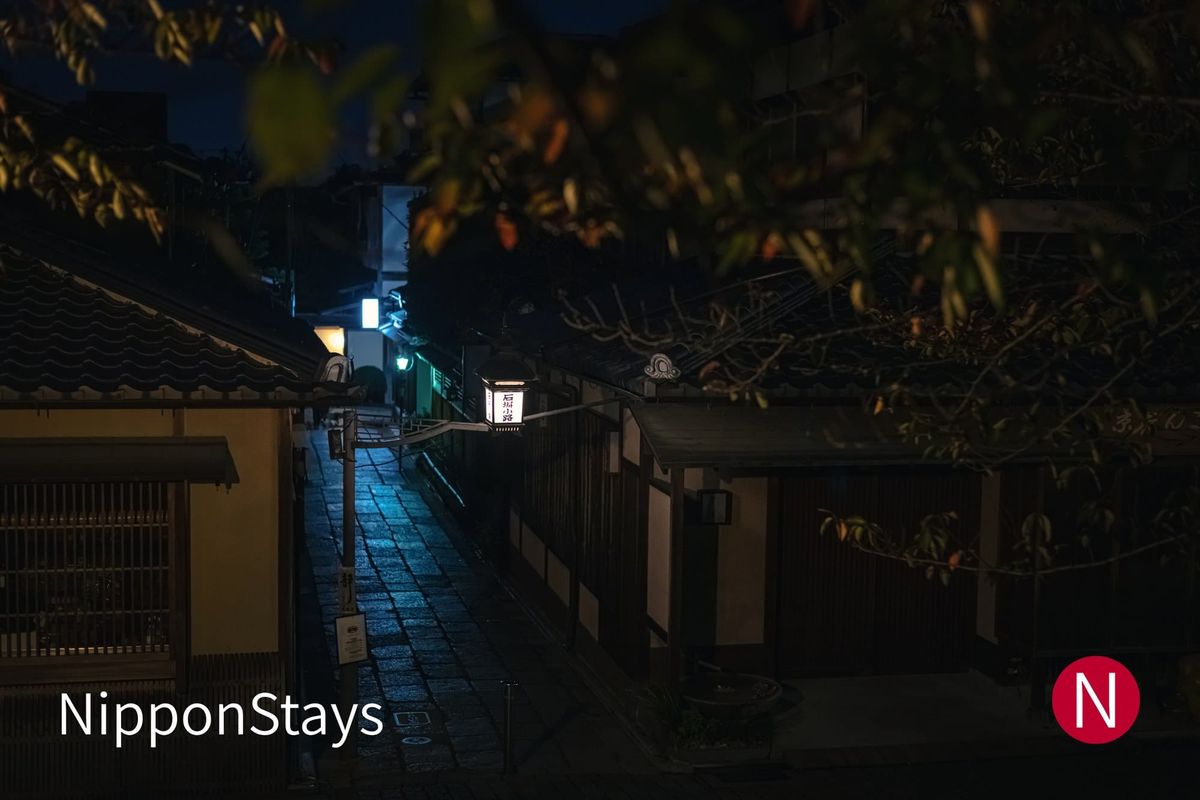
Choosing between luxury hotels and ryokan in Japan is not one decision but three, and the price tag hides which one you are making. A city hotel sells you a room and the service around it, billed per room. A ryokan sells you dinner, breakfast and a room to eat them in, billed per person — so the same headline number is double what a couple expects. A resort or a residence sells you the place itself, and the building is secondary. This hub sorts our high-end guides by which of those three you are actually buying, because that is the fork that decides whether a rate is expensive or a bargain.
Japan's top end at a glance
All rates below are per room per night for two unless the row says otherwise, and each linked guide carries its own check date.
| What you are buying | How it is priced | Where it suits | Start here |
|---|---|---|---|
| A room and the service | Per room, meals extra | Cities, short stays, business plus leisure | Kyoto, Osaka, Shinjuku |
| Dinner and breakfast | Per person, two meals included | Onsen towns, one or two nights | Kaiseki ryokan, Arima |
| The place itself | Per room or per villa | Islands, lakes, ski mountains | Okinawa, Yakushima |
The first fork: per room, or per person
The per-person convention is the single most expensive misunderstanding available to a visitor. A ryokan quoting ¥60,000 is quoting ¥120,000 for two people, and the figure already contains a multi-course dinner and breakfast that a city hotel would bill separately. Our comparison of ryokan with meals against room-only rates works the arithmetic through; the short version is that a ryokan stops looking expensive once you subtract two dinners you were going to eat anyway, and starts looking expensive the moment you planned to eat out.
Compiled from the city guides linked in this hub (September 2026), the entry rate to the top end runs from ¥12,000 per room per night for two at the cheapest — the ANA Crowne Plaza Kanazawa in our Kanazawa guide — against from ¥49,000 for the most accessible luxury rate in Shinjuku. That is a four-fold spread behind the same word, and it is geography doing the work rather than the star rating.
City towers: what the address is doing
In the cities the premium is paid for location, floor height and staff ratio, and the guides are organised by district because that is what changes the price. Kyoto is the deepest market and the one where the two obvious names are genuinely different products: our comparisons of Hoshinoya against the Ritz-Carlton and the Ritz-Carlton against the Four Seasons both turn on the setting rather than the room — a boat, a river, an 800-year-old pond. If the bath is what you are buying, HOTEL THE MITSUI KYOTO against the Ritz-Carlton settles it on the water rather than the address.
In Tokyo the split is by district rather than by brand: Shinjuku sells sky-floor views at the highest floor prices in this hub, while Shibuya has no old-money quarter and sells design and station access instead. Between the two names most people arrive with, Park Hyatt against Aman is a comparison between a rebuilt hotel and a tower floor, and one tier down Conrad against Andaz comes down to fifteen floors and which bay is under the window. Yokohama is the bay-view alternative at a discount to central Tokyo, with the Bay Sheraton against the Westin as the choice once you are there, Kanazawa is the cheapest way into this tier anywhere in the hub, Osaka pairs the top end with the country's best food access, and Nara buys something the others cannot — a park that empties at dusk.
Ryokan: the dinner is the product
At the top of the ryokan market the kitchen sets the price and the room follows. That is why our guides are sorted by what arrives at dinner and by whether the bath is private: Kyoto ryokan with kaiseki included covers the meal, Kyoto ryokan with an in-room onsen covers the bath, and Arima is the classic two-night version of both within an hour of Osaka. In Kyushu, Beppu's hilltop resorts and the ANA InterContinental Beppu show the hybrid: hotel service and per-room pricing, with the ryokan's bath culture attached.
One practical warning that applies across this tier. Dinner is served at a fixed seating rather than on demand — our guides put it between roughly 17:30 and 19:30 depending on the house, with one-night stays at the early end and kaiseki houses taking last orders around 19:30 — so a late train arrival forfeits the most expensive part of the booking. Check the seating time before you book the train, not after.
Resorts and residences: paying for the place
The third category is the one where the building matters least. Okinawa's resorts are priced on the beach in front of them, and Onna Village is where that concentration is highest; Halekulani against the Busena Terrace is the quiet-or-range decision inside that stretch of coast. Further south, sankara hotel & spa Yakushima is an adults-only lodge on an island whose own site is the only reliable source for its shuttle and dining times. On the mainland, a Kawaguchiko villa buys a private Fuji view for a group, and in the mountains Yu Kiroro and the Westin Rusutsu are residences and suites bought for the snow outside the door.
Match your priority to a guide
| If your priority is | Start here |
|---|---|
| The best dinner of the trip | Kyoto ryokan with kaiseki |
| A private bath in the room | Kyoto ryokan with private onsen |
| Top end without Tokyo prices | Luxury hotels in Kanazawa |
| A view from a high floor | Luxury hotels in Shinjuku |
| A beach in front of the room | Luxury resorts in Okinawa |
| Quiet, with no children in it | sankara Yakushima |
| Space for a group or a family | Kawaguchiko villas |
| Ski-in, ski-out at the top end | Yu Kiroro |
| An onsen resort with hotel service | Beppu hilltop resorts |
| Deciding between two Kyoto names | Hoshinoya vs Ritz-Carlton |
FAQ: Luxury stays in Japan
Is a ryokan more expensive than a luxury hotel?
Not once the meals are counted. Ryokan rates are quoted per person and include dinner and breakfast, so a ¥60,000 ryokan rate means ¥120,000 for two with both meals, while a city hotel quoting per room adds two dinners on top. The comparison only works if you decide first whether you were going to eat in the hotel anyway.
Which Japanese city has the cheapest entry into the top tier?
Kanazawa, among the cities covered here. Its entry rate starts from ¥12,000 per room per night for two, against ¥49,000 for the most accessible luxury rate in Shinjuku — the same tier of hotel at a quarter of the price, in a city small enough to walk.
Do luxury hotels in Japan include breakfast?
Usually not. City hotels at this level price the room and sell breakfast separately — the supplement at the Westin Tokyo is about ¥5,000 per person, which is the order of magnitude to expect — while ryokan include both meals in the per-person rate. Club-floor rates are the exception, and our guide to whether a club lounge is worth it in Japan works out when the supplement pays for itself.
Is the top end worth it in Japan specifically?
It buys different things here than it does elsewhere. Service ratio and food are where Japanese properties are strongest, and both are most visible in the ryokan format; square metres and bathroom size are where they are weakest, because urban land is expensive and rooms stay small even at the top. If space is the priority, the resorts and residences in this hub deliver it and the city towers rarely do.