Otaru Onsen Ryokan: Asarigawa Hot-Spring Stays
Find the best Otaru onsen ryokan: from Asarigawa Onsen's luxury Kourakuen to budget Asari Classe, plus city-centre hot-spring options near the canal.
For an Otaru onsen ryokan with a proper hot spring, Asarigawa Onsen is the address you want. This cluster of ryokan and onsen hotels sits in a forested river valley about 8 km south-east of Otaru Station — close enough for a night trip from the canal area, quiet enough to feel like a separate destination. Its flagship is Otaru Kourakuen, with private open-air baths in 28 of its 34 rooms. For those who want the onsen experience without the bus ride, Dormy Inn Premium Otaru — a 1-min walk from the station, reopened in August 2026 after a renovation — is the city-centre pick, and a handful of other city-centre hotels also run natural-source baths within walking distance of the station.
Some links in this guide are affiliate links. If you book through them, we may earn a commission at no extra cost to you.
This guide covers the confirmed-open Otaru onsen ryokan and hotel options in both locations, how to reach Asarigawa, and how to choose the right fit for your budget and travel style.
Of the 5 onsen properties confirmed operating in this guide, 4 are in the Asarigawa Onsen district — a 25-min bus ride from Otaru Station — and 1 is a 1-min walk from the station; Otaru Kourakuen, the district's flagship ryokan, includes a private outdoor bath in 28 of its 34 rooms (checked July 2026).
Otaru's onsen options at a glance
Asarigawa Onsen is Otaru's main hot-spring district. Four properties confirmed operating through 2025–2026 booking platforms serve the area: one high-end ryokan with private outdoor baths in almost every room, and three mid-to-budget onsen hotels with communal baths and optional meal packages. The district is built around the Asarigawa River valley and is also adjacent to Asarigawa ski resort, which means winter occupancy runs high.
For travellers who prefer the city centre, Dormy Inn Premium Otaru Natural Hot Spring offers genuine natural-source baths inside a hotel that is a 1-min walk from JR Otaru Station (reopened on August 1, 2026 after a renovation; checked September 2026).
| Name | Area | Price range | Best for |
|---|---|---|---|
| Otaru Kourakuen | Asarigawa Onsen | from ¥30,000 per person (varies by season) | Luxury ryokan; private baths + kaiseki |
| Otaru Asarigawa Onsen Hotel Musashitei | Asarigawa Onsen | from ¥10,000 per person (varies by season) | Mid-range; communal + private-bath options |
| Asarigawa Onsen Hotel | Asarigawa Onsen | from ¥14,500 per person (varies by season) | Mid-range; spa, sauna, ski-season base |
| Otaru Asari Classe Hotel | Asarigawa Onsen | from ¥6,300 per person (varies by season) | Budget-friendly; beside the ski slope |
| Dormy Inn Premium Otaru | Otaru city centre | from ¥6,100 per room (varies by season) | City base with natural-source onsen |
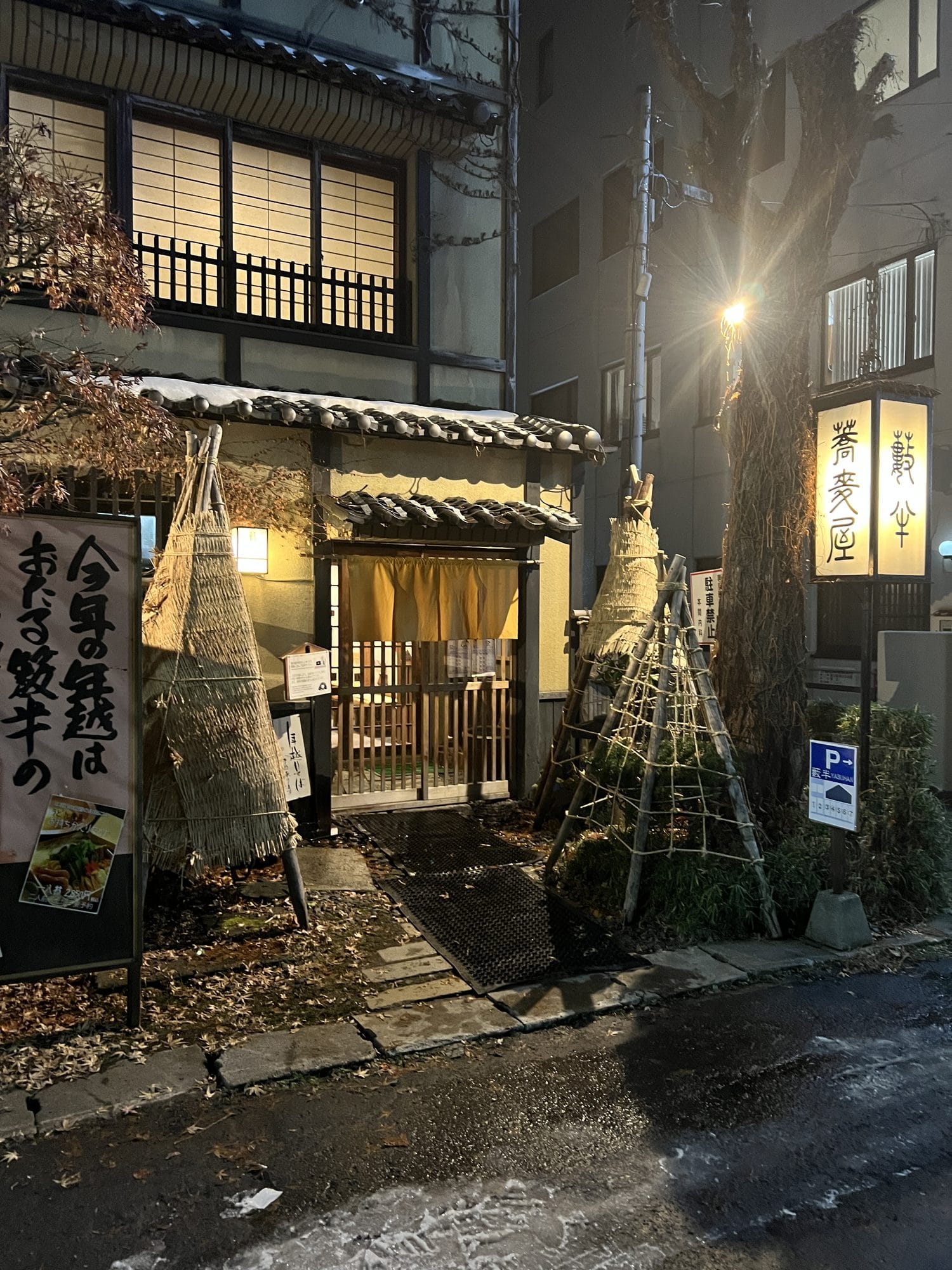
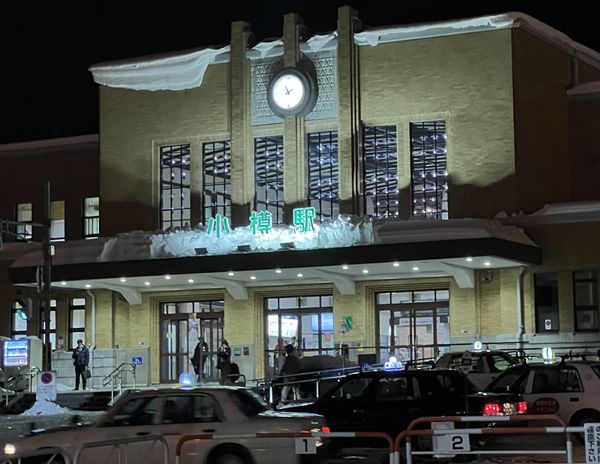
A traditional Japanese inn entrance on a winter evening
Getting to Asarigawa Onsen from the city centre
Asarigawa Onsen is a bus ride from Otaru, not a walk. That distinction matters when you are deciding whether to base there or treat it as a night trip from the canal area. Hokkaido Chuo Bus Route 13 (bound for Asarigawa Onsen or Katsuraoka) departs from the Otaru Station bus terminal, directly in front of the station's main exit. Journey time is approximately 25–30 minutes depending on traffic. The bus stops at Onsensaka-ue (Asari Classe-mae) for the Asari Classe Hotel and continues into the onsen district for the other properties. Services run throughout the day; check the current timetable at the bus stop or through the Hokkaido Chuo Bus English-language route planner.
By car, Asarigawa Onsen is about a 10-min drive from the Asari Interchange on the Sapporo–Otaru Expressway (Route E5). All four Asarigawa properties have on-site parking at no extra charge.
The ryokans do not advertise a regular shuttle service from the station. If you are arriving late or travelling with large luggage, call the property in advance to ask whether a taxi pickup can be arranged — some hotels will help coordinate this informally.
Ryokan vs onsen hotel — what to expect
The Asarigawa properties fall into two distinct categories, and the difference affects both cost and schedule.
Full-service ryokan: Otaru Kourakuen is the area's sole high-end ryokan. Pricing is per person, dinner and breakfast are included, and staff bring kaiseki-style courses to your room or a private dining area. Most rooms have a private open-air bath (kashikiri rotenburo) on the balcony or in the garden. Check-in is from 15:00; checkout by 11:00. Budget roughly ¥20,000–¥50,000 per person depending on the room grade and season.
Onsen hotels (Asarigawa Onsen Hotel, Musashitei, Asari Classe) operate more like standard hotels: you pay per room or per person at a room rate, meals are an optional add-on, and the main draw is access to large communal baths and, in some cases, reservable private-bath rooms. These suit travellers who want the hot spring but prefer to control their dining budget.
- Private baths: included in 28 of Kourakuen's 34 rooms; bookable separately at Musashitei
- Communal baths: available at all four Asarigawa properties
- Meal flexibility: onsen hotels allow dining out; ryokan typically expects guests to eat in
Best Asarigawa onsen stays by price band
Luxury: Otaru Kourakuen
Otaru Kourakuen sits at the entrance to the Asarigawa Onsen district inside a 26,500 sqm garden planted with trees more than 100 years old. Of its 34 rooms, 28 have private open-air baths — a high ratio even by Hokkaido ryokan standards. Kaiseki dinner is served in the room. The combination of garden, private bath, and included meals makes this the most complete Otaru onsen ryokan experience available. Check-in from 15:00, checkout by 11:00. Rates start from around ¥30,000 per person and vary significantly by season and room type.
Mid-range: Otaru Asarigawa Onsen Hotel Musashitei
Musashitei has 47 rooms and the widest amenities package in the mid-range category: large communal baths, an open-air rotenburo, stone saunas, and private-bath rooms available at a supplement. The hotel also has a karaoke room and a kids' play area, which makes it a reasonable choice for families. Rates start from around ¥10,000 per person, with meal plans available as add-ons.
Mid-range: Asarigawa Onsen Hotel
Asarigawa Onsen Hotel is part of the Sasson Resort Group and operates an English-language website with current news and event updates — useful for checking opening hours around public holidays. The hotel runs a restaurant, spa, and sauna. Winter is peak season here due to the proximity of Asarigawa ski resort; availability in December through March can tighten quickly on weekends.
Budget: Otaru Asari Classe Hotel
Otaru Asari Classe Hotel sits directly in front of Asarigawa ski resort with slope views from the windows. At rates from ¥6,300 per person (rates vary by season), it is the lowest-cost entry point into the Asarigawa Onsen area. Public onsen baths are available to all guests. Check-in from 15:00, checkout by 10:00.
City-centre onsen alternatives if you'd rather stay near the canal
Not every traveller wants to take a 30-min bus ride after dinner. If your priority is the Otaru Canal night view and a hot soak, Dormy Inn Premium Otaru Natural Hot Spring covers both without leaving the city.
The hotel is a 1-min walk from JR Otaru Station using the South Exit. Note: the property closed for renovation on April 1, 2026 and reopened on August 1, 2026, with refurbished baths and an automatic-löyly sauna, per its own site at our last check (October 2026). Its rooftop natural-source baths — branded "Akari no Yu" — are complimentary for guests and open from 15:00 to 10:00 the following morning. The setup is a modern business hotel, not a ryokan: there is no room-service kaiseki and no private baths, but the canal is a 10-min walk and Sakaimachi glass district is reachable in under 15 minutes on foot. Rooms start from ¥6,121 per room per night (rates vary by season), which compares well with the Asarigawa budget options when you factor in the lower transport cost.
For a full comparison of Otaru base options, see our Otaru area overview or check canal-side alternatives.
Winter access notes
Asarigawa Onsen is accessible in winter, but conditions add some planning overhead.
- Bus Route 13 operates in winter. After heavy snowfall, services can run late; allow extra travel time and check Hokkaido Chuo Bus's announcements on the day.
- Shuttle or taxi: no scheduled ryokan shuttle runs from Otaru Station. Call the property in advance if you want to arrange a taxi pickup — this is especially worth doing on nights when the bus last service is before your expected arrival.
- Ski season booking: Asarigawa ski resort operates through the winter, and the adjacent Asarigawa Onsen Hotel and Asari Classe Hotel fill quickly on ski weekends in December through March. Book at least three to four weeks ahead for these dates.
- Road conditions: the route between Otaru and Asarigawa Onsen is a maintained road, but icy stretches are common in January and February. If you are renting a car, confirm the vehicle has winter tyres — this is standard with Hokkaido rentals but worth checking.
If winter logistics feel like too much, the Dormy Inn city-centre option keeps you on flat ground near the station, where pavements are more regularly cleared. Read more about why stay overnight in Otaru to decide whether the onsen valley or the canal side suits your itinerary better.
At a glance: top Otaru onsen picks
| Name | Bath type | Meals | Access from Otaru Station | Price range |
|---|---|---|---|---|
| Otaru Kourakuen | Private open-air (28/34 rooms) | Dinner + breakfast included | 25-min bus ride, Route 13 | from ¥30,000/person (varies by season) |
| Musashitei | Communal + bookable private | Optional add-on | 25-min bus ride, Route 13 | from ¥10,000/person (varies by season) |
| Asarigawa Onsen Hotel | Communal, spa + sauna | Optional add-on | 25-min bus ride, Route 13 | from ¥14,500/person (varies by season) |
| Asari Classe Hotel | Public onsen baths | Optional add-on | 25-min bus ride, Route 13 | from ¥6,300/person (varies by season) |
| Dormy Inn Premium Otaru | Natural-source public baths (Akari no Yu) | Breakfast optional | 1-min walk from station South Exit | from ¥6,100/room (varies by season) |
Book an onsen night
For the full Otaru onsen ryokan experience — private outdoor bath, kaiseki served in the room, and a garden walk before breakfast — Otaru Kourakuen is the benchmark. For a more flexible onsen hotel where you control what you eat and when, Musashitei or Asarigawa Onsen Hotel give more options at a lower base price. On a tight budget, Asari Classe puts you in the onsen valley for around ¥6,300 per person. If the 25-min bus ride does not appeal, Dormy Inn Premium Otaru keeps you near the canal with a natural-source soak included (reopened August 2026).
FAQ: Otaru onsen ryokan
What is the difference between Asarigawa Onsen and the city-centre onsen hotels in Otaru?
Asarigawa Onsen is a hot-spring district about 8 km southeast of Otaru Station, reached by a 25–30-min bus ride on Hokkaido Chuo Bus Route 13. It offers four confirmed-open properties ranging from a full-service ryokan (Otaru Kourakuen, from ¥30,000 per person) to a budget ski-season hotel (Asari Classe, from ¥6,300 per person). Dormy Inn Premium Otaru is the city-centre alternative, a 1-min walk from Otaru Station with a natural-source bath; it reopened on 1 August 2026 after renovation.
Do I need to book meals in advance at the Asarigawa Onsen properties?
At Otaru Kourakuen, dinner and breakfast are included in the room rate and kaiseki courses are served in-room or in a private dining area — no separate booking needed, but you choose your room grade when reserving. At Musashitei, Asarigawa Onsen Hotel, and Asari Classe, meals are optional add-ons; you can book the room only and eat elsewhere, or add a meal package at the time of reservation. Confirm the current meal options directly with each property when booking.
Is a car necessary to stay at Asarigawa Onsen?
No. Hokkaido Chuo Bus Route 13 departs from the Otaru Station bus terminal and reaches the onsen district in approximately 25–30 minutes, with stops serving each of the four properties. All four Asarigawa hotels also have free on-site parking, so a car is convenient but not required. If you arrive late or travel with heavy luggage, call the property in advance — some hotels can informally help arrange a taxi from the station.
Can I visit Asarigawa Onsen as a day-tripper without staying overnight?
Several Asarigawa Onsen hotels offer day-use bath access (日帰り入浴), allowing you to soak in the communal baths without booking a room. Availability and hours vary by property and season — contact the individual hotel to confirm current day-use rates and opening times before you go. The bus journey of 25–30 minutes each way makes a half-day excursion practical from Otaru city centre.
Trip Essentials for Otaru
Things worth booking before you land, all in English:
- eSIM — Airalo's Japan eSIM: install it at home and data works as soon as you switch off airplane mode at New Chitose.
- Airport transfer — Klook covers bus, train, and private transfers from New Chitose.
- Tickets and day trips — Klook covers Otaru canal-area activities and Sapporo day trips; booking ahead skips the ticket-window line.
Information audit: Last fact-checked July 2026 · Prices checked July 2026 (all rates are “from” floors that vary by season) · How this guide was researched: hotel facilities, prices and access details are verified against official and primary sources; we have not personally stayed at every property listed. The author stays in Otaru every winter as a Kiroro-commute base · How this site verifies information: About NipponStays.