Hokkaido February Snow Festival Ski Trip: Skiing Around Sapporo and Otaru's Winter Lights
Planning a Hokkaido February snow festival ski trip: Sapporo's Snow Festival and Otaru's candlelit Yuki Akari no Michi overlap for 6 days in 2027.

A Hokkaido February snow festival ski trip works because the two things you're going for don't compete for the same hours. Skiing happens in the morning; Sapporo's Snow Festival and Otaru's candlelit Yuki Akari no Michi both run after dark. Base yourself in Sapporo or Otaru for a week in early-to-mid February 2027 and you can ski by day and walk through both light events without adding a single travel day. The two events overlap for six days in 2027 (Feb 6-11), which is the window to build a trip around. One thing changes the math: the cheapest United award seats of the season aren't available that week, so budget a bit more mileage than the season floor - the difference is smaller than you'd think. Base in Sapporo at JR Tower Hotel Nikko Sapporo (from ¥17,000, checked August 2026) for the festival sites, or in Otaru at Hotel Torifito Otaru Canal (from ¥10,300) for the candles.
What Sapporo, Otaru, and Yoichi's winter light events actually are
None of the events below need to be familiar to you before you go, and English-language guides rarely explain what's actually on the ground.
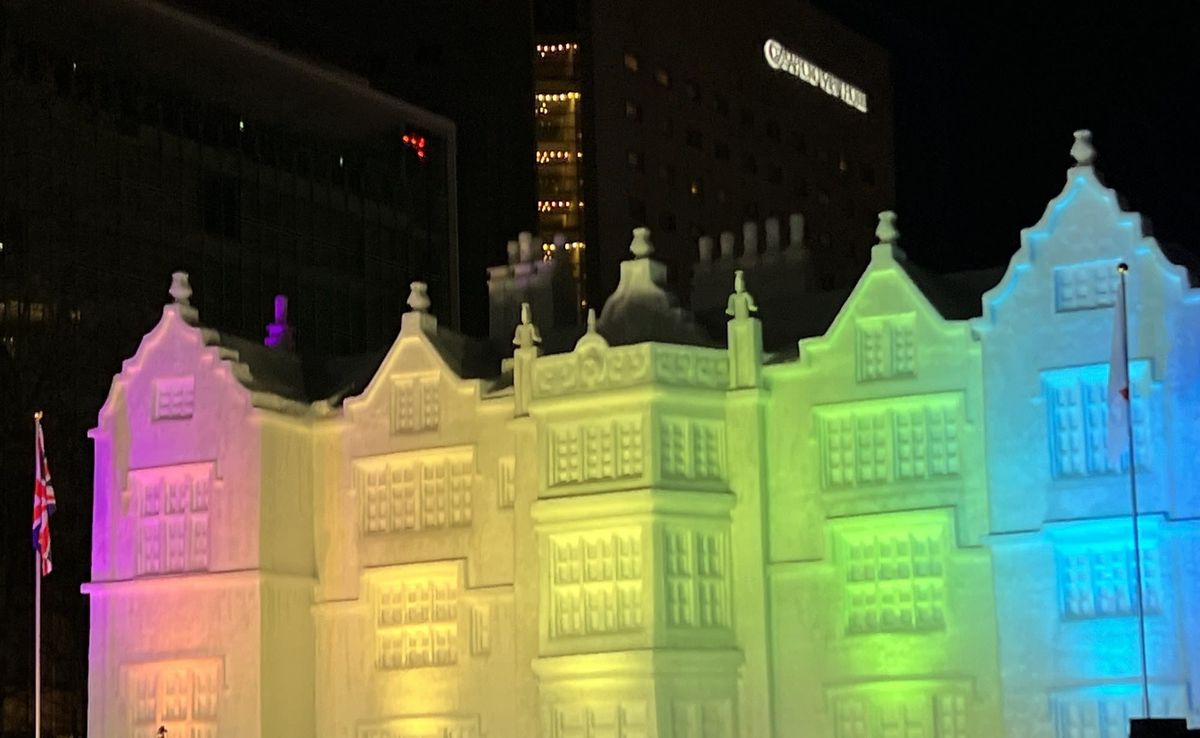
The Sapporo Snow Festival (Yuki Matsuri) is a week-long display of large snow and ice sculptures - some multiple stories tall - built along eleven blocks of Odori Park in central Sapporo, with a separate ice-sculpture street at Susukino and a family zone with snow slides at the Tsudome sports facility. The 2027 edition (the 77th) runs February 4-11, announced by the organising committee for the 77th festival (snowfes.com, checked August 2026) and unchanged across all three venues.
Otaru's Yuki Akari no Michi ("Path of Snow Light") is smaller and quieter: thousands of hand-set candle lanterns and small snow objects, lit after sunset along the Otaru Canal and the former Temiya rail line a few minutes' walk away. The 2027 dates are officially confirmed as February 6-13, announced by the Otaru Tourism Association (otaru.gr.jp, checked August 2026).
Yoichi, one JR stop past Otaru on the same line, has run its own small-scale winter lights display in some past seasons under shifting names and sponsors. We could not confirm whether it's running for 2026-27 or under what name, so treat it as a bonus if you're already passing through rather than a reason to add a day - our Yoichi day-trip guide covers what's reliably open there in winter.
| Event | 2027 dates | Location | What it is |
|---|---|---|---|
| Sapporo Snow Festival | Feb 4-11 (confirmed) | Odori Park, Susukino, Tsudome | Large snow/ice sculptures, ice-sculpture street, family snow zone |
| Otaru Yuki Akari no Michi | Feb 6-13 (confirmed) | Otaru Canal & former Temiya rail line | Candle lanterns and snow objects, lit after dark |
| Blue Canal (Ao-no-Unga), part of Otaru Yuki Monogatari | Nov 1, 2026 - Jan 31, 2027, sunset to 22:30 (checked September 2026) | Otaru Canal, Asakusa-bashi to Chuo-bashi | Separate blue-LED lighting of the canal - a different event, see below |
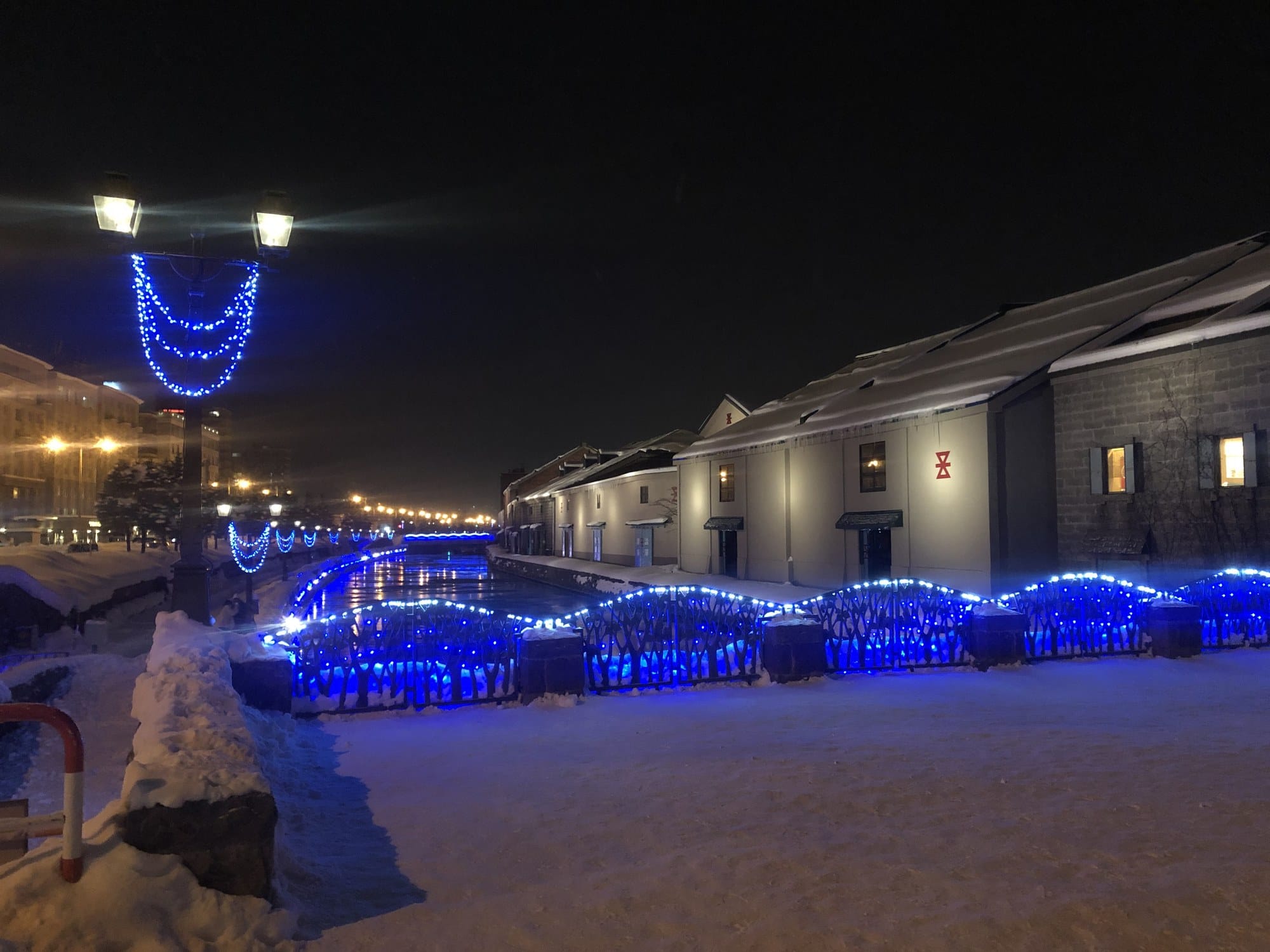
Otaru runs two different winter light events, and English guides mix them up
Otaru has two separate canal illuminations that are frequently described as one thing, and getting the distinction right matters if you're timing a trip around the Snow Festival.
Yuki Akari no Michi is the candle event described above - warm, hand-lit, and scheduled deliberately to sit close to the Sapporo Snow Festival's dates each year. One change lands with the 29th edition in 2027: the floating glass balls on the water switch from candles to electric lights, a decision the organising committee took in June 2026. The snow lanterns along the towpath and at the other venues are still hand-lit, so the event as a whole keeps its character — it is the lights on the canal itself that change. Almost every English-language description still calls the whole thing candlelit, so this is worth knowing before you picture it. The second event, the Blue Canal (Ao-no-Unga), the canal lighting that runs as part of Otaru Yuki Monogatari, strings roughly ten thousand blue LEDs along the same stretch of canal. It's a different production with a different feel, and critically, it runs earlier in the winter: the 2026-27 run is November 1, 2026 through January 31, 2027, lit from sunset to 22:30 (Otaru Tourism Association, checked September 2026). That means if you're flying in for the Snow Festival window in early-to-mid February, the blue canal lights will already be over for the season - Yuki Akari no Michi's candles are the one you'll actually see. Don't build a February trip around the blue lighting; it's a different-season event that happens to use the same canal.
Fitting festival evenings around ski mornings
The whole trick is that skiing and the light events sit on opposite ends of the day, so one base can cover both without a dedicated "festival day."
I've skied Kiroro's last chairs on plenty of February afternoons - lifts there close mid-afternoon, same as most Hokkaido resorts - which leaves a real window to get to Otaru or Sapporo before dinner. If you're flying in on United's new nonstop from San Francisco - which runs three days a week and only until 27 March 2027 - treat the arrival day itself as a transfer day rather than a ski day; our guide to where to spend that first night covers why. From there, a Sapporo or Otaru base lets you ski a resort like Kiroro by day (see our Kiroro lodging guide if you'd rather sleep at the hill and treat the festivals as a single side trip instead) and be back in time to walk Odori Park or the Otaru Canal after dark.
One thing to flag if you're renting a car for any of this: mapping apps around Kiroro will sometimes route you onto roads that are closed for the winter - the mistake I see most often from visitors driving themselves. It's a big enough issue that we've written it up separately - see our Kiroro bus vs. rental car guide before you commit to driving.
The award-price catch for festival week (checked August 2026)
Festival week looks like it should be the expensive week to fly, and on United's new SFO-Sapporo route, that's only half true.
In our August 2026 check of United's full-season award calendar for flight UA234, none of the 14 outbound dates that priced at the saver level of 55,000 miles fell within the Snow Festival or Yuki Akari no Michi windows. The cheapest outbound seat we found for early-to-mid February was 60,500 miles, on a Sunday departure; Wednesday and Friday outbound seats in the same stretch ran 112,000-120,000 miles. One caution: only the 55,000-mile level lined up with the nonstop's operating days in our check, so before booking a 60,500-mile February Sunday, confirm the itinerary shows UA234 rather than a connection - see our breakdown of what drives the 55k-to-150k swing for how to read the calendar. Return seats were unaffected - Monday, Thursday, and Saturday departures out of Chitose priced at 55,000 miles on nearly every date we checked, festival week included.
| Day | Direction | Award level in our Aug 2026 check |
|---|---|---|
| Sunday | Outbound, SFO to CTS | 60,500 miles |
| Wednesday / Friday | Outbound, SFO to CTS | 112,000-120,000 miles |
| Monday / Thursday / Saturday | Return, CTS to SFO | 55,000 miles on nearly every date |
Put those together and a Sunday-out, Thursday-or-Saturday-back trip prices at 115,500 miles - just 5,500 more than the cheapest possible week of the whole 2026-27 season (110,000 miles, the 55k-plus-55k floor). Miles are only part of it: taxes are about ¥900 leaving San Francisco but ¥9,570-¥12,070 leaving Japan, so either round trip still costs roughly ¥10,500-¥11,300 in cash (checked August 2026). The intuition that "festival week must be the expensive week" doesn't really hold once you look at actual dates rather than a single headline number; see our full breakdown of why the same seat prices at 55,000 or 150,000 miles for how the calendar behaves the rest of the season.
Where to stay for this specific trip
Sapporo and Otaru both put you within walking distance of one event and a short ride from the other, so the choice comes down to which canal or park view you'd rather wake up to.
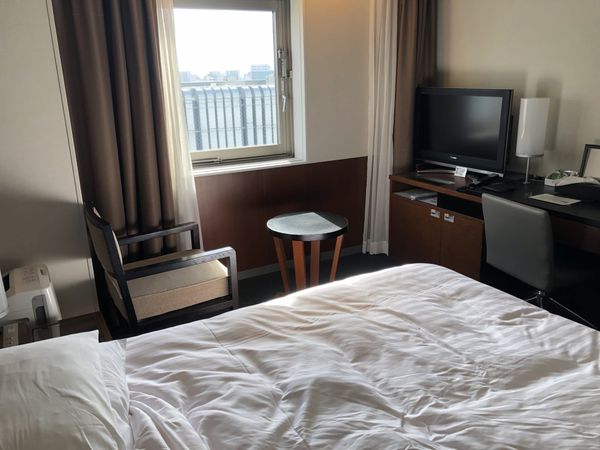
JR Tower Hotel Nikko Sapporo sits directly above Sapporo Station, a 13-min walk from Odori Park and the festival's main venue, from ¥17,000 a night, varies by season (checked August 2026). In Otaru, Hotel Torifito Otaru Canal is a 3-min walk from the canal itself, right on Yuki Akari no Michi's route, from ¥10,300, varies by season. Dormy Inn Premium Otaru is a 1-min walk from Otaru Station with a natural hot-spring bath, useful after a ski day, from ¥6,100, varies by season.
| Name | Area | Price range | Best for |
|---|---|---|---|
| JR Tower Hotel Nikko Sapporo | Sapporo Station | from ¥17,000, varies by season | Direct station access; 13-min walk to Odori Park |
| Hotel Torifito Otaru Canal | Otaru | from ¥10,300, varies by season | 3-min walk to the canal and Yuki Akari no Michi |
| Dormy Inn Premium Otaru | Otaru | from ¥6,100, varies by season | 1-min walk to Otaru Station; onsen bath |
For a longer stay-and-ski comparison of both towns, our Sapporo skiing accommodation guide, Otaru canal hotel guide, and Otaru hotels for Kiroro skiers go deeper on neighborhood and transfer trade-offs than we can cover here. If you're building the whole week around the festivals specifically, our Sapporo Snow Festival accommodation guide covers booking timing and neighborhood picks in more detail.
What the crowds are actually like, and booking timing
Snow Festival week is one of the busiest of Sapporo's winter, and it fills hotels well before it fills the streets.
Odori Park itself doesn't feel packed the way a summer festival does - the sculptures are spread across eleven blocks, so the crowd thins out once you're past the two or three biggest pieces near the Sapporo TV Tower end. Evenings and weekends draw the most people; a weekday walk-through after dinner is noticeably quieter. The pressure point isn't the sculptures, it's lodging: rooms in both Sapporo and Otaru sell out for festival week well ahead of the dates, and prices climb accordingly, so this is one of the few Hokkaido trips worth booking further out than the usual month-or-two window. If your ski days matter more than the festival specifically, you have more flexibility - staying a night or two before or after the peak crowds still gets you both events with an easier lodging search.
If festival week is also your ski week, the airport you fly into shapes the trip more than the city you sleep in. Asahikawa Airport publishes on-time rates of 99% or better across four consecutive fiscal years, while New Chitose runs winter cancellation rates of roughly 2–5%; Asahikawa vs Sapporo as a winter base follows that through to which city to book.
FAQ: Skiing around Hokkaido's February festivals
Do the Sapporo Snow Festival and Otaru's Yuki Akari no Michi actually overlap in 2027?
Yes. The Sapporo Snow Festival runs February 4-11, 2027, and Otaru's Yuki Akari no Michi runs February 6-13, 2027 - both officially confirmed. That gives a six-day window, February 6-11, when both are running at once, which is the best stretch to build a combined trip around.
Will I see Otaru's blue canal lights or the candle event in February?
The candles. Otaru's blue-LED canal illumination runs November 1, 2026 to January 31, 2027, so it ends before the Snow Festival window opens. Yuki Akari no Michi, the candle-lit event, is timed to sit inside festival week specifically, so a February visit lines up with that one.
Can I ski Kiroro during the day and still make the evening light events?
Most Hokkaido resorts, Kiroro included, close their lifts in the mid-afternoon, which leaves enough daylight to reach either Sapporo or Otaru before dinner. Exact drive or transfer times depend on conditions and which route you take, so check a dedicated transfer guide for the day you're planning rather than assuming a fixed number.
Does flying during festival week cost more United miles than other weeks?
A little, not dramatically. In our August 2026 check, the cheapest outbound seat available in the festival window was 60,500 miles rather than the season-low 55,000, putting a round trip at 115,500 miles against a season floor of 110,000 - a difference of only 5,500 miles, not the multiple you might expect from "peak week" pricing.