Kiroro Accommodation: Where to Stay Slope-Side or in Otaru
Slope-side (Club Med, Yu Kiroro) or Otaru base? A practical guide to where to stay in Kiroro with costs, commute times and who each option suits.
Deciding where to stay in Kiroro comes down to trip length. For 1–3 nights, the slope-side hotels — Club Med Kiroro Grand or Club Med Kiroro Peak — give you ski-in/ski-out convenience and an all-inclusive package that eliminates daily decisions; Grand rates start from ¥160,000 per night for up to two (rates vary by season; checked August 2026). For four or more nights, basing yourself at Authent Hotel Otaru (from ¥10,000 per night, rates vary by season) and commuting 40–50 minutes each morning by ski bus is the smarter call — the sushi and cost savings are real. The condition that changes the answer: short trip, go slope-side; longer stay, go Otaru.
Of the 5 options covered in this guide, 3 are slope-side ski-in/ski-out properties and 2 are Otaru commute bases; the price gap between the cheapest commute base (from ¥10,000) and the most expensive slope-side option (from ¥80,000) spans a factor of 8, making this one of the wider stay-choice spreads among Hokkaido ski resorts (checked July 2026).
The one decision that shapes your Kiroro trip
Deciding where to stay in Kiroro comes down to a single question before you book anything else: do you sleep on the mountain, or do you base yourself in Otaru and commute each morning? Kiroro Snow World sits in Akaigawa Village, about 43 km west of Sapporo and 28 km from Otaru. Every other decision — budget, dining, evening plans — follows from that one call.
Some links in this guide are affiliate links. If you book through them, we may earn a commission at no extra cost to you.
The two options are genuinely different experiences, and neither is wrong. I'd put it this way: slope-side is easy and cocooned; Otaru-base is flexible and delicious. The rest of this guide lays out exactly what you get with each, so you can match the choice to your trip length, your group, and what you actually want from a ski holiday.
Quick note before we go further: the regular crowd at Kiroro has a running joke that they're not supposed to tell foreigners about this place — "it gets crowded." So consider what follows strictly between us.
Kiroro basics: terrain, lifts, season and snowfall
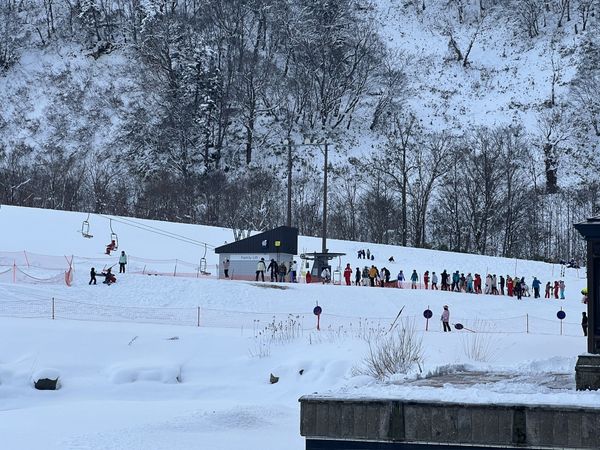
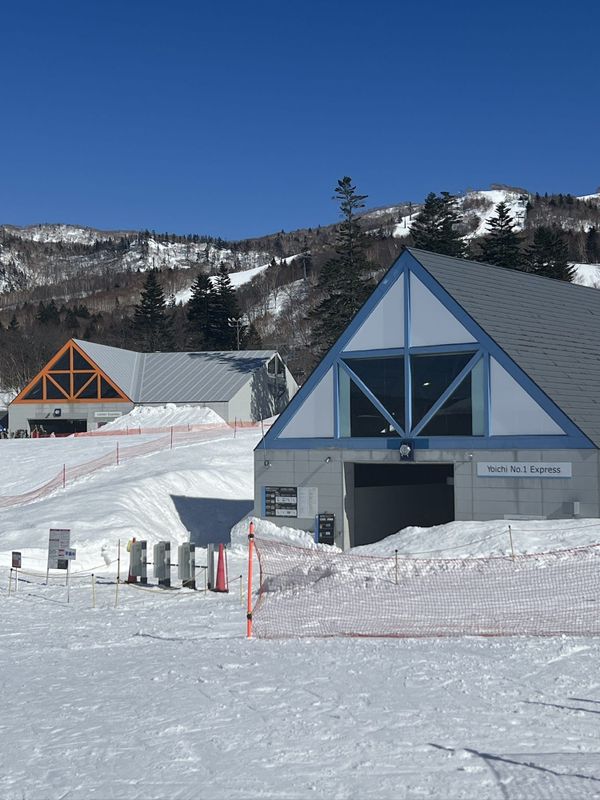
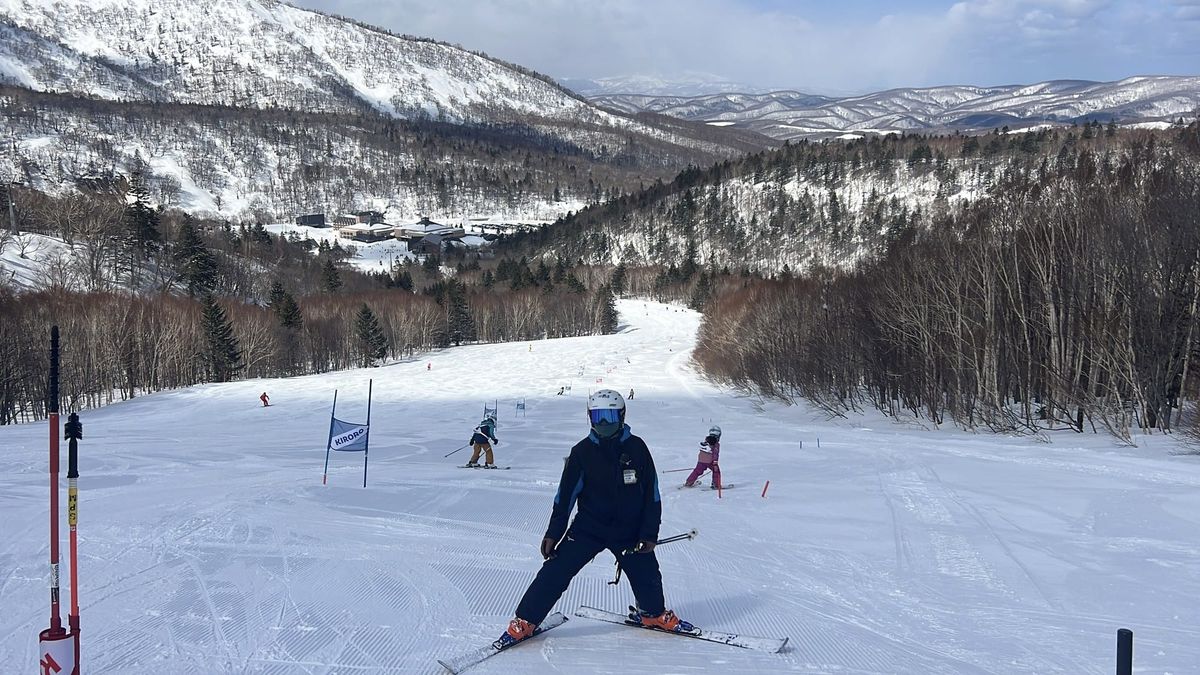
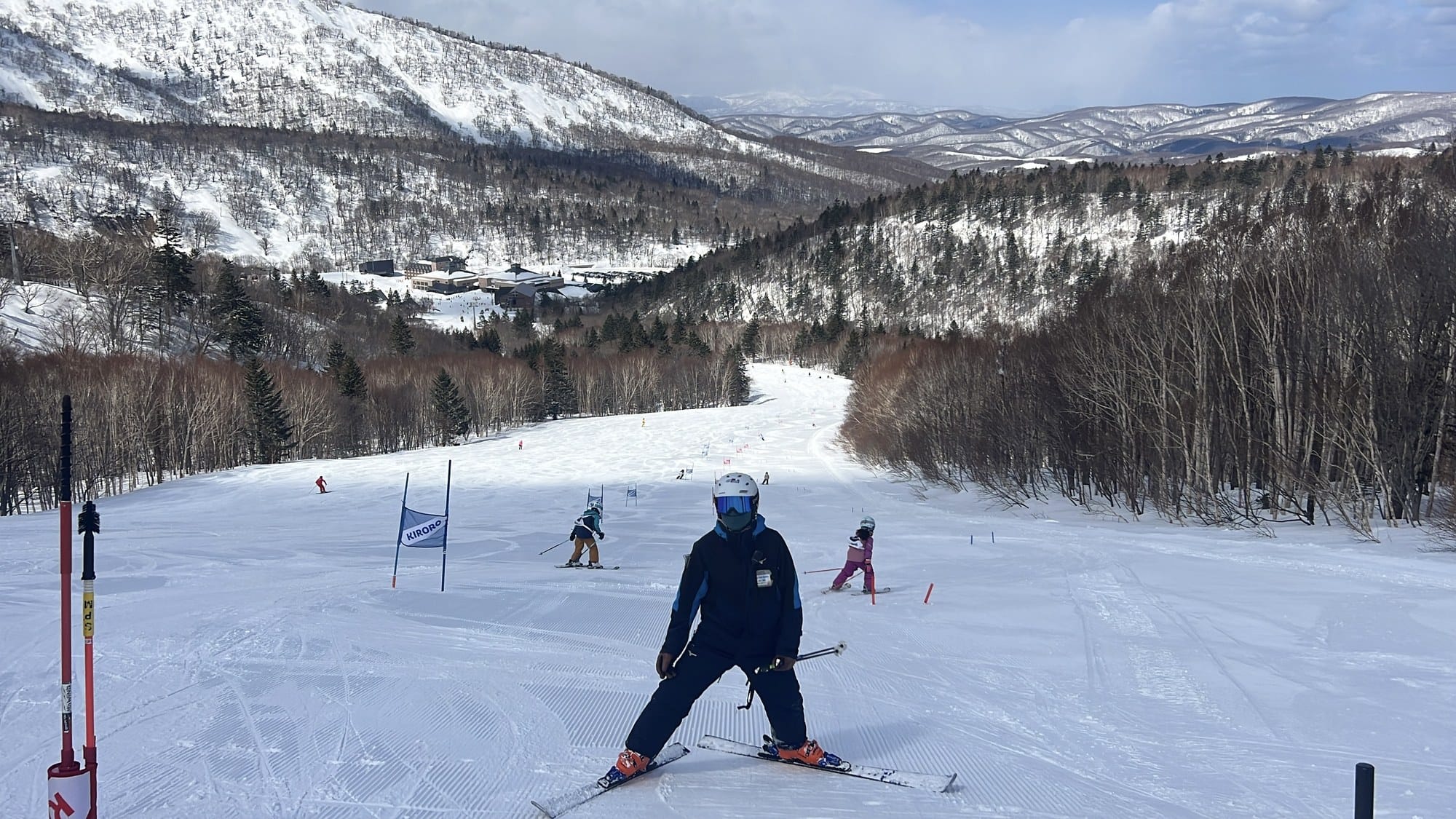
Kiroro Snow World spreads across two peaks, Asari and Nagamine, served by a lift network that includes a 6-person gondola, a hybrid 8-person gondola, four quad chairlifts and four pair lifts — three of which actually run, as the Asari No.1 pair has not turned for three seasons, through 2025–26. The resort has 23 marked runs with a spread suited to all levels — a solid mix of gentle groomers for beginners and families, wider intermediate cruisers, and steeper advanced lines on the upper mountain. Off-piste zones within the boundary add further variety for more experienced skiers.
- Season 2025–26: November 29, 2025 – May 6, 2026
- High season: December 13, 2025 – April 5, 2026, lifts 9:00 am – 4:00 pm
- Night skiing: The Center Express lift runs until 7:00 pm during high season, so you can ski into early evening and still make a 7:30 pm dinner reservation
- Annual snowfall: Kiroro consistently accumulates deep powder; exact seasonal totals vary and figures in circulation are aggregator estimates — what regulars observe is frequent powder days from late December through February
- Off-piste: Kiroro permits off-piste skiing within marked boundary zones — a rare and welcome policy in Japan
The resort is in Akaigawa Village, which means no convenience store steps from your door (unlike Niseko). Plan accordingly, though the Mountain Centre on-site covers most practical needs.
Every place you can stay at Kiroro — the complete list
Kiroro has exactly three slope-side properties: Club Med Kiroro Grand, Club Med Kiroro Peak and Yu Kiroro. There is no fourth ski-in option, no village of pensions at the lift base and no budget bunkhouse on the hill. That single fact drives almost every accommodation decision here, and it is why so many visitors end up sleeping off-mountain.
Step away from the resort and the options open in two directions: Akaigawa, the village Kiroro sits in, and Otaru, 40–50 minutes away.
Akaigawa and Yoichi: the low-cost alternative, if you have a car
Drive roughly 30 minutes from the lifts toward Yoichi and the price of a bed drops sharply. These are small, family-run places; book early and expect to arrange it in Japanese.
- Pension Akaigawa (ペンションあかいがわ) — seven rooms sleeping up to 24, in Akaigawa village itself. Tel 0135-34-6686.
- Hirune no Sato (ひるねの里) — a three-room minshuku sleeping eight, with an organic-JAS-certified farm of its own and home-smoked bacon at dinner. Tel 0135-34-6232.
- A-Vrand Hotel & Golf Club (エーヴランドホテル) — 24 rooms in Yoichi, from ¥8,500 per person, open through the winter. About 30-min drive from Otaru Station, 7 minutes from the Yoichi interchange.
- The Yurts at Margo’s Garden(Margo’s Garden Farmstay)— a working farm in Akaigawa, the same village as the resort, with yurts, a cottage and two barn apartments. The drive from the ski area is short, which the property’s own description of snowmobiling out to the yurts in winter does not make obvious. Booking is mostly direct.
One condition applies to Margo’s Garden and not to the others: dinner. There is nowhere nearby to eat, so the evening is either cooked in the unit or driven back down toward Otaru — our guide to where to eat at Kiroro covers what is open on the mountain if you would rather eat before leaving. That makes it a stay for people who want a night that is not another hotel room and who are happy to sort their own evening meal, and a poor fit for anyone expecting to walk to dinner. Meals, minimum stays and winter rates are not published, so confirm them when you enquire.
The catch is transport. A-Vrand has discontinued its shuttle service and the Akaigawa guesthouses were never on a ski-bus route, so every option in this section needs a rental car on winter tyres. The road between Kiroro and Yoichi crosses open country that drifts in a storm. If you are not driving, these are not options and Otaru is the answer instead.
Quick comparison: slope-side vs Otaru base
| Base | Best for | Price range (per night) | Trade-off |
|---|---|---|---|
| Club Med Kiroro Grand | Families with young children; all-inclusive simplicity | from ¥160,000 for up to two (rates vary by season) | Dining variety gets samey after 4–5 days |
| Club Med Kiroro Peak | Couples, adult groups, teens; quieter atmosphere | from ¥55,000 (rates vary by season) | No kids-club; ditto on dining after a long stay |
| Yu Kiroro | Luxury groups and families; longer stays with a kitchen | from ¥80,000 (rates vary by season) | Premium price; self-catering needed for true variety |
| Authent Hotel Otaru | Cost-conscious skiers; evening sushi priority | from ¥10,000 (rates vary by season) | 40–50 min commute each morning; early start required |
| Grand Park Otaru | Groups and families; comfort + Otaru nightlife | from ¥12,000 (rates vary by season) | Same commute; check early breakfast availability |
Option A — stay slope-side: Club Med all-inclusive and Yu Kiroro luxury
There are three hotels physically on the mountain: Club Med Kiroro Grand, Club Med Kiroro Peak, and Yu Kiroro. All three offer true ski-in/ski-out access, meaning you click in at the door and ski to the lift without a road crossing.
Club Med Kiroro Grand
The Grand is the family flagship. Kids' Club accepts children from age 2 for non-ski programs and from age 4 for ski lessons through the Mini Club Med program. An indoor heated pool is at the Grand, and the all-inclusive package covers meals, the open bar, and lift tickets — the core expenses are prepaid before you land. Check rates at Club Med Kiroro Grand.
Club Med Kiroro Peak
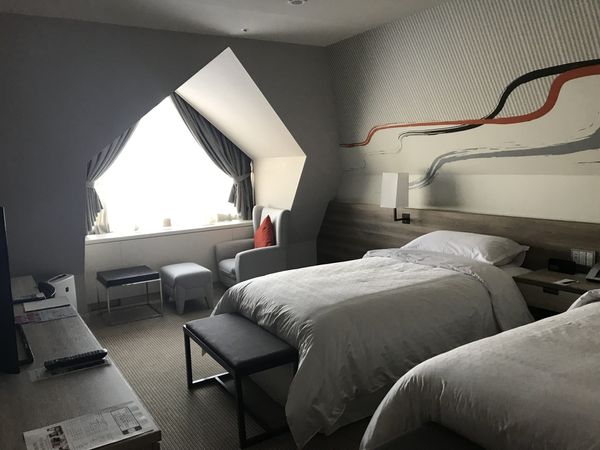
The Peak sits higher on the mountain and skews adult — minimum age 12, no kids-club facilities. It has a quieter atmosphere and is rated slightly more upscale than the Grand. Guests staying at the Peak can use the Grand's facilities (pool, kids areas) but not vice versa. If you are choosing between the two, the Club Med Kiroro Grand vs Peak comparison works through the difference room by room. Check rates at Club Med Kiroro Peak.
Yu Kiroro
Yu Kiroro is a five-star residence-style property — condo units with kitchens, ranging from studios to multi-bedroom configurations. The ski-in/ski-out access is genuine: ski valet service handles your gear between runs. It suits groups or families on longer stays who want to self-cater for some meals and add variety that way. Dining on-site is available; for specifics on the current restaurant configuration, see the Yu Kiroro guide. Check rates at Yu Kiroro.
The evening flow when you stay slope-side
Night skiing on the Center Express lift runs until 7:00 pm during high season. In practice that means: last lift up around 6:30, ski down, trade boots for slippers in the changing room, and walk directly into the resort's bar or restaurant. No transfers, no waiting for a shuttle in ski boots. For a 3- or 4-night trip this flow is genuinely satisfying.
Looking for the Sheraton or the Tribute hotel?
Neither name exists at Kiroro any more, and several guides still list them as if they do. Both slope-side hotels were taken over by Club Med and reopened as all-inclusive resorts:
- Sheraton Hokkaido Kiroro Resort is now Club Med Kiroro Peak. It reopened under Club Med in December 2022 with 126 rooms and a minimum age of 12.
- The Kiroro, a Tribute Portfolio Hotel is now Club Med Kiroro Grand. It reopened in December 2023 with 261 rooms as the family property, three minutes by gondola from the Peak.
The practical difference is how you budget. Both were room-only bookings before the change; both are all-inclusive now, so meals, drinks and lift passes are prepaid rather than added on the mountain. I stayed on the mountain in 2018 when it was the Sheraton, and again over New Year in 2021–22 when it was the Tribute, so the comparisons here draw on both the old and current versions of these buildings.
The honest catch: on-slope dining gets samey after a few days
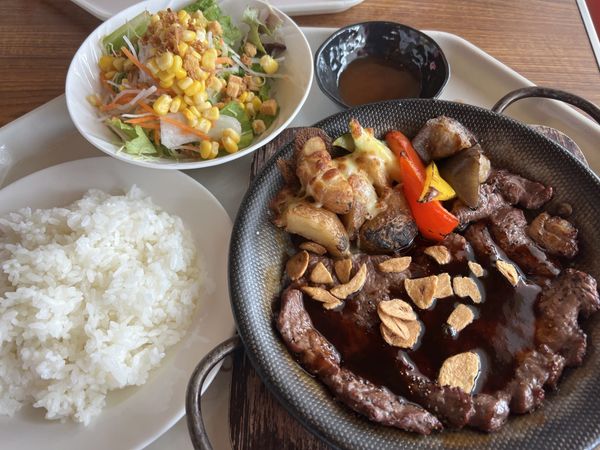
I'll be straight with you. Kiroro is a small mountain village. The dining options within the slope-side hotels — while competent — are limited. After 4 or 5 nights, even an all-inclusive package starts to feel repetitive. Club Med rotates its buffet, and Yu Kiroro gives you a kitchen to work with, but you're still eating in the same building every evening.
This is not a criticism of the individual restaurants; it's a structural reality of staying on a remote mountain. If your trip is 3 nights or fewer, this won't bother you at all. If you're planning a full week, it's worth factoring into the decision.
Option B — base in Otaru and commute: nightly sushi, lower cost, more variety
Otaru is a port city 28 km from Kiroro with a reputation for some of the best seafood in Hokkaido. Sushi restaurants line Otaru's central streets, most are moderately priced, and many are excellent. For regulars who visit Kiroro multiple times a season, the combination of skiing by day and proper sushi by night is, frankly, the main draw.
The commute runs on two options: the Hokkaido Access Network ski bus, or a rental car.
The bus
Hokkaido Access Network Co., Ltd. (access-n.jp) operates a daily ski bus on the Otaru–Kiroro route throughout the season (December–April in 2025–26). Reservations open online; you book via the Access Network website and the bus departs from points near Otaru Station. Sapporo is also covered with a direct Sapporo–Kiroro service, with five pick-up points around the city.
One practical note: these buses fill up well in advance during peak weeks. I've seen the early-January and February powder dates sell out more than a month ahead. Book when you book your hotel, not the week before you travel.
Buses from Otaru to Kiroro are included as part of some packages — check the Access Network site for the free shuttle service that runs between the Tabist The Green Otaru stop and the resort.
The rental car
Driving gives you flexibility: first tracks on a powder morning, the ability to stop for breakfast at your own pace, and access to smaller nearby resorts on days when conditions dictate a change. The road from Otaru to Kiroro crosses a mountain pass and is maintained in winter, but expect compact snow and possible ice. Winter tyres are mandatory and all rentals will have them, but if you are not comfortable driving on compressed snow or in whiteout conditions, the bus is the safer call. For a full breakdown, see our bus vs rental car guide.
Where to stay in Otaru
The two hotels most commonly used as a Kiroro base are Authent Hotel Otaru and Grand Park Otaru. Both are operating in 2024–25. Authent Hotel Otaru is a 5-min walk from JR Otaru Station and offers straightforward accommodation; Grand Park Otaru is close to Otaru-Chikkō Station. For a skier's-eye view of which to pick — bus stop proximity, early breakfast, luggage drying — see Otaru hotels for Kiroro skiers.
From a cost perspective, Otaru accommodation typically runs from ¥10,000–¥20,000 per night, versus the all-inclusive slope-side rates that start from ¥160,000 for up to two. Even accounting for lift tickets, food and transport, the Otaru base can come out materially cheaper for two or more people — especially on a week-long trip.
A word on Kiroro's ski school
One reason families choose Kiroro over other Hokkaido resorts is the school infrastructure. The Kiroro Kids Academy accepts children from age 3 for skiing (age 7 for snowboarding), with English-language instruction available. An International Ski and Snowboard Academy runs private English and Chinese-language lessons for all ages and levels. Third-party operators like Chase for Snow also offer certified English-language instruction at Kiroro.
Progression varies by child, but the programme is structured around proper technique — parallel turns are introduced early, not just snowplough. Some kids reach intermediate terrain within a week; individual results depend on age, prior experience and natural aptitude. Regulars at Kiroro bring their children back year after year specifically for the school. For more detail, see our family ski school guide.
Practical tip: the on-site ski shop
Kiroro Station rental shop sits on the first floor of the Mountain Centre and is open every day from December through March. Equipment covers skis, snowboards, and clothing for adults and children, from entry-level to premium powder models. Goggles, gloves and hats are available to purchase. In practice, if you forget something at the hotel or your bindings need adjusting, the Mountain Centre is the answer. You don't need to panic-order from a city shop the night before.
Kiroro vs Rusutsu vs Tomamu: what actually differs
These three get compared constantly because they are the Hokkaido resorts with large destination hotels attached. Having skied all three, the real differences are narrower than the marketing suggests — and they do not all point the same way.
- Snow quality — Kiroro. It sits in a snow pocket off the Sea of Japan and holds dry snow well.
- Crowds — Kiroro. Lift queues build on far fewer days than at Rusutsu or Tomamu.
- Night skiing — no meaningful difference. All three run comparable operations, so this should not decide your booking.
- Dining variety — Rusutsu and Tomamu, clearly. Both have more places to eat than Kiroro, and on a stay of four nights or more you feel the gap.
Put plainly: come to Kiroro for the snow and the space, and accept that you will eat the same rotation. If dining variety matters to you more than snow quality, Rusutsu or Tomamu suit you better — or base in Otaru and get both. If those two are your shortlist, the Rusutsu vs Tomamu comparison covers how they differ.
How to choose: by trip length, budget and group
Here is the framework I'd use:
Coming from the US mainland, trip length is decided for you first. United's San Francisco nonstop runs three days a week from 11 December 2026, so the practical stays are fixed lengths — how many nights that makes sets them out, and flying with skis on United covers getting your own gear here.
- 1–3 nights, any group: Stay slope-side. The no-transfer convenience is worth it, and you won't hit dining fatigue.
- 4–7 nights, family with young children (ski school): Club Med Grand for the full kids-club integration, or Yu Kiroro if space and a kitchen matter. Budget for it.
- 4–7 nights, couples or adult group: Club Med Peak for the adults atmosphere, or Otaru base if you value dining variety and are comfortable with the morning commute.
- 7+ nights, any group: Otaru base, full stop. The food variety pays off, the cost savings are real, and you can mix in other nearby resorts by car on lower-snowfall days.
- Powder chasers: Rental car from Otaru gives you the flexibility to choose the mountain on the morning of, based on where the overnight snowfall landed. Regulars check snow-forecast apps to see which of the Hokkaido resorts accumulated overnight — and then drive accordingly. For context on how Kiroro compares to Niseko on snow and crowds, see that guide.
At-a-glance: top picks by traveler type
| Name | Area | Price range | Best for |
|---|---|---|---|
| Club Med Kiroro Grand | Slope-side, Kiroro | from ¥160,000 for up to two (rates vary by season) | Families with kids under 12; first-time all-inclusive ski trip |
| Club Med Kiroro Peak | Slope-side, Kiroro | from ¥55,000 (rates vary by season) | Couples and adult groups; quieter evenings; ski-heavy trip |
| Yu Kiroro | Slope-side, Kiroro | from ¥80,000 (rates vary by season) | Luxury groups; longer stays; ski-in/ski-out with kitchen |
| Authent Hotel Otaru | Otaru (commute base) | from ¥10,000 for two (rates vary by season) | Budget-conscious skiers; sushi-prioritising repeat visitors |
| Grand Park Otaru | Otaru (commute base) | from ¥12,000 for two (rates vary by season) | Families and groups wanting Otaru access with more space |
Next steps
Once you have settled on slope-side or Otaru base, the logical next reads are:
- The two Club Med options — Grand vs Peak, what the all-inclusive covers, and who each suits
- Yu Kiroro ski-in/ski-out — residence layout, kitchen, and the luxury case
- Basing in Otaru and commuting — daily logistics, morning timing, and what the commute actually feels like
- Getting to Kiroro from the airport or Sapporo — transfer options and the book-early warning
- Using Sapporo as a ski base — if you want a city-centre base with day trips to multiple Hokkaido resorts
Book the bus or transfer as soon as you confirm your dates. Hokkaido ski-bus seats fill up faster than most visitors expect, particularly for powder-season dates in January and February.
Trip Essentials for Kiroro
Things worth booking before you land, all in English:
- eSIM — Airalo's Japan eSIM: install it at home and data works as soon as you switch off airplane mode at New Chitose Airport. Comparing providers? See our Japan eSIM guide.
- Airport transfer — Klook covers bus, train, and private transfers from New Chitose Airport.
- Tickets and day trips — Klook covers Hokkaido ski passes, lessons, and Sapporo day trips; booking ahead skips the ticket-window line.
The full Kiroro planner
This guide is the free version. If you want the whole trip decided — every base compared, every route from New Chitose priced and timed, the winter-driving reality, ski school, the season-pass maths, and where to eat in Otaru and Yoichi — that is The Kiroro & Otaru Ski Trip Planner (13 chapters, from US$11.99, with a mobile version and a cost calculator).
FAQ: Where to Stay in Kiroro
Which Kiroro accommodation suits families with young children?
Of the three slope-side hotels, only Club Med Kiroro Grand has a Kids' Club — it accepts children from age 2 for non-ski programs and from age 4 for ski lessons through the Mini Club Med program, plus an indoor heated pool, and rates start from ¥160,000 per night for up to two (rates vary by season; checked August 2026). Club Med Kiroro Peak has a minimum age of 12, so younger families are ruled out there. Yu Kiroro suits families who would rather have a kitchen and separate bedrooms than an all-inclusive package. Basing in Otaru costs less — Authent Hotel Otaru is from ¥10,000 per night — but adds a 40–50 minute commute each way with ski gear. For the Grand-versus-Peak detail, see the Club Med Kiroro Grand vs Peak comparison.
How far is Otaru from Kiroro, and how does the ski bus work?
Otaru is 28 km from Kiroro Snow World, and the daily ski bus operated by Hokkaido Access Network Co., Ltd. (access-n.jp) covers the route throughout the season (December–April in 2025–26). The bus departs from points near Otaru Station; Sapporo is also served with a direct service from five pick-up points. Peak-week dates in early January and February sell out more than a month ahead — book the bus when you book your hotel.
What is the cheapest way to ski Kiroro?
The lowest-cost base in this guide is Authent Hotel Otaru at from ¥10,000 per night, rates vary by season — a 5-min walk from JR Otaru Station with straightforward accommodation and a direct ski-bus connection to Kiroro. From a total-trip perspective, the Otaru base combined with lift tickets and transport costs often comes out materially cheaper than the all-inclusive slope-side rates starting from ¥160,000 for up to two, especially for two or more people on a stay of four nights or more.
Can children learn to ski at Kiroro?
Yes. The Kiroro Kids Academy accepts children from age 3 for skiing and age 7 for snowboarding, with English-language instruction available. An International Ski and Snowboard Academy runs private English and Chinese-language lessons for all ages. Third-party operators such as Chase for Snow also offer certified English-language instruction at the resort. The programme focuses on proper technique — parallel turns are introduced early rather than just snowplough — and some children reach intermediate terrain within a week depending on age and prior experience.
Information audit: Last fact-checked July 2026 · Prices checked July 2026 (all rates are “from” floors that vary by season) · 2026–27 ski season: bus schedules, lift hours and fares shown are based on official 2025–26 announcements and will be updated when 2026–27 details are released. · How this guide was researched: hotel facilities, prices and access details are verified against official and primary sources; we have not personally stayed at every property listed. The author skis Kiroro roughly eight trips a season and commutes from Otaru · Personally stayed: Authent Hotel Otaru — eight-plus stays across multiple winters since 2020; stayed on-mountain in 2018 when this property operated as the Sheraton Hokkaido Kiroro (pre-rebrand); stayed several times in 2021–22, including New Year, when this property operated as The Kiroro, a Tribute Portfolio Hotel (pre-rebrand); Grand Park Otaru — multiple stays, 2022–2023 — all stays paid by us; no complimentary stays · How this site verifies information: About NipponStays.