Kiroro vs Niseko Powder, Crowds and Price Compared (2026–27 Season)
Kiroro vs Niseko: same Hokkaido powder, fewer crowds, lower lift prices. Compare snow, access times and hotels to decide which resort suits your trip.

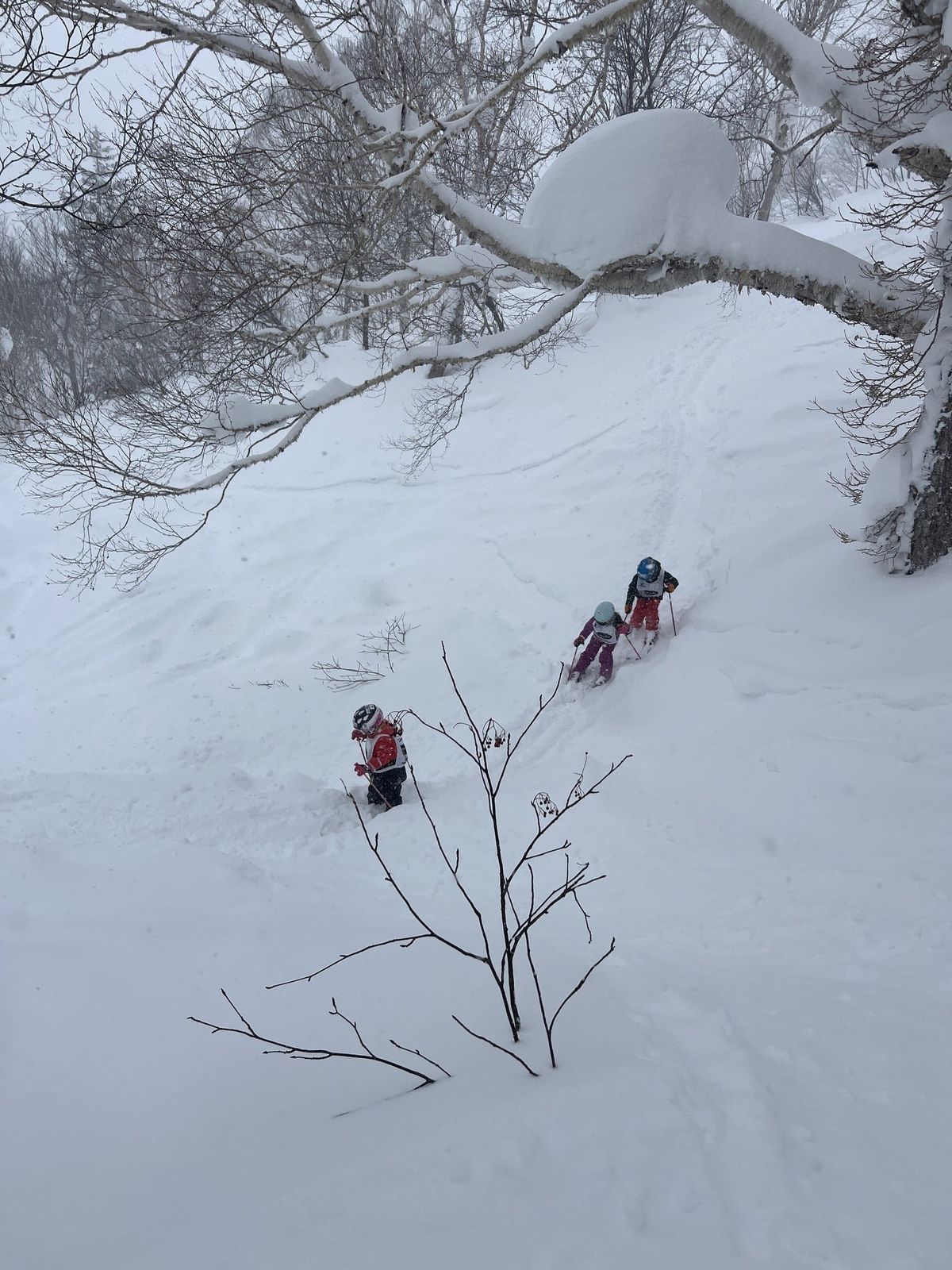
The Kiroro vs Niseko powder debate comes down to one core question: do you want the destination everyone has heard of, or the mountain where the same snow stays untracked longer? Both sit in the same Hokkaido range, both catch the same Sea of Japan moisture, and both earn the "Japow" label. The differences are in the crowds and the price tag — and this article runs the comparison across the five things that matter most before you book: snow, queues, cost, English support, and how you get there.
Some links in this guide are affiliate links. If you book through them, we may earn a commission at no extra cost to you.
Of the 4 accommodation options covered for Kiroro in this guide, 3 are slope-side or ski-in/ski-out (Yu Kiroro, Club Med Kiroro Grand, and Club Med Kiroro Peak) and 1 is a commuter base in Otaru starting from ¥10,000 per night (checked July 2026).
The short answer — same snow belt, fewer people, lower prices at Kiroro
Kiroro and Niseko sit in the same Hokkaido mountain range, both catching the cold air mass that rolls in off the Sea of Japan and drops the light, dry powder that Japan is famous for. For a typical week's holiday, you are unlikely to notice a meaningful difference in snow quality between them. The practical differences are in the people and the price tag.
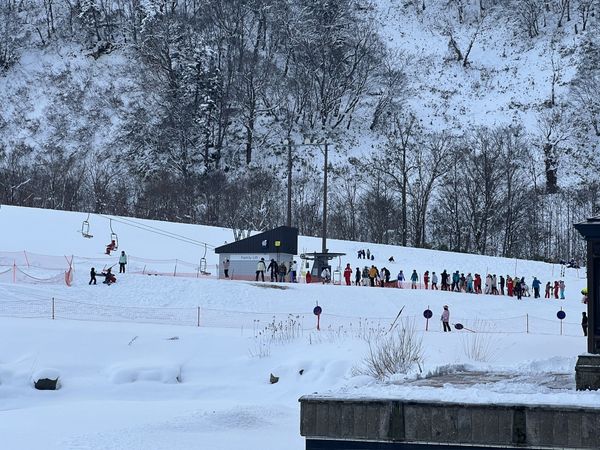
Niseko United is the most-visited ski area in Japan and one of the best-known powder destinations in the world. That reputation draws crowds. On a confirmed powder day, Niseko's main lifts queue up before the 8:30 a.m. opening. Kiroro is calmer — not empty in January, but calmer — which changes the whole rhythm of a ski day. You spend more time skiing and less time waiting.
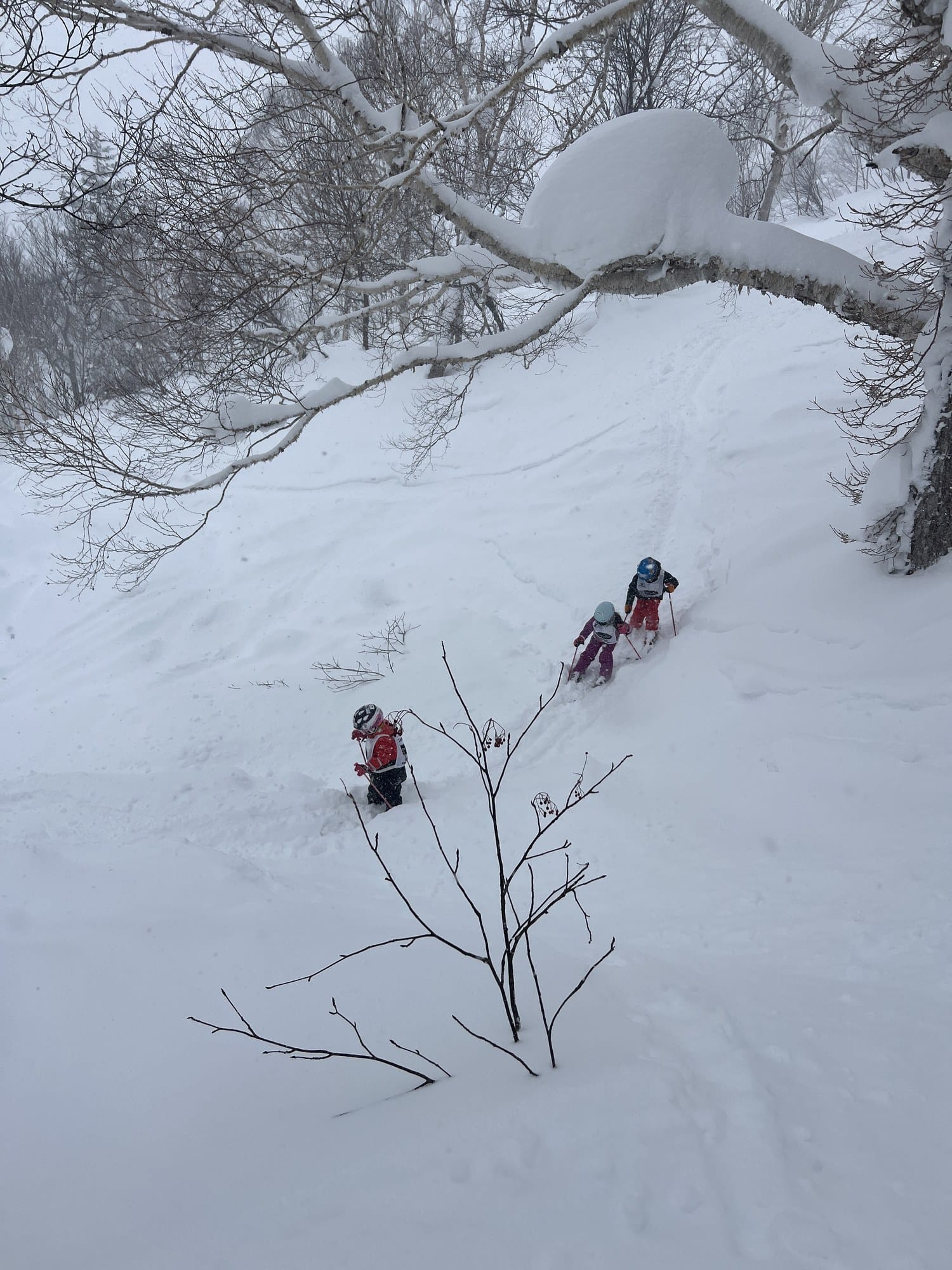
At-a-glance: Kiroro vs Niseko quick compare
| Factor | Kiroro | Niseko United |
|---|---|---|
| Annual snowfall | ~17 m+, 5 m base at top station | ~15 m |
| Marked trails | 23 trails, 300 acres | 60+ trails across 4 resorts |
| Typical powder-day queues | Short to moderate | Lifts queue before opening |
| Adult 1-day lift ticket (high season) | ¥9,200 high season; from ¥5,800 early/spring (2026-27) | ¥13,500 peak; ¥12,600 regular; from ¥6,300 (2026-27) |
| From New Chitose Airport | ~2 hrs by direct bus | ~2.5–3 hrs by bus |
| English support | Growing; not yet Niseko-level | Extensive, multilingual |
| On-mountain accommodation | Yu Kiroro, Club Med Kiroro Grand, Club Med Kiroro Peak | Dozens of hotels across 4 villages |
| Best for | Powder-focused skiers, families, value seekers | First-timers, groups, après scene |
Check rates at Yu Kiroro | Check dates on Club Med's site (Kiroro Grand)
Snow quality: on par, and why the powder day moves between the two
Kiroro's top gondola station sits at roughly 1,180 m and the mountain averages over 17 m of snowfall per season, with a 5 m base at peak. Between late November and late February in a typical season, there are fewer than ten days without snowfall. Niseko United logs around 15 m annually — still exceptional by any global standard.
The more useful thing to understand is that powder days at the two resorts are not always the same day. The same storm cell can dump 30 cm at Kiroro while Niseko gets 10 cm, and vice versa. Experienced Hokkaido skiers check snow-forecast apps — Windy or OpenSnow Japan are common choices — and let the forecast decide which mountain they head to that morning. Both resorts sit in the same "Japow" belt, so snow texture is comparable: ultra-light and dry, a product of cold temperatures and Sea of Japan air mass.
Crowds and lift lines compared
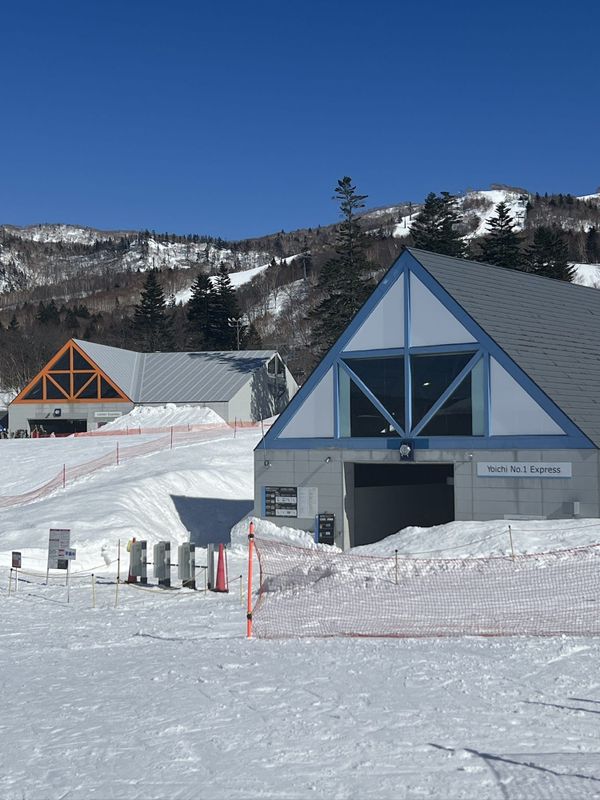
Kiroro runs 23 marked trails on 300 acres, accessed by nine lifts in service — a 6-person gondola, a hybrid 8-person gondola, four quad lifts, and three pair lifts. (Kiroro lists ten named lifts; the Asari No.1 pair has not run for three seasons, through 2025–26.) In the 2025–26 high season (mid-December to early April) most lifts ran from about 9:00 a.m. until between 3:00 and 4:30 p.m., while the Center Express stayed open until 7:00 p.m.; Kiroro had not yet published its 2026–27 lift hours at our last check (October 2026). The mountain is small enough that you cover it in a day, but the lower visitor numbers mean you lap the same runs more times on a typical day than you would at Niseko.
Niseko United combines four linked resorts — Grand Hirafu, Hanazono, Niseko Village, and Annupuri — into one of the largest ski areas in Japan. The scale is genuine. So is the footfall. Niseko markets itself globally and has attracted investment from major international hotel brands. On a confirmed powder morning, it is common to find the best lines tracked out by mid-morning.
At Kiroro, that window stays open longer. The mountain is less known, the resort has fewer beds, and the mix of visitors skews toward people who sought it out specifically — which tends to mean a higher proportion of actual skiers rather than first-timers taking lessons on the main run.
Price: lift tickets, hotels and food
For the 2026-27 season, a high-season adult day lift ticket at Kiroro is ¥9,200, dropping to ¥5,800 in the early and spring windows. At Niseko United, the All Mountain Pass is ¥13,500 per day in peak season (24 December 2026 – 28 February 2027) and ¥12,600 in regular season (checked September 2026). That is a ¥4,300 gap on a peak-season day — Niseko costs 47% more — and both mountains raised prices for 2026-27, Niseko's peak band by 12.5% against Kiroro's 4.5%. Across a week of skiing the difference compounds, before you factor in accommodation and food.
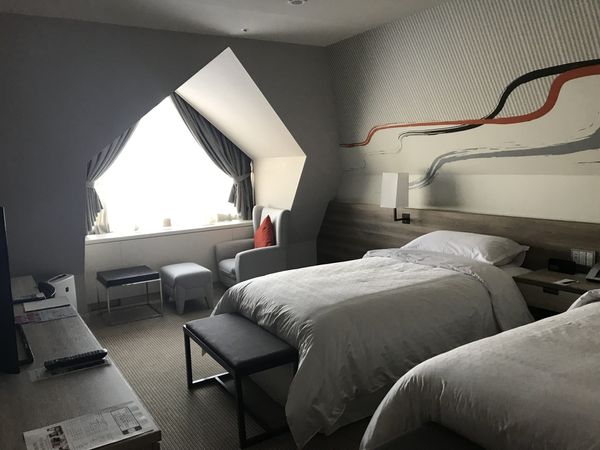
Hotel pricing at Niseko reflects its status as Japan's most expensive ski resort, dominated by international luxury brands with pricing to match. At Kiroro, on-mountain options start with Yu Kiroro, which describes itself as ski-in/ski-out luxury residences and is the roomiest option on the mountain (studios from 47 m² and two-bedroom residences of 84–127 m² (checked October 2026)), then Club Med Kiroro Grand and Club Med Kiroro Peak — both all-inclusive, which changes the pricing math considerably. Club Med sells both Kiroro hotels as all-inclusive packages on its own site; when we checked in October 2026, Trip.com and Agoda listed them but released no rooms for the 2026–27 winter. Peak runs in the winter season only, roughly late November to early May (Kiroro's own site listed it as closed outside that window when we checked in September 2026), so it is a ski-trip option rather than a year-round base. For those willing to base in Otaru (40 min by bus) and commute each morning, accommodation costs drop further and you gain access to excellent seafood restaurants that put the on-mountain dining options in both resorts to shame.
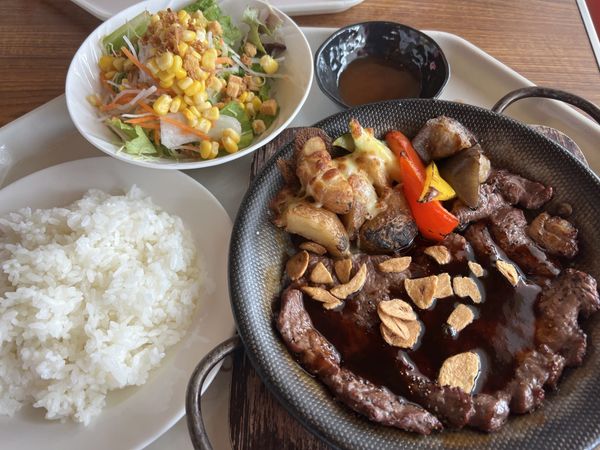
Food and drink on the mountain at both resorts follows resort pricing. The practical edge at Kiroro is that Otaru is a short bus ride away for anyone who wants to eat well without paying mountain-resort margins every evening.
English support and ease for first-timers
Niseko has had decades of international investment and a large year-round expat and tourist population. Signage, menus, lesson programs, and rental equipment notes are broadly available in English, and many businesses operate in Japanese, English, Chinese, and Korean. For a first-time visitor to Japan who is also a first-time visitor to Japanese skiing, Niseko's infrastructure is genuinely useful.
Kiroro's English support is growing but not at the same level. Main signage, the ticket counter, and online booking interfaces are in English, and English-speaking ski instructors are available. Most foreign credit cards are accepted at restaurants, shops, and the reception desk — including on the mountain. One practical note: there is no international ATM at the resort. The nearest one is in Otaru, so carry enough yen when you head up.
For experienced skiers who know roughly how ski resorts work and are primarily interested in finding good snow, the English gap at Kiroro is rarely a serious issue. For a first-timer still figuring out the rental process and how to read a trail map, Niseko's multilingual setup reduces friction.
Access from New Chitose Airport and Sapporo compared
This is one area where Kiroro actually has a practical advantage for many travelers.
From 11 December 2026 some of those arrivals will be coming straight from the US: United flies San Francisco to New Chitose nonstop three times a week through 27 March 2027. The new route explained covers the schedule and what it changes about arrival timing.
- Kiroro from New Chitose Airport: approximately 2 hours by direct bus. Hokkaido Access Network Co., Ltd. operates a direct ski bus service from the airport to Kiroro during the winter season (December through early April), bookable on their website at access-n.jp. Buses fill earlier than you would expect — reserve at least a few days ahead, ideally further.
- Niseko from New Chitose Airport: approximately 2.5–3 hours by bus depending on conditions and your specific drop point. The Hokkaido Resort Liner and Niseko Direct Shuttle are the main options; prices start from around ¥4,100 one way.
- Kiroro from Sapporo: about 90 minutes by car door to door — the 70-minute figure quoted elsewhere is the run from the Sapporo-nishi entrance of the Sasson Expressway, and reaching that entrance from the city adds roughly 20 minutes; 90–150 minutes by bus via Hokkaido Access Network.
- Niseko from Sapporo: approximately 2–2.5 hours by bus.
If you are flying in and want to be on the mountain as quickly as possible, the Kiroro route is typically faster door to door. That said, Niseko's road access from the airport via the Niseko area has the benefit of better-lit major roads if you are self-driving in winter conditions.
At-a-glance: route comparison
| Route | Kiroro | Niseko |
|---|---|---|
| From New Chitose Airport (bus) | ~2 hrs | ~2.5–3 hrs |
| From Sapporo (bus) | ~90–150 min | ~120–150 min |
| From Otaru (bus) | ~40 min (Hokkaido Access Network) | Not direct |
| Bus operator | Hokkaido Access Network Co., Ltd. (access-n.jp) | Hokkaido Resort Liner / NDS |
| Book ahead? | Yes — fills early | Yes — peak dates sell out |
How regulars decide the mountain each morning — and who should pick which
Skiers who make multiple trips to Hokkaido tend to stop thinking of this as a binary choice. When the conditions are right, they pick the mountain getting the best snow that day. The habit is to check a snow-forecast tool the evening before — Windy is popular for wind and precipitation mapping; OpenSnow covers Japan ski areas specifically — and make the call based on where the next system is tracking. Some winters, Kiroro gets hammered for days running while Niseko is partly cloudy. Other weeks it goes the other way.
If you are deciding between the two for a one-trip booking, here is the practical cut:
- Choose Kiroro if your priority is maximizing time on uncrowded snow, you want a lower price point, or you are traveling with a family that will use the ski school. Kiroro's school accepts children from age 3, and the results regulars report are genuinely impressive — though individual progress always varies.
- Choose Niseko if this is your first visit to Japan, you want the widest range of on-mountain activities and nightlife, or your group has very mixed skill levels and needs a resort that handles everything in English from day one.
- Consider both if you are staying in Sapporo or Otaru for a week or more and want flexibility to go where the snow is.
The internal links below lead to the deeper dives: where to sleep once you have picked your resort, how to get there, and what to expect if you are bringing kids.
- Where to stay in Kiroro — slope-side vs Otaru base
- Getting to Kiroro from the airport
- Kiroro for families
Representative Kiroro stays for readers who chose Kiroro
| Name | Area | Price range | Best for |
|---|---|---|---|
| Yu Kiroro | Ski-in/ski-out, Kiroro | from ~¥60,000/night for two (early Dec); ~¥160,000 in January (rates vary by season) | Groups, longer stays, kitchen access |
| Club Med Kiroro Grand | Slope-side, Kiroro | from ¥160,000/night for two, all-inclusive (winter 2026–27) | Families, all-inclusive convenience |
| Club Med Kiroro Peak | Slope-side, Kiroro | from ¥160,000/night for two, all-inclusive (winter 2026–27) | Adult couples, quieter atmosphere |
| Authent Hotel Otaru | Otaru (commute base) | from ¥10,000/night for two (rates vary by season) | Value-conscious skiers, Otaru-base plan |
If you have narrowed it down to Kiroro and want the full accommodation breakdown, the Where to Stay in Kiroro guide covers the slope-side vs Otaru-base decision in detail.
Niseko has one thing Kiroro does not, and it is not on the mountain. Niseko Distillery, run by the Niigata sake maker Hakkaisan at the foot of Annupuri, is open year-round for reservation-only tours from ¥1,500.
FAQ: Kiroro vs Niseko
Which has better snow, Kiroro or Niseko?
Both sit in the same Hokkaido mountain range and catch the same Sea of Japan air mass that produces Japow. Kiroro averages over 17 m of snowfall per season versus Niseko's roughly 15 m, though snow quality is comparable — ultra-light and dry at both mountains. The more useful distinction is that powder days are not always synchronized: a storm can deliver 30 cm at Kiroro while Niseko receives 10 cm, and vice versa. Experienced Hokkaido skiers check OpenSnow or Windy the evening before and go to whichever mountain is getting the better system that day.
How crowded is Kiroro compared to Niseko on a powder day?
Noticeably less crowded. Niseko United is the most-visited ski area in Japan, and on a confirmed powder morning the best lines are tracked out by mid-morning. Kiroro runs 23 trails on 300 acres with fewer total beds and a visitor mix that skews toward skiers who sought the mountain out specifically. The untracked window stays open longer, which changes the rhythm of the day from lift-line management to actual skiing.
Is Kiroro cheaper than Niseko?
Yes, across most categories. For 2026-27 a Kiroro adult 1-day lift ticket is ¥9,200 in high season versus ¥13,500 at Niseko in peak season — 47% more (checked September 2026). On-mountain accommodation at Kiroro starts from ¥10,000/night in Otaru (commuter base) or from about ¥60,000 a night for two slope-side at Yu Kiroro in early December (about ¥160,000 in January); Niseko has dozens of properties across four villages at a range of price points but with more demand pressure. Food and drink in Niseko village — especially in Hirafu — runs at international resort pricing; Otaru prices are more moderate.
Is Kiroro suitable for beginners and families?
Yes. Kiroro's ski school accepts children from age 3, and the results regulars report for young children learning to ski are strong — though individual progress always varies. The mountain has gentler beginner terrain and the lower crowd density means lessons are not competing with powder-seeking experts on the same runs. Families who want fully managed resort logistics should consider Club Med Kiroro, which handles instruction, childcare, and meals within one all-inclusive package.
Trip Essentials for Kiroro
Things worth booking before you land, all in English:
- eSIM — Airalo's Japan eSIM: install it at home and data works as soon as you switch off airplane mode at New Chitose Airport.
- Airport transfer — Klook covers bus, train, and private transfers from New Chitose Airport.
- Tickets and day trips — Klook covers Hokkaido ski passes, lessons, and Sapporo day trips; booking ahead skips the ticket-window line.
Information audit: Last fact-checked July 2026 · Prices checked July 2026 (all rates are “from” floors that vary by season) · 2026–27 ski season: bus schedules, lift hours and fares shown are based on official 2025–26 announcements and will be updated when 2026–27 details are released. · How this guide was researched: hotel facilities, prices and access details are verified against official and primary sources; we have not personally stayed at every property listed. The author skis Kiroro roughly eight trips a season and commutes from Otaru · Personally stayed: Authent Hotel Otaru — eight-plus stays across multiple winters since 2020; stayed on-mountain in 2018 when this property operated as the Sheraton Hokkaido Kiroro (pre-rebrand); stayed several times in 2021–22, including New Year, when this property operated as The Kiroro, a Tribute Portfolio Hotel (pre-rebrand) — all stays paid by us; no complimentary stays · How this site verifies information: About NipponStays.