Stay in Otaru to Ski Kiroro: The Daily Commute Plan (2026–27 Season)
The practical guide to basing in Otaru and commuting to Kiroro daily — bus times, rental-car tips, morning logistics, and where to stay for nightly sushi.
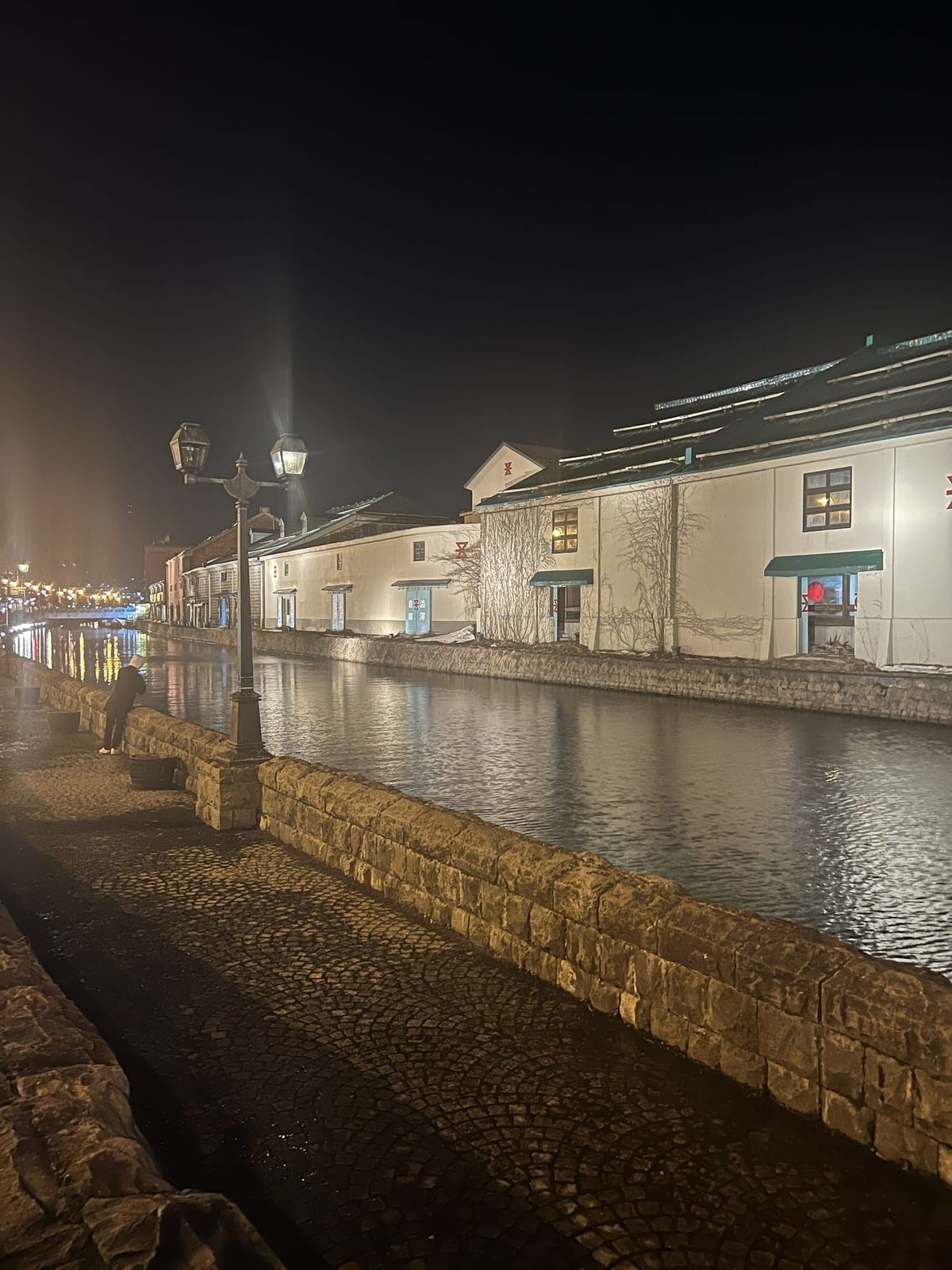
Choosing to stay in Otaru to ski Kiroro each day is, frankly, how most regulars do it after their first season. The math is simple: Otaru gives you real Hokkaido nights — a counter seat at a sushi bar, a bowl of ramen, a cold Sapporo — while the mountain gives you the snow. You just need a plan for the morning commute so you are not missing the best powder windows. For the picks: Authent Hotel Otaru (from ¥10,000) is the value base with a ~60-min bus to the slopes, Grand Park Otaru (from ¥12,000 for two) gives more space and harbour views on a ~50-min bus or ~45-min drive, and slope-side at Yu Kiroro runs ¥60,000 (early Dec) to ¥160,000 (Jan) for two if you want zero logistics.
Some links in this guide are affiliate links. If you book through them, we may earn a commission at no extra cost to you.
The Kiroro ski bus lists 7 pick-up points in Otaru for 2025–26, and the two hotels this guide covers both start from under ¥12,000 per night — against ¥60,000–160,000 (early Dec to Jan) for the cheapest slope-side room (Yu Kiroro), a ¥48,000–148,000 nightly gap (Otaru rates checked July 2026; Yu Kiroro's site, Oct 2026).
This article is the practical commute guide. For the broader "should I stay slope-side or base in Otaru?" question, start with the slope-side vs Otaru decision, then come back here for the logistics.
Why regulars base in Otaru and commute to Kiroro
I have been doing this for about seven winters, and I ski Kiroro roughly 30 days a season. I have slept in every configuration the mountain allows — slope-side at the resort, out in Yoichi and Akaigawa, in Sapporo, and, most often, in Otaru. Some trips I drive up each morning; other trips I take the ski bus. Both work, and I would not tell you one is correct. The choice turns on a single question, which I come back to at the end: how you feel about driving on packed snow.
The slope-side options at Kiroro — Club Med Kiroro Grand, Club Med Kiroro Peak, and Yu Kiroro — are genuinely good. But they sit in a mountain village with limited dining outside their own restaurants. After two or three consecutive evenings eating at the same resort, even a good buffet starts to feel repetitive. That's not a criticism; it's just geography.
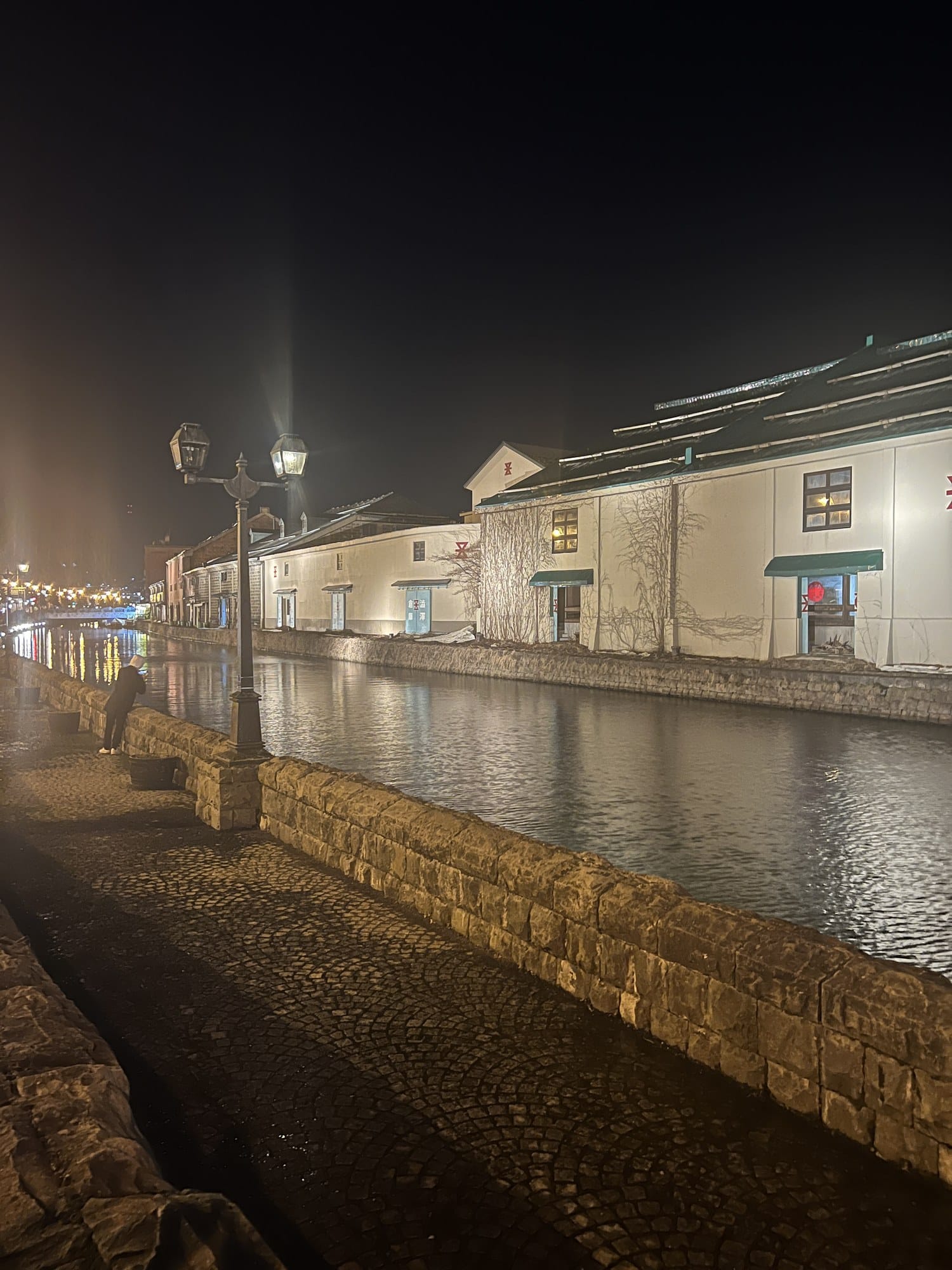
Otaru solves this cleanly. The city has dozens of independent sushi restaurants, izakaya, ramen spots, and seafood shops within walking distance of the two main ski-commuter hotels. You eat well every night without booking ahead or repeating yourself. Hotel rates in Otaru also run noticeably lower than slope-side accommodations, which helps if you're planning a week or longer.
The trade-off is a 45–60-min journey each way and the need to be up and organized before most people at a ski resort have poured their first coffee. If that sounds fine — and for most fit skiers it is — the Otaru base works well.
One difference from Niseko is worth saying plainly, because it surprises people. The foreign crowd here is not a Western crowd. Visitor numbers thinned out through the pandemic winters and have come back, but a large share of the international skiers I share the bus and the lift queue with in Otaru and at Kiroro are from Thailand and elsewhere in Asia. There are far fewer Europeans and North Americans than an hour down the road. If part of what you came to Japan for is not to be surrounded by people from home, that is the argument for this side of the peninsula — and it is not one you can read off a piste map.
At-a-glance: slope-side vs Otaru base for commuters
| Option | Travel to first lift | Evening food variety | Price range (hotel) | Best for |
|---|---|---|---|---|
| Slope-side (Club Med / Yu Kiroro) | Walk out the door | On-site restaurants only | Yu Kiroro ~¥60,000–160,000; Club Med ¥160,000+ for two, all-inclusive | Short stays, families wanting zero logistics, all-inclusive ease |
| Authent Hotel Otaru + bus | ~60-min bus ride | Full city, Otaru sushi and seafood | from ¥10,000 (rates vary by season) | Value-focused skiers, multi-day stays, food lovers — check rates |
| Grand Park Otaru + bus/car | ~50-min bus or ~45-min drive | Full city, canal-side dining | from ¥12,000 (rates vary by season) | Groups wanting more space, harbor views — check rates |
The daily flow: morning bus or drive up, ski all day, nightly sushi back in town
Before any of it, at 7:00 am, I open the Kiroro website. That is where a wind hold appears — the resort posts which lifts are turning, and on a bad morning the answer is that the upper mountain is not. In seven winters this is the single habit that has saved me the most wasted commuting: knowing at 7:00 instead of finding out at 9:00 is the difference between a slow breakfast in town and an hour on a bus to look at a closed gondola. If your child is booked into ski school, the school telephones you as well.
A typical Otaru-base day looks like this:
- 7:00–7:30 am: Breakfast at the hotel. Both Authent and Grand Park serve breakfast early enough to catch the first bus of the day; confirm exact times when you book.
- 7:30–8:00 am: Walk or taxi to the bus stop. The ski bus departs from central Otaru stops, including stops near Authent Hotel Otaru; in 2025–26 it was run by Hokkaido Access Network, while Kiroro's published 2026–27 timetable does not name an operator. Check the current timetable before your trip, as stop locations and departure times can change each season.
- ~8:30–9:00 am: Arrive at Kiroro. Main lifts ran from 9:00 am in the 2025–26 high season, and the first-snow season had lifts from 8:30 am on limited terrain. For 2026–27, high season runs December 12, 2026 – April 11, 2027 and the season opens November 28, 2026 (provisional); hours not yet published.
- Ski until late afternoon: The Center Express lift ran night skiing until 7:00 pm during the 2025–26 main season (2026–27 hours not yet published). You don't have to leave at 4 pm.
- Return bus in the evening. Check the return schedule before your day — the last bus back to Otaru does not wait. Confirm times on Kiroro's published timetable or at the resort's information desk on arrival.
- 7:00–8:30 pm: Dinner in Otaru. The sushi street near Otaru Station has restaurants open until 9–10 pm on most nights.
My own mornings are less orderly than that. I am up at 7:00 and I want something light rather than a full buffet, so I often buy breakfast at the Lawson across the road — the same side as the bus stop — and eat that. The hotel breakfast is good and I use it when I want it, but a week of skiing is not a week of buffets. Eating by 7:30 works either way. On the school-week rhythm we leave the hotel at 8:00 on weekdays and 7:30 at weekends, and that is the whole schedule: the weekend half-hour is bought entirely by the car park, not by the lifts.
Getting there each morning: bus vs rental car overview
You have two realistic options for the daily commute. A full comparison with costs is in the bus vs rental car guide; here is the short version.
Bus: Hokkaido Access Network ski bus
In 2025–26 the operator was Hokkaido Access Network Co., Ltd. (access-n.jp); Kiroro's published 2026–27 timetable does not name one. For 2026–27 the ski bus between central Otaru and Kiroro Resort runs 1–18 December 2026, daily in top season from 19 December 2026 to 14 March 2027, and in spring season from 15 March to 25 April 2027, with a free shuttle on 28–30 November 2026 (checked September 2026). The journey takes approximately 45–60 minutes from central Otaru stops, depending on pick-up point.
One-way tickets cost ¥2,200 for adults and ¥1,600 for children in 2026–27, up from ¥2,000 / ¥1,200 in 2025–26 (checked September 2026). The 28–30 November free shuttle needs no reservation. In 2025–26, reservations were required by 6:00 pm the day before departure; the 2026–27 timetable does not yet state booking terms. Book early — this bus fills up faster than most people expect. Popular powder-day slots sell out days in advance during January and February.
In 2025–26, seats were booked through the Hokkaido Access Network website (access-n.jp), whose English booking page handled payment and confirmation online; check how 2026–27 seats are sold before you travel.
From the seasons I have ridden it, four things matter more than the timetable. You have to reserve, and the bus does not call at a stop where nobody has booked — so the pick-up point is part of the booking, not a decision you make on the morning. Over New Year the useful departures go about two weeks out. Skis travel in the under-floor bay in a bag at no extra charge, but you cannot board wearing ski boots, which is worth knowing before you walk out of the hotel dressed to ski. And the last bus down leaves in the late afternoon: I have never found that a real constraint, because it is a full day's skiing either way, though the later departures are the ones that fill first.
Rental car: flexible but requires winter-road confidence
Driving from central Otaru to Kiroro takes about 50 minutes in practice — 45 on a clear morning with nothing slow in front, but leave at 9:00 and you will usually sit behind a car doing around 30 km/h the whole way up. The route climbs through mountain terrain and includes sections of packed snow and ice through the winter months. Whiteout conditions occur on exposed stretches. If one hits, do not pull over and wait — a stopped car is an invisible obstacle. Hazard lights and fog lights on, and keep creeping forward until it lifts.
If you are comfortable driving on compacted snow and ice — and have experience with winter roads or four-wheel drive — a rental car gives you freedom: flexible start times, gear in the trunk, and the ability to stop for convenience store coffee at your own pace. If you are not experienced with winter driving in Japan, the bus is safer and not significantly slower.
Studless tyres are not optional on this road, but you rarely have to ask for them: most Hokkaido rental companies fit them as the default from December through April, so they arrive on the car without you specifying anything. Whether you also need four-wheel drive is a separate question, and I am not going to tell you it is required when I have not driven the alternative up there. The part that catches people is not the climb but the final turn onto the resort approach, where constant braking polishes the surface to a mirror.
There are two ways up, and I have driven both: Route 393 over Kenashi Pass, and the longer way round through Yoichi and Akaigawa. In seven winters the pass has been shut on me once, by an avalanche — and I found out the way you usually find these things out, which is not in advance. I drove out of Kiroro at the end of the day and there were police at the junction onto the main road, turning everyone round via Yoichi. Nobody had to work anything out; you just follow the direction you are given and get back an hour later than planned. The bus, incidentally, ran that day too — it went round the same way.
Timing: how early to leave and first-lift math
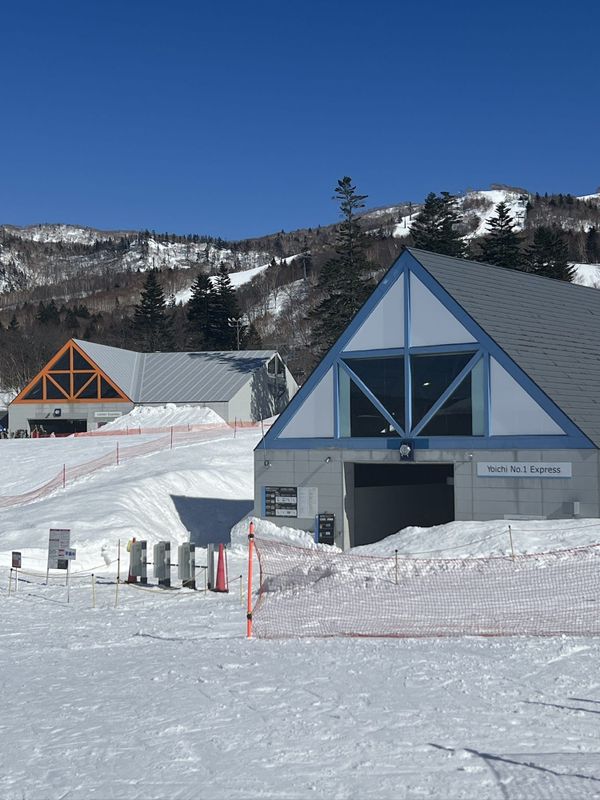
Kiroro's main lifts opened at 9:00 am in the 2025–26 high season (2026–27 hours not yet published). Fresh overnight snow is tracked out fastest on the most popular runs. If powder is the goal, arriving at the base by 8:45 am and having your gear on before the first lift loads gives you 15–30 minutes of untracked runs before the snowcat riders and early arrivees spread across the mountain.
Working back from a 9:00 am lift opening: allow 60 minutes for the bus from a central Otaru stop, plus 15 minutes to reach the pick-up point. That means leaving the hotel by 7:45 am and finishing breakfast by 7:30 am. It is not a lie-in, but it is the same early start slope-side guests have when walking to the gondola — with the advantage of a real hotel breakfast and a city to come back to each evening.
On rental-car mornings the math is slightly better, but aim to be parked by 8:30: on January and February weekends, arriving later means being sent to a distant overflow area and riding a gondola or shuttle back to the base. Leaving Otaru at 7:30 keeps that simple.
To put numbers on that from my own mornings: parking is free, and the lots start taking cars from around 7:00 am. What changes is which lot you are given. On a January weekend, rolling in at 8:50 am has put me out in the far area over by Club Med Kiroro Grand — from there it is a 5-min walk to the Gateway gondola, and then a ride before the skiing starts. Nothing goes wrong; the day just begins twenty minutes later than you planned it.
Cost and food case vs staying slope-side
Over a 5-night stay the Otaru-base plan typically costs less than slope-side even after you add bus fares. Club Med Kiroro bundles meals, bar, and lift tickets into an all-inclusive rate priced accordingly; Yu Kiroro is a luxury residence at a premium. Authent Hotel Otaru and Grand Park Otaru start from significantly lower nightly rates, and Otaru restaurants run ¥1,500–¥5,000 per person for dinner — a fraction of on-mountain pricing.
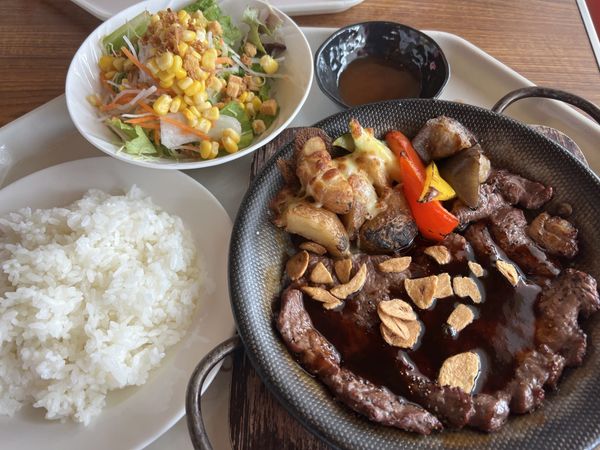
The food quality argument for Otaru is real. The port brings in fresh crab, sea urchin, salmon, scallops, and herring. A counter-seat dinner at one of the sushi restaurants near Otaru Station after a full day on Kiroro's powder is, for many regulars, the entire point of the trip.
The one I end up at most is Sushidokoro Maeda, a small sushi counter about a 7-min walk from Otaru Station. For the seasons I have been going, it was a stall inside Otaru Yatai-mura Roman Yokocho; on September 4, 2026 it moved to the ground floor of Light house otaru, a stone warehouse building on the same block (1-3-5 Inaho). It now opens for lunch as well as dinner, with a break in the afternoon, so do not assume it is serving the moment you come off the bus — check the hours for your day. There are not many seats, and children were welcome at the old counter — mine have eaten there. What I actually do is telephone as we are leaving the mountain to check they can take us, rather than booking days ahead. That call takes ten seconds and is worth more than a reservation, because it also tells you if they are closed that day.
Trade-offs: what you give up by not sleeping on the mountain
The Otaru base is not for everyone. Be honest with yourself about the following:
- Early mornings, every day. If you want to sleep until 9 am and clip into your bindings at 9:05 am, you need to be slope-side. The commute requires a 7:00–7:30 am start to make first lifts.
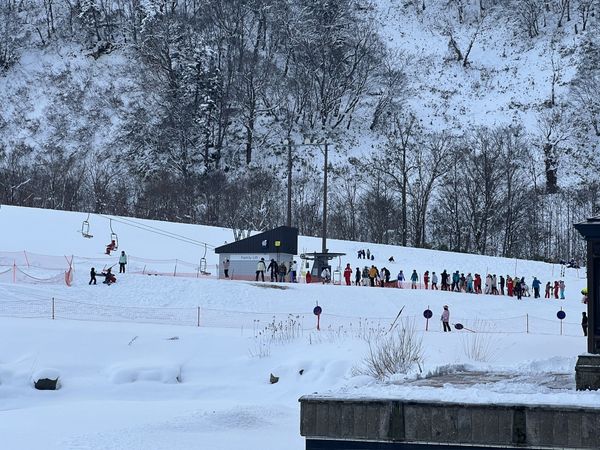
- Missed powder windows. If a storm dumps 40 cm overnight, the early-morning bus riders from Otaru arrive at Kiroro the same time as everyone else. Slope-side guests can be on the gondola the moment it opens. That 15-minute gap matters on a powder day.
- Gear logistics. Skis and boots on public transport are manageable but slightly awkward. The ski bus accommodated ski equipment in 2025–26; confirm bag handling details when you book. Renting gear at the mountain removes this issue entirely — Kiroro has on-site rental and a ski shop that stocks equipment and clothing basics if you forget anything.
- No spontaneous late nights on the mountain. The return bus schedule is fixed. If you want to stay for a long dinner at the resort or catch the last night-ski run at 7 pm and then take a long bath, you need to be sure there is a late bus back or have a rental car. Check the timetable for the last departure.
Here is the version of that trade-off I have actually paid for. In seven winters of shuttling between a hotel in town and a mountain 45 minutes away, the thing I got wrong was simple: I left my ski jacket and trousers at the hotel. You cannot ski without them and you cannot go back for them, so I rented outerwear at the mountain and got on with the day. That is the real cost of basing off the hill — not the commute time, which you stop noticing after two days, but the fact that anything you leave behind is 45 minutes away and stays there until evening. Slope-side, you walk back to your room. Here, you pay for it.
So which one should you take?
Back to the question I opened with, now that the trade-offs are on the table. If you are not used to driving on packed snow, take the bus. That is not a hedge — it is the answer. The road climbs, it is icy where everyone brakes, and a ski holiday is a bad place to find out how your car behaves when the back end goes. The bus is not meaningfully slower, and someone else is doing the part you would be worried about.
If you have winter driving behind you, the car buys you the mornings: you leave when you want, you stop where you want, and the gear stays in the boot between days. That is what I use it for. Neither of these is the cheap option or the clever option — they are the same trip, arranged around what you are comfortable doing on a snow-packed road.
One thing to unlearn if you are coming from a northern-European idea of a Hokkaido winter: the drive up is not a drive in darkness. The sun is well up by the time you leave Otaru. It is the return leg that you do in the dark — which is worth knowing, because the tired, icy, low-visibility half of the day is the second one, not the first.
One small thing that has nothing to do with the mountain: pulling a wheeled case from Otaru Station to your hotel in midwinter is harder than the map makes it look. A backpack is easier if you have that choice, and often you do not.
Where to stay in Otaru for this plan
Two hotels account for the large majority of Kiroro-commuting Otaru guests: Authent Hotel Otaru and Grand Park Otaru. Both are confirmed operating as of 2025–2026.
Authent Hotel Otaru is the one I have come back to for about seven winters — long enough that there is a bottle of mine behind the bar. It is a short walk from JR Otaru Station and roughly a 5–10-min walk from the canal and the central sushi restaurants. One correction worth making, because it is the kind of thing that costs you a morning: the ski bus does not come into the hotel drive. The timetable lists this stop as "in front of the Hokuyo Bank" — you walk out of the front door and cross at the lights, and that is all of it. Breakfast starts early enough for the morning departures I have taken, though the exact hour is worth confirming for your dates. There is somewhere to leave skis overnight, but set your expectations: it is a room, not a drying room. Wet gloves and base layers still come up to your own room with you.
What actually brings me back is not the room — it is the food and drink side of the house. The restaurants are good, and the bar is genuinely good. There is a bottle of Yamazaki 12 behind it with my name on it, which needs a word of explanation if you have not run into this in Japan: at many Japanese bars you can buy a whole bottle, they keep it for you with your name on it, and you drink from it across return visits. If you are in the same bar most nights of a long trip, it costs less than buying by the glass. It is also, over seven winters, how a hotel stops being a hotel. Check current rates at Authent Hotel Otaru.
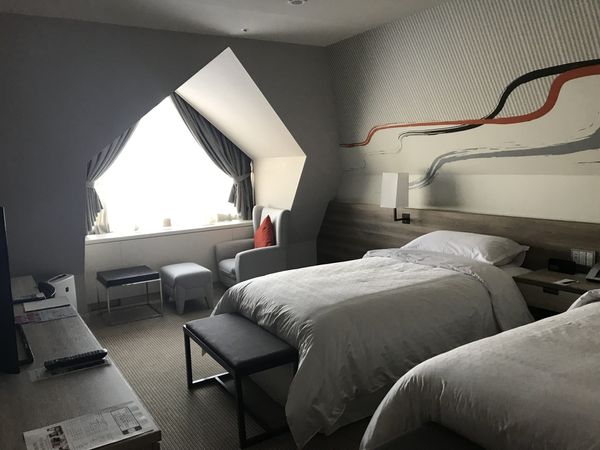
Grand Park Otaru sits near the Otaru harbor, within walking reach of the canal and Otaru's dining strip. It is a larger, higher-category property with harbor views, and I have stayed here across the same run of winters as Authent. Here the bus does pull up at the front entrance — the timetable lists the stop that way, and in practice you step out of the door onto it. The breakfast spread is the wider of the two. Rates start higher than Authent but the property and location are a step up in scale. Check current rates at Grand Park Otaru.
For a full skier-specific comparison of these two hotels — breakfast times, luggage storage, gear drying facilities, and exact bus-stop walking distances — see our Otaru hotels for Kiroro skiers guide.
Representative Otaru stays for commuters
| Hotel | Area | Price range | Best for |
|---|---|---|---|
| Authent Hotel Otaru | Central Otaru, near station | from ¥10,000 (rates vary by season) | Bus commuters: on the Kiroro bus pick-up route |
| Grand Park Otaru | Otaru harbor | from ¥12,000 for two (rates vary by season) | Groups and couples wanting harbor views and a larger property |
Ski season (late November to early April) is when rates peak. Book the hotel and the ski bus together once your dates are set — the bus sells out independently of hotel availability and is often the binding constraint.
Still deciding between the Otaru plan and sleeping on the mountain? The slope-side vs Otaru decision guide covers the full trade-off. For an Otaru city overview, see our Otaru areas guide.
Dinner is Otaru's job in this plan, but lunch still happens on the mountain. Where to eat at Kiroro maps the on-mountain options, with the widest menu at Brasserie Akaigawa below the gondola and the prices we photographed on the boards, so the midday stop does not eat into the afternoon runs.
FAQ: staying in Otaru to ski Kiroro
How long is the bus from Otaru to Kiroro?
The Otaru–Kiroro ski bus takes approximately 45–60 minutes from central Otaru stops to Kiroro Resort. Journey time depends on road conditions and whether the route includes multiple pickup stops. Allow the longer end of that range in heavy snow or peak season mornings, and confirm the current timetable (Kiroro publishes the 2026–27 one) before your trip.
Which Otaru hotels does the Kiroro ski bus stop at?
More than most people assume. For the 2025–2026 season the Hokkaido Access Network timetable lists seven pick-up points on the Otaru side: Otaru Station (near the Chuo Bus stop E), Otaru Green Hotel (annex entrance), Authent Hotel Otaru (at the Hokuyo Bank across the road, not the hotel drive), Hotel Nord Otaru and Hotel Sonia Otaru (canal front), OMO5 Otaru by Hoshino Resorts (listed as in front of Hotel Torifito Otaru Canal), Grand Park Otaru (front entrance) and Otaru-Chikko Station. In 2025–26 the stop was part of your booking — the bus did not call anywhere nobody had booked — so confirm the stop list and booking rules for 2026–27 before you book a hotel around it.
Is it worth commuting from Otaru, or should I stay slope-side at Kiroro?
For trips of four or more nights, most regulars choose Otaru: the hotel rates start from ¥10,000/night versus ¥60,000–160,000 slope-side at Yu Kiroro, and the city's independent sushi and ramen restaurants solve the repetitive-resort-dining problem. For short stays of two or three nights — especially with families who want zero logistics — the slope-side option at Club Med or Yu Kiroro removes the morning commute entirely. The decision comes down to how much you value evening variety versus simplicity.
What time do I need to leave Otaru to reach first lift at Kiroro?
Kiroro's main lifts opened at 9:00 AM in the 2025–26 high season (2026–27 hours not yet published; high season runs 12 December 2026 to 11 April 2027). Working backwards: bus journey is 45–60 minutes, so a departure of around 7:30–8:00 AM from Otaru is typical. Check the specific timetable for the season you are traveling, as departure times can shift year to year, and eat breakfast before you leave — the bus does not wait.
Trip Essentials for Kiroro
Things worth booking before you land, all in English:
- eSIM — Airalo's Japan eSIM: install it at home and data works as soon as you switch off airplane mode at New Chitose Airport.
- Airport transfer — Klook covers bus, train, and private transfers from New Chitose Airport.
- Tickets and day trips — Klook covers Hokkaido ski passes, lessons, and Sapporo day trips; booking ahead skips the ticket-window line.
Information audit: Last fact-checked July 2026 · Prices checked July 2026 (all rates are “from” floors that vary by season) · 2026–27 ski season: bus fares and periods updated to Kiroro's published 2026–27 timetable (checked September 2026); 2026–27 lift hours are not yet published. · How this guide was researched: hotel facilities, prices and access details are verified against official and primary sources; we have not personally stayed at every property listed. The author skis Kiroro around 30 days a season and has based in Otaru for about seven consecutive winters, driving up some trips and taking the ski bus on others · Personally stayed: Authent Hotel Otaru and Grand Park Otaru — both across roughly seven consecutive winters — all stays paid by us; no complimentary stays · Bus stops and operating rules checked against the Hokkaido Access Network 2025–26 Otaru–Kiroro timetable; 2026–27 fares and periods against Kiroro's published 2026–27 timetable, September 2026 · How this site verifies information: About NipponStays.