Asahikawa vs Sapporo as a Winter Base: The Airport Decides It
Asahikawa Airport publishes 99%+ on-time rates; New Chitose cancels 2-5% of winter flights. That gap is the only part of this comparison that is about winter.

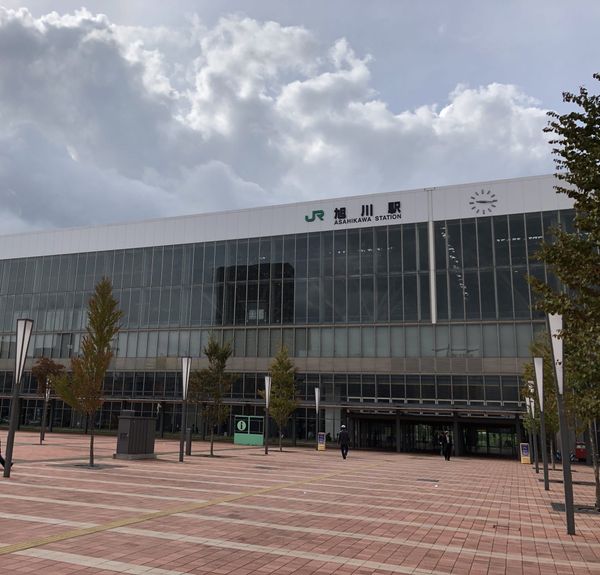
Asahikawa vs Sapporo as a winter Hokkaido base is usually argued as city versus countryside, and that misses where winter actually bites: the airport. Asahikawa Airport publishes on-time rates of 99% or higher across four consecutive fiscal years, while New Chitose sees cancellation rates of roughly 2–5% in winter months and occasional mass strandings in blizzards. Rooms run from ¥7,560 for two at JR Inn Asahikawa against ¥11,224 at Grand Mercure Sapporo Odori Park. Base in Sapporo if the city, the food and the Snow Festival are the trip; base in Asahikawa if you are going to Biei, Furano or Daisetsuzan, or if a cancelled flight would wreck the itinerary.
The airport is the part of this decision that is actually about winter
Everything else in this comparison holds in July. The flight reliability gap only exists between roughly December and March, and it is the difference that can eat a day of your trip.
Asahikawa Airport uses "Just 99% On-Time Flights" as its own catchphrase, and it is supported by published figures rather than marketing — four consecutive fiscal years at 99% or better, peaking at 99.7%. The airport sits inland at altitude, where snow falls steadily but the wind that closes runways is less of a factor.
New Chitose is faster, far more frequent and better connected, and it is the right choice most of the time. But it takes the coastal weather, and when a blizzard closes it the failure is not one delayed flight — it is thousands of people in the terminal overnight.
If your itinerary has no slack in it, that asymmetry is worth more than an hour of transfer time.
What each base actually reaches
Sapporo is a city of nearly two million with the food, the nightlife in Susukino, and the Snow Festival in early February. It reaches Otaru in about half an hour, and the ski areas around the city are close enough for day trips.
Asahikawa is a fraction of the size and is a gateway rather than a destination. Asahiyama Zoo is on its edge and is genuinely good in winter, when the penguin walk runs and the cold-climate animals are at their most active. Biei and Furano are south of it. Daisetsuzan, Japan's largest national park, is east. Kamui Ski Links is close to the city.
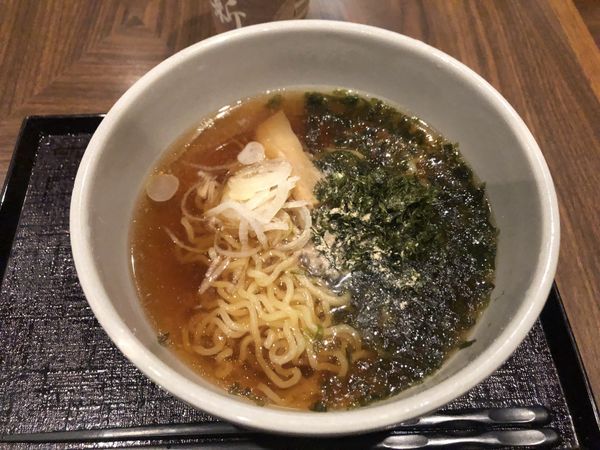
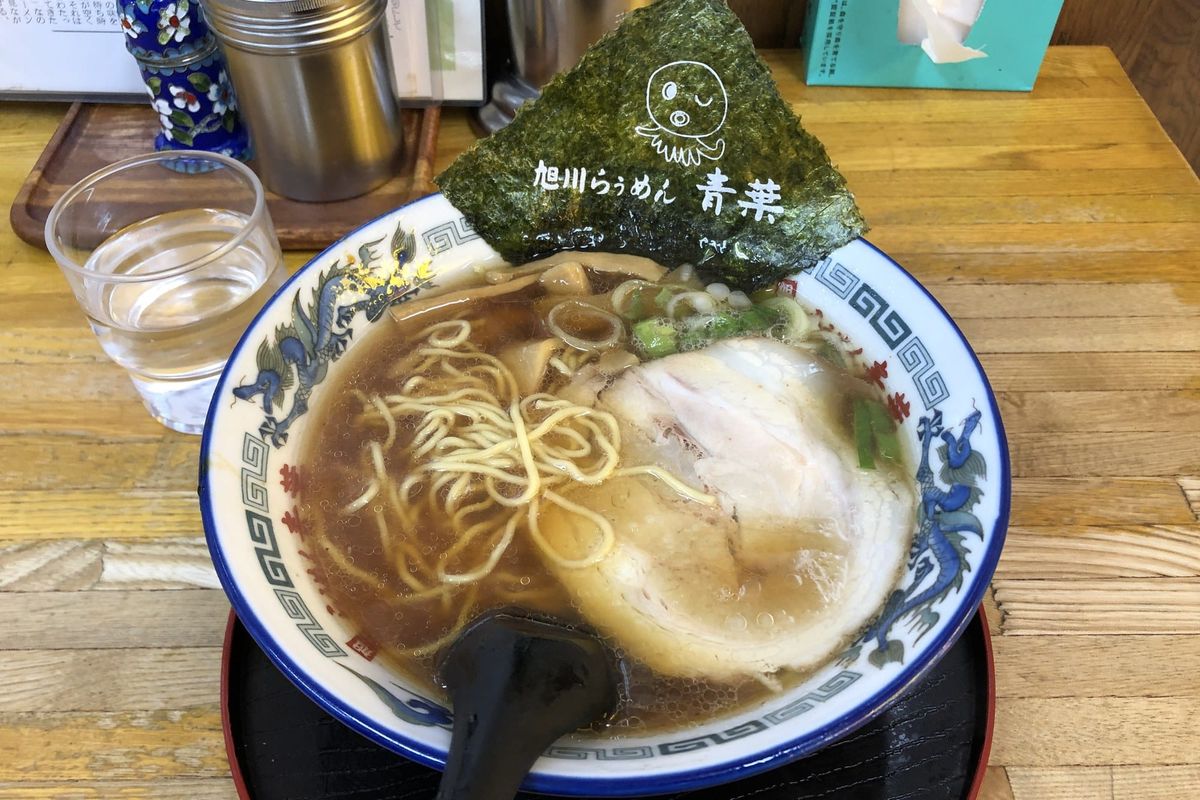
Asahikawa also has its own food case — the city's ramen is a distinct style, and jingisukan is served properly here rather than as a tourist dish.
The cold is a real difference, not a detail
Asahikawa is one of the coldest cities in Japan, and mid-winter temperatures sit meaningfully below Sapporo's. This changes what a day feels like rather than what is possible.
It means the snow is drier, which is why the skiing is good and why photographs of Biei look the way they do. It also means that walking between places is not the casual activity it is in Sapporo, and that a badly planned day outdoors stops being fun faster.
Travelling with children or anyone who feels the cold, this is a genuine argument for Sapporo, where the underground walkway network lets you cross the centre without going outside.
| Name | Area | Price range | Best for |
|---|---|---|---|
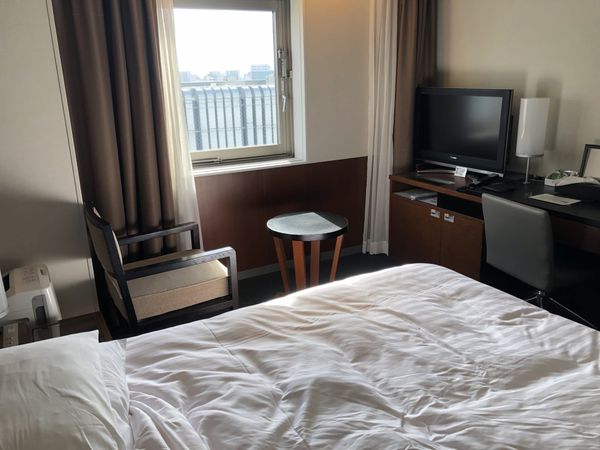
| JR Inn Asahikawa | Asahikawa Station | from ¥7,560 for two | The reliability play at the lowest entry price |
| Dormy Inn Asahikawa | Asahikawa, central | from ¥10,290 for two | A hot spring bath at the end of a cold day |
| Grand Mercure Sapporo Odori Park | Sapporo, by Odori Park | from ¥11,224 for two | City base, walking to Susukino and the festival site |
Rates are the lowest advertised for two with no dates specified, checked in August 2026. Both cities rise sharply in February — Sapporo for the Snow Festival, Asahikawa for the ski season — and Sapporo's festival week is the single tightest period in Hokkaido.
The split that works better than either
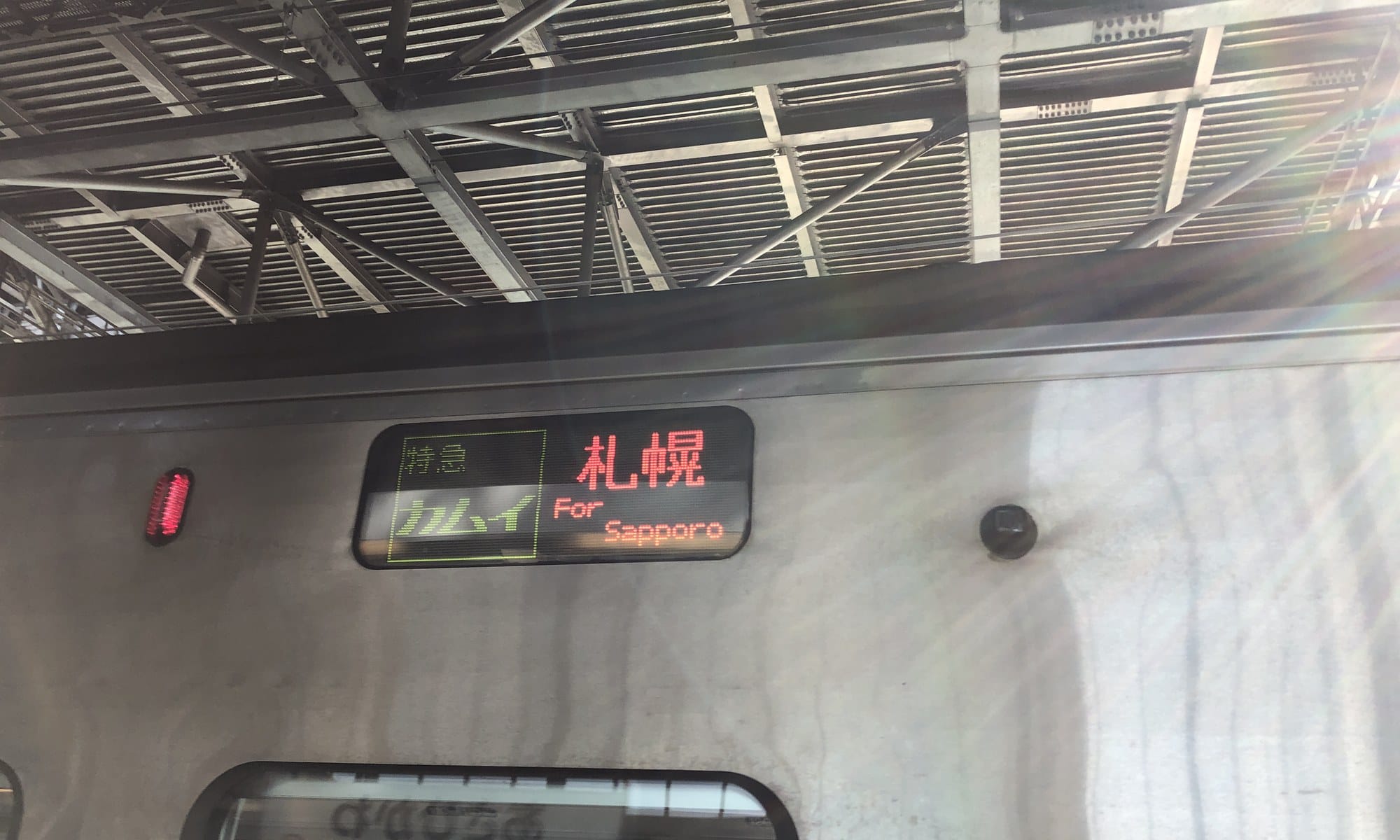
These two are 85 minutes apart by limited express — the Lilac and Kamui run the same journey time — which is short enough that the real answer for a week in Hokkaido is not to choose.
Fly into Asahikawa, spend the first nights there for Biei, Furano and the zoo, then take the train down to Sapporo for the city end and fly out of New Chitose. You get the reliable arrival — which is the leg that matters, because a cancelled outbound flight only costs you a day at home — and the frequent departure.
Doing it in the other order works too, but arriving at New Chitose in February is the version of this trip with the exposure in it.
If a resort night goes into the middle of that route, Tomamu is the usual candidate from the Sapporo end, and which of its two towers you book changes the stay more than the price difference between them suggests.
How to decide
- City, food and nightlife. Sapporo. Asahikawa does not have a Susukino equivalent.
- Biei, Furano or Daisetsuzan. Asahikawa. From Sapporo these become long days.
- Snow Festival in early February. Sapporo, booked months ahead.
- A tight itinerary with a connecting international flight. Asahikawa for the arrival, on reliability alone.
- Travelling with young children. Sapporo. The underground network and the shorter walks matter more than they sound.
- A week in Hokkaido. Both — in via Asahikawa, out via New Chitose.
| If this is you | Area | Price range | Best for |
|---|---|---|---|
| First Hokkaido trip, five days | Sapporo | from ¥11,224 | Sapporo — food, Otaru, day-trip skiing |
| Biei and Furano photography | Asahikawa | from ¥7,560 | Asahikawa — the gateway, not a long day out |
| No slack in the schedule | Asahikawa | from ¥7,560 | Asahikawa — 99%+ published on-time rate |
| Snow Festival | Sapporo | from ¥11,224 | Sapporo — book months ahead |
| Cold-sensitive travellers | Sapporo | from ¥11,224 | Sapporo — warmer, and you can walk underground |
For the flight decision in detail, our Asahikawa Airport vs New Chitose in winter guide has the reliability figures and their sources. Asahikawa as a ski base for Kamui Ski Links covers the skiing case, Asahikawa ramen and jingisukan covers the food, and on the Sapporo side Sapporo Station vs Susukino settles where in the city to sleep and Snow Festival accommodation covers February.
A city hotel can put a real hot spring under a business-hotel rate — Dormy Inn Asahikawa runs a natural spring bath from about ¥10,290 for two — which is the point at which an onsen town stops competing on water and starts competing on the evening around it, from ¥16,760 for two at Jozankei View Hotel. Onsen town vs a city hotel with an onsen draws that line, and shows how the answer moves with the season.
FAQ: Asahikawa vs Sapporo in winter
Which airport is more reliable in winter, Asahikawa or New Chitose?
Asahikawa, by a wide margin on the published figures — 99% or higher on-time rates across four consecutive fiscal years, against cancellation rates of roughly 2–5% per winter month at New Chitose. New Chitose is faster and far more frequent, so the trade is reliability against convenience.
Is Asahikawa worth staying in rather than day-tripping from Sapporo?
Yes if Biei, Furano, Daisetsuzan or Kamui Ski Links are on your list. From Sapporo each of those becomes a long day with most of it on a train. If your interests are the city, the food and Otaru, Sapporo is the better base and Asahikawa adds nothing.
How cold is Asahikawa compared with Sapporo?
Meaningfully colder — Asahikawa is one of the coldest cities in Japan. That produces the dry snow the region is known for, and it also means walking between places is less casual than in Sapporo, where an underground walkway network lets you cross the centre without going outside.
Can I visit both on one trip?
Easily. They are 85 minutes apart by limited express. The version with the least exposure is to fly into Asahikawa for the reliable arrival, spend the first nights there, then take the train to Sapporo and fly out of New Chitose.