Asahikawa Food Guide: Shio Ramen & Jingisukan (2026)
Asahikawa food guide: shio ramen at Santoka Honten (birthplace of the brand) and charcoal jingisukan at Daikokuya. Hours, walk times, and a one-day plan.
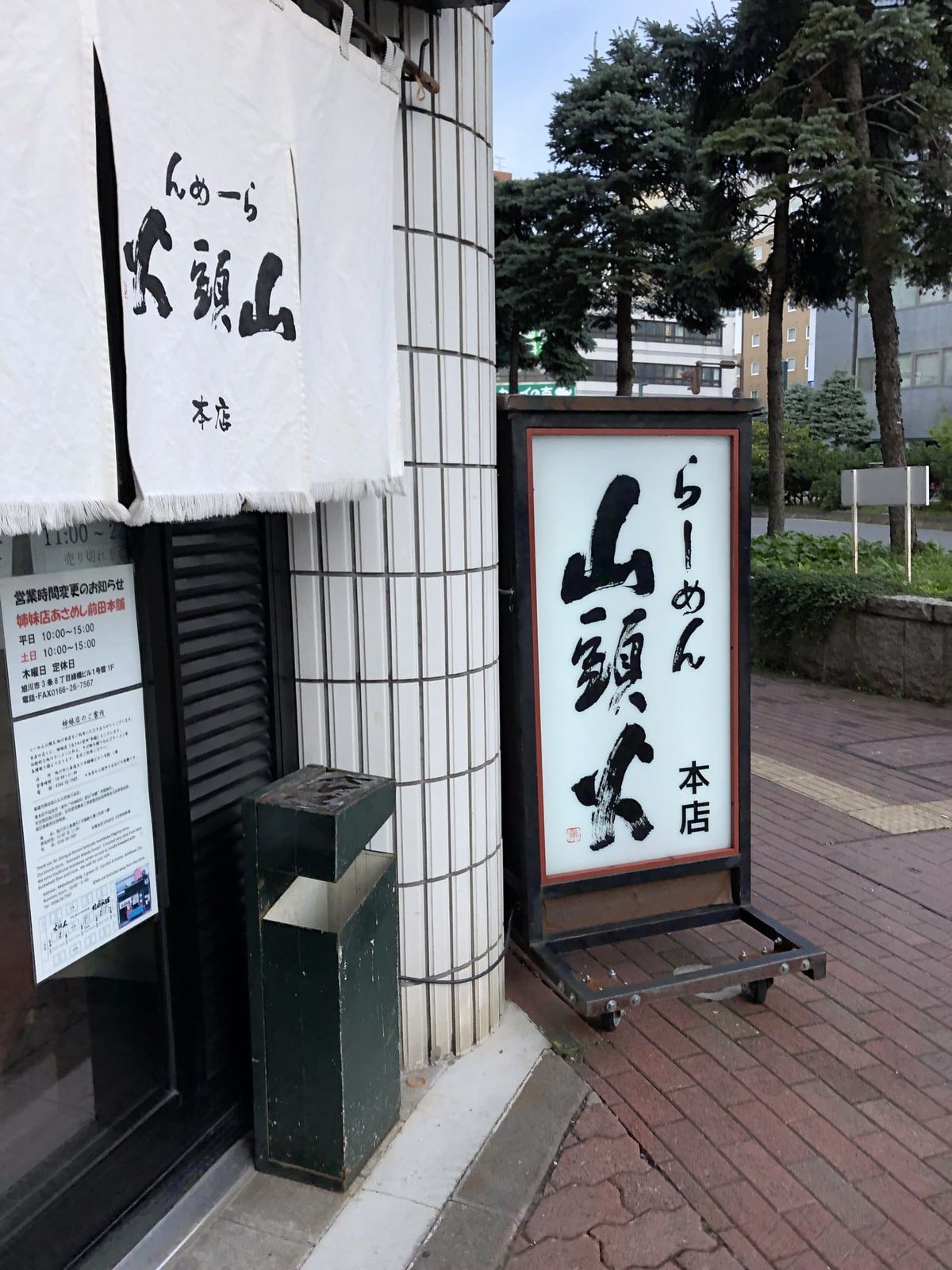
This Asahikawa food guide covers the two meals worth planning your visit around: a bowl of shio ramen at Ramen Santoka Asahikawa Honten — the birthplace of the brand with 41 overseas locations — and a charcoal-grilled jingisukan dinner at Asahikawa Jingisukan Daikokuya 5-chome. Both sit within 11 minutes on foot of Asahikawa Station, making it realistic to combine them in a single evening if you eat early and pace yourself. Santoka opens at 11 am (closed Thursdays); Daikokuya opens for dinner only, from 16:00 on weekdays. If you only have one meal in Asahikawa, go to Santoka at lunch and Daikokuya after dark.
The short version — Asahikawa's shio-ramen flagship and a jingisukan grill, both near the station
Asahikawa's two signature dishes — shio ramen and jingisukan lamb — can both be covered in a single day trip from Sapporo or on the evening you arrive. Santoka Honten is under a 5-min walk from Asahikawa Station's central exit; Daikokuya 5-chome is an 11-min walk southeast along the shopping arcade. Queues form at both, more so on weekends.
Of the two restaurants covered in this guide, both confirmed operating as of July 2026: Santoka Honten is closed on Thursdays and Daikokuya operates dinner-only with irregular additional closures around year-end. Plan around those two constraints and you won't be caught out.
| Place | Known for | Walk from station | Open when |
|---|---|---|---|
| Ramen Santoka Asahikawa Honten | Shio (salt) ramen, pork bone broth, the brand's flagship | Under 5-min walk | 11:00–22:00 (LO 21:30); closed Thursday |
| Asahikawa Jingisukan Daikokuya 5-chome | Charcoal-grilled fresh lamb jingisukan, homemade sauce | 11-min walk | Weekdays 16:00–23:00 (LO 22:30); Sat/Sun from 15:00 |
For where to stay to make the most of these two meals, see where to stay in Asahikawa — the station-front base is the practical pick.
Ramen Santoka Asahikawa Honten — the shio-ramen flagship and birthplace of the brand
Ramen Santoka opened its first restaurant here in Asahikawa in March 1988: nine seats, pork bone broth, one menu item — shio (salt) ramen. That single shop is now the Honten (flagship), and the brand has expanded to over 40 locations outside Japan, primarily across North America and Asia. Eating at the Honten is eating at the source.
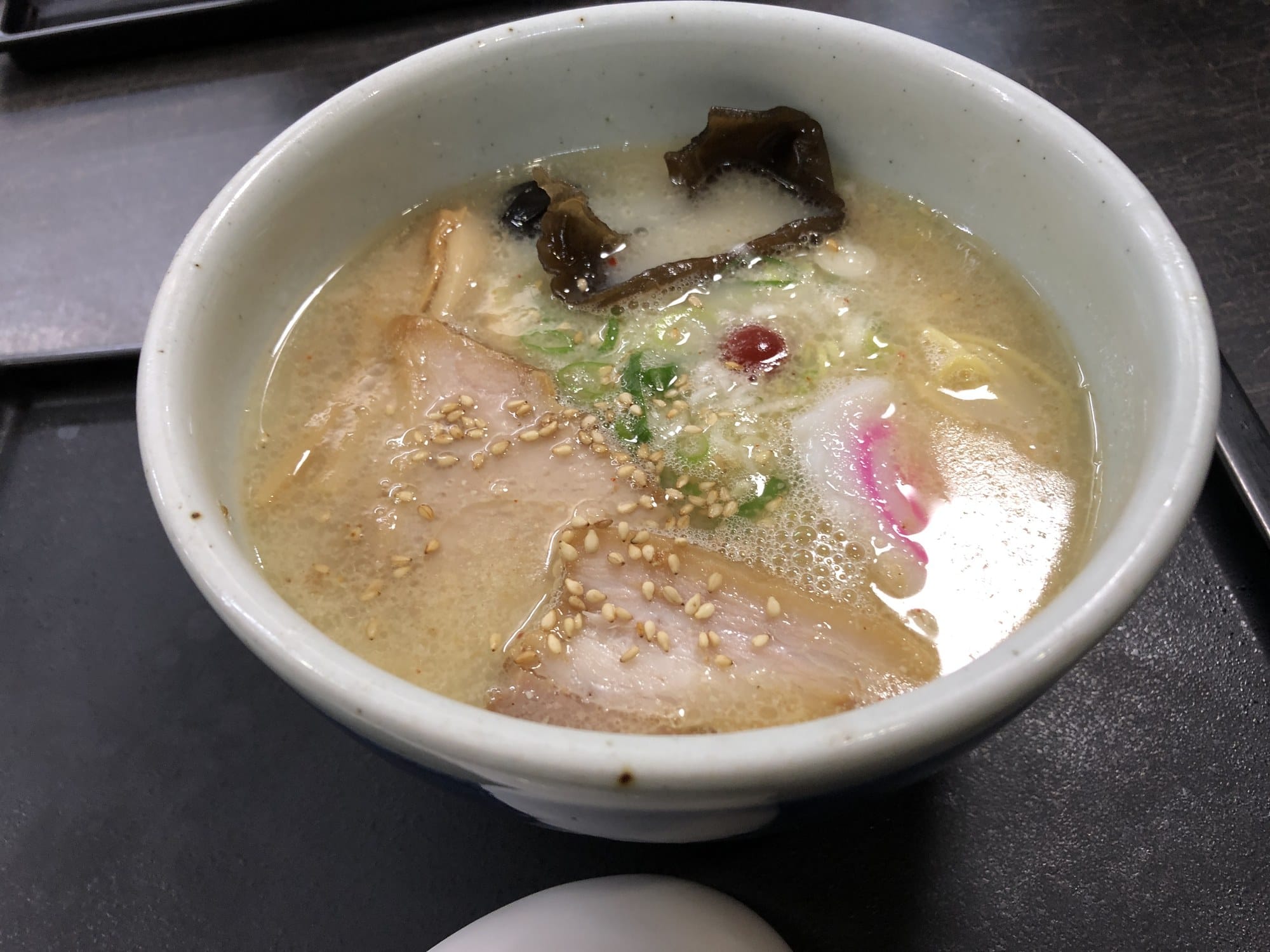
The signature bowl is a mild, clear pork bone broth seasoned with salt rather than the soy sauce you find in most Asahikawa ramen shops. A small pickled plum arrives in a distinctive round bowl alongside wavy noodles and sliced chashu. The broth is lighter-tasting than the regional shoyu style but not thin — there's real depth from the bone stock.
- Address: MANNY Bldg 1F, 1jo-dori 8-chome 348-6, Asahikawa (under 5-min walk from Asahikawa Station)
- Phone: 0166-25-3401
- Hours: 11:00–22:00 (last order 21:30). Closes when soup runs out — arrive by 20:30 to be safe
- Closed: Thursdays (open on public holidays that fall on Thursday)
- Hours confirmed: July 2026 via official site (santouka.co.jp)
Queues are common at peak times (weekend lunches, summer evenings). The shop has roughly 30 seats and turns quickly. Budget ¥1,200–¥1,600 for a standard bowl.
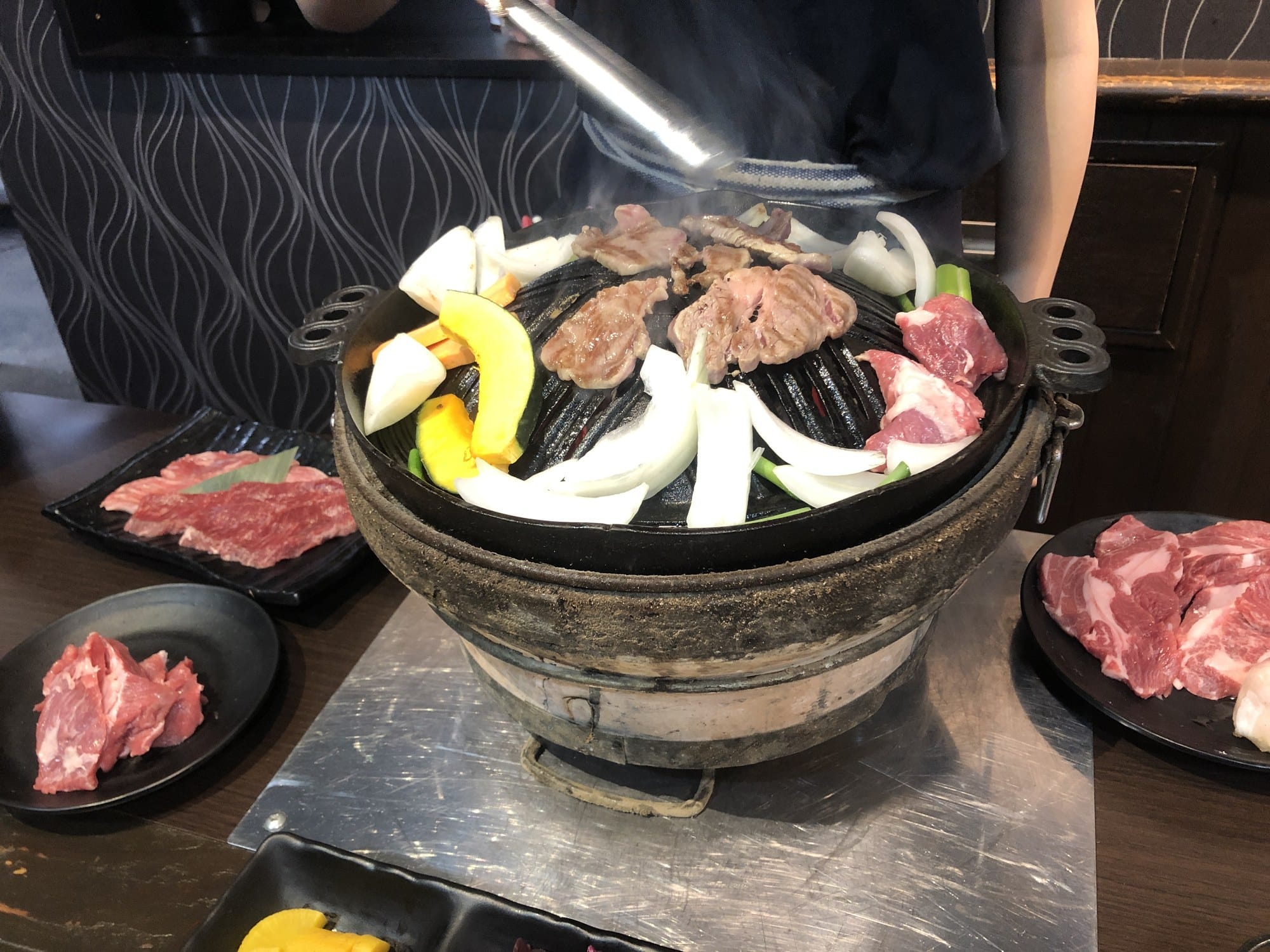
Asahikawa Jingisukan Daikokuya 5-chome — jingisukan done over charcoal
Jingisukan — lamb and mutton grilled over a domed iron pot — is Hokkaido's most distinctive barbecue, and Daikokuya is Asahikawa's best-known address for it. The 5-chome branch at 4jo-dori 5-chome (Asahikawa-shi, Hokkaido; phone 0166-24-2424) is the established local location, an 11-min walk southeast from Asahikawa Station.
What sets Daikokuya apart from typical jingisukan is the fuel: charcoal, not gas. Charcoal burns hotter — the grill pot reaches over 300°C — which gives the lamb a sharper sear and a cleaner smoke. The lamb itself is described as noticeably low in odour, a quality that surprises people who've been put off by mutton elsewhere. They use fresh local Hokkaido vegetables and a house sauce and spice blend.
- Address: 4jo-dori 5-chome 1425 (3-4 Nakatori), Asahikawa-shi, Hokkaido
- Phone: 0166-24-2424
- Hours: Weekdays 16:00–23:00 (LO 22:30); Saturday/Sunday/holidays from 15:00
- Closed: December 31–January 3, plus irregular additional closures. Check before you go
- Walk from station: 11-min walk from Asahikawa Station
- Hours confirmed: July 2026 via official site (daikoku-jgs.com)
Daikokuya has expanded to Sapporo, Tokyo (Shimbashi, Kichijoji), Hakodate, and Fukuoka — but the Asahikawa shop is the original territory. Queues form on weekends; the 5-chome branch is larger than the main store so waits are generally shorter. Budget ¥2,500–¥4,000 per person with drinks.
How Asahikawa ramen differs — the lard-capped soy broth the region is known for
Santoka Honten specialises in shio (salt) ramen, which is not the same as the Asahikawa regional style — but understanding the regional style helps you order confidently at any other ramen shop in the city.
Asahikawa ramen is typically soy sauce (shoyu) based, built on a double-stock of animal bones (pork or chicken) and dried seafood — kelp, dried anchovies — which gives the broth a layered umami that's sharper and more minerally than Sapporo's miso style. The defining visual feature is a thin layer of pork lard floating on top of the soup. In Asahikawa's winters — temperatures regularly drop below -20°C — that lard cap acts as a lid, keeping the soup hot from the first sip to the last. It also adds richness without making the broth feel heavy.
If you want to try the classic shoyu version while you're in town, shops like Ramen Aoba (青葉, 2jo-dori 8-chome) are often cited alongside Santoka as the Asahikawa canon. At Santoka itself, the salt ramen is the order — the shoyu version exists on the menu but the brand is built on shio.
Where these sit from Asahikawa Station and a walkable eating plan
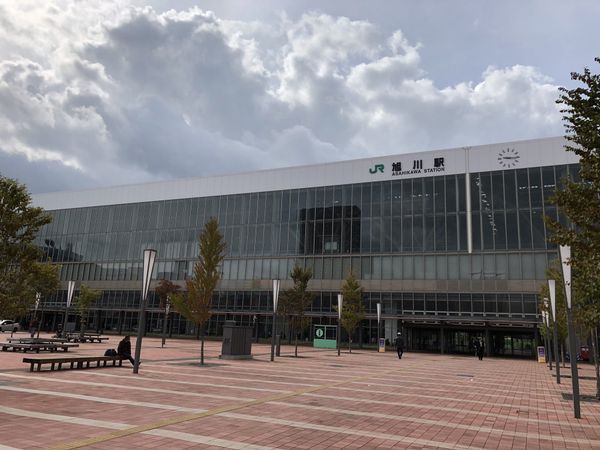
Asahikawa Station's main exit leads directly into the AEON mall and the Heiwa-dori shopping arcade that stretches south. Both restaurants are along or just off this corridor, making a visit practical without a car.
- Santoka Honten: Exit the station, head south along the shopping arcade for about 3–4 minutes. The MANNY building is on the right at 1jo-dori 8-chome. Under 5-min walk.
- Daikokuya 5-chome: Continue south on the arcade past Santoka, then east to 4jo-dori 5-chome. Total walk from the station is about 11 minutes.
A practical eating plan: arrive in Asahikawa at lunch, queue for Santoka (bowl done in under an hour), explore the city or Asahiyama Zoo, then return for a jingisukan dinner at Daikokuya at 16:00 when it opens. Both meals are walkable from the same station-front hotel. For skiers heading to Kamui Ski Links, both restaurants work as an evening meal after a ski day — the lifts close in the afternoon and you're back in the city by dinner time.
Where to stay to eat well here — the station-front base
Both restaurants are within walking distance of Asahikawa Station, so the obvious base is a station-front hotel. JR INN Asahikawa sits directly connected to Asahikawa Station and the AEON mall — you can return to your room between Santoka and Daikokuya, drop off your bags, and still walk to dinner in 11 minutes. The AEON supermarket in the same complex covers breakfast ingredients and Hokkaido snacks to take away.
See where to stay in Asahikawa for the full hotel breakdown. The station-front options start from around ¥8,000/night and the location adds no overhead to a food-focused day.
| Hotel | Area | Price range | Best for |
|---|---|---|---|
| JR INN Asahikawa | Asahikawa Station front | from ¥8,000 for two (varies by season) | Food-focused stays; direct AEON mall access |
| OMO7 Asahikawa by Hoshino Resorts | Central Asahikawa | from ¥15,000 (varies by season) | Skiers wanting the 24-hour WAX BAR; city-centre dining access |
For the wider Hokkaido food-base picture, see the wider Hokkaido food-base picture — Asahikawa and Sapporo cover different dishes and the combination is worth planning.
Trip Essentials for Asahikawa
Things worth booking before you land, all in English:
- eSIM — Airalo's Japan eSIM: install it at home and data works as soon as you switch off airplane mode at Asahikawa Airport. Comparing providers? See our Japan eSIM guide.
- Airport transfer — Klook covers bus, train, and private transfers from Asahikawa Airport.
- Tickets and day trips — Klook covers Hokkaido ski passes, Asahiyama Zoo tickets, and Furano-Biei day tours; booking ahead skips the ticket-window line.
FAQ: eating in Asahikawa
What is Asahikawa ramen and how is it different from Sapporo ramen?
Asahikawa ramen is a soy-sauce-based style built on a double stock of pork or chicken bones plus dried seafood (kelp, anchovies). Its most distinctive feature is a layer of pork lard floating on top of the soup, which keeps the bowl hot longer — practical engineering for a city where winter temperatures drop below -20°C. Sapporo ramen is miso-based, richer and sweeter. Asahikawa's shoyu style is sharper, with a pronounced umami from the dried seafood component. Ramen Santoka Honten, while the city's most famous shop, specialises in shio (salt) ramen, which is lighter still.
Is Ramen Santoka Asahikawa Honten the same as Santouka abroad?
Yes — the Asahikawa Honten (1jo-dori 8-chome, MANNY Bldg 1F) is the original location that the brand grew from. Hokkaido Ramen Santouka launched its franchise business in 1995 and began international expansion in 1999, and now has over 40 branches outside Japan, primarily in the US, Canada, and Southeast Asia. The Honten is the first shop, opened in March 1988 with nine seats and a single item: shio ramen. The menu is broader today but shio remains the signature order.
What is jingisukan and why is Asahikawa known for it?
Jingisukan is a Hokkaido barbecue style where sliced lamb or mutton is grilled on a domed iron pot over high heat, typically with vegetables. It's a staple of Hokkaido cuisine because of the island's sheep-farming history. Asahikawa is one of the main cities where jingisukan restaurants are deeply embedded in local eating culture. Daikokuya 5-chome uses charcoal rather than gas, reaching grill temperatures over 300°C, which produces a sear and smoke character that gas grills don't replicate.
Can I eat at both Santoka and Daikokuya in one day?
Yes, and it's a common approach. Santoka serves lunch from 11:00 and Daikokuya opens for dinner at 16:00 on weekdays (15:00 on weekends). With a few hours between the two meals — time for Asahiyama Zoo, the Heiwa-dori shopping arcade, or simply a rest at your hotel — both meals are comfortable in a single day. Both restaurants are under 15 minutes on foot from Asahikawa Station, so no transport is needed.