Onsen Town vs City Hotel With an Onsen: The Answer Changes With the Season
The water is not the difference. A city onsen night is one you were paying for anyway; a town night costs travel at both ends. In winter, pay it. In summer, no.

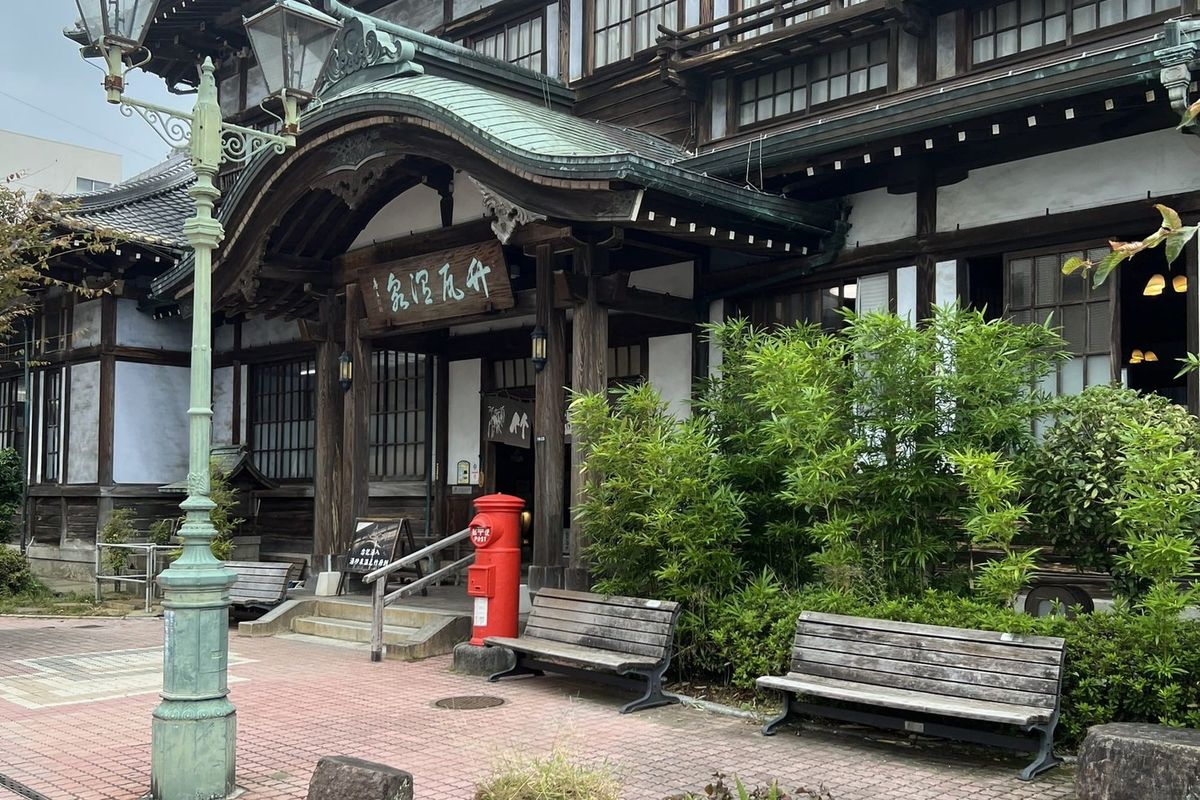
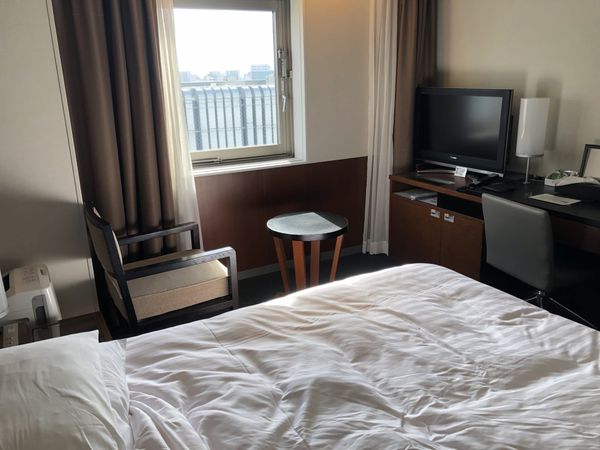
Onsen town vs city hotel with an onsen is not a question about water quality — plenty of city hotels sit on genuine hot springs. It is a question about what surrounds the bath. A city hotel gives you the water for roughly ¥10,290 for two at Dormy Inn Asahikawa, on a night you were paying for anyway. An onsen town gives you the evening: yukata on the street, dinner in the building, and a place that closes around the bath rather than beside it, from ¥16,760 for two at Jozankei View Hotel. If you want to bathe, the city version is enough. If you want the ritual, the city cannot supply it.
Check the label, not the marketing
Before any of this matters, establish what you are actually getting.
The term to look for is tennen onsen — natural hot spring. A hotel advertising a daiyokujo, a large communal bath, is telling you about the size of the room, not the source of the water. Many are heated tap water, and that is a perfectly good bath, but it is not an onsen.
Business hotel chains have made genuine springs a selling point in recent years, and some drill their own or truck water in. Dormy Inn Asahikawa runs a natural spring bath, and that class of property is the reason this comparison exists at all — twenty years ago there was no city option worth weighing.
What the town supplies that the water cannot
Walk out of an onsen town ryokan in the evening and you are wearing a yukata in the street. So is everyone else. The shops sell bath towels and bathing salts, the sound is wooden sandals on pavement, and there is nothing else scheduled.
That atmosphere is the product. It is not decoration around the bath — for most people it turns out to be the part they remember, and no city hotel reproduces it, because a city has other things going on.
The other half is dinner. In an onsen town the meal is usually in the building and included, which means the evening has no logistics in it. In a city you bathe, dress, go out, eat, come back. That is a perfectly nice evening. It is a different one.
The city version costs you nothing, which is the real argument
Here is the arithmetic that gets skipped. A night in an onsen town is an additional night, plus travel at both ends, plus a checkout that is commonly 10:00 and takes your morning with it.
A city hotel with an onsen is a night you were already booking. The bath is a free upgrade to a room you needed regardless. At around ¥10,290 for two, the marginal cost of the bathing is close to zero.
For a two-week Japan trip with a packed itinerary, that difference is decisive. You can bathe most nights in the cities you were already sleeping in, and spend the days on the trip you came for.
| Name | Area | Price range | Best for |
|---|---|---|---|
| Dormy Inn Asahikawa | Asahikawa, central | from ¥10,290 for two | The city version — a natural spring on a night you needed anyway |
| Jozankei View Hotel | Jozankei, about an hour from Sapporo | from ¥16,760 for two | The onsen town at close range, meals included |
| Hyoe Koyokaku | Arima Onsen, near Kobe | from ¥39,886 for two | A long-established town house, about 30 minutes from a major city |
Rates are the lowest advertised for two with no dates specified, checked in August 2026. Onsen town rates normally include dinner and breakfast while city hotel rates do not, so the gap in this table is smaller than it looks — the ¥16,760 line covers two meals for two people that the ¥10,290 line does not.
The answer is seasonal, which nobody says
In winter the gap is at its widest. Sitting in an outdoor bath in falling snow is the specific thing onsen towns exist for, and a city hotel's indoor bath on the ninth floor does not come close. If you are travelling between December and March and can spare one night, spend it in a town.
In summer the gap narrows sharply. Outdoor bathing in August is a brief pleasure rather than a long one, the town is hot, and the yukata-in-the-street evening is less appealing when the street is 32°C. The city bath at the end of a day of walking does most of the work for a fraction of the cost.
So the honest recommendation shifts with the calendar rather than holding all year, which is not how this question is usually answered.
What the city version does better
Two things, and both are practical.
Hours. City hotel baths often run late into the night and reopen early, so you can bathe at 01:00 after dinner and again before checkout. Onsen town baths have cleaning windows and men's and women's sides that switch on a schedule.
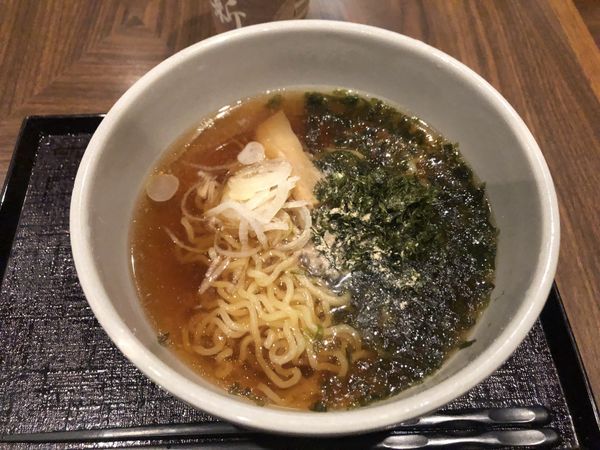
Food. In a city you choose dinner. In an onsen town you eat what the ryokan serves, which is usually excellent and occasionally not what you wanted after a long day. The business hotel chains have also built their own rituals around this — late-night noodles served free to guests is a common one, and it is more charming than it sounds.
Tokyo has more of these than visitors expect, and they are not confined to the quiet districts. The big public baths around Akihabara are the clearest case of a city hotel treating the bath as the reason to book rather than an amenity to list.
| If this is you | Choose | Price range | Best for |
|---|---|---|---|
| Two-week trip, packed itinerary | City hotel with onsen | from ¥10,290 | Bathe most nights, lose no days |
| Winter, one night to spare | Onsen town | from ¥16,760 | Outdoor bathing in snow is the whole point |
| Summer trip | City hotel with onsen | from ¥10,290 | The gap narrows sharply in August |
| The onsen is why you came | Onsen town | from ¥39,886 | Yukata evenings and meals included |
| Want to choose your own dinner | City hotel with onsen | from ¥10,290 | The town decides your evening for you |
For the town side, our onsen ryokan guide covers the country-wide picture and Arima covers the closest onsen town to a major city. For the city side, Sapporo hotels with onsen, Osaka hotels with onsen and Shinjuku hotels with onsen list the properties that actually run natural springs in each city.
FAQ: onsen town vs city hotel with an onsen
Do city hotels in Japan have real hot springs?
Some do. Look for tennen onsen, natural hot spring, rather than daiyokujo, which only describes a large communal bath and is often heated tap water. Several business hotel chains have made genuine springs a selling point, which is why this comparison exists at all.
Is it worth going to an onsen town if I only have two weeks in Japan?
One night, in winter. Outdoor bathing in snow is the specific experience a city bath cannot reproduce. In summer the gap narrows enough that bathing in the cities you were already sleeping in is the better use of the days, since a town night costs you travel at both ends plus a 10:00 checkout.
Which is cheaper?
The city, and by more than the headline suggests — but read it carefully. Onsen town rates normally include dinner and breakfast while city hotel rates do not. The real advantage is that a city onsen night is one you were paying for anyway, so the bathing is close to free.
Can I bathe late at night?
More easily in a city hotel. Those baths often run late and reopen early, so you can go in at 01:00 after dinner and again before checkout. Onsen town baths have cleaning windows and switch between men's and women's sides on a schedule, so the bath you liked in the evening may not be the one open at dawn.