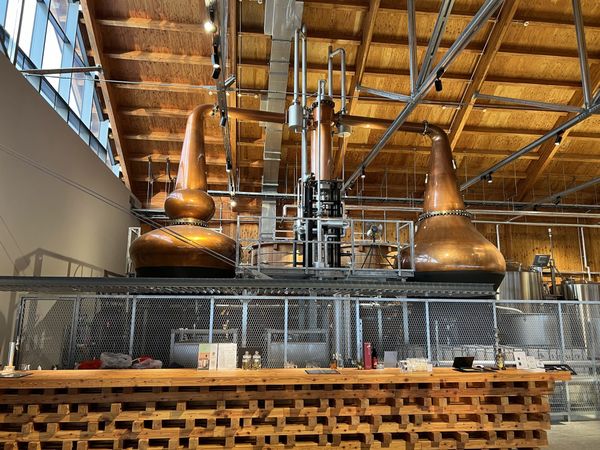
Niseko vs Kiroro vs Rusutsu: How Many Days Each One Holds
Niseko vs Kiroro vs Rusutsu compared on terrain volume, not snow quality: lift and run counts, and how many trip nights each resort's terrain actually holds.

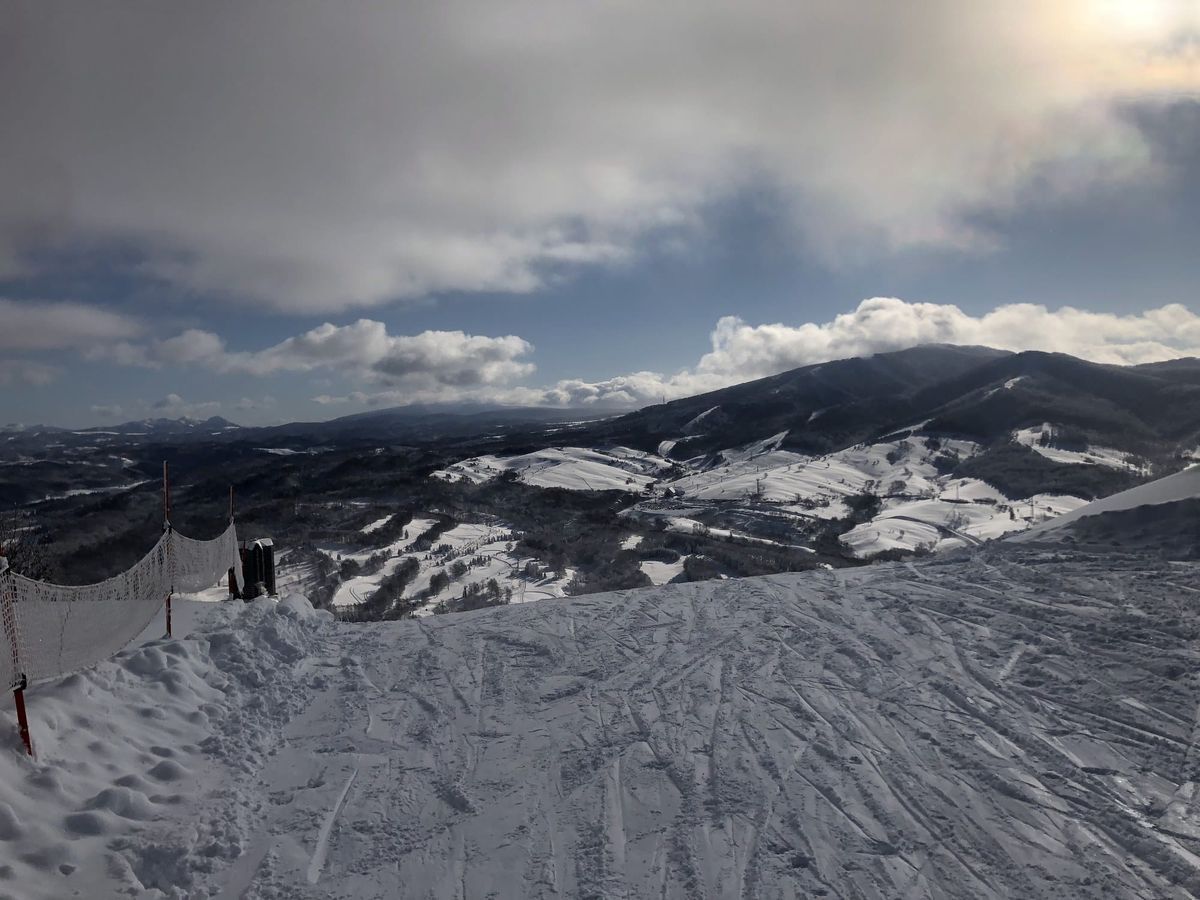
Quick Answer: Niseko vs Kiroro vs Rusutsu differ less in snow quality than in sheer size, and size is what decides how many days a trip can spend at each before the terrain starts repeating. Niseko United's four linked base areas and 73 marked runs hold a keen intermediate for roughly 7-8 ski days; Rusutsu's three mountains and 37 runs hold about 4-6; Kiroro's two peaks and 23 runs are comfortably covered in 3-4. A 5-night trip fits Kiroro without ever feeling short, while a 10-night trip is where Niseko's extra base areas start to earn their keep - Club Med Kiroro Grand suits the shorter stay and Hilton Niseko Village suits the longer one. The one condition that changes the answer: a group that is happy to ski the same sector all week for the sake of ski-in ski-out convenience gets more days out of any of the three than the terrain math below suggests.
Terrain volume side by side
Lift and run counts are the most direct way to compare how much terrain a trip is actually buying, and all three resorts publish them. The figures below are drawn from each operator's own trail-map and resort-guide pages - Niseko United's own lift and area page, Kiroro's Snow World trail map and Rusutsu Resort's own course overview - cross-checked against independent ski-data aggregators where the operator page did not state a single combined total (checked August 2026).
| Resort | Lifts | Marked runs | Base areas / sectors | Skiable area† | Vertical drop | Days before terrain repeats* |
|---|---|---|---|---|---|---|
| Niseko United (Grand Hirafu, Hanazono, Niseko Village, Annupuri) | 30 (6 gondolas, 24 chairlifts) | 73 | 4 interlinked | ~1,133 ha (2,800 acres) | ~940 m | ~7-8 |
| Rusutsu Resort | 18 (4 gondolas, 7 quads, 7 pairs) | 37 | 3 (West Mt, East Mt, Mt Isola) | ~820 ha | 594 m | ~4-6 |
| Kiroro Snow World | 8 (5 high-speed, 3 pair) | 23 | 2 (Asari, Nagamine) | ~152 ha | 610 m | ~3-4 |
*See the method below - this is not a resort-published figure. †Skiable-area figures are each operator's own published numbers and are not confirmed to use the same measurement standard (total permitted terrain vs. patrolled/groomed runs can differ) - read this column as an order-of-magnitude comparison, not a precise like-for-like one.
What "holds" means
"Holds" here means the number of ski days it takes an intermediate skier, riding lifts all day, to have covered every distinct base area or sector at least once and started lapping familiar runs. The method is deliberately mechanical: one day per base area or sector at a relaxed pace, compressed toward the low end of the range for a fitter group covering more ground per day and stretched toward the high end for a group taking half-days or resting through weather. It is a terrain-volume estimate, not a claim about how interesting any given run feels - snow quality, crowding and personal ski level all move the real number and are outside what this article measures.
Niseko - four base areas, and what that does to a week
Niseko United links four separately operated ski areas - Grand Hirafu, Hanazono, Niseko Village and Annupuri - under one all-mountain lift pass, with the Hanazono-and-Hirafu-only ticket covering roughly 60% of the total terrain. Getting between all four in a single day involves lift and, at times, road connections rather than one continuous piste network, which is why a trip built around exploring every sector reads as a full week rather than a long weekend. A shorter trip is not a problem here; it simply means picking two of the four base areas rather than treating the pass as an obligation to ski all of them.
Kiroro - two peaks, a compact trail map, and why it reads as a shorter stay
Kiroro Snow World is built around two connected peaks, Asari and Nagamine, with a longest run of about 4,050 m and a base-to-summit vertical of roughly 610 m. Eight lifts serve 23 runs, which a group skiing full days can realistically lap through in three to four days without repeating the same run more than once or twice a day. That compactness is also what makes Kiroro workable as the ski component of a mixed trip - a family adding a non-ski day in nearby Otaru or Yoichi is not leaving terrain unskied so much as trading a fourth ski day it did not strictly need.
Rusutsu - three mountains and the tree runs between them
Rusutsu is the largest ski area in Hokkaido run by a single operator - bigger than any one of the four separately operated base areas that make up Niseko United, though smaller than Niseko United's four-area combined total - spreading 37 runs across three peaks - West Mountain, East Mountain and Mount Isola - connected by gondola, for a combined run length of about 42 km. The two main mountains sit some distance apart from Isola, which in practice means a full circuit of the resort is a project rather than a warm-up lap. That size puts Rusutsu between the other two for trip length: enough terrain to fill most of a week without repetition, but without the four-way base-area split that stretches Niseko toward ten nights.
Matching days to resorts
The transfer cost between resorts is real and works against splitting a short trip: Kiroro to Niseko runs roughly 1-1.5 hours by road, and Niseko to Rusutsu roughly 2-2.5 hours, so combining resorts inside a single trip generally only pays off on longer itineraries. Three worked splits, each keeping the group at one resort for its ski days rather than switching mid-trip:
- 5 nights: Kiroro for the full stay - its terrain volume matches the trip length closely, leaving room for one non-ski day nearby without any base areas going unskied.
- 7 nights: Rusutsu for the full stay - three mountains are enough to avoid repetition across five or six ski days, with a rest day for the resort's other facilities.
- 10 nights: Niseko for the full stay - the extra length is what lets a group work through all four base areas rather than defaulting to just Hirafu and Hanazono.
Where to sleep for each split
From-rates below are for two guests in a standard room and vary sharply by season - Christmas, New Year and late-January powder weeks price several tiers above the quoted floor.
| Name | Area | From price (2 guests) | Best for |
|---|---|---|---|
| Club Med Kiroro Grand | Kiroro | from ¥140,000 per adult per night, all-inclusive, mid-January | The 5-night Kiroro stay, ski-in ski-out with meals and lift access bundled |
| Yu Kiroro | Kiroro | from ¥160,000 for two per night, mid-January | Kiroro self-catering with a hot-spring bath, room-only |
| The Westin Rusutsu Resort | Rusutsu | from ¥210,000 for two per night, mid-January | The 7-night Rusutsu stay, direct slope access from the main tower |
| Hilton Niseko Village | Niseko Village | from ¥42,000/night | The 10-night Niseko stay, based at the Niseko Village end of the four-area pass |
Two existing guides go deeper on the questions this article deliberately leaves out: Kiroro and Niseko compared on snow, crowds and price, and Rusutsu measured against Tomamu. For the wider question of where to sleep at any of the three, see Kiroro accommodation, Rusutsu accommodation and the national overview of slope-side or town base in Japan.
The three resorts are close enough to combine: Kiroro to Niseko, Kiroro to Rusutsu and Niseko to Rusutsu each have a transfer page with times, and how to get between Hokkaido ski resorts puts the whole matrix on one page. For Kiroro's terrain in detail, see the Kiroro ski resort guide; for the booking deadlines that decide which combination is still available, see when Japan ski hotels sell out.
FAQ: how many days at each Hokkaido resort
Is Niseko too big for a 5-night trip?
No - a 5-night trip at Niseko simply means picking one or two of the four base areas (Hirafu and Hanazono, or Niseko Village and Annupuri) rather than trying to cover all four. The all-mountain pass still works across areas on any given day; the limit is time, not access.
Will a week at Kiroro get boring after a few days?
Kiroro's 23 runs across two peaks are realistically covered in three to four full ski days by an intermediate group. A 7-night trip usually adds one or two non-ski days - a day trip to Otaru or Yoichi, both under an hour away - rather than more repeated runs on the same 23.
How much time does moving between resorts cost?
Roughly 1-1.5 hours by road between Kiroro and Niseko, and roughly 2-2.5 hours between Niseko and Rusutsu. On a trip under a week, that transfer time is usually better spent skiing at one resort than split across two.
Which resort holds the most terrain overall?
Niseko United, by a wide margin: 73 runs across four linked base areas against Rusutsu's 37 across three and Kiroro's 23 across two (checked August 2026). Size is not the same as quality - see the linked snow-and-crowds comparison for that question - but for trip-length planning, Niseko is the one that can absorb the longest stay.