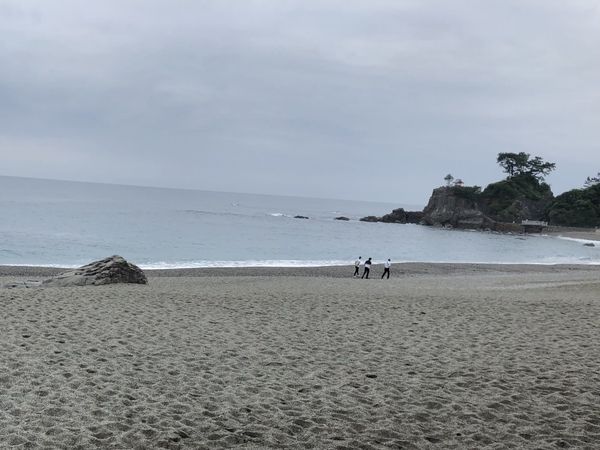
Where to Stay in Kochi: Station Area or Harimayabashi?
Where to stay in Kochi: the JR station area is the easier base; Harimayabashi and OMO7 Kochi work too, with a ¥230 flat tram fare in the city zone.
Where to stay in Kochi: the JR station area is the easier base; Harimayabashi and OMO7 Kochi work too, with a ¥230 flat tram fare in the city zone.
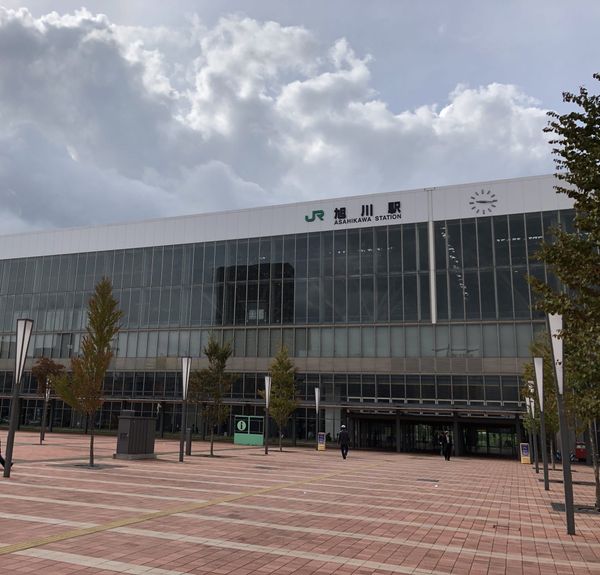
JR Inn Hokkaido rules: check-in 15:00, check-out 10:00 at all six, preschoolers co-sleep free, large baths at five of six (checked Oct 2026).
Daiwa Roynet with kids: Takamatsu tops out at three, Kyoto Shijo has a 4-bed room, Utsunomiya lets primary-school kids co-sleep free. Check-in 2pm.
Dormy Inn with kids: under-3s co-sleep free, ages 3 through elementary school pay ¥3,000, one child per bed, no cots. Otaru FAQ, Oct 2026.
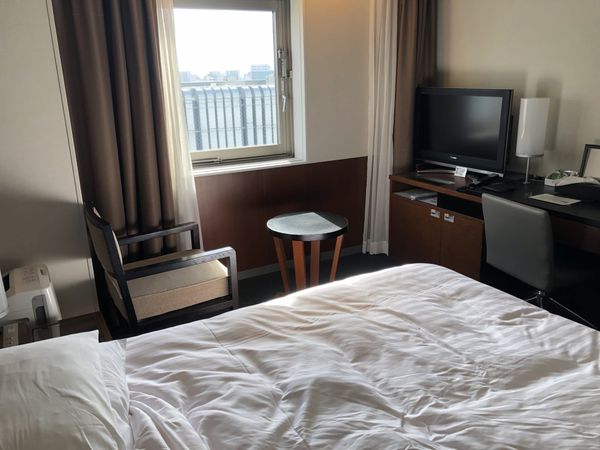
Tokyu Hotels with kids: under-school-age co-sleeping is free at Hakata, Matsue and Kumamoto, ¥1,000 at Yokohama REI. Cancel by 3pm the day before.
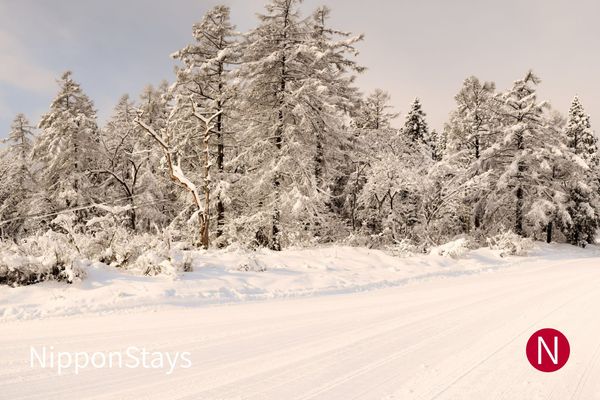
How to get to Lotte Arai Resort: a free guest shuttle from Joetsumyoko, booked by 7am, or fly Seoul-Niigata then train (checked Sept 2026).
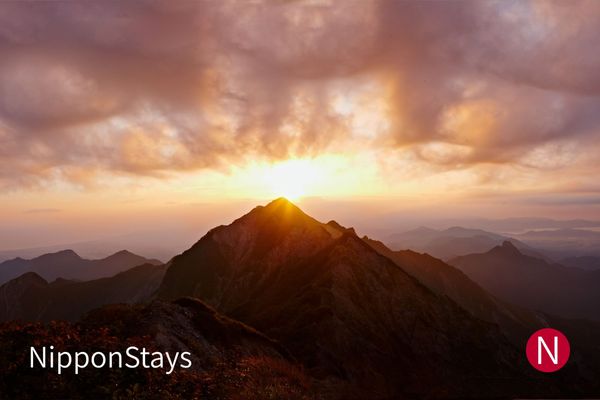
Palcall Tsumagoi's sunrise gondola runs 6:30-8am (6am from March), Wed/Sat/Sun/holidays, for ¥3,500 — but only guests staying at the base can make it.
Palcall Tsumagoi Resort Hotel sits on the slope with a guest-only shuttle; Baragi Kogen Lodge is the quieter option next door for 2026-27.
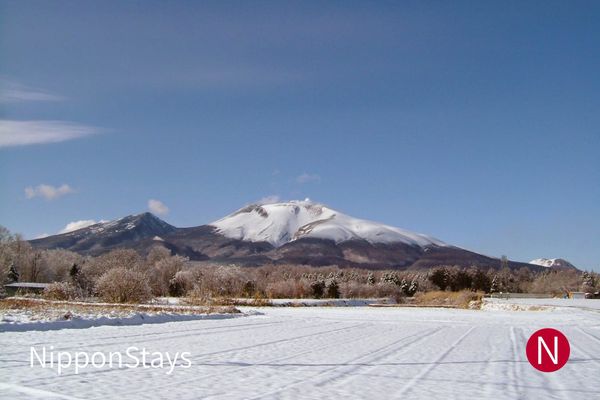
How to get to Palcall Tsumagoi from Tokyo without a car: Shinkansen to Karuizawa, then the guests-only free shuttle or a bus-plus-taxi route.
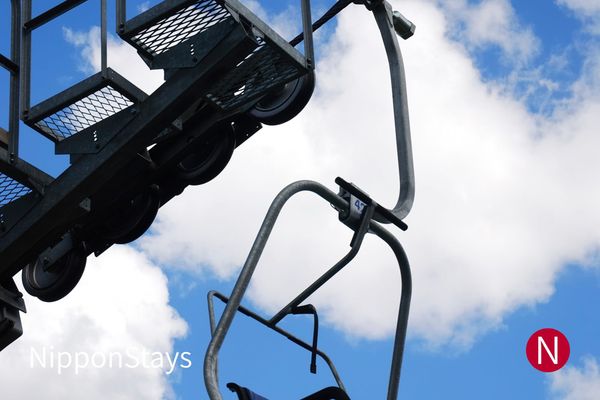
Palcall Tsumagoi lift tickets: ¥3,800 (adult) and ¥998 (child) if bought in September, rising each month with no blackout dates. Full family pricing inside.
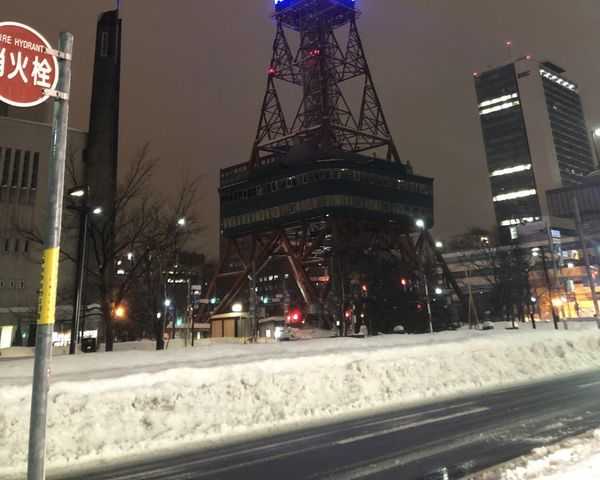
A stroller in Sapporo in winter mostly fails outdoors — here's which underground routes, hotels, and snow rules decide if it actually works.
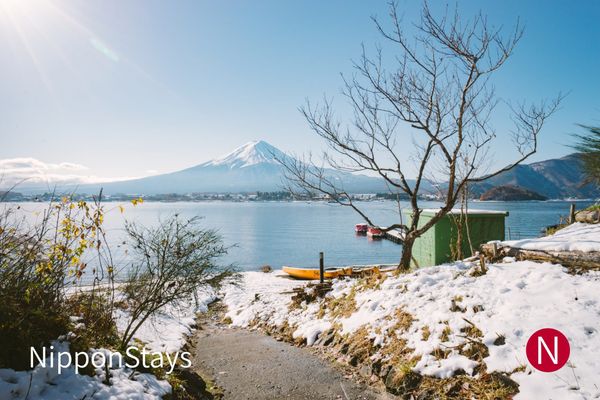
Fujiten (Kawaguchiko, has a ski slope) or Grinpa/Yeti (Gotemba, amusement park attached) for Mt Fuji snow play with kids — and which town to sleep in.
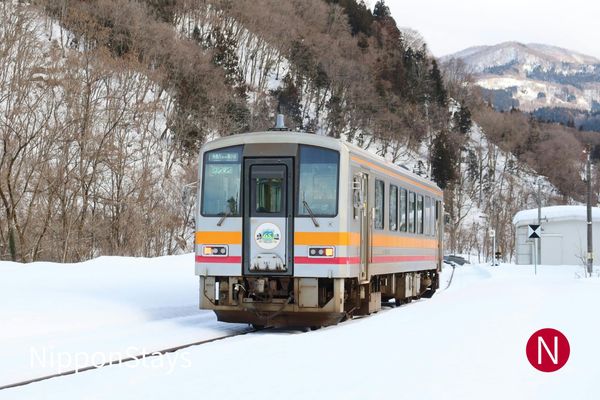
Karuizawa
Karuizawa winter with kids: why the ski resort opens on artificial snow, what fills a non-ski day, and which of 6 hotels sleeps four with an onsen.
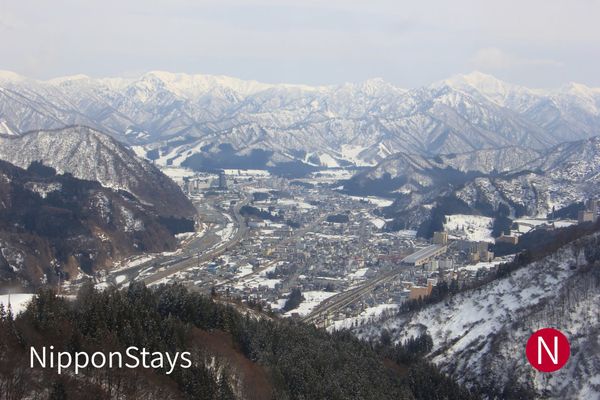
Yuzawa
GALA Yuzawa with kids: whether to day-trip or stay over, how the free snow-play park works, and which Echigo-Yuzawa hotels sleep four.
Japan
GALA Yuzawa, Karuizawa, or Fuji-area parks for a snow day trip from Tokyo with kids: travel time, snow guarantee, and the last train back compared.
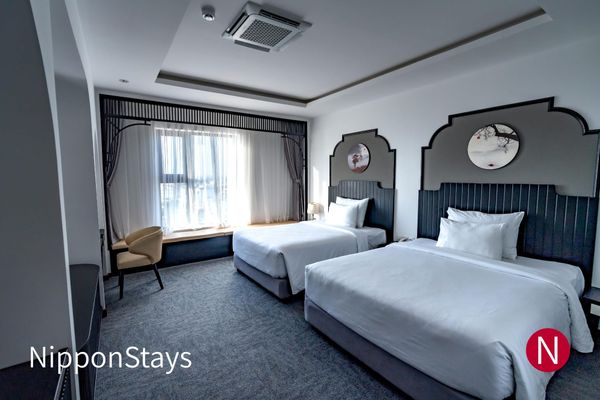
Japan
City hotels bill per room (one room usually wins); ryokan bill per adult (room count barely matters) — until a child ages out of free bed-sharing.
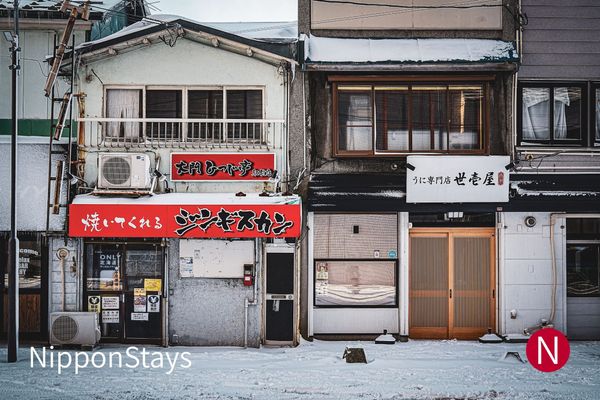
Hakodate
Which Hakodate hotels actually have a room for four in winter: Yunokawa onsen, the Bay, and the station-front hotels that cap at two.
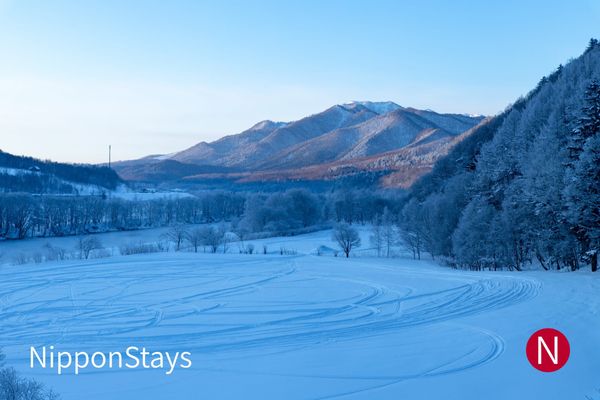
Furano
Where to stay in Furano with kids: the ski-in Prince suite and station-front condo that officially sleep four, verified on each hotel's room page.
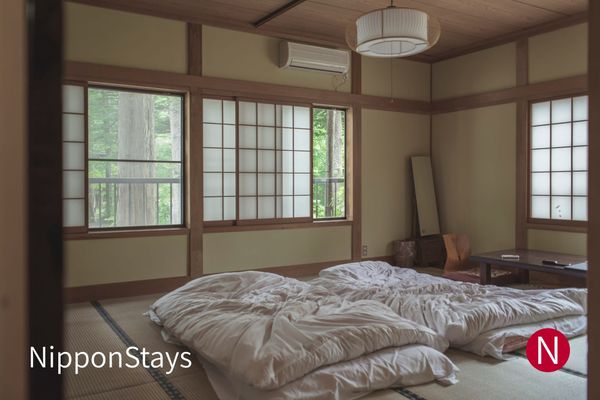
Niseko
Niseko hotels that sleep 4 in one room: only 5 of the 10 Hirafu, Niseko Village, Annupuri and Hanazono properties we checked have a true four-person room.
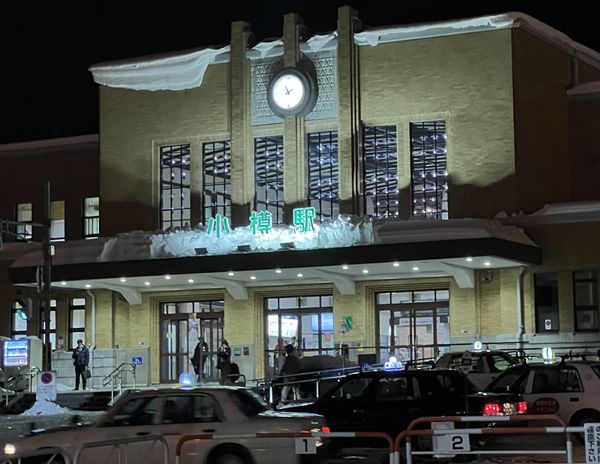
Otaru
Otaru family hotels rooms for 4: which room types actually sleep four, checked against each hotel's own room page (September 2026).
Japan
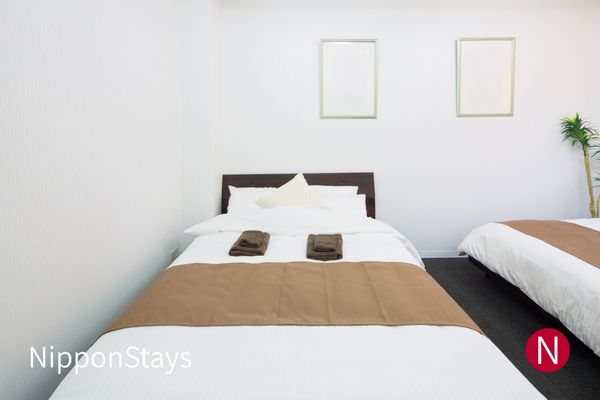
Which Japan ski hotels really sleep four? The room types that work, and 10 Hokkaido/Honshu properties checked against official capacity (Sept 2026).

New Chitose
Ski the morning you fly home from Sapporo? A base-by-base check of Kiroro, Rusutsu, Tomamu, Chitose and Sapporo against New Chitose's 16:15 UA235 departure.
Japan
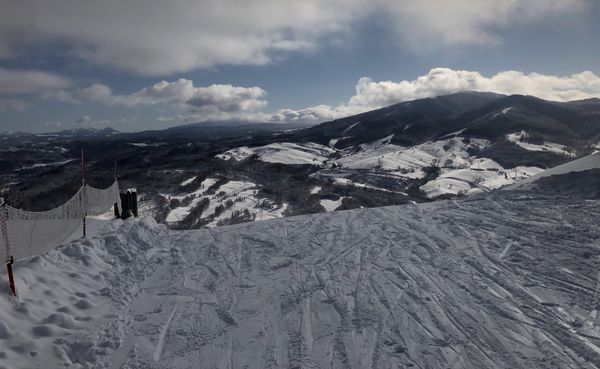
Japan's ski rope rules: Niseko's 11 gates, Kiroro's off-piste areas, and Rusutsu's boundary system, and what crossing a rope actually costs you.
Japan
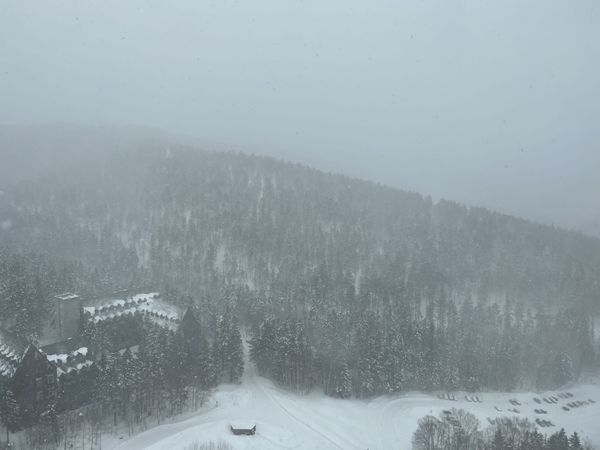
When do Hokkaido ski resorts open for 2026-27? Posted opening dates for Niseko, Rusutsu, Kiroro, Furano, Tomamu and Sapporo, resort by resort.