Taking Skis on Buses and Trains in Hokkaido: What's Allowed
Can you take skis on Hokkaido buses and trains? Yes on buses at no charge; JR now requires a reserved seat from March 2026. What's allowed, mode by mode.
Taking skis on buses and trains in Hokkaido is straightforward on the bus side: skis and snowboards go in the luggage bay of the resort and airport buses at no extra charge, and across the routes I know best, because JR Hokkaido treats an oversized bag differently from a piece of general luggage, and one rule change for 2026 makes the trains stricter in a way that has nothing to do with skis at all. The condition that changes the answer: if you're moving between resorts on a JR limited express, you now need a seat reservation regardless of how much gear you're carrying. For route-specific timetables and fares between resorts, see the full Hokkaido transfer guide.
On the bus: what this is based on
Being straight about the source here matters more than sounding authoritative. I ski more than 150 days a season out of Kiroro, but these days I drive almost all of them. I used the buses regularly in earlier seasons, and I still watch friends load gear onto them most weeks, which is where the current picture comes from — observation and recent second-hand experience, not a fresh ride on every route.
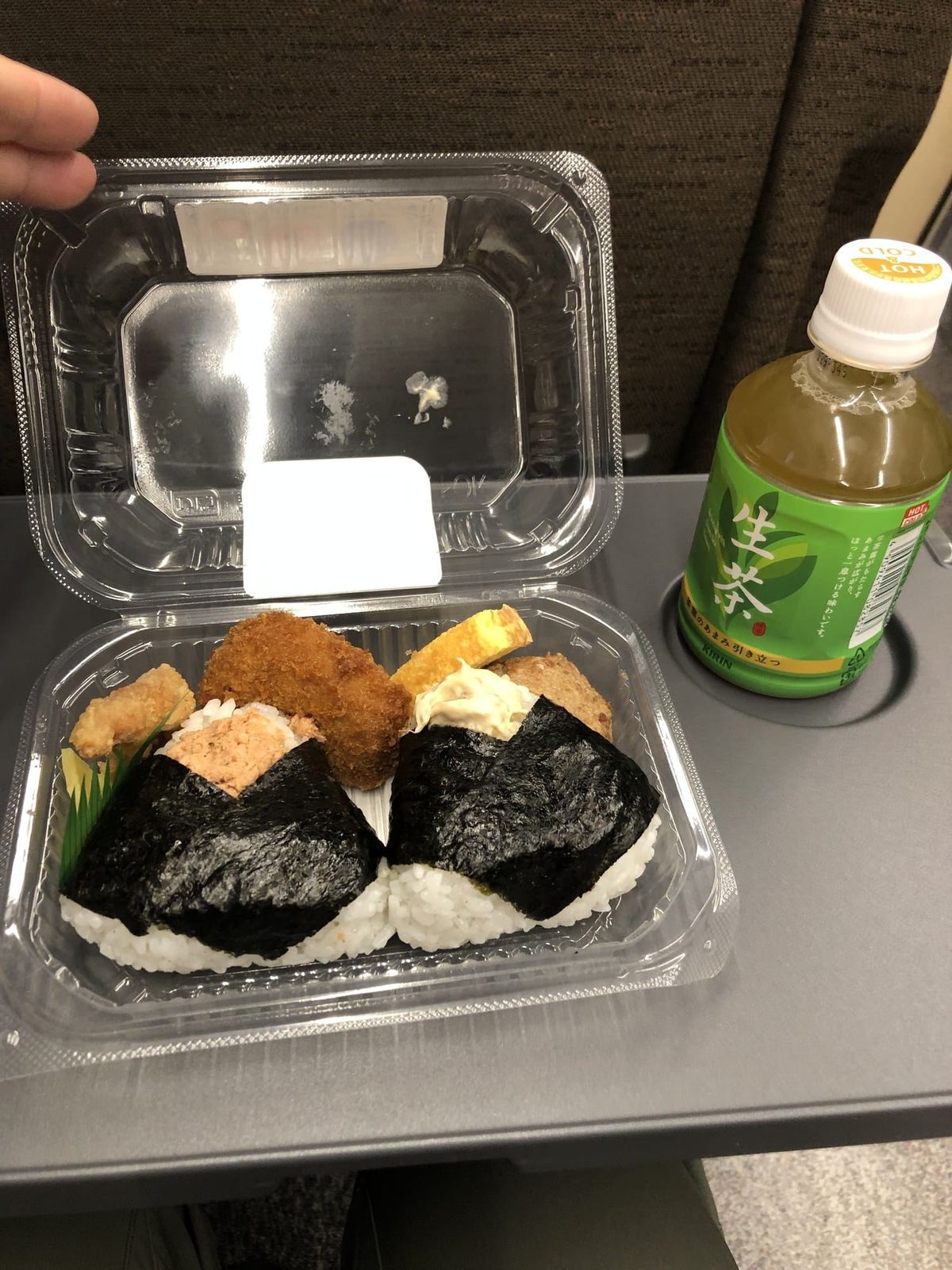
⭐ One thing worth paying for on the Rapid Airport service: the reserved u-Seat car. It costs ¥530 on top of the ordinary fare (a New Chitose–Otaru ticket came to ¥2,440 in total — ¥1,910 fare plus ¥530 reservation), and unlike the unreserved cars it has a tray table. That turns the ride into somewhere you can actually eat a station bento with your gear stowed, rather than balancing it on your knees. Slot the ticket into the holder on the seat back — that is where the conductor expects to find it, and it saves being woken up for a check.
On that basis: skis and boards go into the hold under the bus alongside regular suitcases, the resort liners do not add a gear surcharge, and neither I nor the people I ski with have seen a driver turn a bag away for space. That is one corner of Hokkaido — the Sapporo, Chitose and Otaru routes into Kiroro — and it is not a guarantee about an operator you are booking somewhere else. Where a rule matters to your trip, the operator publishes its baggage terms and that is what to check.
The one expectation that shows up consistently is that gear is in a case or a cover — loose skis are the exception, not bagged ones. A soft-sided bag of reasonable size goes under with everything else and you do not think about it again until you are pulling boots on at the resort.
What the operators actually publish
Kiroro's resort shuttle and the Chuo Bus scheduled service both carry ski and snowboard equipment in the under-bus hold as standard, with no published gear surcharge and no separate reservation for the equipment itself — you book the seat, the gear travels with you. Chuo Bus's stated expectation is that boards and skis are in a bag or case before they go into the hold, which matches what I see in practice. Neither operator's English-language page publishes a hard piece limit for ski bags specifically, so if you're travelling with more gear than a normal ski-boot-poles set per person, it's worth confirming with the operator directly for your travel date rather than assuming.
At-a-glance: gear by mode of transport
| Mode | Where the gear goes | Extra charge | Reservation needed | Watch out for |
|---|---|---|---|---|
| Resort/airport bus | Under-bus luggage hold | None published | Seat only, not gear | Bag or case your skis before boarding |
| JR limited express | Designated luggage area if the train has one; otherwise your seat area | None for skis/boards | Reserved or Unassigned Seat Ticket required from 14 Mar 2026 | No more unreserved cars in Hokkaido as of 2026 |
| Taxi (sedan) | Trunk, or a winter roof carrier where fitted | None; fare is vehicle-based | Book ahead in ski season and say you have skis | Two ski bags in the trunk alone; ask for a carrier or a van |
| Taxi (van, e.g. MK Alfard) | Inside the vehicle; long skis fit | Van rate | Yes, by phone — MK has an English line | Request the vehicle class when booking, not on arrival |
| Private transfer van | Rear cargo area | Included in vehicle fare | Yes, days ahead in peak season | Confirm the ski/board allowance for your vehicle class |
| Takkyubin courier | Delivered separately from you | ~¥2,000–3,000 per bag | Drop off a full day before you need it | Not same-day for most intra-Hokkaido routes |
Of the five ways to move gear around Hokkaido above, only one of them changed its rules for 2026-27: JR's shift to reservation-only limited expresses, effective 14 March 2026 (checked August 2026). The bus hold and the taxi trunk work the same way they have for years — but the courier network has quietly got harder, which is covered below.
On JR: the oversized-baggage rule is the part visitors get wrong
JR Hokkaido's general carry-on allowance is two pieces per passenger, each under 250cm in combined dimensions (height plus width plus depth), under 2m in any single dimension, and under 30kg. The mandatory oversized-baggage reservation you may have read about elsewhere is a Shinkansen-specific rule — it applies on the Tokaido, Sanyo, Kyushu and Nishi-Kyushu Shinkansen lines, not to JR Hokkaido's limited expresses at all, and even on those Shinkansen lines skis, snowboards and musical instruments are exempted from it as sports and instrument gear. So you don't need to book a dedicated luggage seat just because you're carrying a ski bag in Hokkaido. Some limited express trains have a designated luggage area; on services that don't, stowing your own bag safely is your responsibility, and it's worth asking staff where to put a longer bag rather than blocking the aisle.
The bigger change for 2026-27 has nothing to do with skis: from 14 March 2026, every limited express train in Hokkaido requires either a Reserved Seat Ticket or an Unassigned Seat Ticket — the old unreserved-car option is gone. An Unassigned Seat Ticket lets you sit in any open reserved seat but you have to move if the ticketed passenger turns up, and if the train is full you stand, with no refund. For a resort-to-resort trip with gear, that makes booking a reserved seat ahead of time worth the few minutes it takes, since standing in a vestibule with a ski bag for an hour is a bad way to start a ski day. For how far ahead you actually need to book across Hokkaido's ski transfers, see booking windows for these services.
Packing so the bag survives the transfer
A soft-sided bag with wheels beats a hard case on every Hokkaido transfer that involves a station: you'll carry it up at least one flight of stairs somewhere, since not every regional platform has a lift that lines up with where you need to be. A separate boot bag you can carry on as a backpack keeps your feet dry-shoe comfortable for the transfer itself and takes weight out of the ski bag, which matters when you're the one lifting it into a bus hold. None of this needs to be expensive gear — a bag that's easy to carry matters more here than a bag with a lifetime warranty.
Taxis and private transfers with gear
A standard Japanese sedan taxi realistically takes two ski bags and two passengers with day bags before the trunk is full; a third set of skis usually means the boot area is packed to the point that the driver will ask about it. Two things change that maths in Hokkaido, though. Plenty of taxis here run a roof carrier through the winter — a rack fitted specifically for skis and boards — which takes the length problem out of the trunk entirely. And MK Taxi lets you request an Alfard (a large minivan), which swallows long skis inside the vehicle; combined with a carrier it handles a full party's gear. The practical move is to say you are carrying skis when you phone to book, rather than discovering the vehicle is wrong when it pulls up. MK also runs an English-language booking line, which is the easier route if your Japanese is not up to describing ski-bag dimensions over the phone.
The transfer day problem: your gear arrives before you do
Takkyubin — Japan's door-to-door courier network — will move a ski bag between hotels for roughly ¥2,000–3,000 depending on size and distance, and it's a genuinely good option if you're switching resorts and don't want to carry gear on a travel day. ⚠️ Skis and boards are handled differently from ordinary luggage, and the difference has caught people out. Yamato's own ski service states that skis and snowboards cannot be sent from convenience stores, or from some agent shops — so the usual "drop it at the konbini" advice does not apply to your ski bag. You need a Yamato branch office, an agent that handles skis, a delivery locker, or a pickup from where you are staying. Ordinary suitcases are still widely accepted at hotel front desks; it is the ski bag specifically that has tightened up, so ask your hotel whether they will send skis out rather than assuming the desk handles it the way it handles a suitcase. Yamato also asks for its own ski cover, will not take more than two pairs in one consignment, and caps items at 30kg. On timing, the service is built around sending gear ahead: Yamato's own guidance is to despatch two days before you play (three in some areas) so it arrives the day before, which is the same lesson as
Buses get you there; they do not get you there first
Scheduled resort buses are timed to land at or just after lift opening, which is fine for an ordinary ski day and not fine on a powder morning. On a fresh-snow morning, an early bus from Otaru gets you on the lift close to opening — a normal, workable day — but the first tracks are already gone by then. If chasing first tracks specifically is the point of the trip, the scheduled bus is the wrong tool regardless of how early it runs; that's a driving or taxi decision, not a gear-handling one, and I cover the trade-off in whether to drive in a Hokkaido winter and, for Kiroro specifically, in bus or rental car for Kiroro.
Where to stay when you are moving with gear
Ski-in/ski-out properties mean one carry between your room and the lift; town bases like Otaru mean two carries a day, once to the bus stop and once from it. Neither is wrong, but if you're already forwarding gear on a transfer day, a slope-side room removes the second carry on the days that matter most. Rooms at Authent Hotel Otaru start from ¥11,000 per room a night; Club Med Kiroro Grand is all-inclusive and starts from ¥50,000 per person a night (checked July 2026) — rates vary by season and are highest over the New Year and February peaks.
| Property | Base type | Best for |
|---|---|---|
| Club Med Kiroro Grand | Ski-in/ski-out, Kiroro | Minimum carries, one bag lift to the room |
| Yu Kiroro | Ski-in/ski-out, Kiroro | Self-catering stays with gear stored in-suite |
| Authent Hotel Otaru | Town base, Otaru | Splitting time between Kiroro days and Otaru rest days |
| The Westin Rusutsu Resort | Ski-in/ski-out, Rusutsu | Rusutsu-side stays after a gear-heavy transfer day |
For the full range of options at each end, see where to stay at Kiroro.
Trip Essentials for New Chitose
Things worth booking before you land, all in English:
- eSIM — Airalo's Japan eSIM: install it at home and data works as soon as you switch off airplane mode at New Chitose Airport.
- Airport transfer — Klook covers bus, train, and private transfers from New Chitose Airport.
- Tickets and day trips — Klook covers Sapporo day trips, ski passes, and airport transfers; booking ahead skips the ticket-window line.
Heading beyond Hokkaido with the same bag? The rules change on the Shinkansen, where skis and snowboards packed in a bag count as sports equipment and are exempt from the reserved oversized-baggage seat that catches other long items. taking skis on the Shinkansen sets out which trains and which seats that applies to.
FAQ: travelling with skis in Hokkaido
Do Hokkaido buses charge extra for skis or snowboards?
Not on the resort and airport shuttle services checked for this article — ski and board equipment travels in the under-bus hold as part of your normal fare, provided it's bagged or cased. There is no separate published gear fee on the Kiroro liner or Chuo Bus's Otaru–Kiroro route.
Do I need to reserve a seat for my skis on a JR train in Hokkaido?
No — skis, snowboards and musical instruments are exempt from the oversized-baggage reservation JR requires for large suitcases. What you do need, as of 14 March 2026, is a Reserved Seat Ticket or Unassigned Seat Ticket for yourself, because Hokkaido's limited express trains no longer have unreserved cars.
How many ski bags fit in a Japanese taxi?
Realistically two ski bags in a standard sedan alongside passenger day bags. A third set of skis usually means the trunk is full, so a party of three or more travelling with full gear should book a van-class private transfer rather than hailing a taxi.
Can I ship my skis ahead to my next hotel instead of carrying them?
Yes, for roughly ¥2,000–3,000 per bag — but skis are not treated like a suitcase. ⛔ Yamato will not accept them at convenience stores or at some agent shops, so a ski bag needs a Yamato branch, an agent that handles skis, a locker, or a pickup. Ordinary luggage is still fine at most hotel desks; ask specifically about skis. Send two days before you play so it arrives the day before (Yamato's ski service page, checked August 2026).