Where to Stay in Kumamoto: Areas, Trams and the Aso Question
Kumamoto splits its transport hub from its social centre. Which tram stop to book near, five hotels priced in August 2026, and when the station side wins.
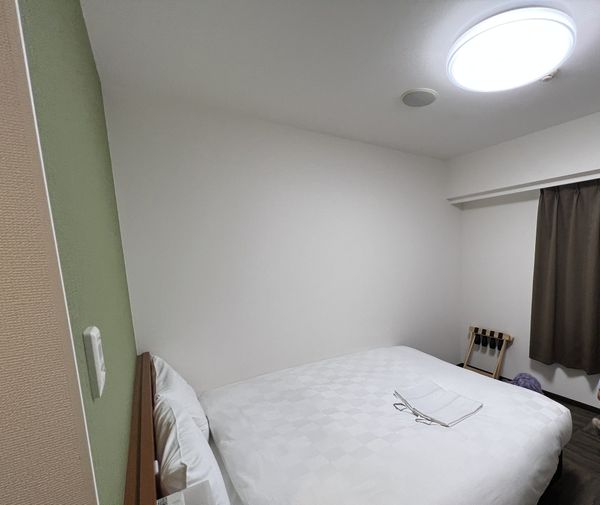
For most visitors deciding where to stay in Kumamoto, the tram line settles it: sleep along the Torichosuji–Karashimacho stretch in the centre, walk to the castle and the arcades, and ride ten to twenty minutes to the station when you need the Shinkansen. Rooms for two start around ¥7,000, and the useful surprise is how flat that tier is: Daiwa Roynet Hotel Kumamoto from ¥7,000, Mitsui Garden Hotel Kumamoto from ¥7,200 and Kumamoto Tokyu REI Hotel from ¥7,900 (our review) sit within ¥900 of each other at their lowest advertised rates (two guests, checked August 2026). The rate does not decide this — location and what the hotel gives you do. The answer flips to the station area if you have an early train or an early airport bus, because the city centre is not walkable from JR Kumamoto Station.
The city is small, but it has two centres
Kumamoto separates the transport hub from the social centre, and travellers who assume they are the same place book the wrong side. JR Kumamoto Station is where the Kyushu Shinkansen stops. The shops, the restaurants, the arcades and the castle are a tram ride away in the centre, around Karashimacho, Hanabatacho and Torichosuji.
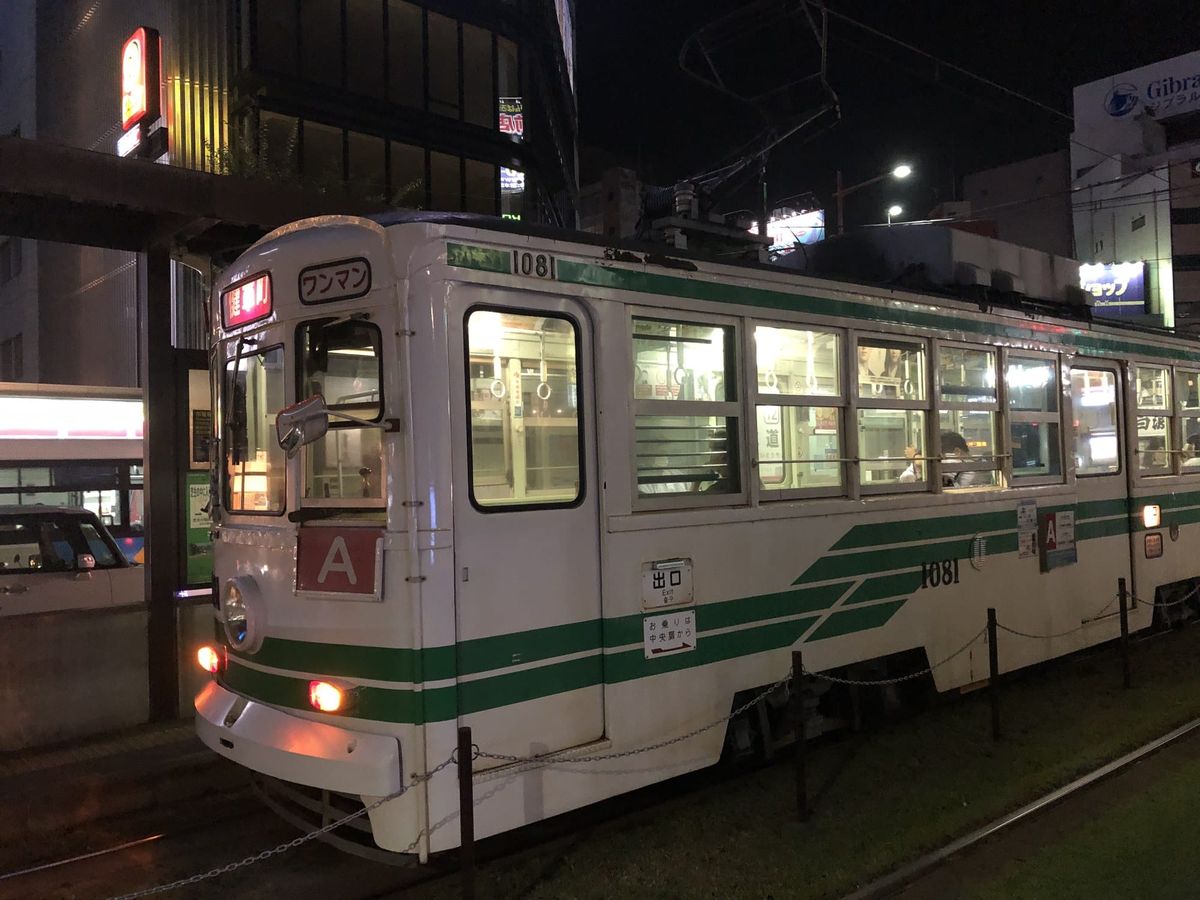
The tram is the thread between them. It is frequent, it is simple, it runs past the castle, and the fare is a flat ¥200 for adults (¥100 for children) since June 2025 — no fare table to decode. From JR Kumamoto Station the ride is roughly ten minutes to Karashimacho and about seventeen to Hanabatacho, which is close enough that either base works — but far enough that you will not walk it with luggage.
The three areas, and who each one suits
| Name | Area | From price (2 guests) | Best for |
|---|---|---|---|
| Mitsui Garden Hotel Kumamoto | 5-min walk from Karashimacho tram stop | from ¥7,200 | Quietest of the three at the same rate; 5-min walk to the bus terminal |
| Daiwa Roynet Hotel Kumamoto | Hanabatacho, 1-min walk from the tram stop | from ¥7,000 | The cheapest of the three at our check, and the closest to the arcades |
| Daiwa Roynet Hotel Kumamoto Ginzadori PREMIER | Ginza-dori, 2-min walk from Hanabatacho | from ¥10,600 | Walking distance to the Shimotori arcade for dinner |
| Kumamoto Tokyu REI Hotel | Karashimacho, about 10 min by tram from the station | from ¥7,900 | Multi-night stays — it has a guest coin laundry |
| ANA Crowne Plaza Kumamoto New Sky | 1-min walk from Gionbashi tram stop; 8-min walk from JR Kumamoto Station | from ¥12,000 | A full-service hotel when the business-hotel tier is not enough |
Every figure above is for one room at two guests, so the rows compare like with like. Rates vary by season and day of week; these were the lowest advertised at our check in August 2026, not a guaranteed nightly price.
Central: Torichosuji, Hanabatacho, Karashimacho
This is the default recommendation. The Shimotori and Kamitori arcades run through it, dinner is a walk rather than a journey, Kumamoto Castle is at the north end, and Sakuramachi Bus Terminal — where the airport limousine arrives — sits inside the same few blocks. If you are in Kumamoto for Kumamoto, stay here.
Kumamoto Station
Choose the station only for a reason: a Shinkansen before the trams get useful, a Hohi Line departure for Aso, or an airport bus at an hour when you do not want to be moving luggage across town. It is a competent area with a shopping complex attached, but the evening happens in the centre.
Sakuramachi and Karashimacho
The bus terminal quarter is the compromise. It is centre-adjacent, it is where long-distance and airport buses start, and it puts the castle within a walk. For a trip that treats Kumamoto as the pivot of a wider Kyushu loop, this is the most efficient base of the three.
What you are actually here to see
Kumamoto Castle is the anchor, and its state matters for planning. The main keep has been restored and is open under a special public access arrangement, at ¥800 for high school students and above and ¥300 for elementary and junior high students; an annual pass is ¥1,600. The wider site is still a construction project. The Uto Turret finished its dismantling and preservation phase in 2025, with investigation and design work starting in March 2026 and restoration itself scheduled to begin in 2028 and finish around 2032.
Read that as good news with a caveat: the castle is very much worth a visit, and parts of it are scaffolding. Anyone expecting an undamaged castle a decade after the 2016 earthquakes will be surprised; anyone who understands they are watching a restoration in progress will find it the most interesting thing in the city.
Using Kumamoto as a hub
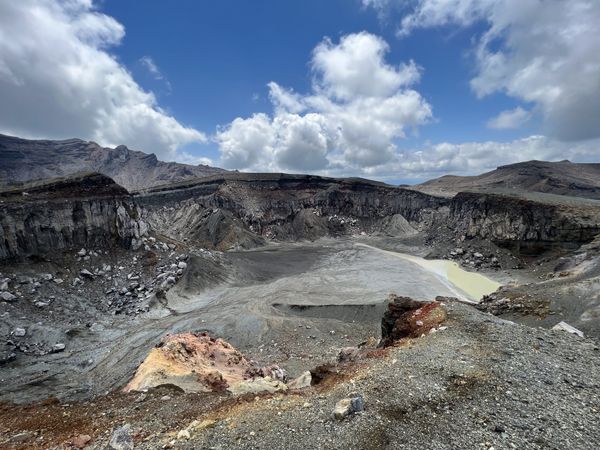
Kumamoto's second job is as a base for the rest of the region, and it is good at it. Aso is a day trip, and at the moment a complicated one — the Nakadake crater viewing area sits inside the restricted zone and is still closed, even after the alert level came down from 3 to 2 on 1 September 2026, which is a strong argument for keeping your bed in the city. Our Aso base guide covers what is still open and what that does to the itinerary.
Beyond that, the Kyushu Shinkansen runs north to Fukuoka as it always has. Southbound is the part to check before you book: the Kumamoto–Shin-Minamata stretch was closed by the 28 July 2026 earthquake and reopened on 18 September 2026, and JR Kyushu is running fewer trains than usual between Shin-Minamata and Kagoshima-Chuo, so Kagoshima is reachable again but on a thinner timetable. The parallel Kagoshima Main Line between Uto and Yatsushiro was still closed at that point, with JR Kyushu targeting mid-October 2026, so the Shinkansen is the only rail route south for now. Takachiho is the usual eastward move. The airport limousine runs into Sakuramachi in about 50 min and JR Kumamoto Station in about 60 min (¥1,400 one way since 1 August 2026), so an inbound flight can put you in a central hotel roughly an hour after landing.
Choosing in one table
| Name | Area | From price (2 guests) | Best for |
|---|---|---|---|
| Central arcades | Torichosuji / Hanabatacho | from ¥7,000 | First visit, castle and food, evenings on foot |
| Bus terminal quarter | Sakuramachi / Karashimacho | from ¥7,200 | Kyushu loops, airport bus, day trips out |
| Station side | JR Kumamoto Station | from ¥7,200 | Early Shinkansen or early Hohi Line departures |
| Multi-night in the centre | Karashimacho | from ¥7,900 | Laundry, longer stays, a base you unpack in |
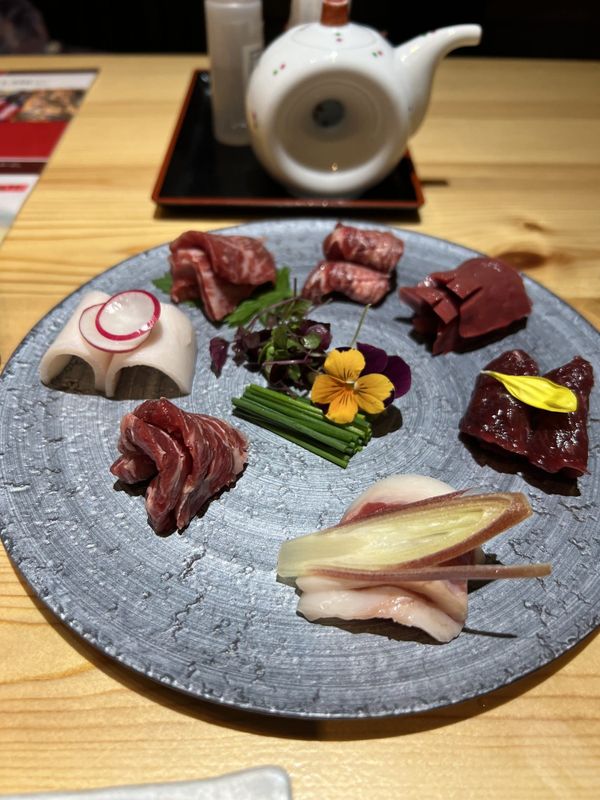
If you are eating your way through the city rather than moving through it, our Kumamoto food guide covers tonkatsu, basashi, the local ramen style and a Kumamoto chardonnay worth tracking down.
The best reason to use the city as a hub sits about an hour east. The Tsujun Bridge water discharge runs on a much narrower schedule than most guides suggest — nothing from mid-May to mid-July, and nothing from December through March — so it is worth checking before you build a day around it.
Trip Essentials for Kumamoto
Things worth booking before you land, all in English:
- eSIM — Airalo's Japan eSIM: install it at home and data works as soon as you switch off airplane mode at Aso Kumamoto Airport.
- Tickets and day trips — Klook covers Mount Aso day trips and Kumamoto Castle tickets; booking ahead skips the ticket-window line.
FAQ: where to stay in Kumamoto
Should I stay near Kumamoto Station or in the city centre?
Stay in the centre around Torichosuji or Hanabatacho unless you have an early departure. The station is on the Kyushu Shinkansen but the restaurants, arcades and castle are a ten-to-seventeen minute tram ride away in the centre, and that is where evenings happen.
How much does a hotel in Kumamoto cost?
Business hotels in the city started around ¥7,000 for one room at two guests at our check in August 2026, and the three central chains were within ¥900 of each other, with full-service hotels from about ¥12,000. Rates move sharply with season and day of week, so treat those as floors rather than expected prices.
Is Kumamoto Castle open?
The main keep is restored and open under a special public access arrangement, at ¥800 for high school students and above and ¥300 for elementary and junior high students. Restoration of the wider site continues — the Uto Turret is scheduled for restoration work from 2028 to around 2032 — so expect active construction alongside the parts you can enter.
Can I visit Mount Aso from Kumamoto city?
Yes, as a day trip by the JR Hohi Line or by rental car, and staying in the city is currently the safer choice. The Nakadake crater viewing area is still closed inside the 1 km restricted zone, even though the alert level came down from 3 to 2 on 1 September 2026, so a city base means a closure costs you a morning rather than a booking.