Where to Stay in Fukuoka: Best Areas & Hotels (2026)
Where to stay in Fukuoka: Hakata vs Tenjin explained, with verified hotels by budget and area. Airport to city in 5 min by subway.

For most visitors, where to stay in Fukuoka comes down to Hakata, the practical base: the Shinkansen terminal, a 5-min subway to the airport, and long-distance bus connections are all at the station. Budget options start from ¥8,900 (Dormy Inn Hakata Gion Natural Hot Spring). Choose Tenjin instead if your trip centers on department stores, walkable dining in Yakuin and Imaizumi, and the Nishitetsu bus network for day trips south — hotels there start from ¥9,000 and the airport subway ride adds only five minutes.
Of the 6 hotels covered in this guide, starting rates range from ¥8,900 (Dormy Inn Hakata Gion) to ¥25,000 (Miyako Hotel Hakata), and 5 of the 6 are within a 5-min walk or direct subway connection to either Hakata Station or Tenjin Station (checked July 2026).
Fukuoka in 60 Seconds — The Airport Is Two Subway Stops from the City Centre
Knowing where to stay in Fukuoka is straightforward once you understand one fact: the city is one of the few in Japan where the international airport sits inside the urban grid. From the domestic terminal, Hakata Station is a 5-minute subway ride; Tenjin, the shopping hub, is about 10 minutes. That single fact changes how you plan your trip: there is no need to build in a 45-minute transfer buffer on arrival day, and a late-night return flight does not force you into an airport hotel.
Some links in this guide are affiliate links. If you book through them, we may earn a commission at no extra cost to you.
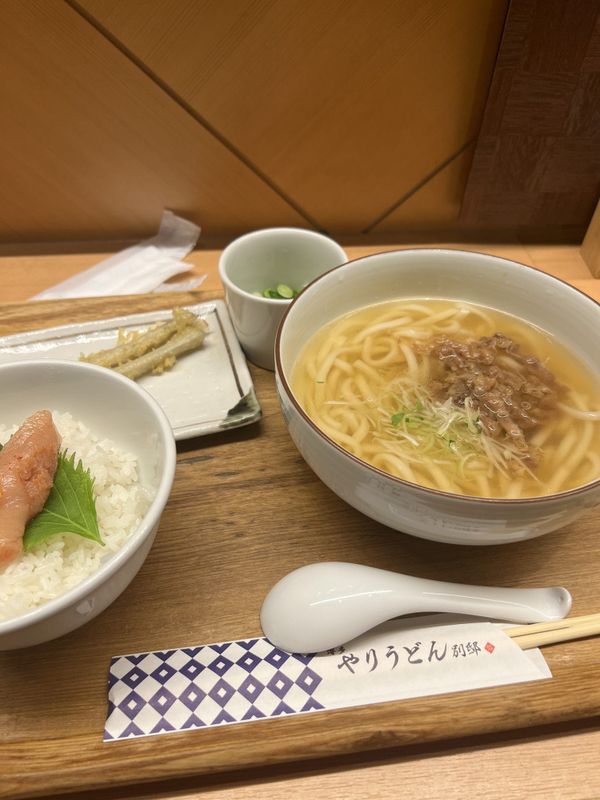
The city splits into two practical bases — Hakata and Tenjin — both on the Fukuoka City Subway Kuko Line that connects directly to the airport. Between them sits Nakasu, a nightlife district on a narrow river island that is also home to the most photographed cluster of yatai (open-air food stalls). Ramen, offal hot pot (motsunabe), and mentaiko are the foods most visitors chase; almost all of them are within a short walk of either hub.
This guide breaks down where to stay in Fukuoka by area, budget, and traveler type so you can pick a base without reading every hotel review on the internet.
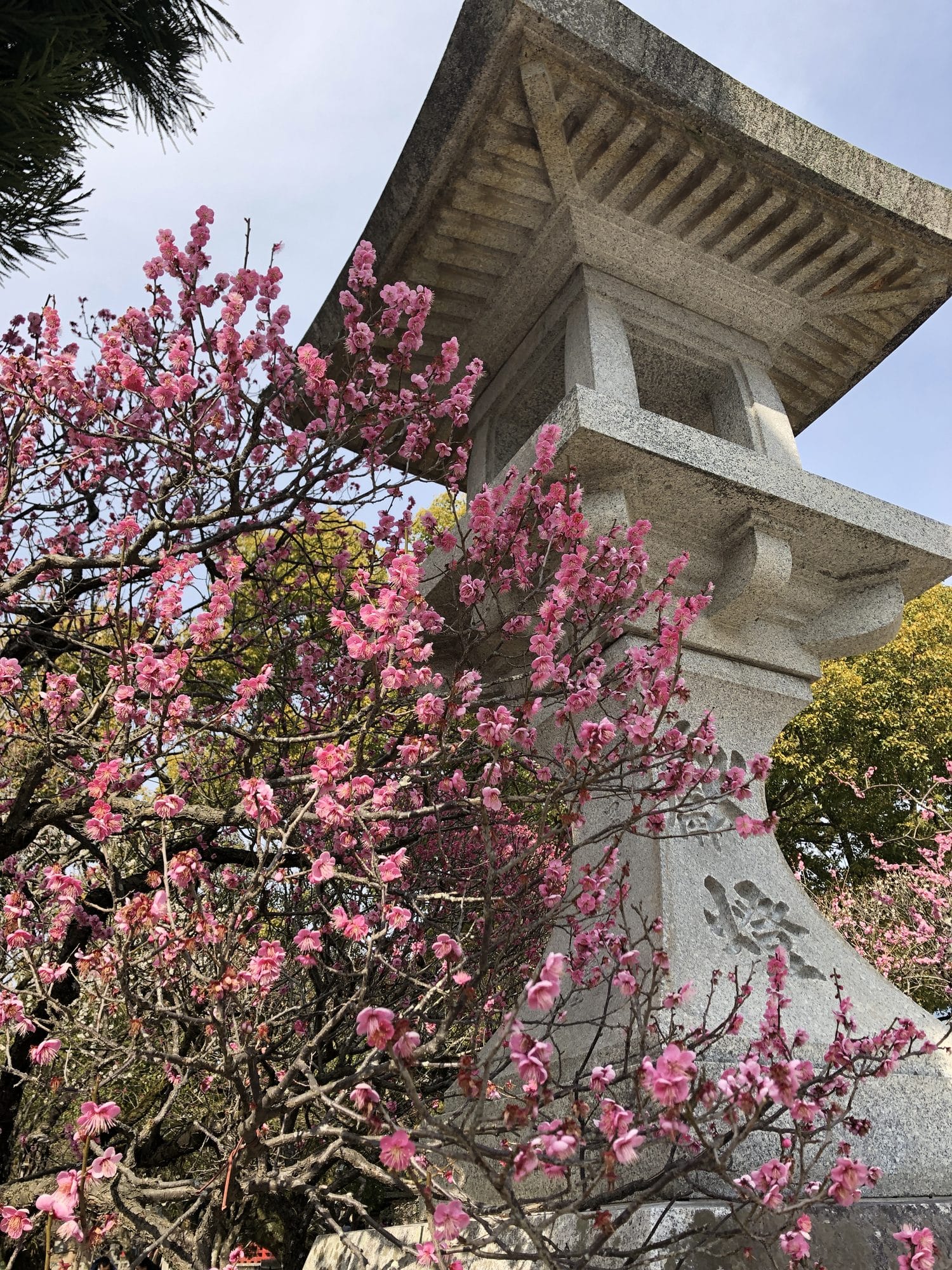
Pink plum blossoms frame a stone lantern at a Fukuoka shrine
The Two Hubs at a Glance — Hakata vs Tenjin
Hakata is the transport side: Shinkansen trains to Osaka and Tokyo, the airport subway, long-distance bus terminals, and a direct subway line to Hakata Port (ferry connections from Busan, Korea). The station building itself has four floors of food, including the famous Ramen Stadium. If you are doing a multi-city itinerary or arriving by bullet train, base yourself here.
Tenjin is the commercial centre: department stores, the covered Tenjin Chikagai underground shopping mall, and a dense grid of restaurants and bars stretching toward Nakasu. Nishitetsu Fukuoka (Tenjin) Station connects to the broader Nishitetsu rail network for day trips south into Kyushu. If shopping, café-hopping, and walkable dining are your priority, Tenjin suits you better.
The two areas are about 2.5 km apart — a 25- to 30-min walk, or three subway stops (about 6 minutes).
| Name | Area | Price range | Best for |
|---|---|---|---|
| JR Kyushu Hotel Blossom Hakata Chuo — check rates | Hakata | from ¥10,000, varies by season | Shinkansen travellers, easy airport connection |
| Miyako Hotel Hakata — check rates | Hakata | from ¥25,000, varies by season | Upscale stay, direct station connection, rooftop hot spring |
| Dormy Inn Hakata Gion Natural Hot Spring — check rates | Hakata (Gion, 1-min walk from Gion Subway Station) | from ¥8,900, varies by season | Budget, onsen bath, night ramen service |
| Solaria Nishitetsu Hotel Fukuoka — check rates | Tenjin (directly connected to Nishitetsu Tenjin Station) | from ¥18,000, varies by season | Shopping access, Tenjin walkability |
| Nishitetsu Grand Hotel — check rates | Tenjin (3-min walk from Tenjin Subway Station) | from ¥20,000, varies by season | 4-star comfort, city views, multiple dining options |
For a deeper side-by-side breakdown, see Hakata vs Tenjin, compared.
Nakasu, Nagahama and the Yatai Belt
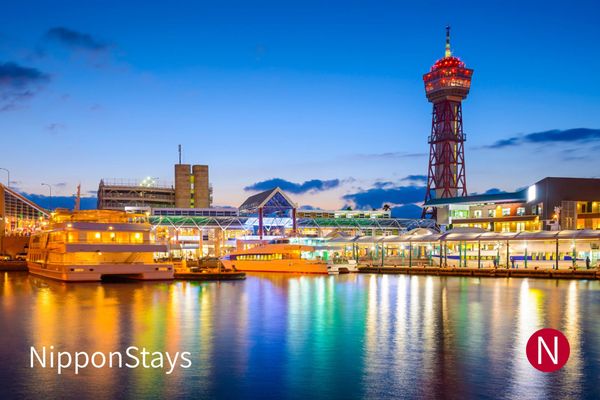
Nakasu is a narrow island between the Naka and Hakata rivers, classified as a nightlife district — bars, clubs, and approximately 20 food stalls lining the riverfront. The stalls here are the most camera-friendly, with neon reflecting on the water. Nakasu-Kawabata Station (subway) puts you on the island; the Hakata Excel Hotel Tokyu is a verified 1-min walk from that exit.
Tenjin has its own yatai cluster along Watanabe-dori and surrounding streets — a newer wave of stalls, sometimes called neo-yatai, with international menus and English-speaking staff. These are good for first-timers who want to sit down at a stall without deciphering a Japanese-only menu.
Nagahama, about 1.5 km west of Tenjin, is where Fukuoka's original tonkotsu ramen stalls set up near the former wholesale fish market. Fewer tourists, plainer surroundings, and some of the most serious bowls in the city.
Note: Yatai stalls across all three areas vary by day and weather. Expect some to be closed on rainy nights or during holidays. Cash is usually required.
Getting In — Fukuoka Airport, Hakata Station Shinkansen, and Hakata Port Ferries
By air: Fukuoka Airport (FUK) has a domestic and an international terminal connected by a free shuttle bus (about 5 minutes). The subway station is in the domestic terminal building. Direct trains run to Hakata (5 min, ¥260) and Tenjin (about 10 min; confirm current fare) on the Kuko Line, operating roughly 5:30 to midnight. This is the fastest city-centre airport connection of any major Japanese city.
By Shinkansen: Hakata Station is the western terminus of the Tokaido-Sanyo Shinkansen. Trains run to Shin-Osaka (about 2 hrs 15 min on Nozomi), Hiroshima (about 1 hr), and Hakata to Tokyo (about 5 hrs). If you are arriving by bullet train, hotels near Hakata Station — a 2-min walk for the closest options — save you any further transit. See our guide to hotels closest to Hakata Station.
By ferry from Korea: The Camellia Line overnight ferry operates between Busan and Hakata Port International Terminal; confirm the current timetable and schedule directly with the operator before travel. The port is about 4 km from Hakata Station; taxis and buses connect the two. For details, see arriving from Korea by ferry.
Pick by Budget — Capsule to Mid-Range
Fukuoka is affordable by Japanese city standards. Budget options cluster around ¥3,000–¥7,000 per person in capsule hotels and ¥8,000–¥15,000 for a private room in a business hotel. Mid-range 3–4 star hotels run ¥15,000–¥30,000, with rates rising sharply during Golden Week, Obon, and long weekends.
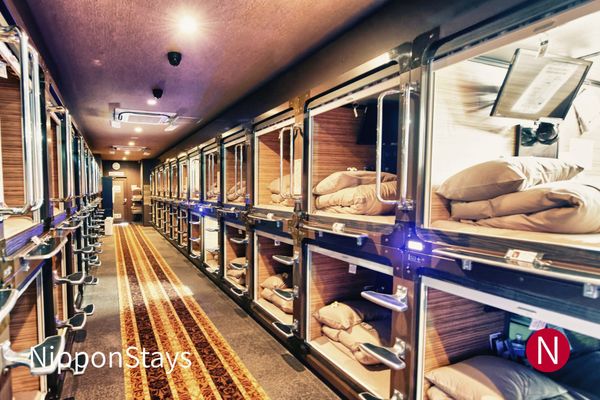
- Capsule / pod (from ¥3,000, varies by season): Several capsule hotels operate near Hakata Station and in Tenjin/Nakasu. Male-only floors are common; check each property for women-only floors before booking. See our full budget hotels in Fukuoka guide for current picks.
- Budget business hotel (from ¥8,000, varies by season): Dormy Inn Hakata Gion is a confirmed operating option at 1-min walk from Gion Subway Station with a public hot spring bath and a complimentary late-night ramen service — unusual value for the price point.
- Mid-range 3-star (from ¥12,000, varies by season): JR Kyushu Hotel Blossom Hakata Chuo sits 2-min walk from the Hakata Exit of Hakata Station. Rooms start at 19 m² with Simmons beds. Breakfast buffet available.
- Upper-mid to upscale (from ¥18,000, varies by season): Solaria Nishitetsu Hotel Fukuoka in Tenjin is directly connected to the Nishitetsu station building — convenient if you plan to use private rail. Miyako Hotel Hakata offers a direct link to Hakata Station and an outdoor pool and two indoor hot springs for the premium end.
Best for Families, Solo Travellers, Couples, and First-Timers
First-time visitors: Stay near Hakata Station. The airport link, the Shinkansen connection, and the food floor inside the station building give you a high-function base even before you figure out the rest of the city.
Solo travellers and budget seekers: Tenjin or Nakasu, so you can walk to evening food without worrying about last trains. Budget hotels along the subway line keep costs down. See also budget hotels in Fukuoka.
Couples: Tenjin gives you the most walkable combination of shopping, dining, and evening atmosphere. The Solaria Nishitetsu Hotel Fukuoka or Nishitetsu Grand Hotel both put you steps from the restaurant strips. Alternatively, the Nakasu riverfront at night is one of the more atmospheric parts of the city.
Families: Hakata side — Canal City Hakata (shopping mall with play areas) is a 10-min walk from the station. Hotels close to Hakata Station minimise the number of transfers with luggage and children. For larger room configurations and family-specific hotel picks, see our dedicated families guide (coming soon).
Yatai chasers: A Nakasu or Tenjin base cuts your post-dinner walk home significantly. The Hakata Excel Hotel Tokyu is a 1-min walk from Nakasu-Kawabata Station, putting the stalls 5–10 min on foot. For walk times to each stall cluster, see staying near the yatai food stalls.
Pick-Your-Area Cheat Sheet
| Name | Area | Price range | Best for |
|---|---|---|---|
| Miyako Hotel Hakata — check rates | Hakata (direct Hakata Station link) | from ¥25,000, varies by season | Upscale, families, Shinkansen arrivals |
| JR Kyushu Hotel Blossom Hakata Chuo — check rates | Hakata (2-min walk, Hakata Exit) | from ¥10,000, varies by season | Mid-range, easy access, first-timers |
| Dormy Inn Hakata Gion — check rates | Hakata-Gion (1-min walk from Gion Subway Station) | from ¥8,900, varies by season | Budget travellers wanting onsen |
| Hakata Excel Hotel Tokyu — check rates | Nakasu (1-min walk from Nakasu-Kawabata Station) | from ¥12,000, varies by season | Yatai access, nightlife, Canal City |
| Solaria Nishitetsu Hotel Fukuoka — check rates | Tenjin (directly connected to Nishitetsu Tenjin Station) | from ¥18,000, varies by season | Shopping, couples, Nishitetsu rail users |
| Nishitetsu Grand Hotel — check rates | Tenjin (3-min walk from Tenjin Subway Station) | from ¥20,000, varies by season | 4-star comfort, longer stays, city views |
For the full area comparison with walk times and exit guidance, see where to stay in Tenjin and hotels near Fukuoka Airport.
Trip Essentials for Fukuoka
Things worth booking before you land, all in English:
- eSIM — Airalo's Japan eSIM: install it at home and data works as soon as you switch off airplane mode at Fukuoka Airport.
- Luggage storage — arriving before check-in? Radical Storage takes bags at shops near Hakata Station for a flat daily rate.
- Tickets and day trips — Klook covers Fukuoka-area tours and day trips; booking ahead skips the ticket-window line.
FAQ — First-Timer Questions About Staying in Fukuoka
Is Hakata or Tenjin better for a first visit?
Hakata for pure logistics. The airport connection, Shinkansen, and luggage storage options at the station make arrivals and departures simpler. Tenjin if you want to walk everywhere and prioritise dining and shopping over transport convenience.
How long does it take from Fukuoka Airport to the hotels?
Hakata Station: 5 minutes by subway from the domestic terminal (Kuko Line, ¥260; international arrivals take the free 10-minute terminal shuttle first). Tenjin: about 10 minutes by subway (same line; confirm current fare). Most Hakata-area hotels are a further 2–10 min walk from the station.
Do I need a transit card (IC card)?
Useful but not essential. Single-journey tickets from the airport vending machines are straightforward. An IC card (Hayakaken for Fukuoka subway, or Suica/Icoca from elsewhere in Japan) speeds up boarding and works on the subway, Nishitetsu buses, and most local buses.
Are there hotels with luggage storage for early arrivals?
Yes. Most business hotels and upscale properties hold luggage before check-in and after check-out. Hakata Station itself has coin lockers (sizes S–LL) in multiple locations including the Shinkansen concourse. Tenjin Station also has coin lockers.
What is the latest check-in time for most Fukuoka hotels?
Standard front desks operate 24 hours at mid-range and upscale properties. Budget business hotels typically allow check-in until midnight; confirm with the specific property if you have a very late arrival.
Can I reach the yatai stalls on foot from Hakata Station?
The Nakasu riverfront stalls are roughly a 15-min walk east from Hakata Station, or two subway stops to Nakasu-Kawabata Station (Exit 1). Tenjin stalls are about a 20-min walk from Hakata Station or a 2-stop subway ride. Stalls vary by day and weather; most open around 18:00 and close by 02:00.
For a dedicated cluster comparison between Nakasu, Tenjin, and Nagahama stall zones, see staying near the yatai food stalls. If you are arriving from Korea by Busan ferry, see arriving from Korea by ferry.
Information audit: Last fact-checked July 2026 · Prices checked July 2026 (all rates are “from” floors that vary by season) · How this guide was researched: hotel facilities, prices and access details are verified against official and primary sources; we have not personally stayed at every property listed. The author has traveled in this area personally; original photographs on this site are from those trips · Personally stayed: Hakata Excel Hotel Tokyu, 2021 — all stays paid by us; no complimentary stays · How this site verifies information: About NipponStays.
Information audit: Last fact-checked September 2026 · Prices checked September 2026 (all rates are “from” floors that vary by season) · How this guide was researched: hotel facilities, prices and access details are verified against official and primary sources; we have not personally stayed at every property listed. The author has traveled in this area personally; original photographs on this site are from those trips · Personally stayed: Hakata Excel Hotel Tokyu, 2021 — all stays paid by us; no complimentary stays · How this site verifies information: About NipponStays.