What to Eat in Kumamoto: Basashi, Tonkatsu, Burnt-Garlic Ramen and a Local Chardonnay
Horse sashimi, Katsuretsutei tonkatsu open 11:00-21:30 daily, the burnt-garlic ramen that is not Hakata's, and the Kikuka chardonnay north of the city.

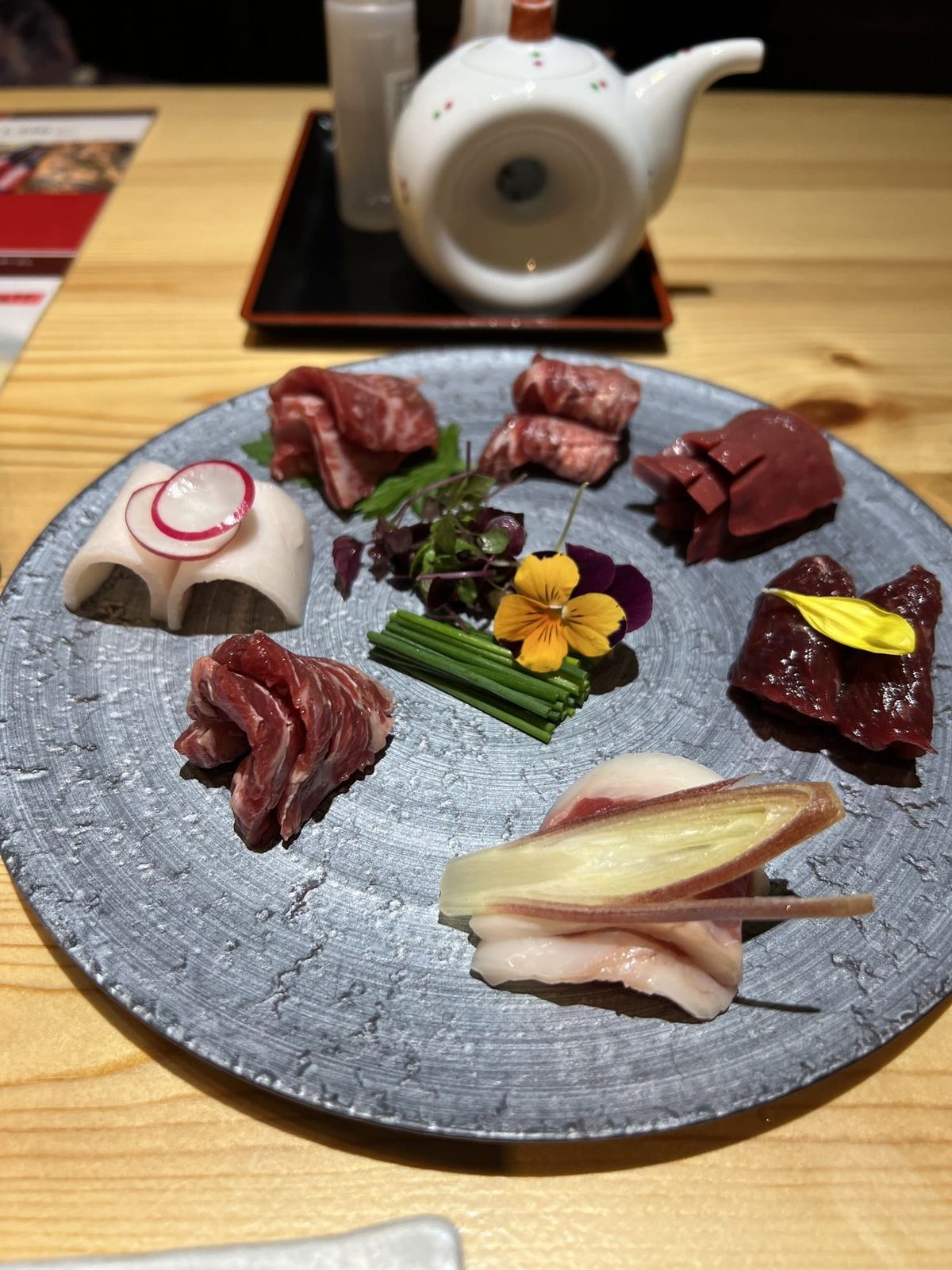
What to eat in Kumamoto comes down to four things you will not find done as well elsewhere: basashi horse sashimi, tonkatsu at Katsuretsutei, the local ramen style built on burnt garlic oil, and ikinari dango as a street snack. Add a fifth if you drink — Kumamoto makes a chardonnay that placed in the world's top ten in 2026, at Kikuka, about an hour north of the city. Katsuretsutei's Minami-Kumamoto branch runs 11:00–21:30 daily, which makes it the easiest of the four to schedule around. If you only have one meal, make it the horse sashimi, because it is the dish Kumamoto is actually known for inside Japan.
Basashi: the one to try first
Kumamoto is Japan's centre for eating horse, and basashi — raw horse sliced thin and served with ginger, garlic and soy — is the prefecture's signature. It is lean, mild and closer to lean beef than anything gamey. Most visitors who try it are surprised by how unremarkable it tastes, which is the point: it is not a novelty dish locally, it is a normal thing to order.
Two practical notes. Order it at a restaurant that lists it as a speciality rather than as one line on a long izakaya menu — raw meat rewards a kitchen that handles a lot of it. And if you have any reason to avoid raw meat, this is a dish to skip rather than to sample; the usual advice about raw food applies.
Tonkatsu at Katsuretsutei
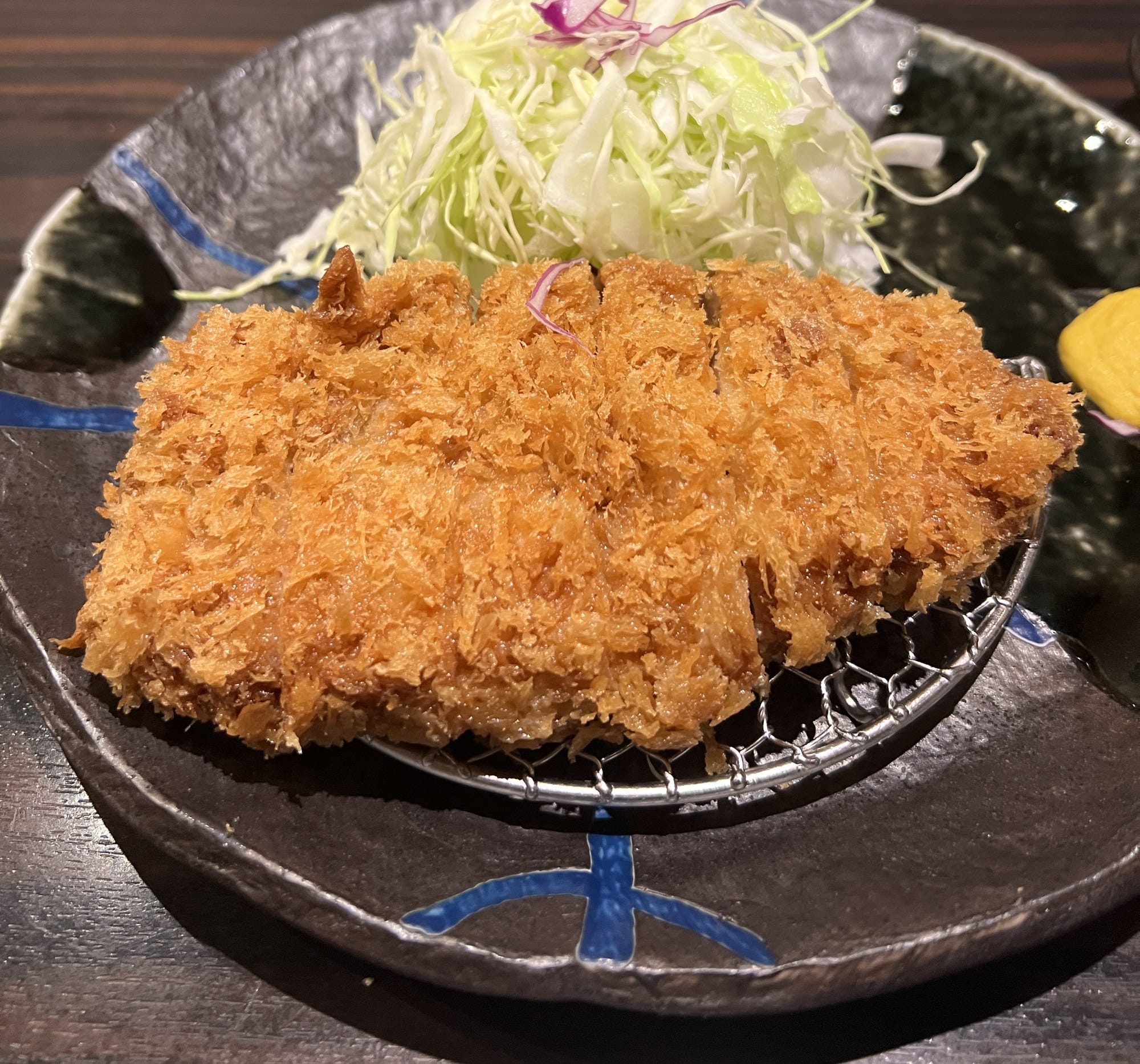
Katsuretsutei is the tonkatsu name in Kumamoto, and it is the one restaurant in this guide we have eaten at ourselves — at the Minami-Kumamoto branch, which serves 11:00–21:30 every day with last orders 30 minutes before close, and shuts only for the new year period from 31 December to 2 January.
Of the five things in this guide, Katsuretsutei's Minami-Kumamoto branch is the only one open every single day of the year outside the new year break (checked August 2026), which makes it the reliable anchor when the rest of your day is uncertain. There is also a branch at Amu Plaza Kumamoto, attached to the station, if you are eating on the way through rather than making a trip of it.
Kumamoto ramen is not Hakata ramen
The two get confused because both are tonkotsu, and the difference is one ingredient. Kumamoto ramen adds mayu, a black oil made from garlic fried until it is almost burnt, which sits on the surface and turns the broth darker and heavier. The noodles are thicker than Hakata's, and the bowl is not built for the noodle-refill culture you find in Fukuoka.
If you have come south from Fukuoka and think you have already had this, you have not. Order one bowl in each city and the burnt-garlic difference is obvious in the first mouthful.
Ikinari dango, and where it fits
The name means something like "suddenly dumpling", and it is a home-style snack: sliced sweet potato and sweet bean paste wrapped in dough and steamed. It is cheap, filling and sold from small shops and stalls rather than restaurants.
Treat it as a mid-afternoon item between the castle and dinner rather than a destination. It travels badly and is best eaten warm where you buy it.
| Name | Area | Price range | Best for |
|---|---|---|---|
| Basashi (horse sashimi) | Central arcades, izakaya district | Restaurant pricing | The one dish to try if you only have one meal |
| Katsuretsutei tonkatsu | Minami-Kumamoto; also Amu Plaza at the station | Restaurant pricing | A reliable sit-down meal, open 11:00–21:30 daily |
| Kumamoto ramen | Across the city | Ramen pricing | Tasting the burnt-garlic style against Hakata's |
| Ikinari dango | Shops and stalls citywide | Snack pricing | An afternoon gap between sights |
| Kikuka chardonnay | Yamaga, north of the city | Winery pricing | Drinkers with a spare half day, or a bottle to take home |
The Kumamoto wine nobody expects
Kumamoto Wine Farm's Kikuka winery sits at Sagara in Kikuka, Yamaga, north of Kumamoto city. It opened in November 2018 on a site of about 4.8 hectares and makes roughly 30,000 bottles a year, with the Kikuka chardonnay as the wine it is known for. The winery announced on 3 April 2026 that its Kikuka Night Harvest Kobushino 2023 had taken a gold medal and a place in the top ten at Chardonnay du Monde 2026, judged from 471 wines entered by 25 countries; the same competition gave silver to the standard Kikuka Chardonnay and bronze to the barrel-aged 2023. The top-ten bottle is not the one you will drink on a visit — the winery lists it for release around February 2027 — so the chardonnay in the tasting room is the standard cuvée. The shop pours tastings and sells on site, including bottles you will not find elsewhere. Per the Yamaga city tourism guide (checked August 2026), the winery shop opens 10:00–17:00 and closes the first and third Tuesday of the month; tasting pours run ¥300 for the Kikuka chardonnay and ¥400 for the barrel-aged cabernet.
This is a half-day trip from the city and it needs a car, so it belongs in the plan only if wine is a reason you travel. If it is, Kumamoto slots into the wider picture of Japanese wine alongside Nagano and Hokkaido — our Chikuma River Wine Valley guide covers the trail that is easiest to do without a car.
Fitting it into a day
A workable order for one full day in the city: ramen for lunch near wherever you are, the castle in the afternoon, ikinari dango from a stall on the way back, and basashi with a drink in the arcades in the evening. Katsuretsutei replaces the evening if you would rather sit down to something substantial, and its opening hours make it the easiest slot to move.
| Plan | Area | Price range | Best for |
|---|---|---|---|
| One evening only | Central arcades | Restaurant pricing | Basashi and a drink — the dish Kumamoto is known for |
| One full day | City centre | Mixed | Ramen, castle, dango, basashi in the evening |
| Two days with a car | City plus Yamaga | Mixed | Adding the Kikuka winery as a half day |
Where you sleep decides how much of this you can do on foot. Our Kumamoto area guide covers which tram stop puts the arcades within walking distance of your room, and if you are flying out, the airport serves both basashi and Kumamoto's akagyu beef — see our airport guide.
Where to stay to eat all of this
Most of the food above is in the central arcades, so the hotel decision is really about whether dinner is a walk or a journey. These floors were the lowest advertised across comparison sites in August 2026 and vary by season.
| Name | Area | From price (2 guests) | Best for |
|---|---|---|---|
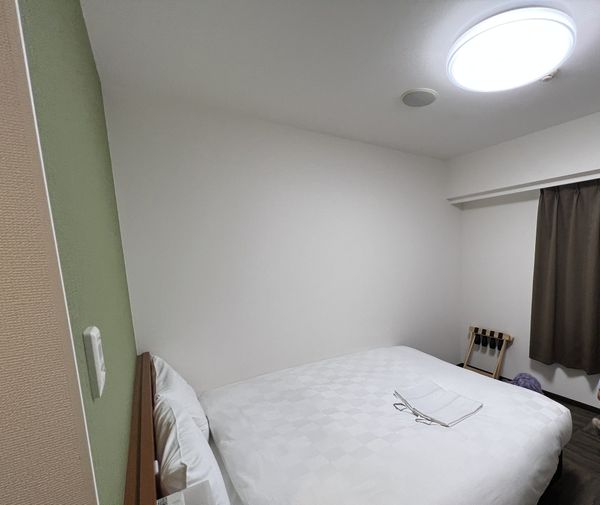
| Daiwa Roynet Hotel Kumamoto Ginzadori PREMIER | Ginza-dori, 2-min walk from Hanabatacho | from ¥10,600 | Walking distance to the Shimotori arcade for dinner |
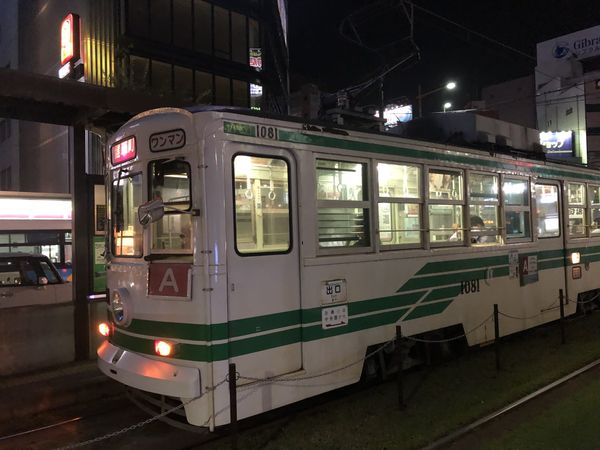
| Daiwa Roynet Hotel Kumamoto | Hanabatacho, 1-min walk from the tram stop | from ¥7,000 | Basashi and a drink, then a short walk back |
| Mitsui Garden Hotel Kumamoto | Kumamoto Station / Karashimacho | from ¥7,200 | Spending the budget on dinner instead of the room |
If you are eating basashi with a drink, stay where you can walk home. Kumamoto's trams stop earlier than a Tokyo train, and a taxi back from the arcades is an avoidable expense on every night of the trip.
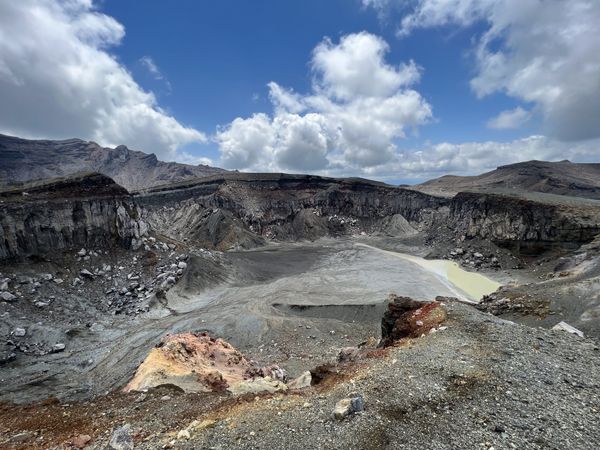
An hour east of the city, the same water that grows the rice does something visible. The Tsujun Bridge water discharge is a working irrigation aqueduct clearing its own silt, which is why it stops from mid-May to mid-July for the farming season and again from December through March.
Trip Essentials for Kumamoto
Things worth booking before you land, all in English:
- eSIM — Airalo's Japan eSIM: install it at home and data works as soon as you switch off airplane mode at Aso Kumamoto Airport.
- Tickets and day trips — Klook covers Mount Aso day trips and Kumamoto Castle tickets; booking ahead skips the ticket-window line.
FAQ: what to eat in Kumamoto
Is horse meat safe to eat in Kumamoto?
Basashi is a normal, everyday dish in Kumamoto and is served raw by restaurants that specialise in it. As with any raw meat, choose a restaurant that lists it as a speciality rather than as an afterthought, and skip it entirely if you have a reason to avoid raw food.
What is the difference between Kumamoto ramen and Hakata ramen?
Both are tonkotsu, but Kumamoto ramen adds mayu — a black oil of garlic fried almost to burning — which makes the broth darker and heavier. Kumamoto noodles are also thicker than Hakata's, and the bowl is not built around the noodle-refill custom common in Fukuoka.
Where can I eat tonkatsu in Kumamoto?
Katsuretsutei is the established name. Its Minami-Kumamoto branch serves 11:00–21:30 daily with last orders 30 minutes before closing and shuts only from 31 December to 2 January, and there is a second branch at Amu Plaza Kumamoto by the station for eating on the way through.
Does Kumamoto make wine?
Yes. Kumamoto Wine Farm's Kikuka winery at Sagara in Kikuka, Yamaga opened in November 2018, works about 4.8 hectares and produces roughly 30,000 bottles a year, with chardonnay as its best-known wine. The site has a shop with tastings, and reaching it from Kumamoto city realistically needs a car.