Tokyo or Osaka Where to Base Your Japan Trip
Tokyo or Osaka for your Japan base? Base Tokyo for Fuji & Nikko day trips (from ¥8,000/night), Osaka for Kyoto & Nara (20–30% cheaper). Full comparison inside.
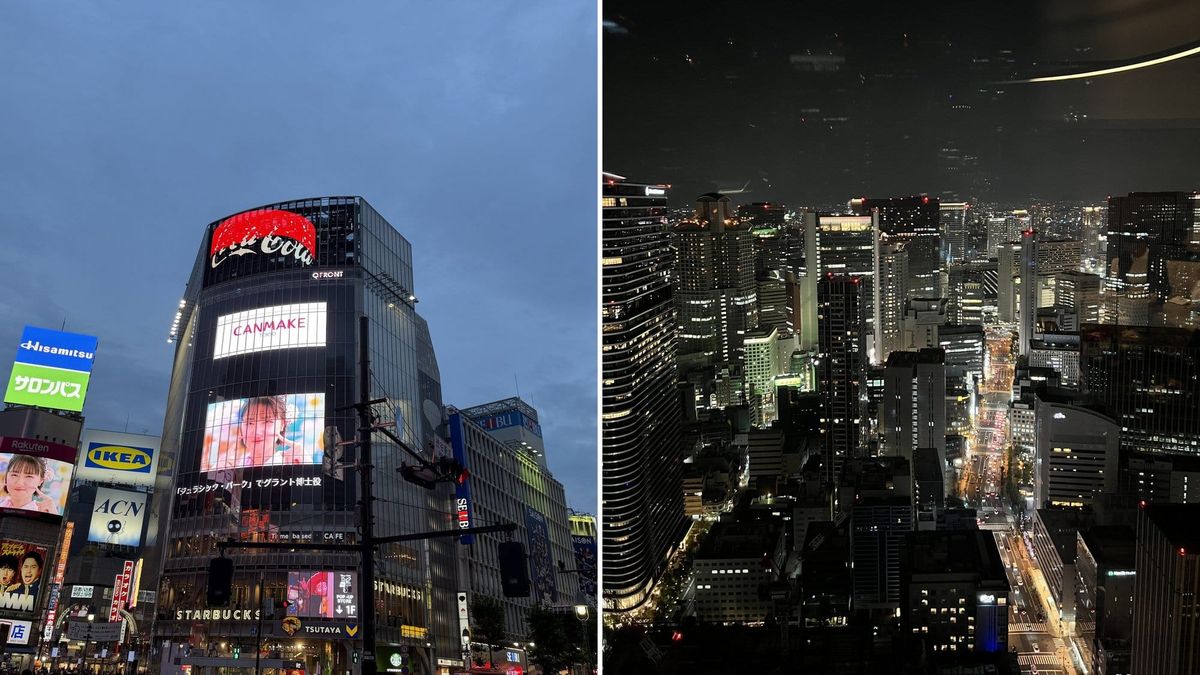
Tokyo or Osaka where to base your Japan trip is ultimately a question of where your day trips cluster. East-heavy itinerary with Fuji, Nikko, and Kamakura? Base in Tokyo, where budget rooms start from ¥8,000 a night in Shinjuku. Kansai-heavy with Kyoto, Nara, Kobe, and USJ filling your days? Base in Osaka, where equivalent rooms run 20–30% cheaper — from ¥8,000 in Namba. The one condition that flips this: if your day trips split evenly between east and west, skip a single base entirely and plan a split stay (2–3 nights Tokyo, 3–4 nights Osaka) — the Shinkansen Nozomi connects them in about 2 hours 15 minutes.
Tokyo vs Osaka at a Glance: Sample Base Hotels
Tokyo and Osaka are Japan's two most popular bases. The table below shows one verified pick per budget tier in each city, so you can compare the cost of sleeping in each before committing to a base.
| Name | Area | Price range | Best for |
|---|---|---|---|
| Park Hyatt Tokyo | Nishi-Shinjuku, Tokyo | from ¥120,000 for two | Luxury Tokyo base, city-view rooms, recently renovated |
| Hotel Gracery Shinjuku | Kabukicho, Tokyo | from ¥16,000 for two | Mid-range Tokyo base, 1-min from Shinjuku East Exit |
| APA Hotel Shinjuku Kabukicho Tower | Kabukicho, Tokyo | from ¥8,000 | Budget Tokyo base, compact rooms, central Shinjuku |
| Candeo Hotels Osaka Shinsaibashi | Shinsaibashi, Osaka | from ¥14,000 | Mid-range Osaka base, rooftop Sky Spa, 5-min walk to Namba |
| Dormy Inn Premium Namba Natural Hot Spring | Namba, Osaka | from ¥15,000 | Mid-range Osaka base with onsen, late-night ramen service |
| Sotetsu Fresa Inn Osaka Namba | Namba, Osaka | from ¥8,000 for two | Budget Osaka base, 1–2-min walk to Namba Station exits |
All rates vary by season and availability. Tokyo peak periods (cherry blossom late March–early April, Golden Week early May, autumn foliage November) push rates 30–50% above the floor prices above.
Base in Tokyo When the East Is Your Itinerary
Tokyo works as your base when your day trips cluster east and north of the capital — Kamakura (about 55 min from Shinjuku by Shonan-Shinjuku Line), Hakone (85 min from Shinjuku on the Romancecar), and Nikko (about 2 hours from Asakusa on the Tobu Nikko Line) are all straightforward half-day or full-day trips from a Shinjuku hotel.
- Kamakura: take the Shonan-Shinjuku Line to Kamakura Station, Exit for the main tourist area
- Hakone: Romancecar from Shinjuku Station (Odakyu tracks), West Exit side
- Nikko: Tobu Nikko Line from Asakusa Station
- Mount Fuji (Kawaguchiko): Keio Highway Bus from Shinjuku Expressway Bus Terminal, about 2 hours
Tokyo also gives you 7–10 days of city exploration without overlap: Shibuya and Harajuku, Asakusa and Ueno, Akihabara, Tsukiji Outer Market, and the teamLab venues each warrant half a day or more. If your itinerary fills before you even think about day trips, that is a sign Tokyo deserves its own full stay rather than sharing a base with Osaka.
See our full guide to Shinjuku hotels by district for a breakdown of Shinjuku's west (business, quieter) versus east (entertainment, late nights) sides.
Base in Osaka When Kansai Is Your Itinerary
Osaka earns its place as a Kansai base because it sits at the transit centre of the region — Kyoto is 15 minutes on the Shinkansen from Shin-Osaka Station (or 28 min on JR Rapid from Osaka Station), Nara is 45 minutes on the Kintetsu Nara Line from Osaka Namba Station (Kintetsu platforms, not JR), and Kobe is 20 minutes on the Hankyu Kobe Line from Umeda Station.
- Kyoto: JR Rapid from Osaka Station (28 min) or Shinkansen Hikari/Kodama from Shin-Osaka (15 min)
- Nara: Kintetsu Nara Line from Kintetsu Namba Station to Kintetsu Nara Station (45 min)
- Kobe: Hankyu Kobe Line from Umeda (Osaka) to Sannomiya (about 27 min)
- USJ: JR Yumesaki Line from Osaka Station to Universal City Station (8 min)
- Hiroshima (day trip, long): Shinkansen Nozomi from Shin-Osaka (approximately 85 min each way)
On the cost side, Osaka accommodation runs 20–30% cheaper than Tokyo across equivalent hotel categories (checked July 2026). A Namba mid-range business hotel that goes from ¥8,000–12,000 in shoulder season would likely cost ¥11,000–16,000 for a comparable Shinjuku property in the same period. Budget over a week and the gap pays for a bullet-train day trip to Hiroshima.
For a deeper look at Osaka neighbourhood choices, see our guide to staying in Osaka. If you are already sold on Kansai but torn between Kyoto and Osaka as a base, see Kyoto vs Osaka: Where to Stay.
Price Band Check: What the Sample Hotels Above Cost (Checked July 2026)
Of the 6 hotels in the table above, all 6 were verified as operating and accepting bookings in July 2026. The Tokyo picks (Park Hyatt, Hotel Gracery, APA Kabukicho Tower) span ¥8,000–50,000+; the Osaka picks (Candeo Shinsaibashi, Dormy Inn Namba, Sotetsu Fresa Inn) span ¥8,000–15,000. At the budget end, the floor price is similar in both cities. At the mid-range and above, Tokyo sits noticeably higher — the Dormy Inn Premium Namba (from ¥15,000) would be ¥18,000–22,000+ for a roughly equivalent onsen business hotel in central Tokyo.
Note that Park Hyatt Tokyo reopened in late 2025 after a 19-month renovation. Rates during its post-renovation period may be elevated above historic averages.
Or Split Both Cities — The Tokyo + Osaka Two-Base Option
A split stay makes sense when your itinerary genuinely covers both east Japan (Kamakura, Nikko, Fuji) and Kansai (Kyoto, Nara, Hiroshima). The Shinkansen Nozomi covers Tokyo–Osaka in about 2 hours 15 minutes, so moving between bases costs half a travel day, not a full one.
| Decision axis | Tokyo base | Osaka base |
|---|---|---|
| Day-trip reach (east) | Kamakura, Hakone, Nikko, Fuji, Yokohama | 2–2.5h by Shinkansen; not practical for a single day |
| Day-trip reach (west) | Kyoto/Nara possible but long days (4h+ round trip by Shinkansen) | Kyoto 28–55 min, Nara 45 min, Kobe 27 min, Hiroshima 85 min |
| Nightly price band (mid-range) | from ¥16,000 (Shinjuku mid) | from ¥14,000 (Namba/Shinsaibashi mid) |
| Late-arrival transit | Narita Express last departure ~22:30; Haneda Monorail ~24:00 | KIX Haruka last train to Osaka ~23:20; taxis available beyond that |
| Food scene | World's most Michelin stars; every cuisine represented | Street food culture ("kuidaore"), takoyaki, ramen, kushikatsu |
| Best for families with USJ | No — requires a long Shinkansen trip to reach USJ | Yes — 8-min train from Osaka Station to Universal City Station |
A common two-base split: 3–4 nights Osaka (use the time to cover Kansai day trips first), then Shinkansen to Tokyo for 3–5 nights. Going Osaka-first means you arrive at Kansai International Airport and hit the ground running in Kansai before transitioning east.
For broader guidance on how to structure a multi-city Japan trip, see How to Choose Where to Stay in Japan.
Trip Essentials for Japan
Things worth booking before you land, all in English:
- eSIM — Airalo's Japan eSIM: install it at home and data works as soon as you switch off airplane mode at Haneda, Narita, Kansai, or wherever you land. Comparing providers? See our Japan eSIM guide.
- Tickets and day trips — Klook covers the Japan Rail Pass, teamLab tickets, and shinkansen-linked day trips; booking ahead skips the ticket-window line.
FAQ: Tokyo vs Osaka Base
Which city is better for a first trip to Japan?
For a first trip of 7 days or fewer, Osaka is the more efficient base because it gives you Kyoto, Nara, and Kobe within 45 minutes each. Tokyo deserves its own separate trip — there is simply too much to cover while also day-tripping to Kansai. For 10+ days, splitting the stay between both cities is practical.
Is Osaka noticeably cheaper than Tokyo for hotels?
Yes. Osaka hotel prices run 20–30% below Tokyo for equivalent categories in 2026. At the mid-range level this is a difference of roughly ¥2,000–5,000 per night. Over a week that gap funds a Shinkansen day trip or several meals. Budget options in both cities start at similar floors (around ¥8,000), but mid-range and luxury spreads quickly.
Can I day-trip to Kyoto from Tokyo?
Technically yes — the Shinkansen Nozomi reaches Kyoto from Tokyo in about 2 hours 15 minutes, so a full day in Kyoto is possible. In practice you lose 4.5 hours to transit and face a 2-hour Shinkansen fare each way. If Kyoto is a priority, base in Osaka and reach Kyoto in 15–28 minutes instead.
Should I split my stay between Tokyo and Osaka?
Split if your confirmed itinerary has key stops on both sides of Japan — for example Nikko plus Hiroshima, or teamLab Tokyo plus Arashiyama. The Shinkansen transfer takes about 2 hours 15 minutes and costs roughly ¥14,000 one-way (Nozomi, non-reserved). If your itinerary is 90% Kansai with a single Tokyo day, it is cheaper and simpler to day-trip Tokyo from Osaka rather than maintain two bases.