Kyoto vs Osaka Where to Stay: Your Kansai Base Guide
Kyoto vs Osaka where to stay: 28-min train connects both cities. Base in Kyoto for temples; Osaka for food, nightlife, and KIX airport access.

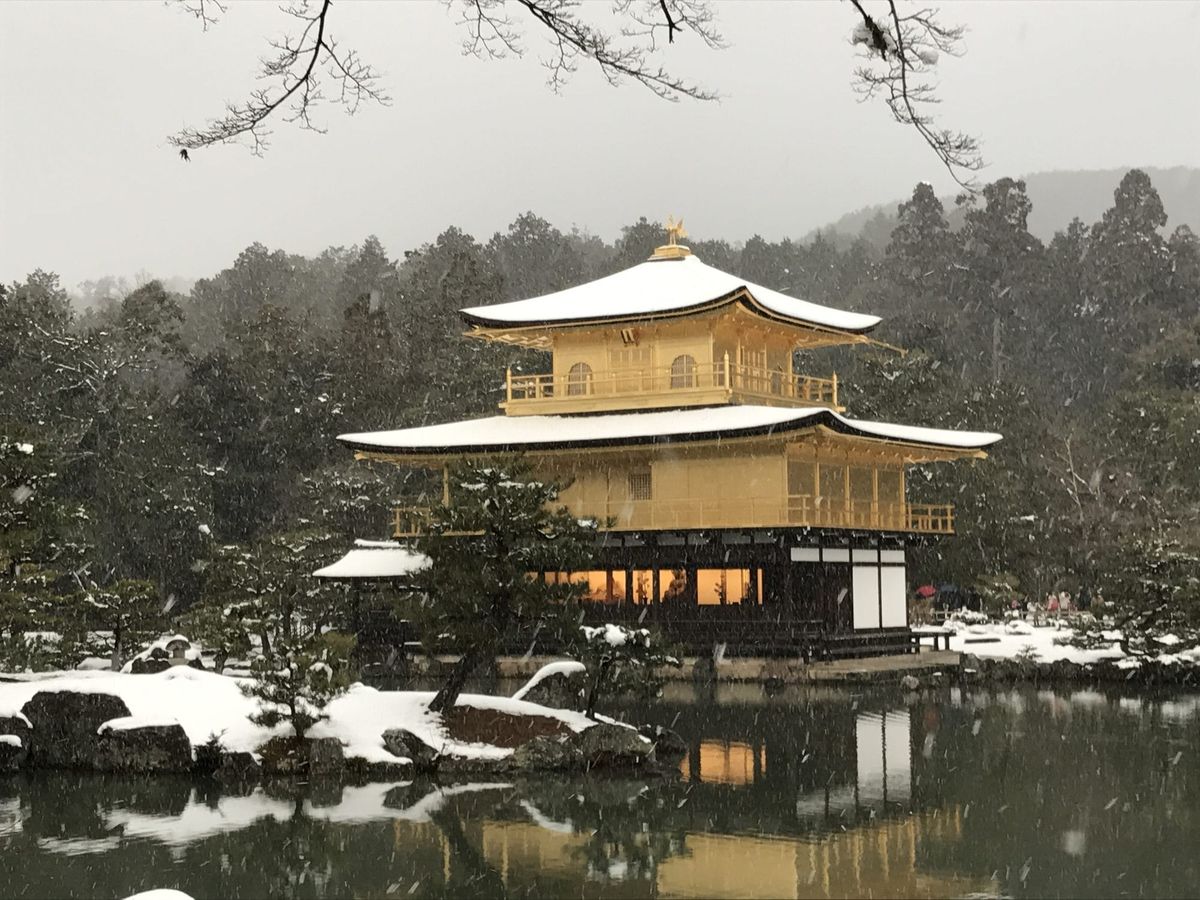
Deciding Kyoto vs Osaka where to stay is the question that shapes every Kansai itinerary. Both cities sit on the same rail corridor, 28 minutes apart by JR Special Rapid, so neither choice locks you out of the other. What the choice actually determines is the pace of your mornings, the character of your evenings, and how much you spend per night. This guide gives you the framework to pick a base — or to split your nights sensibly across both.
Some links in this guide are affiliate links. If you book through them, we may earn a commission at no extra cost to you.
Of the 5 hotels featured in this guide, the 3 Kyoto properties start from ¥11,000–¥14,000 per night, while the 2 Osaka properties start from ¥22,000–¥38,000 — the Osaka options represent the upper tier of the city's luxury market rather than its mid-range (checked July 2026).
Quick verdict: who should base in Kyoto vs Osaka
If temples, shrines, and early starts matter more than nightlife and restaurant variety, Kyoto is your base. If you want lower hotel costs, direct access to Kansai International Airport (KIX) via Nankai line, and a city that stays lively well past midnight, Osaka wins. Most travelers with five or more nights in Kansai split their stay rather than committing to one city exclusively.
| Name | Area | Price range | Best for |
|---|---|---|---|
| Kyoto Tower Hotel | Kyoto Station (Central) | from ¥14,000 — rates vary by season | First night in Kyoto; 2-min walk from the Central Exit |
| Miyako Hotel Kyoto Hachijo | Kyoto Station (South / Hachijo) | from ¥12,000 — rates vary by season | Easy luggage logistics; directly across from Hachijo Exit |
| Daiwa Roynet Hotel Kyoto Ekimae PREMIER | Kyoto Station (North / Karasuma) | from ¥11,000 — rates vary by season | Value-conscious traveler; 4-min walk from Karasuma side |
| Swissotel Nankai Osaka | Namba, Osaka | from ¥22,000 — rates vary by season | Direct Nankai line to KIX; Dotonbori 5-min walk |
| W Osaka | Shinsaibashi, Osaka | from ¥50,000 — rates vary by season | Design-minded couples; shopping and nightlife at the door |
See our full Kyoto area guide and our Osaka area guide for deeper property lists in each city.
What each city is like to sleep in
Kyoto shuts down early. By 10 pm most streets around Gion and Higashiyama are quiet. The rhythm suits travelers who want to be at Fushimi Inari before the first tour group arrives, or who are up early for a temple garden that opens at 8 am. The trade-off: dinner and bar options thin out quickly after 10 pm, and convenience stores fill the gap.
Osaka runs a different schedule. Namba and Shinsaibashi stay noisy and well-lit until 2 am. The city's street-food culture — takoyaki at Dotonbori, kushikatsu in Shinsekai — is genuinely better here than anywhere in Kyoto. If your trip is built around eating late and sleeping in, Osaka is the more natural fit.
- Kyoto mornings: crowd-free temple walks, ryokan breakfasts, garden light
- Osaka mornings: big hotel breakfasts, busy commuter stations, later starts
- Kyoto evenings: quiet lanes, early restaurant closings, atmospheric but slow
- Osaka evenings: neon-lit arcades, standing ramen bars, street food until midnight
Access between the cities and to the airports
The distance question answers itself quickly: the JR Special Rapid from Kyoto Station to Osaka Station takes 28 minutes and costs ¥580. You can realistically day-trip in either direction without losing more than an hour of your morning. The Hankyu Limited Express from Kyoto-Kawaramachi to Osaka-Umeda takes 40 to 42 minutes for ¥410 — a sensible option if you are already on the east side of downtown Kyoto.
For airports, the gap is more meaningful:
- KIX (Kansai International): From Osaka Namba, the Nankai Rapid takes about 38 minutes. From Kyoto Station, the JR Haruka limited express runs direct to KIX in about 80 minutes — no transfer needed, but budget extra time for the walk to your hotel and check-in.
- ITM (Osaka Itami): Airport limousine buses connect both cities, but Itami is more naturally Osaka-side. From Kyoto, budget 60 to 80 minutes by limousine bus.
Practical takeaway: if you fly in or out of KIX, a night or two in Osaka on the airport end of your trip cuts transfer time significantly. See hotels near Kyoto Station if you need the Haruka Express access and want to minimize connections.
Price and room-type comparison
Osaka tends to run 15 to 25 percent cheaper per night for comparable Western-style hotel rooms. The reason is supply: Osaka has a larger, newer hotel stock concentrated around Namba, Shinsaibashi, and Umeda. Kyoto has a smaller overall room count and a high proportion of ryokan and machiya that carry premium pricing, especially in the ¥20,000–¥60,000 range.
That premium is the point if you want the full Kyoto experience. A tatami ryokan room with a communal bath or a restored machiya townhouse for two is something Osaka cannot replicate at scale. Conversely, if you want a large Western room with a bathtub, a gym, and room service, Osaka's international hotels deliver those reliably at lower rates than Kyoto equivalents.
- Budget ¥8,000–¥15,000/night: Osaka has more options at this tier; Kyoto's inventory is mainly business hotels near the station
- Mid ¥15,000–¥35,000/night: Competitive in both cities; Kyoto adds ryokan choice at this level
- High ¥35,000+/night: Kyoto's design ryokan and high-end hotels justify the cost; Osaka offers luxury chains like W Osaka and Swissotel Nankai
Peak season caveats apply to both cities. Cherry blossom (late March to mid-April) and autumn foliage (mid-November) push rates up sharply in Kyoto; book at least three months ahead for those windows. Osaka is somewhat less affected by foliage but fills during Osaka Marathon, G20 events, and Expo-era bookings. Rates vary by season across the board.
Day-tripping: which direction is easier
The honest answer is that day-tripping works equally well in both directions — the 28-minute JR connection makes neither city feel remote from the other. That said, there are practical differences:
Kyoto day trips from an Osaka base: Leave Osaka by 8 am, and you can be at Fushimi Inari before the gates fill. For Arashiyama, take the JR Sagano Line from Kyoto Station (about 15 minutes to JR Saga-Arashiyama) or the Hankyu to Katsura then Randen tram. Most of Kyoto's major temples and shrines are accessible without a taxi if you are comfortable with buses or the subway.
Osaka day trips from a Kyoto base: Dotonbori and Namba are walkable from Osaka Station after a 28-minute JR ride. Universal Studios Japan requires a separate JR Osaka Loop Line leg from Osaka Station to Universal City Station (4 minutes). Day trips to Osaka from Kyoto are generally less time-sensitive than the reverse, because Osaka attractions run late and you gain nothing by arriving at 8 am.
How to split nights across a Kansai trip
For a 5-night Kansai itinerary, the split that makes practical sense for most travelers:
- Nights 1–2 in Osaka: Arrive at KIX, direct Nankai line to Namba (38 minutes), no transfers with luggage. Settle in, eat well, see Dotonbori. Day trip to Kyoto on Day 2.
- Nights 3–5 in Kyoto: Move your bags on the JR Special Rapid (28 minutes). Use these nights to stay inside the Kyoto temple circuit — early Fushimi Inari on Day 3, Gion in the evening, Arashiyama on Day 4.
Reversing the order (Kyoto first, then Osaka) works equally well if your flight lands at Itami or if you want to end the trip closer to KIX departure. Either way, keep the luggage-forwarding service in mind: takkyubin delivery between hotels costs roughly ¥1,500–¥2,000 per bag and means you board the train unencumbered.
For travelers on 3 nights or fewer: base in Osaka. The cheaper rates, airport convenience, and late-night energy make it the more flexible hub. Take a full day in Kyoto from there — leave by 8 am and you have nine hours before the last comfortable train back.
One representative stay in each city
The two properties below are not the only good options — see the full tables in our Kyoto guide and our Osaka guide — but they represent the practical midpoint for most travelers in each city.
| Name | Area | Price range | Best for |
|---|---|---|---|
| Kyoto Tower Hotel | Kyoto Station (Central) | from ¥14,000 — rates vary by season | Kyoto base; 2-min walk from the Central Exit, direct bus terminal access |
| Swissotel Nankai Osaka | Namba, Osaka | from ¥22,000 — rates vary by season | Osaka base; above Nankai Namba Station for direct KIX line; Dotonbori 5-min walk |
Verdict by traveler type
First-timer with 5+ nights: Split your stay. Two nights Osaka first (arrive KIX, no luggage stress), then three nights Kyoto for the cultural depth. Rates vary by season — book the Kyoto leg early if you travel in November or April.
Short trip (3 nights or fewer): Base in Osaka. Cheaper rates, KIX convenience, and Kyoto is an easy day trip on the 28-minute JR ride from Osaka Station.
Cultural-immersion traveler: Base in Kyoto. Spending three to four nights here lets you do the early-morning temple visits that day-trippers cannot. Add one Osaka evening for dinner and Dotonbori.
Food-and-nightlife focused: Base in Osaka. Kyoto's restaurant scene closes early and is better experienced as a day trip than a late-night base.
Couples or honeymoon: Consider a night or two in a Kyoto ryokan mid-stay (room-only rates start lower than you'd expect; dinner-inclusive kaiseki packages run higher — confirm the meal plan when booking), then finish in Osaka for a different pace before the flight home.
For a full breakdown of neighborhoods and property types within each city, read our full Kyoto area guide and our Osaka area guide.
FAQ: Kyoto vs Osaka where to stay
Is Kyoto or Osaka better for a first visit to Japan?
For a first trip, Osaka is often the easier entry point: it sits directly on the KIX airport rail line (Nankai Rapid, about 38 minutes to Namba), hotel rates run 15–25% lower than comparable Kyoto options, and the city stays lively late into the evening. Kyoto is the right base if your priority is temples, shrines, and early-morning walks — but the city closes down quickly after 10 pm and most hotel rates are higher. Most first-timers with five or more nights split their stay, spending two nights in Osaka and three in Kyoto.
How long does it take to travel between Kyoto and Osaka?
The JR Special Rapid from Kyoto Station to Osaka Station takes 28 minutes and costs ¥580. The Hankyu Limited Express from Kyoto-Kawaramachi to Osaka-Umeda takes 40–42 minutes for ¥410 — useful if you are starting from the east side of downtown Kyoto. Both connections run frequently throughout the day, making day trips in either direction practical without losing more than an hour of your morning.
Which city is cheaper for hotels?
Osaka runs roughly 15–25% cheaper per night for comparable Western-style hotel rooms. The reason is supply: Osaka has a larger, newer hotel stock concentrated around Namba, Shinsaibashi, and Umeda. Kyoto's smaller room count and high proportion of ryokan and machiya properties push mid-range and high-end rates up. Budget options (under ¥15,000 per night) are more plentiful in Osaka; in Kyoto at that price point, inventory concentrates near Kyoto Station as business hotels.
Which city is better for airport access?
Osaka is significantly better for Kansai International Airport (KIX): the Nankai Rapid from Namba takes about 38 minutes, and Namba hotels are a short walk from the station. From Kyoto Station, the JR Haruka limited express runs direct to KIX in about 80 minutes — convenient but noticeably longer. For Itami Airport (ITM), limousine buses connect both cities, but Itami is more naturally Osaka-side. If your trip begins or ends at KIX, a night in Osaka on the airport end cuts transfer time significantly.
Trip Essentials for Kyoto
Things worth booking before you land, all in English:
- eSIM — Airalo's Japan eSIM: install it at home and data works as soon as you switch off airplane mode at Kansai Airport.
- Airport transfer — Klook covers bus, train, and private transfers from Kansai Airport.
- Luggage storage — arriving before check-in? Radical Storage takes bags at shops near Kyoto Station for a flat daily rate.
- Tickets and day trips — Klook covers Arashiyama activities, tea ceremonies, and Nara day trips; booking ahead skips the ticket-window line.
Information audit: Last fact-checked July 2026 · Prices checked July 2026 (all rates are “from” floors that vary by season) · How this guide was researched: hotel facilities, prices and access details are verified against official and primary sources; we have not personally stayed at every property listed. The author was born in Kyoto · How this site verifies information: About NipponStays.