Ski Resorts Near Otaru and Kiroro: Rental-Car Day Trips (2026–27 Season)
Asarigawa Onsen, Tenguyama, and Niki Ski Park within 50 min of Otaru — plus why Kiroro stays the pick for powder and terrain on a rental-car ski week.
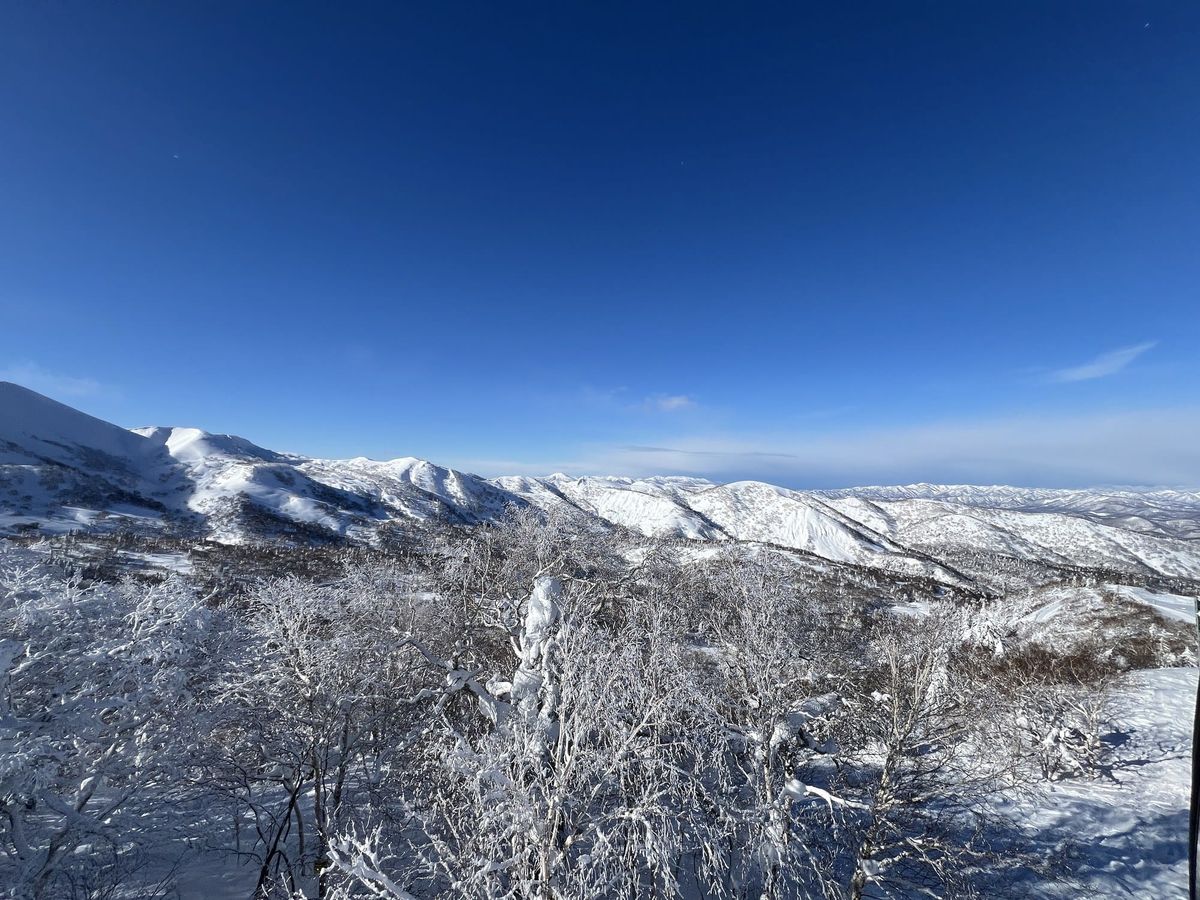
Kiroro Snow World (from ¥5,800/day lift ticket in 2026–27, ~45-min drive) is the main mountain and the right pick for most skiers basing in Otaru. If you have a rental car and want variety, Asarigawa Onsen Ski Area (~15-min drive, from ¥4,000/day) is the natural rest-day option — intermediate terrain and an onsen at the base. The condition that changes the answer: if you have very young children not ready for Kiroro's scale, Consadole Niki Ski Park (~40-min drive, from ¥1,000/day) is the low-pressure starting point worth the drive for one morning.
Of the 4 ski resorts covered in this guide, 3 have day lift tickets at ¥4,000 or under — Tenguyama from ¥3,000, Consadole Niki from ¥1,000, and Asarigawa from ¥4,000 (checked July 2026) — while Kiroro's 2026–27 day pass starts from ¥5,800 (checked September 2026).
Why rent a car — the small resorts within reach of an Otaru base
If you are looking at ski resorts near Otaru and Kiroro, a rental car opens up three extra mountains within 20 to 50 minutes of the city: Asarigawa Onsen Ski Area, Otaru Tenguyama, and Consadole Niki Ski Park. None of them competes with Kiroro on scale or snow depth, but each has a distinct character and can anchor a rest day or a lighter session when you want something different from a full day at the main mountain.
Some links in this guide are affiliate links. If you book through them, we may earn a commission at no extra cost to you.
A word on winter driving first: the roads between Otaru and these resorts are compacted snow and occasional ice in January and February. Rental cars in Hokkaido come fitted with winter tyres — no snow chains needed — but you will need an International Driving Permit alongside your national licence. If a whiteout is forecast, take the Kiroro bus instead.
| Resort | Drive from Otaru | Slopes / Lifts | Best for | Price range |
|---|---|---|---|---|
| Asarigawa Onsen Ski Area | ~15–20 min | 9 courses / 3 lifts | Intermediates + beginners, onsen after skiing | from ¥4,000/day lift ticket (varies by season) |
| Otaru Tenguyama | ~20 min | 8 courses, 4 km / 3 lifts | Quick half-days, sea views, local vibe | from ¥3,000/day lift ticket (varies by season) |
| Consadole Niki Ski Park | ~40–50 min | 2 km slopes / 1 lift | Families with very young kids, easy laps | from ¥1,000/day (varies by season) |
| Kiroro Snow World | ~45 min | 30 km slopes / 9 lifts | Everything — powder days, intermediates, families | from ¥5,800/day lift ticket (varies by season) |
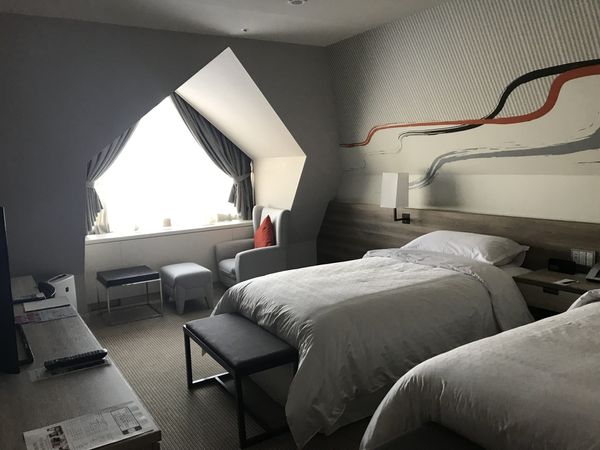
Check rates at Authent Hotel Otaru — one of the most popular starting points for car-based ski days around Otaru.
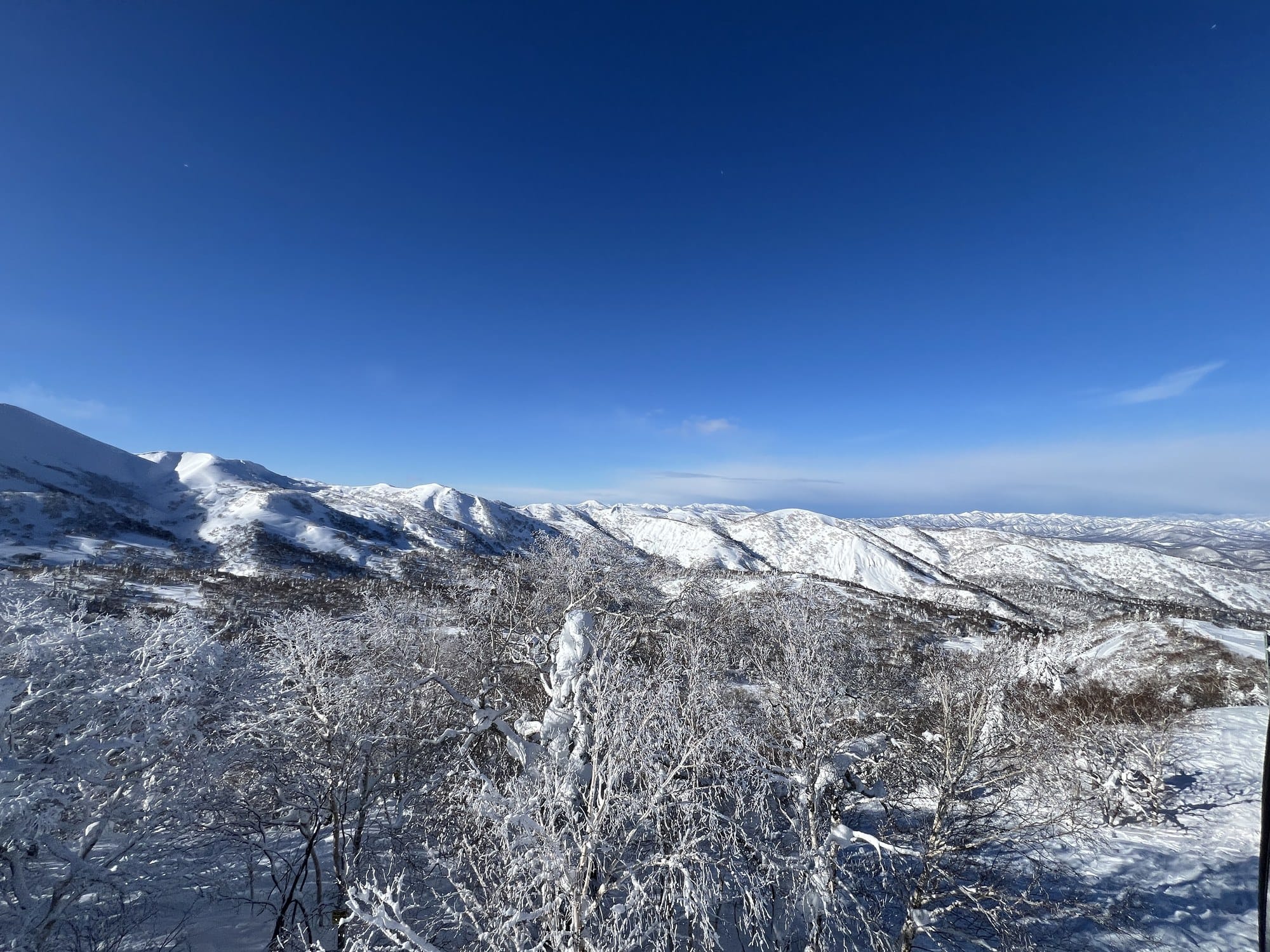
Consadole Niki Ski Park: scale and open days
Consadole Niki Ski Park (also listed as Niki Chomin Ski Area) is a small community ski hill in Niki town, about 40–50 minutes from central Otaru by car. The numbers tell the story plainly: 2 km of slopes, a single lift, and a vertical range of just 156 m. The mountain tops out at 193 m elevation.
This is a town ski hill first and foremost. It exists so that local families and school groups can get on snow without a long drive — and it does that job well. As a visitor basing yourself in Otaru, the main case for Niki is this: if you have very young children who are not yet ready for Kiroro's scale, or if you want an easy first day to check rental gear before committing to a full Kiroro run, Niki provides a low-pressure environment to sort things out.
- Scale: 2 km slopes, 1 lift, 156 m vertical
- Drive from Otaru: approximately 40–50 min by car
- Open days: limited — this is a community hill, and operating days vary season to season. Check the current schedule before making the trip.
- English signage and services: minimal — basic Japanese helpful
The open-day schedule at Niki changes year to year and is not always published far in advance. Confirm operating status before you drive out. For most visitors with a full ski week planned, Niki will not be the priority — but it is useful to know it exists.
Asarigawa Onsen Ski Area: ski-and-soak close to Otaru
Asarigawa Onsen Ski Area sits about 15–20 minutes from central Otaru by car and is the most practically useful of the three satellite resorts for an Otaru-based visitor. The 2024–2025 season ran from 7 December 2024 to 6 April 2025, which is a longer season window than Tenguyama.
The resort has nine courses — five advanced, three intermediate, two beginner — spread across three lifts. The terrain is real skiing, not just bunny slopes: the advanced runs are proper steep pitches, and on a powder day the ungroomed sections can hold surprisingly good snow given the resort's proximity to the sea. From the upper sections you look out over the Sea of Japan, which is a genuinely striking view while you are catching your breath at the top of a lift.
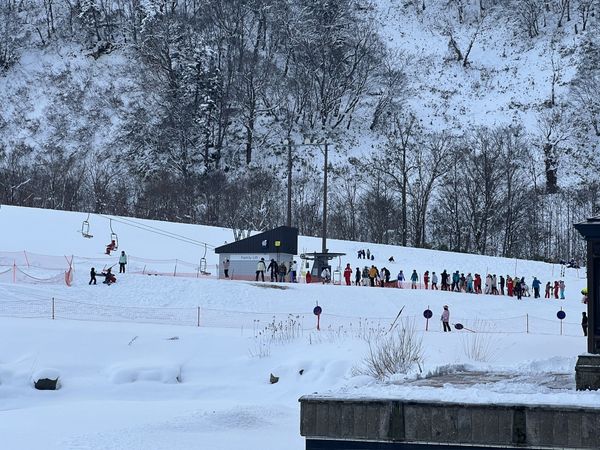
The beginner setup is well thought out. A snow escalator (a slow surface conveyor) gets absolute beginners moving without worrying about a drag lift. The B yellow course is gentle and wide. If you have someone in your group skiing for the first time, Asarigawa is a less overwhelming introduction than Kiroro's scale.
The onsen angle is real: Asarigawa Onsen is a hot-spring village, and after skiing you can warm up at one of the nearby baths. For a half-day ski trip capped with an afternoon soak before driving back to Otaru for sushi, this is a very pleasant circuit.
- Scale: 9 courses, 3 lifts
- Drive from Otaru: ~15–20 min
- Season 2024–25: 7 Dec 2024 – 6 April 2025
- Best for: intermediate to advanced skiers wanting uncrowded runs; mixed-ability groups; anyone who wants onsen after skiing
- Lift tickets: from ¥4,000/day (rates vary by season — check official site before you go)
The resort has an official English-language site at asari-ski.com where you can check current-season opening dates and ticket prices.
Otaru Tenguyama: the city-view hill
Tenguyama is the closest major ski hill to downtown Otaru — about 20 minutes by car or accessible by a combination of bus and ropeway from central Otaru. For the 2025–2026 season the resort was scheduled to open around 20 December 2025 and close 22 March 2026, with operations on weekends and public holidays only in March.
The stats: 8 courses, 4 km of slopes, 3 lifts, 299 m of vertical drop from a summit at 515 m. The upper runs face toward Ishikari Bay and on a clear day the view across the sea is exceptional — one of the better mid-run panoramas in Hokkaido. The terrain mixes beginner and intermediate runs with a few steeper pitches that hold their pitch well.
The practical catch is that Tenguyama is a weekend and holiday resort in March — it does not run lift operations on weekdays at that point in the season. In the peak January–February window it operates daily, which is when it makes most sense to visit if you are building a mixed week from an Otaru base.
- Scale: 8 courses, 4 km, 3 lifts, 299 m vertical
- Drive from Otaru: ~20 min
- Season 2025–26: opens ~20 Dec 2025, closes ~22 Mar 2026; weekends/holidays only in March
- Best for: morning half-days, views, intermediate terrain without crowds
- Lift tickets: from ¥3,000/day (verify current season rates on the official site)
A half-day at Tenguyama followed by an afternoon in central Otaru — sushi lunch, a walk along the canal, back to the hotel — is an easy day when you want something lighter than a full Kiroro session.
How they stack up on snow and crowds — and why Kiroro stays the pick
If you are comparing these three satellite resorts directly to Kiroro, the honest verdict is straightforward: Kiroro wins on almost every metric that matters for a powder-focused trip.
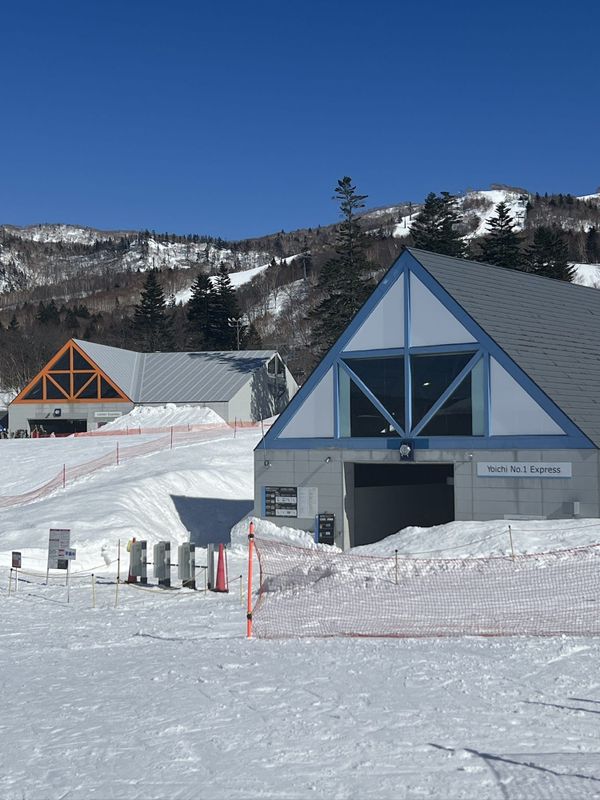
Kiroro sits at an elevation between 520 m and 1,180 m — 610 m of vertical drop across 30 km of slopes and 23 pistes served by nine lifts in service including one gondola (ten are named; the Asari No.1 pair has not run for three seasons, through 2025–26). The mountain is in Akaigawa village, inland and high enough that its snowpack builds early and holds late. The terrain suits everyone from first-timers on gentle wide groomers to experienced riders looking for in-bounds tree runs in the Asari, Yoichi, Center and Nagamine areas.
By contrast, Asarigawa Onsen (at sea level near the coast) and Tenguyama (515 m summit) will see more variable conditions. On a heavy snowfall day they can be excellent — fresh, light, untracked. On a warmer spell or a coastal rain event they will suffer before Kiroro does. Consadole Niki is simply too small to be a primary destination for anyone seeking a serious ski holiday.
The crowd story is also different. Kiroro is quieter than Niseko — that is the main reason most people reading this are considering it. Asarigawa and Tenguyama are, if anything, even less crowded, but that is partly because they are smaller and have fewer challenging runs to draw serious skiers. On a powder day at Kiroro, the lifts are still far less backed up than Hirafu.
The honest summary: the satellite resorts are useful additions to a week, not substitutes. Base your powder days at Kiroro. Use Asarigawa, Tenguyama, or Niki for variety, rest days, or mixed-ability logistics. Kiroro remains the pick for snow and terrain balance.
Reading snow forecasts to choose the day's mountain
One habit that regulars in this area develop over time is checking snow-forecast apps before committing to a destination each morning. Tools like Windy or dedicated ski-forecast sites show precipitation patterns across western Hokkaido, and the incoming storm tracks do not always hit every mountain equally. Some days the heaviest snow falls over the Niseko range; other days it is the Akaigawa area where Kiroro sits that gets the dump.
This is less a how-to guide than an observation: if you have a rental car and flexibility, looking at the overnight accumulation data before breakfast is a useful habit. For a week-long stay from an Otaru base, it might occasionally point you toward Asarigawa if conditions there happen to align. More often it confirms that Kiroro — being inland and higher — is the right call.
The important practical caveat: if the forecast shows heavy overnight snowfall, that also means the road to Kiroro needs more time and care. Build in an extra 15–20 minutes on mornings after significant accumulation, and keep the pace down on the mountain pass section.
At-a-glance: nearby resorts compared
| Name | Area | Drive from Otaru | Scale | Best for |
|---|---|---|---|---|
| Kiroro Snow World | Akaigawa, inland | ~45 min | 30 km / 9 lifts / 610 m vertical | Powder days, intermediates, families, full days |
| Asarigawa Onsen Ski Area | Otaru (coastal) | ~15–20 min | 9 courses / 3 lifts | Half-days, mixed-ability groups, onsen after skiing |
| Otaru Tenguyama | Otaru city | ~20 min | 8 courses / 3 lifts / 299 m vertical | Sea views, morning sessions, beginners and intermediates |
| Consadole Niki Ski Park | Niki town | ~40–50 min | 2 km / 1 lift / 156 m vertical | Very young children, first-timer gear checks |
For Otaru-based stays that work well as a car-based ski hub, Authent Hotel Otaru and Grand Park Otaru are the two hotels regulars tend to use. Both are within a short distance of central Otaru and practical for early-morning departures toward any of these resorts.
Building a mixed ski week from an Otaru base
A practical sketch for a five-day ski week based in Otaru: heavy powder days go to Kiroro, which rewards early starts from the mountain pass road. On lighter days — or when legs need a rest from deep snow — Asarigawa Onsen makes a natural half-day, with an onsen soak and a drive back to Otaru for an early dinner. Tenguyama works well for a quick morning session before an afternoon in town. Niki is a useful card only if you have very young children not yet ready for Kiroro's scale.
If you prefer not to drive at all, buses run between central Otaru and Kiroro during the ski season — roughly one hour each way, with tickets at ¥2,200 one way for adults in 2026–27 (checked September 2026). Check Kiroro's 2026–27 timetable for how to book, and book well in advance; the Kiroro buses fill faster than most visitors expect, especially on weekends. See our guide on when a rental car pays off for the full comparison, and basing in Otaru for the commute plan. For the snow comparison with Niseko, our Kiroro vs Niseko powder guide covers the detail.
At Kiroro itself, the two slope-side options are Club Med’s — see our Club Med Kiroro Grand vs Peak comparison for all-inclusive prices and which suits your group.
The full Kiroro planner
This guide is the free version. If you want the whole trip decided — every base compared, every route from New Chitose priced and timed, the winter-driving reality, ski school, the season-pass maths, and where to eat in Otaru and Yoichi — that is The Kiroro & Otaru Ski Trip Planner (13 chapters, from US$11.99, with a mobile version and a cost calculator).
FAQ: Ski resorts near Otaru and Kiroro
Can I reach Asarigawa Onsen Ski Area without a car?
Asarigawa Onsen Ski Area does not have a dedicated ski bus from Otaru during the season. A rental car is the practical way to get there — roughly 15–20 minutes from central Otaru. Taxis are an option but add up quickly across multiple days. If you're not renting a car, Kiroro via the Otaru–Kiroro ski bus is a simpler and better-value day.
What makes Otaru Tenguyama worth visiting compared to Kiroro?
Otaru Tenguyama (from ¥3,000/day lift ticket, ~20-min drive) is a local hill with sea views across Otaru Bay and a relaxed atmosphere. It works well as a half-day option when you want a lighter session than a full Kiroro run — 8 courses, 4 km, and 3 lifts. It won't challenge experienced skiers for long, but the views and the uncrowded environment make it a pleasant contrast to Kiroro's full mountain.
Is Consadole Niki Ski Park suitable for beginners?
Consadole Niki Ski Park (from ¥1,000/day) is a community hill with 2 km of slopes, 1 lift, and 156 m of vertical — designed for local families and school groups rather than visiting skiers. It suits very young children who are not ready for Kiroro's scale, or travelers who want an easy first day to check rental gear. Visiting skiers with any experience will outgrow it quickly.
Do I need an International Driving Permit to rent a car in Hokkaido?
Yes. Japan requires an International Driving Permit (IDP) alongside your national licence. Hokkaido rental cars come with winter tyres already fitted — no snow chains needed — but the roads between Otaru and the ski areas are compacted snow and occasional ice in January and February. If a whiteout is forecast, take the Kiroro bus from Otaru instead of driving.
Trip Essentials for Kiroro
Things worth booking before you land, all in English:
- eSIM — Airalo's Japan eSIM: install it at home and data works as soon as you switch off airplane mode at New Chitose Airport. Comparing providers? See our Japan eSIM guide.
- Airport transfer — Klook covers bus, train, and private transfers from New Chitose Airport.
- Tickets and day trips — Klook covers Hokkaido ski passes, lessons, and Sapporo day trips; booking ahead skips the ticket-window line.
Information audit: Last fact-checked July 2026 · Prices checked July 2026 (all rates are “from” floors that vary by season) · 2026–27 ski season: Kiroro lift prices and bus fares updated to Kiroro's published 2026–27 figures (checked September 2026); 2026–27 lift hours are not yet published. · How this guide was researched: hotel facilities, prices and access details are verified against official and primary sources; we have not personally stayed at every property listed. The author skis Kiroro roughly eight trips a season and commutes from Otaru · Personally stayed: Authent Hotel Otaru — eight-plus stays across multiple winters since 2020; Grand Park Otaru — multiple stays, 2022–2023 — all stays paid by us; no complimentary stays · How this site verifies information: About NipponStays.