Airalo Alternatives for Japan (2026): Ubigi, Saily & Holafly Compared
Airalo alternative Japan: Ubigi ($14/10 GB, on Docomo), Saily & Holafly compared on price, networks, hotspot — checked August 2026.

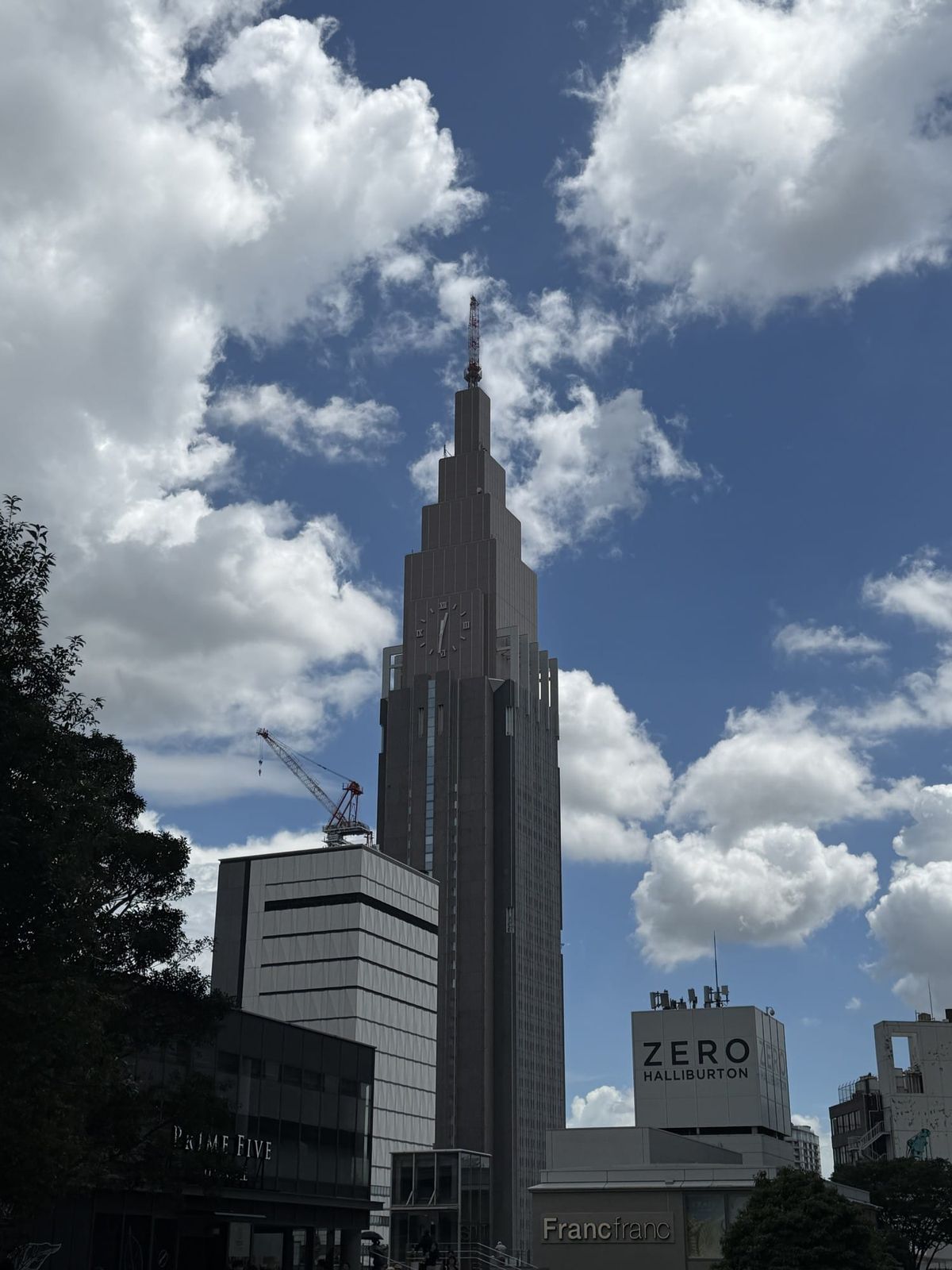
Among Airalo alternatives for Japan in 2026, Ubigi is the strongest switch: 10 GB for 7 days costs $14 against Airalo's $17 for the same allowance, and Ubigi is the only one of the four eSIM brands compared here that carries NTT Docomo, Japan's largest network (prices checked August 2026). Choose Holafly instead if you refuse to count gigabytes — its Japan eSIMs are unlimited-only, from $27.50 for 7 days — and choose Saily if you want Airalo-style fixed data with a built-in ad blocker and will stay on the main city corridor.
Some links in this guide are affiliate links. If you book through them, we may earn a commission at no extra cost to you.
Airalo remains the default pick in our full best eSIM for Japan comparison, and for a typical 1–2 week Tokyo–Kyoto–Osaka trip it is still hard to fault. This guide is for the reader who already knows Airalo and wants to know exactly what switching to Ubigi, Saily or Holafly buys. I compare the four brands on the points where they genuinely differ: price per gigabyte, which Japanese network you land on, unlimited options, hotspot rules and activation.
Why look beyond Airalo at all
Airalo's Japan product in 2026 is strong on fixed data and weak on everything unlimited. The Moshi Moshi plans run on SoftBank and KDDI/au and are priced sensibly: 1 GB for 3 days at $4.00, 5 GB for 30 days at $11, 10 GB for 30 days at $18, and 20 GB for 30 days at $25 (checked August 2026). For most 1–2 week trips, the 10 GB plan simply works.
The weaknesses are specific. Airalo raised its Japan unlimited prices in early 2026 — the 7-day now costs $27 and the 30-day $69 — and "unlimited" means 3 GB per day at full speed before a 1 Mbps throttle (checked August 2026). Airalo also does not clearly document tethering for its Japan plans, and no Moshi Moshi plan touches NTT Docomo, the network with the deepest rural reach. If none of that affects your trip, stick with Airalo's fixed-data plans and stop reading here. If one of them does, the right alternative depends on which one.
Airalo vs Ubigi vs Saily vs Holafly at a glance
Of the four eSIM brands compared in this guide, three sell a 10 GB Japan plan for between $14 and $18, and only one — Ubigi — carries NTT Docomo (checked August 2026).
| Provider | Networks in Japan | Sample price | Best for |
|---|---|---|---|
| Airalo (baseline) — Moshi Moshi plans | SoftBank + KDDI/au | 10 GB / 30 days — $18 | Staying put: familiar app, sensible fixed data |
| Ubigi | NTT Docomo + KDDI, 5G | 10 GB / 7 days — $14; 10 GB / 30 days — $16.50 | Rural itineraries, laptop tethering, best price per GB |
| Saily | Not published (SoftBank at our last check) | 10 GB / 30 days — $17.99 | Like-for-like Airalo swap with ad-block and security extras |
| Holafly | SoftBank + KDDI | Unlimited — $27.50 / 7 days | Heavy data use without counting gigabytes |
Ubigi — cheaper than Airalo, and the only one on Docomo
Ubigi is the one mainstream travel eSIM whose Japan plans run on NTT Docomo — no surprise, since Ubigi's parent Transatel is an NTT Group company. Its product pages list NTT Docomo and KDDI as the Japanese partner networks, with 5G included. Pricing beats Airalo at the popular sizes: 10 GB for 7 days at $14, 10 GB for 30 days at $16.50 (that is $1.65 per GB against Airalo's $1.80), 25 GB for 30 days at $32, and a 30-day unlimited at $65 (checked August 2026). Data sharing is explicitly allowed, so you can tether a laptop without reading forum threads first. Ubigi's "Smartstart" is a quiet bonus: the plan's validity starts when you arrive in Japan, not when you install it.
Saily — the closest like-for-like swap
Saily, built by the Nord Security (NordVPN) team, mirrors Airalo's fixed-data model almost dollar for dollar: 1 GB / 7 days at $3.99, 5 GB / 30 days at $10.99, 10 GB / 30 days at $17.99, and 20 GB / 30 days at $24.99 (checked August 2026). The app adds an ad blocker, web protection and a virtual-location option at no extra cost, and tethering is allowed. Whether that virtual-location switch is worth flipping for hotel bookings is something we tested rather than assumed: does a VPN get you cheaper hotel prices in Japan has the numbers. Saily's unlimited plans give 5 GB per day at full speed before throttling — a more generous daily allowance than Airalo's 3 GB — at $28.99 for 7 days or $71.99 for 30. The caveat: Saily does not publish which Japanese network it uses. At our last check (August 2026) it behaved as a SoftBank service, which is fine on the main tourism corridor and the thinnest of the four once you head into the mountains.
Holafly — unlimited only, with a hotspot catch
Holafly sells nothing but unlimited data for Japan, on SoftBank and KDDI: $20.50 for 5 days, $27.50 for 7 days, $36.50 for 10 days, and $73.90 for 30 days — about $2.46 per day on the month-long plan (checked August 2026). Two caveats belong next to those prices. Holafly's fair-usage policy allows temporary speed restrictions and does not publish a daily threshold for Japan, and hotspot sharing is capped at 1 GB per day. Unlimited on your own screen, in other words — not unlimited for your laptop.
The network question: when Docomo matters
Which Japanese network your eSIM uses matters more than any other line on the spec sheet once you leave the big cities. Docomo has the widest rural reach in Japan, so Ubigi is the safe pick for Tohoku, the Hokkaido mountains, Shikoku or smaller onsen towns. On the Tokyo–Kyoto–Osaka corridor the calculus flips: SoftBank and KDDI/au hold up well in dense city crowds — Opensignal's 2025 Japan measurements ranked au top for overall network experience — so Airalo, Saily and Holafly are not meaningfully handicapped on a city-heavy trip. Match the network to the itinerary, not to the brand.
Hotspot and activation: the small differences that bite
Tethering policy is the clearest dividing line among the four brands. Of the four, only Ubigi and Saily allow hotspot use without a published daily cap; Holafly caps sharing at 1 GB per day, and Airalo does not clearly document tethering for its Japan plans at all (checked August 2026). If you plan to work from a laptop off your phone's connection, that shortlist is really just Ubigi and Saily.
Activation is near-identical everywhere: buy online, install the eSIM profile over Wi-Fi before you fly, and the plan connects automatically when your phone sees a Japanese network on landing. The differences are at the margins. Airalo and Saily are the most app-led, with step-by-step installers suited to first-time eSIM users. Ubigi's Smartstart starts the validity clock on arrival in Japan, which protects a 7-day plan from burning days while you are still at home. Whichever you pick, install at least a day before departure.
Which Airalo alternative to pick
The right pick follows directly from your itinerary and how you use data, so match your row in the table below rather than hunting for a single winner.
| Your situation | Pick | Why |
|---|---|---|
| Rural or mountain itinerary (Tohoku, Hokkaido, Shikoku) | Ubigi | NTT Docomo coverage; 10 GB / 7 days at $14 |
| City corridor, cheapest 10 GB for a longer trip | Ubigi or Saily | $16.50 or $17.99 for 30 days vs Airalo's $18 |
| Streaming and video calls every day | Holafly | Unlimited-only, about $2.46/day on the 30-day plan |
| Working off a laptop via hotspot | Ubigi | Data sharing explicitly allowed, no published cap |
| Happy with Airalo, light data needs | Stay with Airalo | 10 GB / 30 days at $18; simplest if the app is already installed |
If you are still weighing an eSIM against a physical SIM or pocket Wi-Fi — the better call for families sharing data — our best eSIM for Japan guide covers those options too. And once your connectivity is sorted, the bigger trip decision is your base city: our guide to choosing where to stay in Japan walks through that call step by step.
FAQ: Airalo alternatives for Japan
Is Ubigi better than Airalo in Japan?
For most switchers, yes. Ubigi's 10 GB Japan plans cost less than Airalo's ($14 for 7 days, $16.50 for 30 days, against Airalo's $17 and $18, checked August 2026), run on NTT Docomo and KDDI rather than SoftBank and KDDI, and explicitly allow tethering. Airalo keeps two advantages: a slicker app for first-time eSIM users and a cheaper entry point at $4.00 for 1 GB.
Is Holafly worth it instead of Airalo for Japan?
Only for genuinely heavy data users. Holafly's Japan plans are unlimited-only, from $20.50 for 5 days to $73.90 for 30 days (checked August 2026), which beats Airalo's repriced unlimited plans ($27 for 7 days with a 3 GB/day full-speed cap). For anyone using under roughly 1 GB a day, a fixed 10 GB plan from Airalo, Ubigi or Saily costs less than half as much. Holafly also caps hotspot sharing at 1 GB per day, so it is a poor fit for laptop work.
Does Saily work well in Japan?
Yes, on the main tourism corridor. Saily's fixed-data prices track Airalo's almost exactly (10 GB / 30 days at $17.99, checked August 2026) and the app adds an ad blocker and web protection at no extra cost. The trade-off is network transparency: Saily does not publish its Japanese partner network, and at our last check it behaved as a SoftBank service — the weakest rural coverage among the four brands compared here, so pick Ubigi instead for mountain or countryside travel.
Can I use my phone as a hotspot with these Japan eSIMs?
It depends on the brand. Ubigi states that data sharing is allowed on its Japan plans, and Saily permits tethering on standard plans, with shared data drawn from your allowance. Holafly limits hotspot use to 1 GB per day on its unlimited Japan eSIMs, and Airalo does not clearly document a tethering policy for Japan (checked August 2026). For regular laptop-off-phone work, Ubigi is the safest choice.
Information audit: Last fact-checked August 2026 · Prices checked August 2026 in USD as sold by each provider (Airalo, Ubigi, Saily, Holafly); eSIM prices and plan terms change often — confirm the current lineup on each provider's site before buying · Network partners and tethering policies checked August 2026 against provider product pages and current plan listings; no independent speed tests were run for this article. · How this guide was researched: plan prices, networks and sharing policies are verified against official provider pages and current retail listings. The author is based in Japan and uses domestic mobile networks day to day · How this site verifies information: About NipponStays.
Information audit: Last fact-checked August 2026 · Prices checked August 2026 (all rates are “from” floors that vary by season) · Carrier mappings for travel eSIMs (which Japanese networks Airalo, Ubigi, Holafly and Saily ride) are checked August 2026 and change without notice — confirm on each provider's coverage page before buying. This article quotes no speed measurements; our own Tokyo speed-test results will be added when complete. · How this guide was researched: hotel facilities, prices and access details are verified against official and primary sources; we have not personally stayed at every property listed. The author is based in Japan and uses domestic mobile networks day to day · How this site verifies information: About NipponStays.