Yakushima Jomon Sugi Tour: Guided Trek, English Guides & Bases
Plan your Yakushima Jomon Sugi tour: shuttle bus rules, English guide options, gear checklist & where to stay near Anbo trailhead.
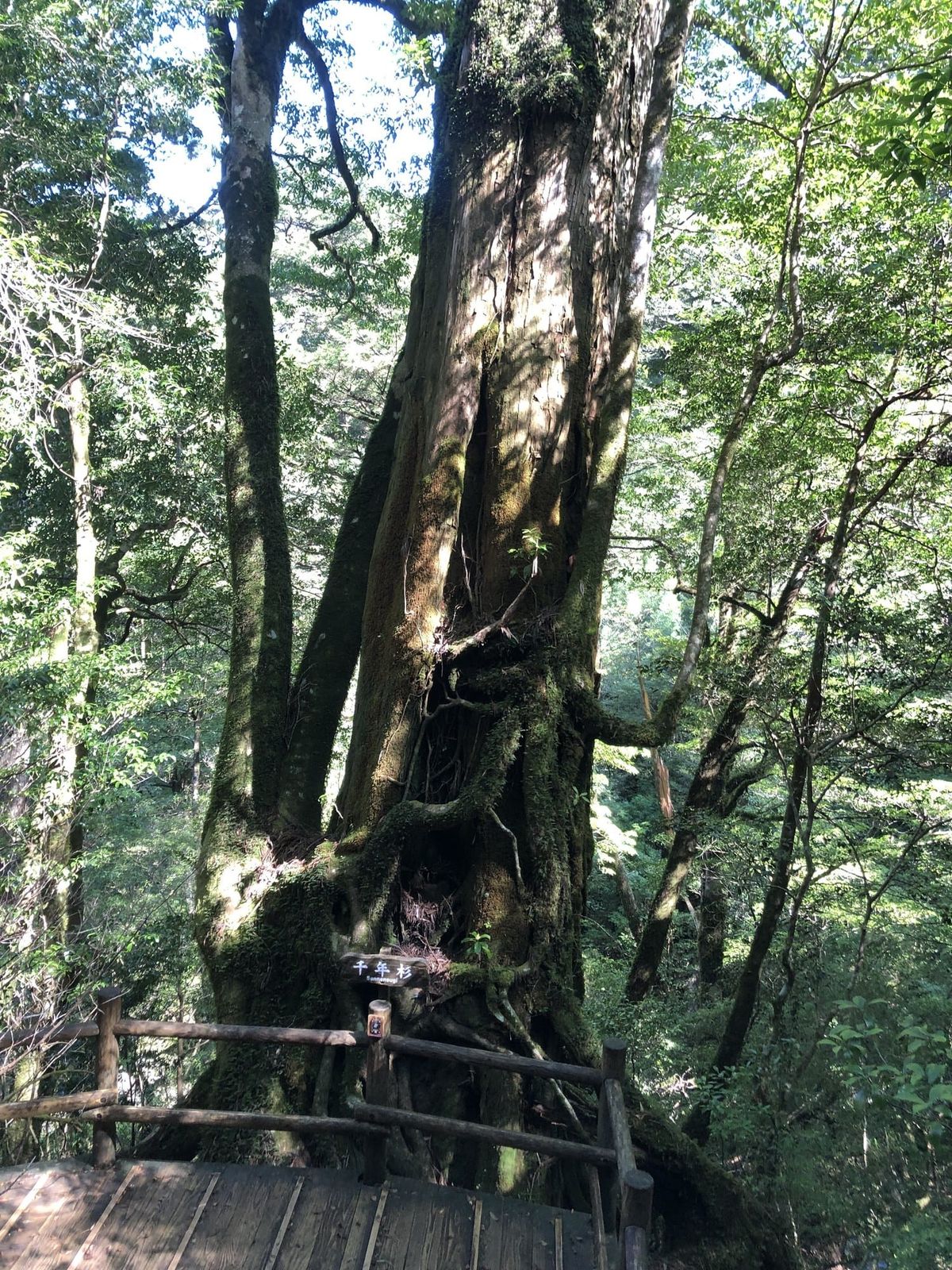
A Yakushima Jomon Sugi tour is a 22 km, 9–10 hour round-trip day hike to a cedar tree estimated at 2,000 years old or more. English-speaking guided tours start from roughly ¥15,000 per person for open-group formats and require advance booking — English-fluent native guides on the island are limited. Base near Anbo the night before (from ¥5,000/night at Yakushima Guesthouse Suginoko) to catch the early mandatory shuttle bus without scrambling; if you book too late in the season to secure a guide, the trail is well-marked for independent hikers with mountain experience.
Of the 4 English-speaking guide operators confirmed active on the island — YES Yakushima, Sangakutaro Guide Office, Yakushima Geographic, and Yakushima Experience — all require advance booking, with lead times of at least 4 to 6 weeks during spring and autumn peak periods (checked July 2026).
The short answer: plan a full day and base near the trailhead
A Yakushima Jomon Sugi tour is one of Japan's great day hikes — and one of its most demanding. Round-trip from the Arakawa Trailhead to the ancient cedar and back runs about 22 km and takes most people 9 to 10 hours. If you want forest ecology commentary from someone who knows the island, joining a guided tour is the smartest move. English-speaking guides can be arranged with advance booking. Base near Anbo the night before so you can catch the mandatory shuttle bus early without scrambling.
Some links in this guide are affiliate links. If you book through them, we may earn a commission at no extra cost to you.
| Name | Area | Price range | Best for |
|---|---|---|---|
| Yakushima Guesthouse Suginoko | Anbo | from ¥5,000 (rates vary by season) | Solo trekkers, early-bus access |
| Yakushima Green Hotel | Anbo | from ¥8,000 (rates vary by season) | Couples, sea views, reliable facilities |
| Guesthouse Tumugu | Near Anbo / Yudomari | from ¥6,000 (rates vary by season) | Ocean-and-mountain views, small-group feel |
What the trek actually involves
Jomon Sugi is a yakusugi cedar estimated to be at least 2,000 years old — with some scientists putting the upper estimate at over 7,000 years. The tree stands at around 25 m tall with a trunk circumference of 16.4 m, making it the largest conifer in Japan. Since Yakushima became a UNESCO World Heritage Site in 1993, access to the tree itself is limited to an observation deck about 15 m away.
The full route from the Arakawa Trailhead covers roughly 22 km round-trip. The first 8 km follows a former logging rail track — relatively flat and walkable, but it still takes about three hours each way. After the railbed ends, the trail climbs steeply to the cedar. Most hikers finish the round-trip in 9 to 10 hours; anyone who takes it slowly or stops frequently should plan for closer to 10 to 11 hours. Start early.
Getting to the Arakawa Trailhead: shuttle bus is mandatory
Private vehicles are banned from the Arakawa Route from 1 March through 30 November each year — the most popular trekking season. During this period, the only way to reach the trailhead is the Arakawa Mountain Bus, which departs from stops in Miyanoura and Anbo in the early morning. The bus fare is ¥1,000 one-way (¥2,000 round-trip) for adults and junior high students. A Mountain Environmental Conservation Donation of ¥1,000 per day-hiker is also requested and goes directly to trail maintenance and mountain toilet upkeep. You can pay at tourist information offices in Miyanoura or Anbo, or at the Yakusugi Museum office when you buy your bus ticket.
Outside the regulated season (December through late February), the road is technically open, but winter conditions on the mountain are unpredictable. Confirm the current shuttle schedule at Yakushima Town's mountaineering information page before you go.
- Bus departs Miyanoura and Anbo early morning (check current timetable)
- Tickets sold at Miyanoura/Anbo tourist info and Yakusugi Museum office
- ¥1,000 one-way per adult (¥2,000 round-trip); ¥1,000 conservation donation requested in addition
- Chartered buses and taxis can access the road during the regulated period
Why go with a guide
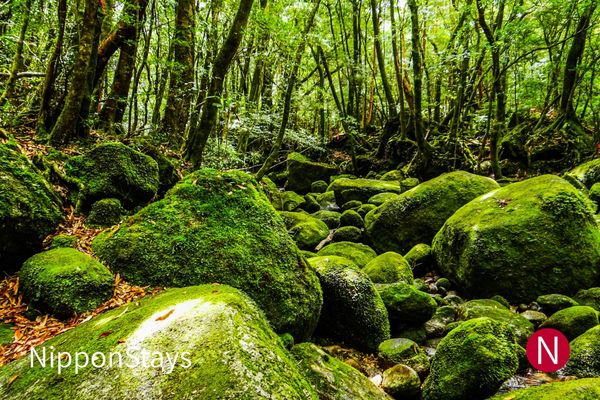
You can do this hike independently if you're experienced in mountain hiking and comfortable navigating a long trail day in wet conditions. That said, a guide makes the day significantly richer. The Yakushima forest is one of Japan's most biodiverse ecosystems — yakusugi cedars, hanging moss, native deer, yakumonkey — and a knowledgeable guide gives you context that the trail signs do not.
Several guide offices on the island offer English-language Jomon Sugi tours. YES Yakushima runs open-group tours (shared cost) and private tours, and notes that English-fluent native guides are limited, so booking well in advance is essential. Sangakutaro Guide Office in Anbo offers English tours with an additional fee factored into the price. Yakushima Geographic and Yakushima Experience are two other operators with English options. Group size and private-vs-shared structure affect pricing significantly; typical guided-tour costs for the Jomon Sugi day start from roughly ¥15,000 per person for open group tours and go higher for private arrangements. Book at least a month ahead in peak season (April–May and September–November).
- YES Yakushima (yesyakushima.com) — open and private tours, gear rental available
- Sangakutaro Guide Office, Anbo — English tours, book by email/online form
- Yakushima Geographic (yaku-geo.com) — English one-day Jomon Sugi tour
- Yakushima Experience (yakushimaexperience.com) — specialist guiding in English
If you join a guided tour, the operator will send a detailed gear list. If you're going independently, carry everything on the checklist below — do not cut corners on rain gear.
Gear and rain prep: non-negotiable on Yakushima
Yakushima is one of the rainiest places in Japan. The island's weather can shift from sun to heavy rain within an hour at any elevation, and the forest trail stays damp even on clear days. The Japan Ministry of the Environment lists the following as required equipment for this route:
- Waterproof hiking boots — not trail runners, not sneakers. The railbed section is manageable but the mountain section involves wet rock and root crossings. Gore-Tex or fully waterproof footwear is strongly recommended.
- Rain jacket and rain pants — a proper waterproof-breathable set, not a convenience-store poncho. You will be moving for 9+ hours and sweating; a non-breathable layer becomes dangerously uncomfortable.
- Layering — the trailhead sits at around 600 m; the cedar is at 1,300 m. The temperature at the top can be 5–8°C cooler. Bring a mid-layer even in summer.
- Headlamp or flashlight — starts before dawn and late-finishers may return in low light.
- Food and water — there are no shops on the trail. Carry enough food and at least 1.5 L of water; filter or bring extra if you tend to drink more on long days.
- Emergency whistle and map — mobile signal is limited on the upper trail.
Trekking poles are optional but help on the steep section after the railbed ends, especially on the descent in wet conditions. Guide offices can arrange gear rental for visitors who did not bring hiking-specific equipment.
Where to sleep before and after the trek
The Arakawa Mountain Bus departs very early in the morning from Miyanoura and Anbo. Staying in Anbo the night before puts you a short trip from the nearest bus stop — which matters a lot when you're waking up before 5 a.m.
Yakushima Guesthouse Suginoko is in Anbo, about 100 m from the Isobe bus stop. The guesthouse has private-bathroom rooms, free breakfast, and is set up for trekkers. Rates start from around ¥5,000 per person; book directly or through major platforms. Confirm availability well ahead of peak season.
Yakushima Green Hotel sits on the edge of Anbo with sea views. It is a 40 to 50-minute drive from the Arakawa Trailhead itself, but the Anbo shuttle bus connection makes it workable. The hotel has an onsen bath, air-conditioned rooms, and a front desk. Rates vary by season; check current prices on booking platforms.
Guesthouse Tumugu, which opened in October 2023, is a small property with ocean and mountain views and confirmed shuttle bus access to the Arakawa Trailhead. Confirm rates and availability directly.
For access guidance and the sub-pillar on planning your island stay, see our Yakushima accommodation guide. For the full island circuit and a second day of activities, see the Yakushima 2-day itinerary. For reaching Yakushima from Kagoshima — including what to do when your flight is canceled — see how to get to Yakushima.
Practical constraints and booking checklist
The Jomon Sugi trek closes or becomes dangerous when typhoons or severe storms hit. Guides and the Yakushima Town office issue trail closure notices; check before departure. Weather can cancel plans regardless of season.
- Book a guided tour at least 4 to 6 weeks ahead in spring (April–May) and autumn (September–November) peak periods.
- Accommodation near Anbo fills up around trekking season; book the night-before stay at the same time as your guided tour.
- Rates for all accommodation vary by season.
- Build a weather buffer day into your Yakushima itinerary — if your flight from Kagoshima or Osaka is canceled by fog, you still want to complete the trek. See the access guide for the ferry fallback.
- The conservation donation (¥1,000 for day hikers) is payable on the day; budget for it separately from the bus fare.
| Name | Area | Price range | Best for |
|---|---|---|---|
| Yakushima Guesthouse Suginoko | Anbo | from ¥5,000 (rates vary by season) | Budget trekkers, bus-stop proximity |
| Yakushima Green Hotel | Anbo | from ¥8,000 (rates vary by season) | Comfort after the trek, sea views |
| Guesthouse Tumugu | Near Anbo | from ¥6,000 (rates vary by season) | Small-group atmosphere, shuttle access |
Trip Essentials for Kagoshima
Things worth booking before you land, all in English:
- eSIM — Airalo's Japan eSIM: install it at home and data works as soon as you switch off airplane mode at Kagoshima Airport. Comparing providers? See our Japan eSIM guide.
- Tickets and day trips — Klook covers Sakurajima tours and Kyushu rail passes; booking ahead skips the ticket-window line.
FAQ
Do I need a guide for the Jomon Sugi hike?
No — the trail is well-marked and you can hike independently. A guide is strongly recommended for the ecological commentary and the safety net on a 9+ hour mountain day in an extremely wet environment. English-speaking guides require advance booking.
Is the Arakawa Mountain Bus included in guided tour packages?
It depends on the operator. Confirm when booking whether the bus fare and the ¥1,000 conservation donation are included or need to be paid separately.
Can I do this trek in December–February?
The shuttle bus restriction is lifted December through February, so private vehicles can access the road in winter. However, mountain conditions are colder, wetter, and potentially icy at elevation. Check with the Yakushima Town mountaineering office for current conditions before planning a winter attempt.
How difficult is the trail physically?
The first 8 km on the old logging railbed is flat and not technically difficult, but the sheer distance and time on your feet is the challenge. The upper section after the railbed ends is steep. A reasonable level of fitness for long-day walking — think 6 to 8 hours of hiking — is the practical minimum.
What if my flight to Yakushima gets canceled?
Fog is the main culprit for flight cancellations on the Yakushima route. Always plan the Toppy high-speed ferry from Kagoshima as your Plan B, and keep a buffer day so a scrubbed flight doesn't erase your chance at the trek. See how to get to Yakushima for the full fallback logistics.
Information audit: Last fact-checked July 2026 · Prices checked July 2026 (all rates are “from” floors that vary by season) · How this guide was researched: hotel facilities, prices and access details are verified against official and primary sources; we have not personally stayed at every property listed. The author has traveled in this area personally; original photographs on this site are from those trips · How this site verifies information: About NipponStays.