Japan Autumn Leaves Without a Car: 6 Bases That Work
Six rail-and-ferry bases for Japan's autumn leaves without a car: Jozankei, Nikko, Kanazawa, Hakone, Miyajima, Yufuin, compared on walk time and price.
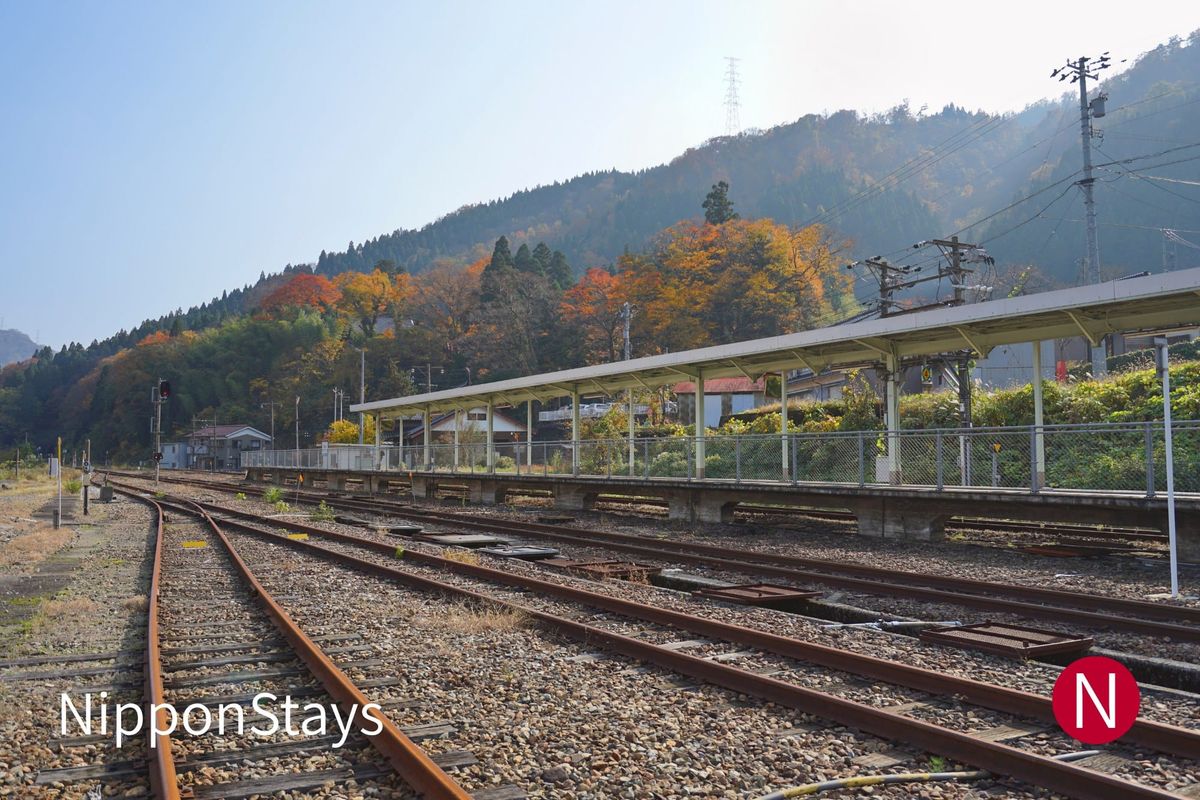
For Japan autumn leaves without a car, six bases do the whole trip on trains, buses, and one short ferry: Jozankei, Chuzenji/Nikko, Kanazawa, Hakone, Miyajima, and Yufuin. Each puts a traveler within a walk or a single local bus of a named viewpoint, with a hotel booked at that same spot rather than a rental-car radius away. At Lake Chuzenji, Chuzenji Kanaya Hotel is a 5-min walk from the shoreline color, from ¥28,000 for two; in Kanazawa, Hyatt Centric Kanazawa is a 2-min walk from the station and one bus from Kenrokuen, from ¥16,000 for two. The answer changes for a fifth Fuji lake beyond Kawaguchiko, for Koyasan's shukubo, or for a night spent in Kamakura itself — none of those has working rail-only lodging next to the leaves, so none made this list.
The Test Every Base Has to Pass
A location only qualifies here if it clears four tests, in order: the last leg from the nearest train station or ferry pier is a walk or a single bus, not a chain of transfers; the first departure of the day reaches the viewpoint before the buses full of day-trippers arrive; the hotel itself sits inside that same walk or ride, not in a separate town that still needs its own car to close the gap; and the last bus or train back runs late enough to cover a post-sunset dinner. Areas that fail the third test most often — a strong viewpoint with no walkable bed near it — are covered further down, not on the main list.
Six Bases for Autumn Leaves Without a Car, at a Glance
All six reach their named viewpoint from a hotel bed on foot or with one local bus; the gateway, the last leg, and how soon a traveler is standing in front of the color are compared below.
| Base | Gateway station or port | Last leg | First arrival at the leaves | From price (2 guests) |
|---|---|---|---|---|
| Jozankei | JR Sapporo Station | Jotetsu direct bus, about 60–70 min, then a 12-min walk to Futami Bridge | On the first direct bus of the morning | From ¥19,000 |
| Chuzenji (Nikko) | Tobu Nikko Station | Tobu bus toward Yumoto Onsen, about 60 min; first departure 6:09am | Already lakeside — the hotel sits on the shore | From ¥28,000 |
| Kanazawa | JR Kanazawa Station | 2-min walk to the hotel; a further Hokutetsu bus, about 16 min, to Kenrokuen-shita | One bus ride, no transfer | From ¥16,000 |
| Hakone (Gora) | Hakone-Yumoto Station | Hakone Tozan Railway to Gora, 37 min; first train 6:12am; then a 5-min walk | Two short, scheduled hops, no car at any point | From ¥61,000 (dinner and breakfast included) |
| Miyajima | Miyajimaguchi ferry pier | JR ferry, about 10 min, then a 10-min walk into Momijidani | On the first ferry of the day | From ¥100,000 |
| Yufuin | JR Yufuin Station | 8-min walk into town, past Kinrin-ko | Straight off the platform, no bus needed | From ¥21,000 |
Every "from" figure above is a standard-season, two-guest rate pulled from booking aggregators, not an autumn quote — read it as a ranking of relative cost, not a forecast. Rooms at all six properties typically sell out two to three months ahead of peak color, and the same category can price two or three times higher once November dates are loaded, so a traveler should check live rates for their own dates rather than book off this table alone.
The Six, in the Order Their Leaves Turn
Hokkaido colors first, Kyushu last: the six run roughly north to south through the season, though any single year can shift a base's peak by a week or more either way.
Jozankei — Sapporo's Own Gorge, Early to Mid-October
Jozankei is close enough to Sapporo to be a day trip, but its own river gorge turns first among the six, typically in early-to-mid October, and a hotel bed inside the onsen town means a traveler is walking the color before the day-trip buses arrive. Jozankei View Hotel is a 12-min walk from the Futami Suspension Bridge, the red span over the Toyohira River that is the area's signature shot. The Jozankei Tourist Association's access page lists both the Jotetsu direct bus and a slower local-route bus from Sapporo Station; the direct service keeps the whole day inside a single, no-transfer hop.
Chuzenji — Above Nikko's Own Traffic, Mid-to-Late October
Lake Chuzenji sits roughly 726 m higher than Nikko town (1,269m versus 543m at Tobu Nikko Station), and its maples typically turn two to three weeks ahead of the valley below, in mid-to-late October in an average year. Chuzenji Kanaya Hotel is a 5-min walk from the shoreline, so a traveler based here skips both the morning bus queue up the Irohazaka switchbacks and the afternoon queue back down — the color is already outside the door. The Tobu Bus Nikko timetable confirms the first Yumoto Onsen-bound departure from Tobu Nikko Station leaves at 6:09am, useful for a traveler basing in town instead and riding up for a single day. For the ordinary Nikko-versus-Kinugawa question outside the no-car angle, see the Nikko vs Kinugawa comparison linked below.
Kanazawa — A City Base With the Garden 16 Minutes Away, Early-to-Mid November
Kenrokuen's maples usually peak in early-to-mid November, later than Nikko because Kanazawa sits at lower elevation on the Sea of Japan side. Hyatt Centric Kanazawa sits a 2-min walk from the station's West Exit — confirmed on the property's own transportation page — and a single Hokutetsu bus from the East Exit bus terminal reaches Kenrokuen-shita in roughly 16 minutes. It is the one base here where the room is not already inside the color, traded for a proper city hotel on the Hokuriku Shinkansen line.
Hakone — Two Viewpoints From One Gora Base, Mid-to-Late November
Hakone runs later than Nikko or Jozankei, typically mid-to-late November at Gora's elevation. Hakone Yutowa is a 5-min walk from Gora Station, the Hakone Tozan Railway's mountain terminus reached from Hakone-Yumoto without a car; Gora Park, with its own maple plantings around the fountain terrace, is a further 5-min walk, and the cable car up toward Owakudani leaves from the same small hub. Two color-viewing options, one bed, no taxi.
Miyajima — Sleeping Past the Last Day-Tripper Ferry, Mid-to-Late November
Miyajima's Momijidani Park — the name literally means "maple valley" — typically turns mid-to-late November, close to Hakone's timing on the far side of the country. Iwaso, a ryokan on the site since 1854, is roughly a 10-min walk from the ferry pier into the park itself, or a free shuttle covers the same ground faster. The JR Miyajima Ferry timetable shows the first sailing from Miyajimaguchi at 6:25am; a traveler sleeping on the island is already inside the park roughly two hours before the first tour groups land from Hiroshima.
Yufuin — Morning Mist Season, Late November to Early December
Yufuin turns last among the six, typically late November into early December, and its own draw — the seasonal morning mist over Kinrin-ko — is a dawn phenomenon rather than a single peak week. Yufuin Sansuikan is an 8-min walk from JR Yufuin Station, past Kinrin-ko, with no bus needed at any point of the stay. Travelers combining Yufuin with an onsen-ryokan format elsewhere in the country can compare the general shape of that lodging type in the guide to onsen ryokan across Japan, linked below.
Places That Quietly Need a Car
Several strong autumn locations sit outside this list because the last leg is not solved by rail. Naruko Gorge's bridge viewpoint is served by only a handful of daily buses from Furukawa or Sendai, thin enough that one missed connection strands a traveler for hours rather than minutes — though a traveler already sleeping in Naruko Onsen itself can close that last mile with a roughly 13-minute taxi rather than a rental car. Aizu-Wakamatsu and Ouchi-juku have color as good as anywhere in Tohoku, but neither has walkable lodging next to the site itself; the nearest bases sit 30–40 minutes away by local train or bus, a gap few travelers close without a car once an evening meal is added. The same logic rules out Koyasan's shukubo temple lodging and four of the five Fuji lakes beyond Kawaguchiko: strong scenery alone does not guarantee rail-in lodging next to it. A similar car-free logic, applied further north to a different Tohoku gorge, runs through the Oirase and Towada guide linked below.
One Number That Holds Across the Six
Of the six bases compared here, four reach their named autumn view on foot alone: Jozankei's 12-min walk to Futami Bridge, Chuzenji's 5-min walk to the Lake Chuzenji shoreline, Miyajima's 10-min walk into Momijidani, and Yufuin's 8-min walk from the station platform. The other two add exactly one scheduled ride each — Kanazawa a single 16-minute bus to Kenrokuen, Hakone a 37-minute train to Gora followed by its own 5-min walk — and neither of those two rides requires a reservation (checked August 2026).
Compare All Six Bases
| Name | Area | From price (2 guests) | Best for | Walk to the leaves |
|---|---|---|---|---|
| Jozankei View Hotel | Jozankei, Sapporo | From ¥19,000 | Color inside the onsen town itself | 12-min walk to Futami Bridge |
| Chuzenji Kanaya Hotel | Lake Chuzenji, Nikko | From ¥28,000 | Skipping the Irohazaka bus entirely | 5-min walk to the lakeshore |
| Hyatt Centric Kanazawa | Kanazawa Station | From ¥16,000 | A city base with the garden one bus away | 2-min walk to the station, then one bus |
| Hakone Yutowa | Gora, Hakone | From ¥61,000 (dinner and breakfast included) | Two color-viewing options from one base | 5-min walk to Gora Station, 5 more to Gora Park |
| Iwaso | Miyajima | From ¥100,000 | The island after the last day-tripper ferry leaves | 10-min walk into Momijidani |
| Yufuin Sansuikan | Yufuin, Oita | From ¥21,000 | Morning mist without a single bus | 8-min walk from the platform |
Travelling by rail leaves one problem the timetable cannot solve. On the busiest momiji day-trip routes the coin lockers are outnumbered by suitcases well before lunch in peak week, so the bag has to be dealt with before the train, not at the station. Luggage on momiji day trips compares the lockers with hotels that hold bags.
FAQ: Autumn Leaves in Japan Without a Car
Which base has the best first-train or first-ferry access?
Miyajima. The first JR ferry from Miyajimaguchi departs at 6:25am, putting a traveler inside Momijidani Park after only a further 10-min walk, well ahead of the first tour groups from Hiroshima (checked August 2026).
Do any of these six need a bus reservation?
No. The Jotetsu bus to Jozankei, the Tobu bus to Chuzenji, and the Hokutetsu bus to Kenrokuen are all pay-as-you-board local services with no seat reservation. Only the long-distance connecting trains — the Odakyu Romancecar into Hakone-Yumoto, or the Hokuriku Shinkansen into Kanazawa — benefit from booking ahead around peak color.
Is a rail pass worth it across these six bases?
It depends on which two or three are combined in one trip, not on the six as a set. A JR-wide pass earns its cost back fastest on a long haul such as Tokyo to Kanazawa on the Hokuriku Shinkansen; it does nothing for Jozankei's private Jotetsu bus or Nikko's Tobu network, since neither short local leg costs enough per ride to offset a multi-day pass bought for it alone.
Which one works best with young children?
Chuzenji and Kanazawa. Chuzenji removes the switchback bus ride entirely, since the hotel already sits on the lake — useful for a child prone to car sickness. Kanazawa keeps total transit under 20 minutes door-to-garden and never involves a ferry crossing or a stroller on a long bus ride.
For the national picture of when and where autumn color runs across the country, see Japan's autumn leaves, when and where. Nikko town versus Kinugawa on ordinary sightseeing grounds, outside the car-free angle used here, is covered in Nikko vs Kinugawa: which one to sleep in; a similar rail-only logic applied to Aomori's own gorge appears in Oirase and Towada without a car, and the broader onsen-ryokan format used at five of these six bases is covered in onsen ryokan across Japan.