ANA and JAL Shareholder Discount Tickets: How to Buy One Without Being a Shareholder
Ticket shops sell airline shareholder vouchers for cash, no ID needed. Plus the May 2026 ANA change that makes two-year-olds pay while JAL flies them free.
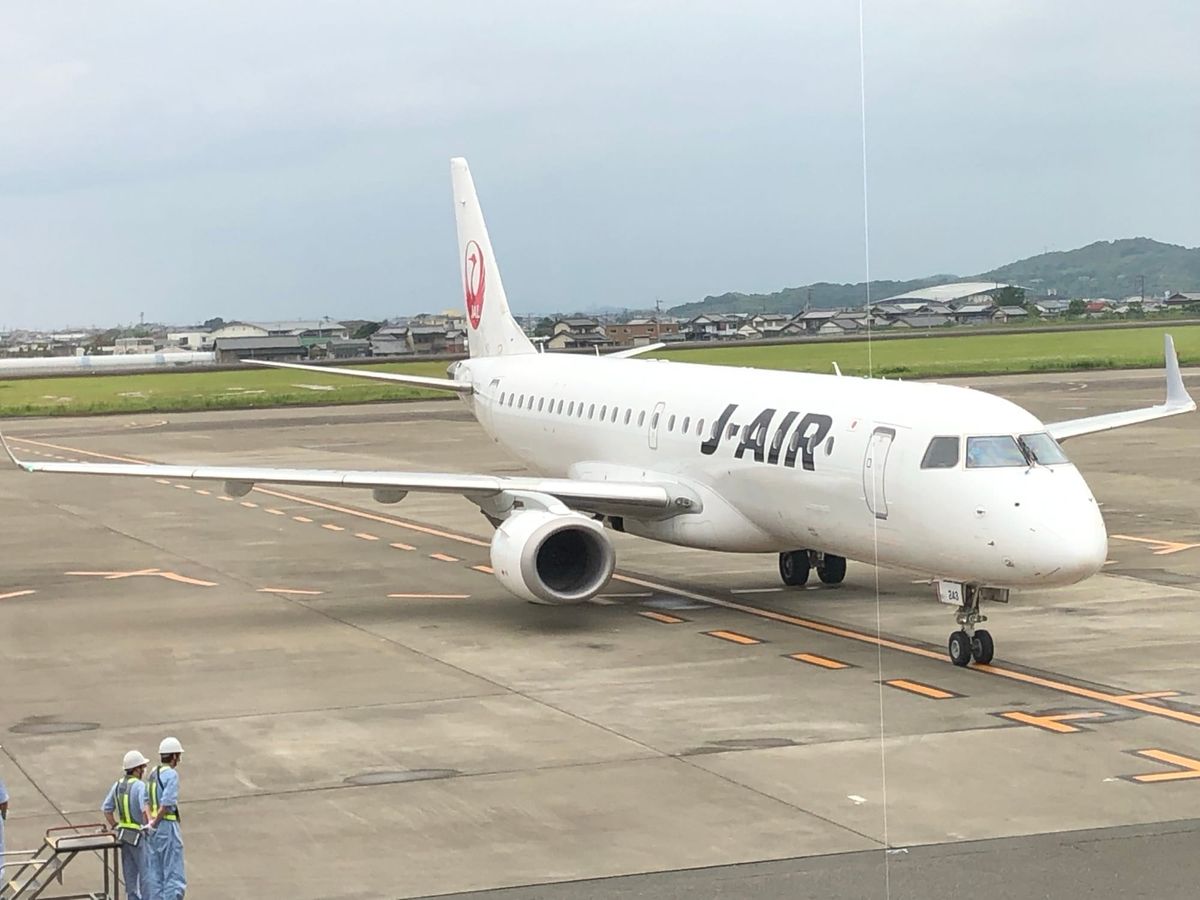
If you have no miles at all, ANA and JAL shareholder discount tickets are the option almost no English guide mentions. They are discount vouchers issued to shareholders, they resell legally through ticket shops in Tokyo and other cities, and you do not need to be a shareholder or show any identification to buy one. What you get is a seat on a flexible fare at a substantial discount off the regular price — useful when award seats are gone, when you are travelling as a group, or when you need a ticket you can change.
It also solves a problem that appeared in 2026. ANA narrowed its free-infant age band on 19 May 2026, so a two-year-old who used to fly free now needs a seat and a child fare. JAL did not make the same change. That single difference can decide which airline a family should book, and the shareholder ticket is what makes the ANA version affordable.
What a shareholder discount ticket actually is
Japanese airlines issue benefit vouchers to their shareholders. Each voucher discounts one domestic sector off the airline's regular flexible fare. Shareholders who do not fly sell them on, and a whole retail trade exists to buy and resell them: the kinken shop, a discount ticket shop that deals in vouchers, gift certificates and transport tickets.
The important points for a visitor:
- No identification is required to buy. You walk in, pay cash, and walk out with the voucher. There is no residency test and no shareholder check.
- The discount applies to the regular fare, not to the airline's cheapest advance-purchase fare. Compare against the fare you would actually pay before assuming it is a saving.
- The resulting ticket is flexible. Because it prices off the regular fare, it keeps change rights that discounted fares do not have.
- Prices float. Voucher prices move with supply, demand and the airline's shareholder calendar, so what a shop charges in a quiet month differs from peak season.
Where to buy them
Ticket shops cluster around major stations. In Tokyo the densest concentration is around Shimbashi and Shinjuku, where several shops sit within a short walk of each exit and compete on price within sight of each other. Most are small storefronts with prices posted on the window in Japanese, and most take cash only.
Buying is transactional rather than conversational: point at the airline and the number of vouchers you want, pay, and take the slip. You then book through the airline using the voucher number. Give yourself time before departure rather than doing this on the way to the airport.
We have not recorded shop prices on a specific date, so we are not going to publish a figure that would be stale by the time you read it. Check the window displays of two or three shops before buying — the spread between neighbouring shops is real.
The child rule that changed in May 2026
This is the part worth knowing even if you never buy a voucher.
ANA renewed its domestic fare structure for travel from 19 May 2026, aligning domestic rules with its international ones. In the process it narrowed the free-infant band: previously a child up to age two travelled free on a lap, and now that applies only up to age one. From age two, a child needs their own seat and a child fare. If a child turns two during the trip, they cannot be treated as a free infant for the return.
JAL did not follow. On JAL, the child fare still begins at age three.
| Child's age | ANA (travel from 19 May 2026) | JAL |
|---|---|---|
| Under 2 | Free, on a lap | Free, on a lap |
| 2 years old | Own seat, child fare payable | Free, on a lap |
| 3 to 11 | Own seat, child fare payable | Own seat, child fare payable |
Of the three child age bands above, two are now identical across the airlines and one is not: a two-year-old needs a paid seat on ANA and still flies free on a lap on JAL (checked August 2026). That single band is the whole decision for families with a toddler.
For a family with a two-year-old, this is a straightforward saving: fly JAL and the child costs nothing. If ANA is the only sensible option on your route — and on several Hokkaido and Kyushu routes it effectively is — the child now costs money, and the shareholder voucher is how residents keep that cost down.
Adults on miles, children on shareholder tickets
The two halves of this guide combine better than either does alone.
The constraint on award seats is quantity: in our searches ANA releases at most two award seats per flight, so a family of four cannot travel together on miles. The constraint on shareholder vouchers is that they are a discount rather than a giveaway. Put them together and the shape of a family booking becomes obvious — put the adults on whatever miles you have, and the children on shareholder-discounted fares on the same flight.
| Traveller | Book with | Why |
|---|---|---|
| First adult | Foreign programme miles | 6,000–7,500 miles covers a sector; free to cancel |
| Second adult | Foreign programme miles | Award inventory usually stretches to two seats |
| Child aged 2–11 | Shareholder-discounted child fare | Award seats run out after two; child fares price off the discounted adult fare |
| Infant under 2 | Nothing on either airline | Lap infant, no fare |
This keeps the family on one flight, which the miles route alone cannot do.
What it does not cover
Shareholder vouchers apply to the airline that issued them, on its own domestic network. They do not work on low-cost carriers such as Peach, Jetstar Japan or Spring Japan, and they do not apply to international sectors. Some fare types, promotional fares and group bookings are outside the scheme, and the voucher is a discount rather than a free ticket — you still pay a fare, and you still pay taxes and airport charges.
Check the airline's current shareholder benefit rules before you buy a voucher for a specific flight, because both carriers adjust the terms periodically.
If you do have miles to spend, start with our guide to using foreign airline miles inside Japan, which covers which programmes reach ANA and which reach JAL. Wherever you land, our Osaka and Sapporo guides cover the two cities these domestic routes serve most heavily.
FAQ: Shareholder discount tickets for Japan domestic flights
Can a foreign visitor buy an ANA or JAL shareholder discount ticket?
Yes. Ticket shops sell the vouchers over the counter for cash with no identification required and no residency test. You buy the voucher, then book the flight with the airline using the voucher number. The shops cluster around major stations, with Shimbashi and Shinjuku the densest areas in Tokyo.
How much does a shareholder ticket save?
The voucher discounts the airline's regular flexible fare, not its cheapest advance-purchase fare, so the saving depends entirely on what you would otherwise have booked. Against a walk-up or late booking it is substantial; against a cheap fare booked months ahead it may not be. Voucher prices themselves float with demand, so compare two or three shops.
Does my two-year-old need a seat on a Japan domestic flight?
On ANA, yes: since 19 May 2026 the free-infant band has ended at age one, and a two-year-old needs a seat and a child fare. On JAL, no: the child fare still starts at age three, so a two-year-old still travels free on a lap. A child who turns two during the trip cannot be treated as a free infant on ANA for the return.
Can I use a shareholder ticket on Peach or Jetstar?
No. The vouchers are issued by ANA and JAL and apply only to their own domestic flights. Low-cost carriers, international sectors and certain promotional and group fares fall outside the scheme.