Aizu or Yamagata Soba? Tohoku's Two Soba Countries
Aizu or Yamagata for new soba: Yamagata is a direct shinkansen ride, Aizu-Wakamatsu always means one change of train. Here's how to pick.

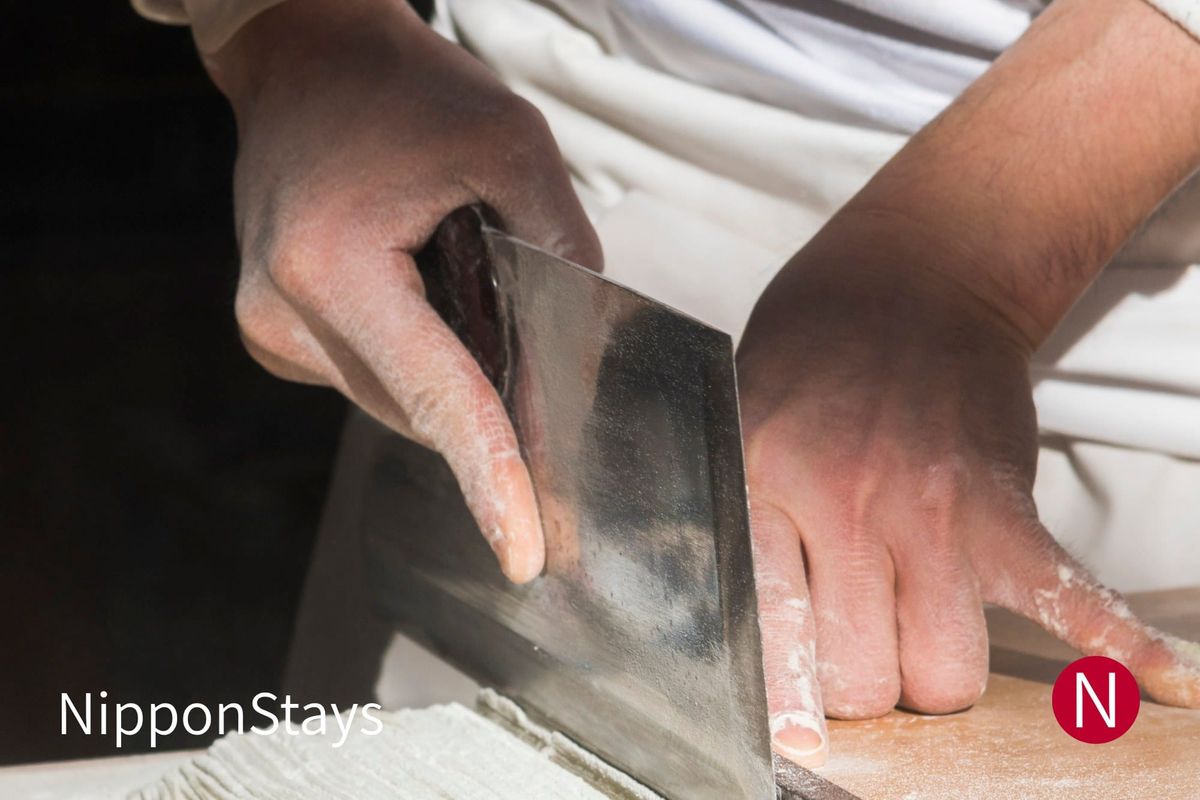
Quick Answer: The Aizu or Yamagata soba choice comes down to how you're getting there from Tokyo. Yamagata is a single direct Yamagata Shinkansen (Tsubasa) ride — no transfer — with hotels clustered right at the station, such as Richmond Hotel Yamagata Ekimae. Aizu-Wakamatsu takes one change of train either way you go (via Koriyama or via Asakusa/Tobu), with a base such as Aizuwakamatsu Washington Hotel a short walk from the station. Yamagata serves ita-soba on a shared wooden board; Aizu (via day-trip Ouchijuku) serves negi-soba, eaten with a whole green onion in place of chopsticks. Neither is "better" soba — the deciding factor is whether you want a direct train or don't mind one change.
Two soba countries, one decision: transfer or no transfer
Aizu and Yamagata sit next to each other on the map, both inside the wider Tohoku region, and both serve buckwheat noodles that reach their autumn shin-soba window from around late October. What separates them for a traveler based in Tokyo isn't the noodles themselves — it's how you get there and where you can actually book a room. Yamagata City sits on a shinkansen line that runs straight out of Tokyo Station. Aizu-Wakamatsu does not sit on any shinkansen line at all, so reaching it always means changing trains at least once. That single fact — not which soba tastes better — is the axis this guide uses to decide between them. For the season itself and how the "shin-soba" label works, see our guide to Japan's new-soba season; for the equivalent decision on the western side of Japan, see Togakushi or Izumo for new soba.
| Region | What it's called | How it's served | Bookable base | From Tokyo |
|---|---|---|---|---|
| Aizu (Fukushima) | Takato-soba / negi-soba | Grated daikon-based sauce; at Ouchijuku, eaten with one whole green onion instead of chopsticks | Aizu-Wakamatsu (day-trip to Ouchijuku) | One change, either via Koriyama or via Asakusa |
| Yamagata | Ita-soba | Served cold on a large wooden board (ita), a portion usually meant to be shared | Yamagata City | Direct, no change (Yamagata Shinkansen) |
Aizu: takato-soba, and a whole green onion for chopsticks
The dish most associated with the Aizu region is takato-soba, also called negi-soba, and it's the specialty of Ouchijuku — the thatched-roof former post town about 30 minutes by road from Aizu-Wakamatsu. The style traces back to the Aizu domain's first lord, Hoshina Masayuki, who grew up in the Takato domain in what is now Nagano and brought its daikon-oroshi (grated daikon) soba tradition with him when he took over Aizu in the 1640s — which is why the dish still carries the Takato name centuries later. Ouchijuku's signature is negi-soba: at shops such as Yamatoya you eat it with a single whole naganegi (long green onion) in place of chopsticks, nibbling it as a garnish between bites, while Misawaya serves the older grated-daikon takato style (both listed on the Ouchijuku Tourism Association's official site, checked October 2026). It's a novelty worth building a day around, but it is exactly that — a day trip. Ouchijuku's lodging is a few family-run minshuku, not hotels, so the overnight stay belongs in Aizu-Wakamatsu, the castle town about 30 minutes away by bus or car, which also anchors Tsuruga Castle and the rest of the region's sightseeing.
Yamagata: ita-soba on a shared board
Yamagata's version doesn't center on one village the way Aizu's does — the prefecture is dotted with soba kaido, clusters of small, family-run soba shops strung along a single stretch of country road, several of them within day-trip range of Yamagata City. The distinguishing feature isn't a garnish but the serving style: ita-soba, noodles piled onto a large wooden board rather than a bamboo tray, in a portion sized for sharing rather than for one. Yamagata City itself is also the practical base for reaching two other cold-season draws covered elsewhere on this site — the mountain steps of Yamadera and the onsen town at the entrance to Zao — which makes it a base you can build more than one day around, not just a soba stop.
Getting there: this is what actually decides it
From Tokyo Station, the Yamagata Shinkansen (Tsubasa) runs directly into Yamagata City with no change of train — about eight direct Tsubasa departures run each day toward Yamagata, with the fastest scheduled trip around 2 hours 22 minutes and a typical journey closer to 2 hours 30–50 minutes (JR East's Tokyo Station timetable, checked October 2026). Aizu-Wakamatsu is a different proposition: it sits on the JR Ban-etsu West Line, not a shinkansen line, so every route from Tokyo involves at least one change. The more common option runs Tokyo Station to Koriyama on the Tohoku Shinkansen (around 80 minutes), then a transfer onto the Ban-etsu West Line for the roughly hour-long run into Aizu-Wakamatsu — about three hours door to door with one change. The scenic alternative starts at Asakusa on the Tobu Skytree Line and continues via the Aizu Railway on the Limited Express Revaty Aizu; that train terminates at Aizu-Tajima rather than running through to Aizu-Wakamatsu, so it also involves a connection, on a slower, more local route best suited to travelers who want the ride itself rather than the fastest way in.
Of the four towns named in this comparison — Aizu-Wakamatsu, Ouchijuku, Yamagata City, and Kaminoyama (the onsen town closest to Yamagata's Zao gateway) — only Aizu-Wakamatsu and Yamagata City give you a full range of hotels to compare (checked October 2026). Kaminoyama is an onsen town where the lodging is almost all ryokan, and Ouchijuku's is a handful of family-run minshuku in the thatched houses — both are places you can sleep, just not places with a hotel district.
| Name | Town | Best for |
|---|---|---|
| Richmond Hotel Yamagata Ekimae | Yamagata City | Direct shinkansen access, no transfer from Tokyo |
| Toyoko Inn Yamagata Eki-Nishiguchi | Yamagata City | Budget base a short walk from the west exit |
| Aizuwakamatsu Washington Hotel | Aizu-Wakamatsu | Station-front base for the Ouchijuku day trip and Tsuruga Castle |
| Toyoko Inn Aizuwakamatsu Ekimae | Aizu-Wakamatsu | Budget base by the station, same access to Ouchijuku buses |
Which to choose if…
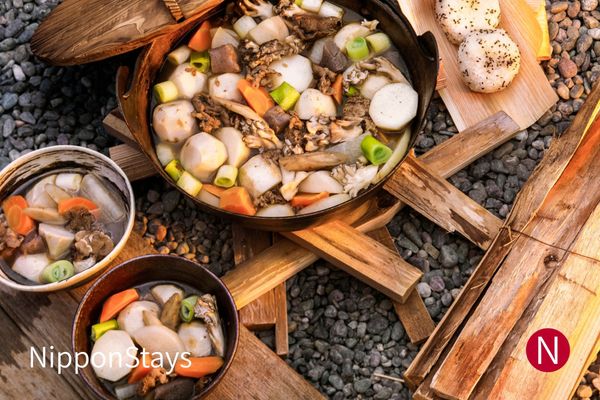
Pick Yamagata if you'd rather not change trains, if you're building a longer stop around Yamadera and the Zao gateway, or if you only have one night to spare and want to spend as much of it as possible off the train. Pick Aizu if the one-negi novelty at Ouchijuku is the point, if Tsuruga Castle and the rest of Aizu-Wakamatsu's history is part of the plan, or if the scenic Asakusa–Tobu–Aizu Railway route itself is part of the appeal rather than a cost of getting there. Either region also works as a stop inside a wider Tohoku loop; both link back to our Sendai base guide and, for another autumn-onsen pairing in the region, Zao vs. Naruko for onsen. This guide covers autumn shin-soba specifically — buckwheat also has a smaller early-summer natsu-shin crop in some regions, which isn't what either town is known for. Autumn in Yamagata is also riverbank hot-pot season: what imoni is and where to try it.
FAQ: Tohoku soba regions
Which is faster from Tokyo, Aizu or Yamagata?
Yamagata is faster and simpler: a direct Yamagata Shinkansen ride, fastest scheduled trip around 2 hours 22 minutes, no change of train. Aizu-Wakamatsu takes about three hours door to door via the more common Koriyama route, which includes one change of train from shinkansen to the Ban-etsu West Line.
Is Aizu soba or Yamagata soba better?
They're different styles rather than competing versions of the same dish. Aizu's takato-soba (negi-soba) is defined by its grated-daikon sauce and the one-green-onion eating style at Ouchijuku; Yamagata's ita-soba is defined by being served on a large shared wooden board. Neither is objectively better — the article's comparison is about travel logistics, not taste.
Can you stay overnight in Ouchijuku?
Not in a hotel — Ouchijuku's lodging is a handful of family-run minshuku in the thatched houses (checked October 2026). It's a half-day-to-day-trip destination from Aizu-Wakamatsu, about 30 minutes away by bus or car, which is where the overnight stay belongs.
Does the Asakusa route go all the way to Aizu-Wakamatsu without changing trains?
No. The Limited Express Revaty Aizu from Asakusa runs on the Tobu Skytree Line and Aizu Railway but terminates at Aizu-Tajima, short of Aizu-Wakamatsu, so a connection is required either way. The Koriyama route (Tohoku Shinkansen to Koriyama, then the Ban-etsu West Line) is the faster of the two one-change options.