Sendai Base for Tohoku Day Trips: Train Times & Where to Stay
Use Sendai as a base for Tohoku day trips — reach Matsushima (40 min), Yamadera (1 hr) and Hiraizumi (80 min) by JR train from one hotel.

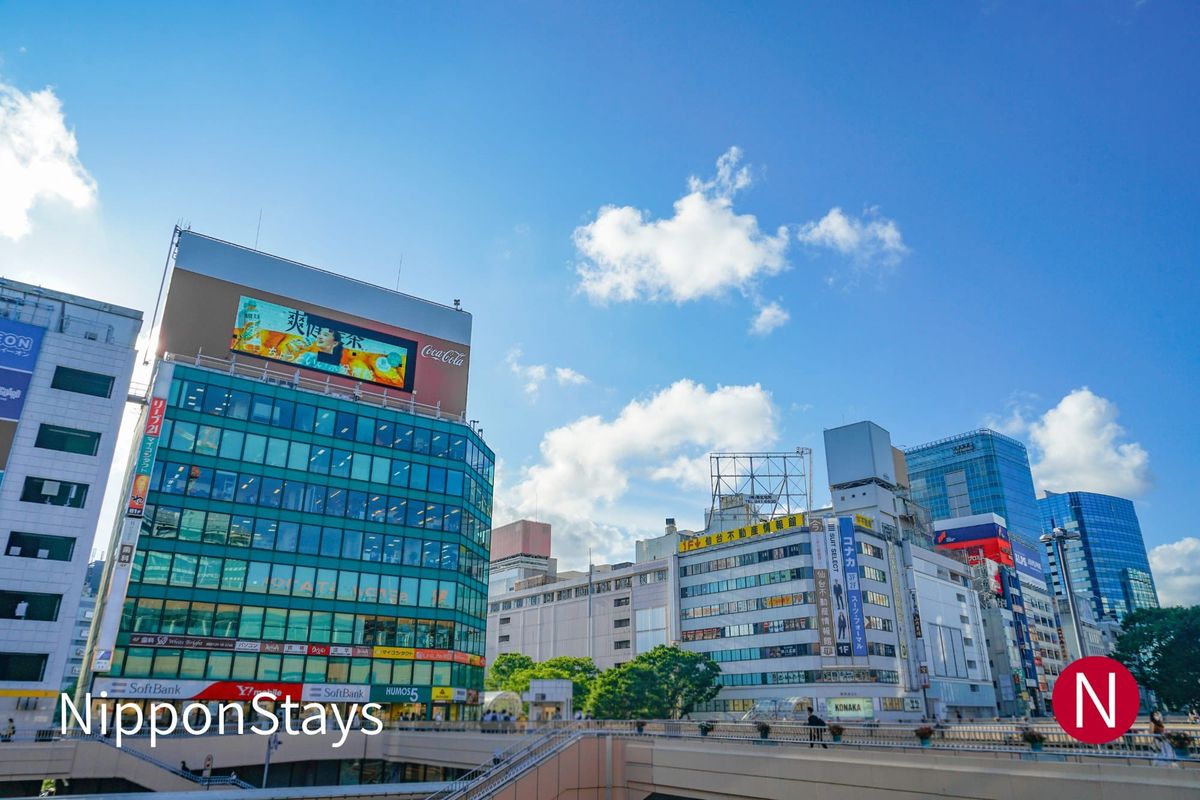
For travelers building a northeastern Japan itinerary, the Sendai base for Tohoku day trips approach means one suitcase, one hotel check-in, and a station that connects to five different rail corridors. Sendai sits at the midpoint of the Tohoku Shinkansen and serves as the region's largest rail interchange. This guide explains which destinations you can reach in a single day, exactly which lines to take, what the JR Pass covers, and where to sleep to keep your departure stress low.
Some links in this guide are affiliate links. If you book through them, we may earn a commission at no extra cost to you.
Of the 5 day trips covered in this guide, 4 are fully covered by the JR Pass and all 5 are reachable from Sendai Station in 2 hours or less one-way — the closest is Matsushima at around 40 minutes and the furthest is Zao Onsen at around 2 hours total by train and bus (checked July 2026).
Why Sendai Works as a Tohoku Hub
The practical case for Sendai rests on three factors: rail connectivity, luggage logistics, and accommodation density.
Rail connectivity is the main draw. The Tohoku Shinkansen runs north and south through Sendai, cutting the journey to Tokyo to around 1 hour 30 minutes. From the same station building you can access the JR Senseki Line (northeast along the coast to Matsushima and beyond), the JR Senzan Line (west over the mountains to Yamadera and Yamagata), and the JR Tohoku Main Line (south toward Ichinoseki and Hiraizumi, north toward Furukawa and Naruko Onsen). All three local lines are covered by the JR Pass and the JR East Pass.
Luggage logistics matter when you are making daily excursions. Sendai Station has coin lockers on both the East and West Exit concourses, plus a staffed cloak room (荷物預かり) near the Central Exit on the first floor. You can check bags in the morning and travel light for the day. This setup is harder to replicate in smaller Tohoku towns.
Accommodation density is the third factor. Over a dozen hotels sit within a 10-min walk of the station, covering every price point from ¥4,000 capsules to ¥20,000-plus full-service hotels. Supply keeps rates competitive, particularly on weeknights outside festival season.
JR Pass math also favors Sendai. The combined round-trip fares for two or three day trips easily exceed a multi-day regional pass cost if you are not already holding a full JR Pass. Run the numbers before you buy, but the station's position as a hub almost always comes out ahead of basing yourself in a smaller town and paying individual fares outward.
Day Trips from Sendai at a Glance
| Destination | Line from Sendai | Approx. Travel Time | JR Pass | Best for |
|---|---|---|---|---|
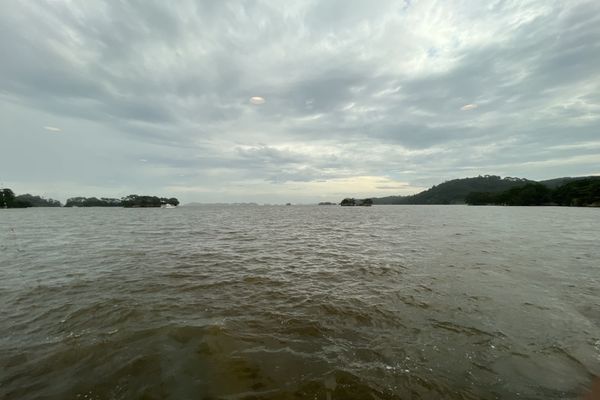
| Matsushima | JR Senseki Line | ~40 min | Yes | Scenic bay, pine islands, temples; easy half-day |
| Yamadera | JR Senzan Line | ~1 hr | Yes | Mountain temple climb, autumn foliage |
| Hiraizumi | JR Tohoku Main Line (via Ichinoseki) | ~1h 20min | Yes | UNESCO World Heritage temples and gardens |
| Zao Onsen | JR Senzan Line + bus (or direct bus from West Exit) | ~2h total | Train only | Snow monsters in winter, hiking and onsen year-round |
| Naruko Onsen | JR Tohoku Main Line + JR Rikuu East Line | ~1h 50min | Yes (train) | Kokeshi workshops, gorge scenery, small onsen town |
Travel Times and Train Lines from Sendai Station
Matsushima (~40 min, JR Senseki Line)
The Senseki Line is the line most visitors use first. Its platforms are on the underground level of Sendai Station — follow the B1 signs from the Central Gate or the East Exit concourse. Trains run roughly every 30 minutes on weekdays. Alight at Matsushima-Kaigan Station for the main bay area, pier boats, and Zuiganji Temple. The whole bay is walkable from the station within 10 minutes.
Allow 3 to 5 hours on site. The last train back toward Sendai runs late enough that you can stay for sunset without rushing, but confirm the timetable at the station before you head out. This is the most popular day trip from Sendai and can get crowded on summer weekends — an early start pays off.
For detailed hotel picks optimized for this specific line, see our guide to the best base for Matsushima specifically.
Yamadera (~1 hr, JR Senzan Line)
The Senzan Line runs west from Sendai's above-ground platforms, heading over the Ou Mountains toward Yamagata. Yamadera Station sits about one hour from Sendai, and trains run roughly once per hour. The temple complex of Risshakuji features 1,015 stone steps from the base to the main hall — bring good footwear and expect 2 to 3 hours on site. The surrounding valley is particularly striking in autumn. You can combine Yamadera with a stop in Yamagata city on the same line.
Hiraizumi (~1h 20min, JR Tohoku Main Line)
Take the JR Tohoku Main Line south from Sendai toward Ichinoseki. Journey time to Ichinoseki is around 1 hour 10 minutes. From Ichinoseki, Hiraizumi is one stop further (4 minutes). Most trains from Sendai to Ichinoseki continue south without requiring a transfer, but check the timetable to confirm. The main sites — Chuson-ji with its gold-leaf hall (Konjikido) and Motsu-ji garden — are within cycling or local bus distance from Hiraizumi Station. Allow at least 4 hours on site for a comfortable visit.
Zao Onsen (~2 hr total, JR Senzan Line + bus)
The fastest year-round route to Zao Onsen is the JR Senzan Line to Yamagata (70 to 90 minutes depending on rapid or local service), then the Yamakobus route to Zao Onsen (about 40 minutes, ¥1,200 each way as of the most recent published fares — not covered by JR Pass). An alternative that avoids the transfer: a direct bus from Sendai Station West Exit Bus Platform No. 33 to Miyagi Zao takes about 60 minutes (¥1,100 one-way, no advance reservation needed). In winter, a seasonal nonstop express bus runs from Sendai Station East Exit Bus Platform No. 76 to Yamagata Zao (85 minutes, ¥1,800, reservation required; runs approximately December to mid-March).
Naruko Onsen (~1h 50min, JR Tohoku Main Line + Rikuu East Line)
Take the JR Tohoku Main Line north to Kogota, then transfer to the JR Rikuu East Line for Naruko Onsen. The full journey takes around 1 hour 50 minutes. One important note: since July 2024, the section of the Rikuu East Line between Naruko Onsen and Shinjo (the western half toward Yamagata Prefecture) has been suspended due to storm damage, with substitute buses on that section. This does not affect the Kogota–Naruko Onsen section, but confirm current service before you travel as restoration timelines may shift.
Which Side of the Station to Sleep On for Early Departures
The platform you need depends on your first train of the day.
- Senseki Line (Matsushima): underground east side of the station. Staying on the East Exit side — or in a hotel directly connected to the East Exit concourse — means you reach the underground platforms without crossing the full building. Several hotels sit within a 2-min walk to 5-min walk of the East Exit.
- Senzan Line (Yamadera, Yamagata, Zao by train): above-ground north end of the station building, accessible from either exit. The West Exit pedestrian deck is marginally quicker to the Shinkansen ticket gates if you are combining a local train with a Shinkansen leg south to Ichinoseki for Hiraizumi.
- Tohoku Main Line north (Naruko): above-ground platforms, same level as Shinkansen. Either exit works.
The West Exit covered pedestrian deck (2F level) connects to several hotels without going outside — useful in Sendai's snowy winters. Hotels on the East Exit side are typically quieter and often a few hundred yen cheaper per night for comparable room sizes.
If you plan to catch the first Senseki Line departure of the day (which leaves before 6:00 am on most days), staying on the east side saves you 5 to 7 minutes compared to crossing from the West Exit.
When to Relocate Instead of Day-Tripping
Sendai handles day trips within about a 2-hour one-way radius well. Past that, you spend more of the day on the train than at the destination. A few cases where an overnight stop elsewhere makes more sense:
- Aomori city or Hirosaki: both are 2 hours 15 minutes or more by Shinkansen. If Hirosaki's castle and sakura are your main goal, one night in Hirosaki is a better use of time than a same-day round trip.
- Oga Peninsula (Namahage country): no direct Shinkansen access; reaching it from Sendai requires a transfer and takes most of the day each way. Stay at least one night on the peninsula.
- Shimokita Peninsula and Osorezan: the journey from Sendai to Mutsu takes 3-plus hours in each direction. Worth building in an overnight in Mutsu or combining with a night in Aomori city.
- Yamadera plus Yamagata city: entirely doable as a day trip from Sendai. But if you want to spend a full afternoon in Yamagata exploring Kajo Park or the downtown shotengai, one night in Yamagata is more relaxed.
For anything north of Morioka or west of Yamagata, treat Sendai as a first-night landing pad, then relocate as needed. The Shinkansen makes it easy to use Sendai as a starting point before repositioning to a new base.
Where to Book Near Sendai Station
For day-trip logistics, proximity to the station beats almost every other consideration. The three hotels below are all confirmed operating as of 2025–2026 and cover the main price points.
| Name | Area | Price range | Best for |
|---|---|---|---|
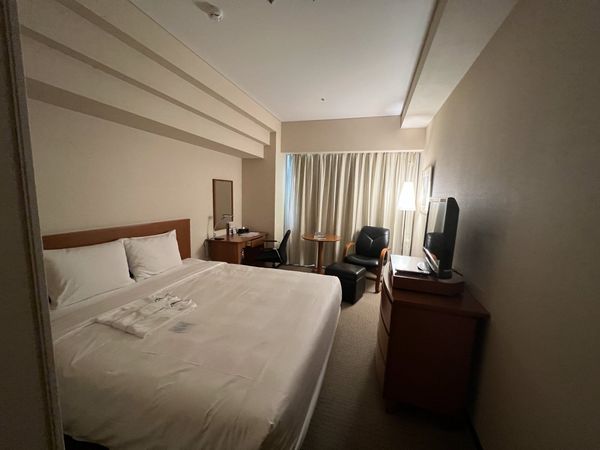
| Hotel Metropolitan Sendai | West Exit, <1-min walk | from ¥12,000 (rates vary by season) | Shinkansen travelers; covered access to station via 2F deck |
| Hotel Metropolitan Sendai East | East Exit, directly connected | from ¥13,000 (rates vary by season) | Senseki Line departures; 282 non-smoking rooms |
| Daiwa Roynet Hotel Sendai | East Exit, 2-min walk | from ¥7,000 (rates vary by season) | Value stays; East Exit proximity for Senseki Line |
All three are within a short walk of the East or West Exit and all have 24-hour front desks with early check-in luggage drop options. For a full breakdown of neighborhoods and more hotel categories — including budget options and accommodation further from the station — see our full Sendai area guide. For hotels ranked specifically by proximity to each station exit, see our page on hotels for early departures.
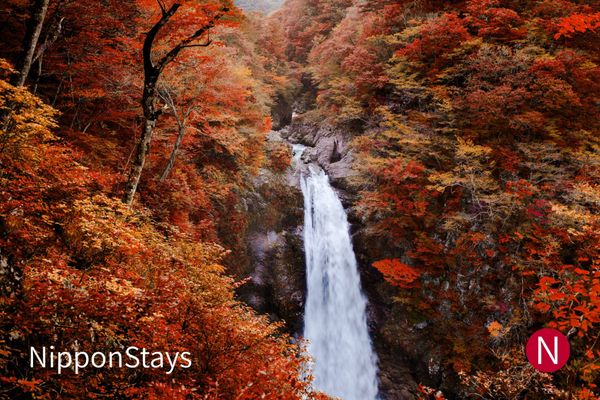
One autumn destination is the exception to basing in Sendai. For Naruko Gorge the answer is to sleep in Naruko Onsen itself, even though none of its hotels sit within walking distance of the bridge viewpoint — where to stay for Naruko Gorge explains what the day-trip version costs you in morning light.
FAQ: Using Sendai as a Base for Tohoku Day Trips
Which Tohoku destinations can you reach as a day trip from Sendai?
Matsushima is the easiest (about 40 min on the JR Senseki Line). Yamadera takes around 1 hour on the JR Senzan Line. Hiraizumi is about 1 hour 20 minutes via the JR Tohoku Main Line and a change at Ichinoseki. Zao Onsen takes around 2 hours total by train and bus. Naruko Onsen is about 1 hour 50 minutes by train. All of these fit comfortably within a single day from Sendai.
Does the JR Pass cover the trains for these day trips?
The JR Pass covers all the core routes: the Senseki Line to Matsushima, the Senzan Line to Yamadera, and the Tohoku Main Line to Hiraizumi. The bus portion to Zao Onsen is not covered, but the train to Yamagata is. The Rikuu East Line to Naruko Onsen is also JR-covered. Run the numbers before you buy — combined round-trip fares for two or three day trips typically exceed a multi-day regional pass cost.
Which side of Sendai Station is better for early-morning departures?
It depends on your first train. The JR Senseki Line (for Matsushima) runs from underground platforms on the east side, so East Exit hotels save a few minutes on an early start. The JR Senzan Line and Tohoku Main Line run from above-ground platforms accessible from either exit. Hotels connected to the West Exit pedestrian deck offer covered indoor access to the Shinkansen gates — useful in winter.
When does it make more sense to relocate rather than day-trip from Sendai?
For destinations more than 2 hours each way, an overnight stop is usually a better use of time. Aomori city and Hirosaki are 2 hours 15 minutes or more by Shinkansen. The Oga Peninsula and Shimokita Peninsula each require most of a day for the journey alone in each direction. For those destinations, treat Sendai as a first-night landing pad and then reposition.
Trip Essentials for Sendai
Things worth booking before you land, all in English:
- eSIM — Airalo's Japan eSIM: install it at home and data works as soon as you switch off airplane mode at Sendai Airport. Comparing providers? See our Japan eSIM guide.
- Tickets and day trips — Klook covers Sendai-area tours and day trips; booking ahead skips the ticket-window line.
Information audit: Last fact-checked July 2026 · Prices checked July 2026 (all rates are “from” floors that vary by season) · How this guide was researched: hotel facilities, prices and access details are verified against official and primary sources; we have not personally stayed at every property listed. The author has traveled in this area personally; original photographs on this site are from those trips · How this site verifies information: About NipponStays.