What Is Shin Soba? Japan's New Buckwheat Season
What is shin soba? Japan's new-harvest buckwheat noodle season explained: why the window is short, which regions to visit, and when it starts.

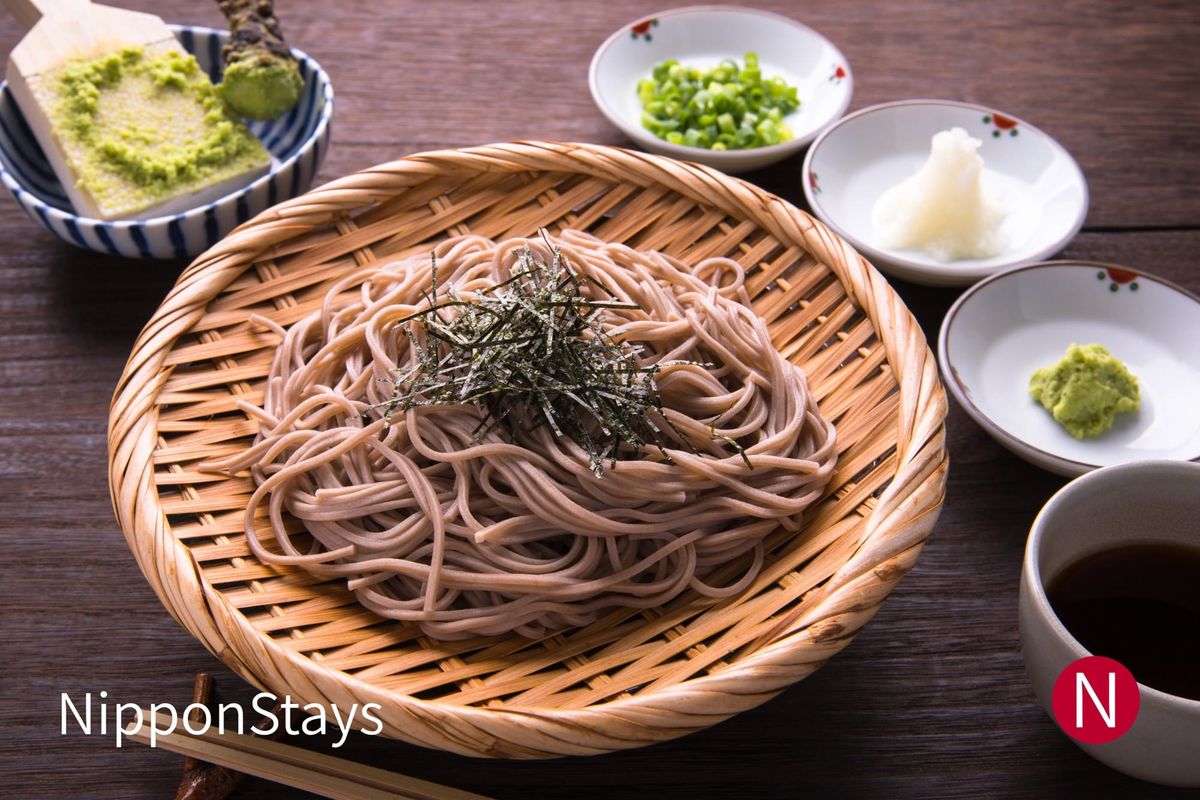
What is shin soba? It is the first batch of buckwheat noodles made from each year's newly harvested crop — threshed, milled and on the table within weeks, while the aroma is still sharp instead of dulled by months in storage. In Japan, noodle shops start hanging "new soba" notices from around late October, once the autumn harvest (aki-shin) has been threshed and milled; a smaller summer harvest (natsu-shin) exists too, but it isn't what most people mean by the term. Which region is worth building a trip around depends on where you're already headed: Nagano or Izumo suit a central-Japan or San'in route, and Aizu or Yamagata suit a Tohoku one.
What "shin-soba" actually means
Shin-soba isn't a variety of buckwheat — it's a freshness window. Once buckwheat is milled into flour, its aroma compounds start to fade; a bowl made from flour milled the same week the grain was threshed tastes noticeably different from the same noodle made in March from flour that's been sitting since autumn. Shops that can get their hands on the new crop advertise it, usually with a paper sign reading 新そば (shin-soba) taped by the door or written on a chalkboard.
There are two shin-soba windows a year, not one. The autumn crop (aki-shin, 秋新) is sown in summer and harvested from around September, and it's the one this guide is built around — it's larger, more widespread, and the one associated with the regions below. A second, smaller crop is sown in spring and harvested in early summer, producing natsu-shin (夏新), or summer new soba; MAFF's own regional-food pages describe both harvests, so treating buckwheat as a single once-a-year crop is a common but avoidable mistake for visitors planning a trip around it.
Four regions, four ways to serve the new crop
The table below is the fastest way to see how the four regions in this guide differ — not in quality, but in how the noodle is served, where you'd actually sleep, and how far each is from Tokyo.
| Region | What it's called | How it's served | Nearest bookable base | From Tokyo |
|---|---|---|---|---|
| Togakushi, Nagano | Togakushi soba | Cold, hand-divided into small round bundles ("boccha-mori") on a flat basket | Nagano City, or a shukubo up in Togakushi itself | Hokuriku Shinkansen to Nagano Station, under 2 hours |
| Izumo, Shimane | Izumo soba | Cold, in a stack of three lacquered bowls (warigo); broth is poured on and drunk down bowl by bowl | Izumo City or Matsue | Flight to Izumo Airport, or shinkansen plus a limited-express connection |
| Aizu, Fukushima | Takato soba | Served with a single long green onion used as both garnish and a stand-in chopstick | Aizuwakamatsu | Limited express via Koriyama, or the Tobu–Aizu route from Asakusa |
| Yamagata City area | Ita-soba | Piled high on a wooden board (ita) and shared at the table | Yamagata City or Yonezawa | Yamagata Shinkansen, direct from Tokyo Station |
Why the window is short
The chain that makes shin-soba a limited-time thing is mechanical, not marketing: buckwheat is harvested, dried, threshed into raw grain (乾燥子実), and then milled to order in small batches by most serious soba shops — they don't stockpile flour for a year. Because the aroma compounds in milled buckwheat flour break down within weeks, a shop can only call its noodles "new" for as long as it's working through freshly milled flour from that year's crop. That's also why exact start dates vary shop to shop and year to year — a late harvest or a slow mill pushes the sign in the window back by days or weeks. The reliable way to plan a trip is by the season, not a specific date: shin-soba season runs from around late October through the following few months, tapering off as shops work through their stock and, eventually, switch back to flour held over from storage.
How much of Japan's buckwheat actually comes from these regions
Japan's Ministry of Agriculture, Forestry and Fisheries crop statistics survey tracks buckwheat cultivation across all 47 prefectures. In the most recently confirmed harvest (the 2024 crop), Japan planted 69,000 hectares of buckwheat and harvested 40,400 tonnes nationwide. Hokkaido alone produced 17,900 tonnes — 44.3% of the national crop — and the next two prefectures by volume, Nagano (2,680 t) and Ibaraki (2,670 t), brought the top three to 57.5% of the total (MAFF, 2024 harvest data, checked October 2026). Yamagata and Fukushima, the two Tohoku prefectures in this guide, ranked fifth and sixth by tonnage.
Harvest volume is not a flavor ranking, and it isn't a proxy for where to eat the best bowl. Ibaraki grows more buckwheat than Yamagata or Fukui by weight, but it isn't a soba-tourism destination in the way Togakushi, Izumo, Aizu or the "soba kaido" towns around Yamagata are; scale of cultivation and reputation for how the noodle is served and eaten are two separate things, and this guide is about the second one.
Which region fits your trip
Start from where the rest of your trip already sits, not from which noodle sounds best on paper. If you're moving through central Japan or planning a San'in-coast leg, the choice is between Nagano's Togakushi and Shimane's Izumo — two regions that could not be less alike in how the noodle is served, and our Togakushi-or-Izumo comparison breaks the decision down by how you'd actually reach each one and where you'd sleep. If Tohoku is on the route instead, the comparable choice is between Fukushima's Aizu region and Yamagata City, covered in our Aizu-or-Yamagata guide, which turns on whether you want a direct shinkansen or are fine with one change of train.
One detail applies to both pairs: in Togakushi and Ouchi-juku (the Aizu village most associated with its own take on the noodle), the places to sleep are shukubo and family-run minshuku rather than hotels. Visitors heading for Togakushi soba sleep in Nagano City and go up for the day — our Nagano-as-a-base guide covers the bus timing and which part of Nagano Station to stay near — while Aizu visitors base themselves in Aizuwakamatsu instead.
| Question | Short answer |
|---|---|
| When does shin-soba season start? | Typically from around late October, once that year's autumn crop has been threshed and milled — the exact week varies by shop and by harvest year |
| Is soba only seasonal in autumn? | No. A smaller summer harvest (natsu-shin) exists too; this guide covers the larger autumn one (aki-shin), which is what most travelers mean by "new soba" |
| Which region is the right pick? | Depends on your route — Nagano or Izumo for a central-Japan/San'in trip, Aizu or Yamagata for a Tohoku one |
| Is lodging bookable in the soba town itself? | In both, but not as hotels — Togakushi has shukubo (temple lodgings) and Ouchi-juku a few minshuku. Most visitors still base in Nagano City or Aizuwakamatsu |
FAQ: Shin-Soba
What data is the harvest breakdown based on, and how current is it?
The figures above come from Japan's Ministry of Agriculture, Forestry and Fisheries crop statistics survey for the 2024 harvest year — the most recently confirmed full-year data at the time of writing (checked October 2026): 69,000 hectares planted and 40,400 tonnes harvested nationwide, with Hokkaido, Nagano and Ibaraki as the top three prefectures by volume.
When exactly does new soba season start each year?
There's no fixed calendar date — it depends on when that year's crop is threshed and milled, which shops don't finish on the same day. As a season rather than a date, shin-soba typically starts appearing from around late October and continues for the following weeks to a couple of months, depending on the shop and how quickly it works through its freshly milled flour.
Is "new soba" the same everywhere in Japan?
The freshness idea is the same, but the noodle itself is not. Togakushi soba is cold and hand-divided into small bundles, Izumo soba is eaten from stacked lacquered bowls, Aizu's takato soba is served with a whole green onion, and Yamagata's ita-soba is piled on a wooden board for the table to share — four different serving traditions built around the same "just-milled" idea.
Does a higher buckwheat harvest mean better soba?
No. Hokkaido harvests more buckwheat than any other prefecture by a wide margin, but it isn't the destination most travelers associate with soba tourism the way Togakushi, Izumo, Aizu or Yamagata are. Harvest tonnage measures farm output, not how a region serves or is known for the noodle — the two rankings don't overlap.