Best Time of Year to See Mount Fuji: Winter, Fuji City Data
Mount Fuji is visible most in winter, least in summer, and best in the morning. Fuji City's 35-year daily count, by month, backs it up with real numbers.

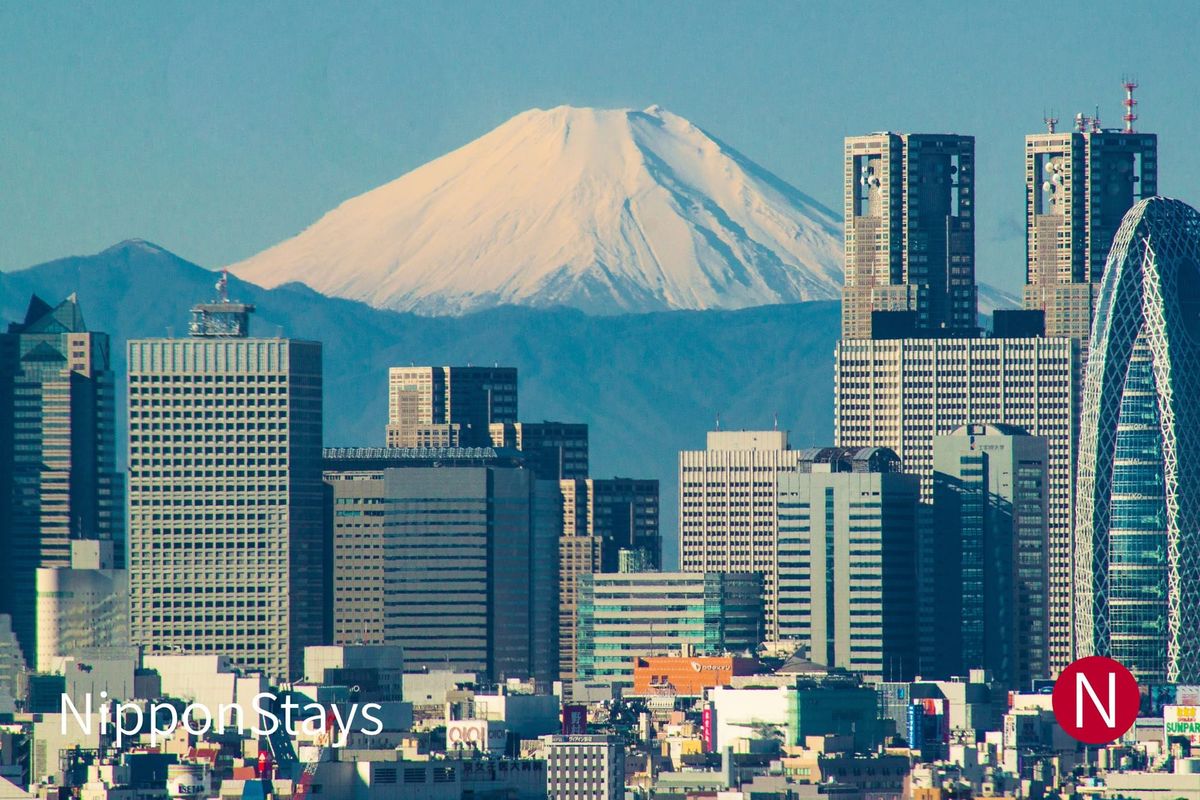
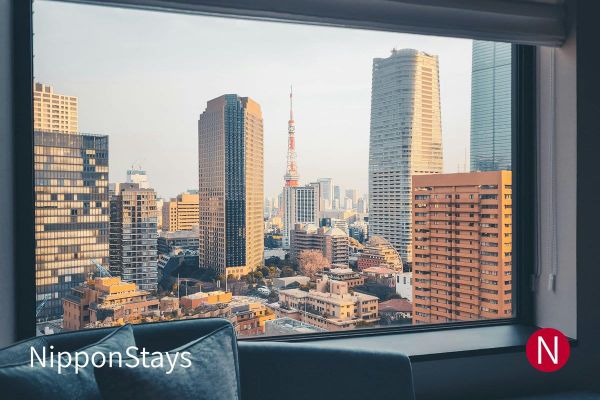
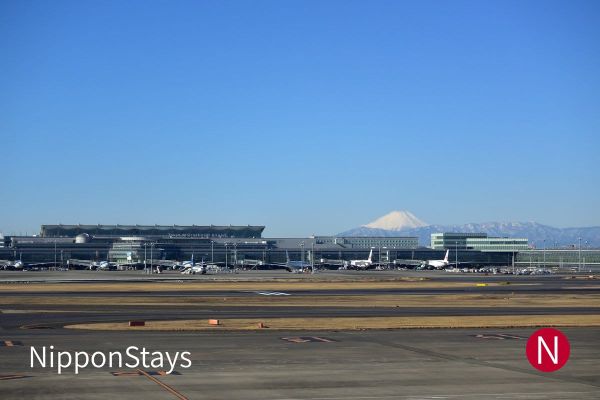
The best time of year to see Mount Fuji is winter, and the best time of day is morning. Fuji is visible most often in winter and least often in summer, and mornings beat afternoons in every season. Fuji City has watched the mountain from its city hall every day since 1991, and across 35 years of 8am readings, Fuji was at least partly visible on 78–85% of mornings from November through January, against 25–36% in June through August. The same 35-year record shows visibility falling as the day goes on — from 8am toward noon toward 4pm — so a winter morning is the single best combination on offer. Without leaving Tokyo, the Park Hyatt Tokyo in Shinjuku sells rooms on its top floors (42–51) under a "City or Mount Fuji View" category, which is worth booking specifically rather than trusting a random high floor — see the numbers below for why a winter morning is the moment to hold out for.
Fuji City's 35-Year Count: When Fuji Actually Shows Up
Fuji City, at the mountain's southeastern foot, has logged whether Fuji is visible from its city hall at 8am, noon and 4pm every day since May 1990, with help from Numazu National College of Technology to compile the record. The table below uses the 35-year cumulative count for the 8am check alone (1991–2025, one Japanese fiscal-year cycle short of the full observation history), because the city's own report singles out 8am as the time of day with the best visibility odds — the next section shows why.
| Month | Fully visible | Partly visible | Not visible |
|---|---|---|---|
| January | 651 of 1,085 mornings (60.0%) | 242 (22.3%) | 192 (17.7%) |
| February | 520 of 989 (52.6%) | 221 (22.3%) | 248 (25.1%) |
| March | 442 of 1,085 (40.7%) | 223 (20.6%) | 420 (38.7%) |
| April | 381 of 1,050 (36.3%) | 231 (22.0%) | 438 (41.7%) |
| May | 328 of 1,085 (30.2%) | 227 (20.9%) | 530 (48.8%) |
| June | 130 of 1,050 (12.4%) | 225 (21.4%) | 695 (66.2%) |
| July | 107 of 1,085 (9.9%) | 160 (14.7%) | 818 (75.4%) |
| August | 158 of 1,085 (14.6%) | 228 (21.0%) | 699 (64.4%) |
| September | 286 of 1,050 (27.2%) | 281 (26.8%) | 483 (46.0%) |
| October | 446 of 1,085 (41.1%) | 300 (27.6%) | 339 (31.2%) |
| November | 566 of 1,050 (53.9%) | 260 (24.8%) | 224 (21.3%) |
| December | 669 of 1,085 (61.7%) | 252 (23.2%) | 164 (15.1%) |
Add "fully visible" and "partly visible" together and the winter months clear 78–85% (January 82.3%, November 78.7%, December 84.9%), while June through August sit at 24.6–35.6%. "Fully visible" means the whole mountain was in view at the 8am check; "partly visible" means only part of it was. (Source: Fuji City Promotion Division, "Record of Mt. Fuji Observations — 2025 Report", 8am observation, 1991–2025, checked September 2026.)
Morning Beats Afternoon
The same 35-year record breaks visibility down by check time, and the pattern is consistent: 8am is Fuji's best hour by a wide margin. Across all 12,784 mornings in the dataset, Fuji was fully visible 36.6% of the time at 8am, dropping to 23.3% at noon and 22.5% at 4pm — the "fully or partly visible" rate falls the same way, from 58.9% at 8am to 53.4% at noon to 49.7% at 4pm. Clouds tend to build up around the mountain as the day warms, which is the everyday pattern behind the numbers rather than anything specific to one season. The practical read is simple: whatever month you're visiting in, an early start improves your odds more than almost anything else you can control.
What This Means for a Winter Trip
Put the two findings together and the case for sleeping near the mountain gets stronger than the case for a day trip: an 8am departure from central Tokyo cannot catch an 8am visibility window at Kawaguchiko, roughly two hours away. Winter's odds are already the best of the year, but they're an 8am odds, not an all-day odds — arrive at lunchtime and you're working with the 22–23% afternoon rate, not the 37% morning one. Our guide to staying at Kawaguchiko for a winter sunrise covers which lakeside hotels actually book a Fuji-view room, and how that trade-off weighs up against a day trip from Tokyo.
Seeing Fuji from Tokyo and the Shinkansen
You don't have to leave Tokyo to try for a view. A handful of Shinjuku skyscraper hotels sell specific Fuji-view floors and room categories rather than leaving it to chance, and our Shinjuku hotels with Mount Fuji views guide runs through which ones and which floors actually deliver it. If the wider Fuji Five Lakes and Hakone region is on the table too, Hakone vs Kawaguchiko and which Fuji Five Lake to pick cover both, though they were written around an autumn trip rather than winter's better odds above.
On the Tokaido Shinkansen between Tokyo and Nagoya or Shin-Osaka, Fuji comes into view on the right-hand side of the train as you face the direction of travel, roughly around Shin-Fuji Station — in the standard 3-seat-plus-2-seat reserved cars used on most Nozomi and Hikari services, that's the two-seat row, seat E. Car layouts vary slightly by train type, so it's worth checking the seat map for your specific service when you book rather than assuming E is guaranteed on every train. Our Shinkansen reserved-seat guide at Tokyo Station covers how to pick a seat when you book.
| Place | Travel time from Tokyo | Worth booking a night? | Guide |
|---|---|---|---|
| Shinjuku | You're already there | No — book a Fuji-view floor instead of relocating | Shinjuku hotels with Fuji views |
| Kawaguchiko | About 2 hours by direct train or highway bus | Yes, if you want an 8am window rather than an afternoon one | Kawaguchiko: day trip or stay for sunrise Fuji |
| Hakone | About 1.5–2 hours by train | Optional — a day trip is workable | Hakone vs Kawaguchiko |
Trip Essentials for Tokyo
Things worth booking before you land, all in English:
- eSIM — Airalo's Japan eSIM: install it at home and data works as soon as you switch off airplane mode at Haneda or Narita.
- Airport transfer — Welcome Pickups runs fixed-price door-to-door pickups from Haneda or Narita; Klook sells the airport bus and train tickets if you'd rather ride.
- Luggage storage — arriving before check-in? Radical Storage takes bags at shops near Tokyo's major stations for a flat daily rate.
- Tickets and day trips — Klook covers teamLab tickets, Tokyo Skytree, and Hakone day trips; booking ahead skips the ticket-window line.
FAQ: When Can You See Mt Fuji
What time of day is Mount Fuji most visible?
Morning. Fuji City's 35-year record of its 8am, noon and 4pm checks shows Fuji fully visible 36.6% of the time at 8am, compared with 23.3% at noon and 22.5% at 4pm — a gap that holds up across the whole dataset, not just in winter.
Which months give the best odds in winter?
December and January are the strongest, at 61.7% and 60.0% fully visible on the 8am check (1991–2025 average), with November (53.9%) and February (52.6%) close behind. Including mornings when only part of the mountain showed, December reaches 84.9% and January 82.3%.
Can you see Mount Fuji from Tokyo in winter?
Yes, on a clear morning from a high-enough floor — Shinjuku's tallest hotels sell specific Fuji-view rooms for this reason. Winter also has Tokyo's clearest, driest air of the year: Japan Meteorological Agency 30-year normals (1991–2020) for Tokyo show 192.6 hours of sunshine in January against 124.2 in June, and 51% average humidity in January against 76% in July.
Which side of the Shinkansen should I sit on for Fuji?
Heading from Tokyo toward Nagoya or Shin-Osaka, sit on the right-hand side facing forward — commonly seat E in the two-seat row of a standard reserved car — for the best chance as the train passes Shin-Fuji Station. Confirm the seat map for your specific train when you book, since car layouts aren't identical across every service.