Utsunomiya Gyoza: Where to Eat, Masashi vs Minmin (2026)
Utsunomiya gyoza guide: where to eat at Masashi, Minmin, and Kirasse — plus crawl tips, hours, and near-station hotels.
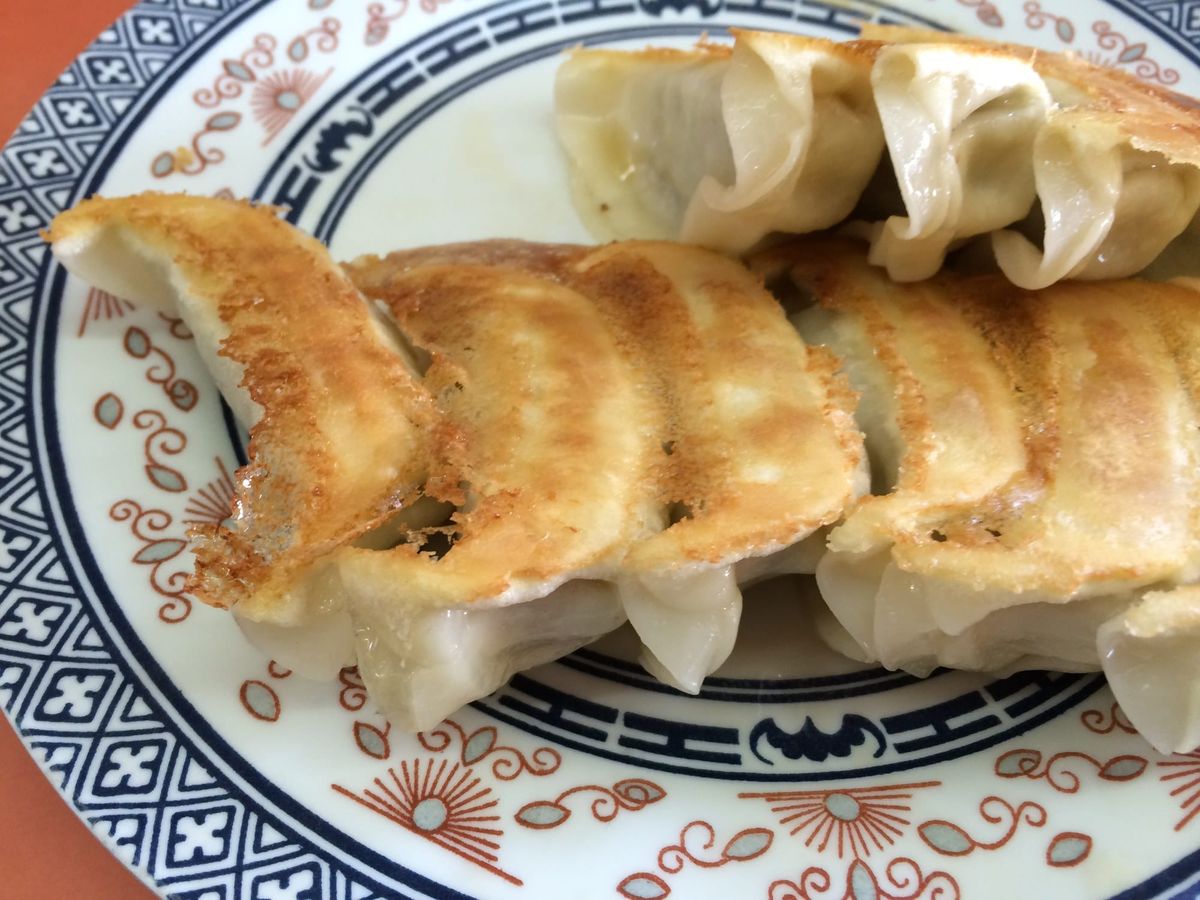
This Utsunomiya gyoza guide where to eat covers the three addresses that matter most: Kirasse gyoza hall (10-min walk from JR Utsunomiya Station West Exit, five permanent vendors including Minmin), Masashi Miyajima-cho Honten (16-min walk, cash only, grilled and boiled only, from ¥210 per serving), and Utsunomiya Minmin Honten (15-min walk, all three styles, from ¥380 per serving since February 2025). If you have time for only one stop, Kirasse gives the broadest sample without committing to a single queue. If the stripped-down Masashi experience is the priority, aim to arrive before 13:00 — the shop typically sells out around 14:30 on busy days, and it is closed Tuesdays and Wednesdays.
Why Utsunomiya is Japan's gyoza capital (a quick, no-hype primer)
This Utsunomiya gyoza guide where to eat covers three main options: Masashi's stripped-down stoicism, Minmin's three-style menu, and the multi-vendor Kirasse hall — plus crawl logistics, payment tips, and near-station hotels. For decades Utsunomiya and Hamamatsu traded the top spot in Japan's household gyoza spending survey — the Ministry of Internal Affairs and Communications data that cities love to cite every February. Since Miyazaki entered the competition in 2021, the race has been a three-way contest. As of the 2025 survey (published February 2026), Hamamatsu holds first place, Utsunomiya second, and Miyazaki third. The city's place in that conversation is not disputed; its reputation as Japan's spiritual home of gyoza culture is not built on a spreadsheet. The short explanation: soldiers returning from Manchuria after the Second World War brought dumpling recipes with them, settled around the city's military base, and opened restaurants. Seventy-odd years later, the city has around 300 gyoza shops and its own trade association, the Utsunomiya Gyoza-kai, which runs an annual festival each November.
Some links in this guide are affiliate links. If you book through them, we may earn a commission at no extra cost to you.
For a visitor, that density means you can eat well and cheaply, within walking distance of the shinkansen platforms. A plate of six gyoza costs roughly ¥210–380 depending on the shop — Masashi runs ¥210–240 per serving, Minmin ¥380 (post-February 2025). A proper crawl covering two or three stops will set you back about ¥1,500 in food.
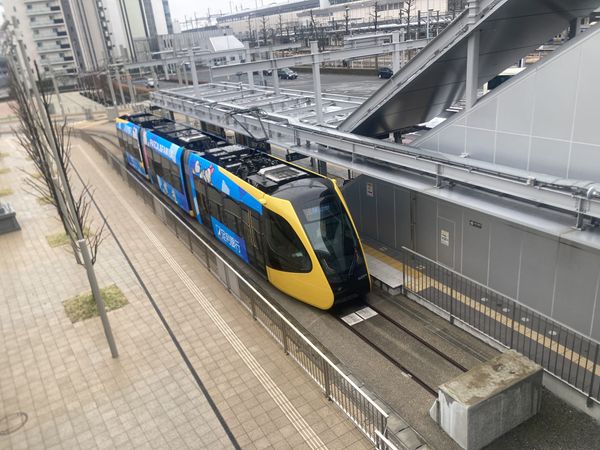
The West Exit is your base. Hotels, gyoza shops, and the city centre are all on the west side of the tracks. The East Exit is where you catch the LRT tram.
Gyoza shops at a glance
| Shop | Style | Walk from JR Station (West Exit) | Cash only? |
|---|---|---|---|
| Masashi (Miyajima-cho Honten) | Grilled & boiled only, no beer, no rice | ~16-min walk | Yes (cash only) |
| Utsunomiya Minmin (Honten) | Grilled, boiled & deep-fried; beer available | ~15-min walk | Verify current policy |
| Kirasse (Gyoza Hall) | Multi-shop hall; 5 permanent + rotating vendors | ~10-min walk | Varies by vendor |
| Minmin (Station Building Paseo) | Grilled, boiled & deep-fried | Inside station complex | Verify current policy |
Masashi (正嗣): the stoic school — grilled and boiled dumplings only, no beer, no rice
I'll lead with my personal pick. Masashi runs a model that is, by any Western-restaurant logic, absurd: two items on the menu — yaki-gyoza (pan-grilled) and sui-gyoza (boiled) — served with nothing else. No beer, no rice, no side dishes, water to drink. That is the entire offering.
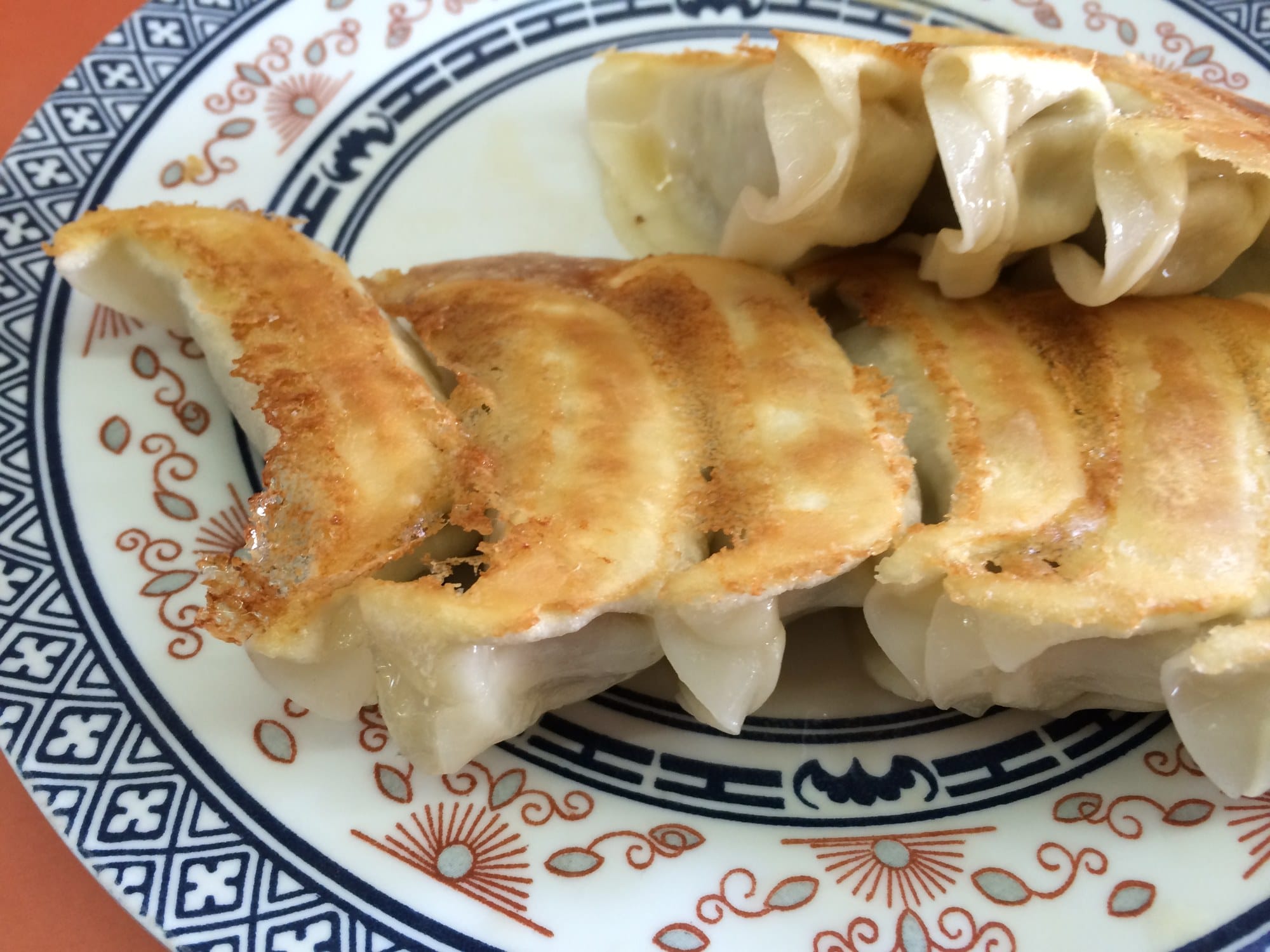
The gyoza themselves are small and tightly folded, with a thin, slightly chewy wrapper. The grilled version comes out with a good crisp on the base without the oiliness that plagues lesser versions. The boiled ones are delicate and best eaten without too much dipping sauce. A serving is six pieces.
Is the no-frills policy gimmicky? Possibly, on paper. In practice it creates a completely unself-conscious atmosphere: people are there purely to eat gyoza, tables turn over fast, and the focus on two products means quality is consistent. There is something genuinely interesting about a food culture that has pared the restaurant experience down this far and made it work for decades. This is not a place performing austerity — it just has no interest in anything else.
- Location: Miyajima-cho Honten (on Gyoza Street / Miyajimacho-dori), about a 16-min walk from JR Utsunomiya Station West Exit
- Closed: Tuesdays and Wednesdays (subject to change — check before you go); typically sells out around 14:30 on busy days
- Payment: cash only
- Menu: yaki-gyoza (grilled) and sui-gyoza (boiled). Nothing else.
There are other Masashi locations in Tochigi, but the Miyajima-cho Honten is the original and sits on the same street as several other notable shops, which makes crawl logistics straightforward.
Utsunomiya Minmin and the other big names — a fair rundown
Utsunomiya Minmin opened in 1958 and is the most broadly recommended name in English-language travel writing on the city. It offers three styles — yaki-gyoza, sui-gyoza, and age-gyoza (deep-fried) — and unlike Masashi you can order beer. The main store (Honten) is on Baba-dori, about a 15-min walk from JR Utsunomiya Station West Exit, or 10 minutes from Tobu Utsunomiya Station.
A single serving of six pieces was priced at ¥380 following a revision in February 2025. On holidays, the queue outside the Honten can reach two hours; the numbered-ticket system means you grab your number at the door and wait. Minmin operates nine directly managed stores across Tochigi Prefecture, seven of them in Utsunomiya City, and one branch is inside the station building at Paseo — a sensible first stop if you are arriving late and want to eat without the walk.
For visitors who want to try multiple vendors in a single visit without committing to one queue, Kirasse is worth knowing about. It sits in a basement on the central shopping strip, about a 10-min walk from the West Exit, and houses five permanent gyoza brands plus a rotation of eight to ten additional vendors from across the city. Permanent tenants include Minmin, Men-Men, Koraku, Ryumon, and Satsuki. Hours are 11:00–20:30 on weekdays and until 21:00 on weekends. This is a better option for a solo traveler who wants to sample variety than for a group with a strong preference for a specific shop.
Minmin's main shop and Masashi are close enough to do both
The two names that matter most in Utsunomiya sit near each other, which makes the honest answer to "Minmin or Masashi?" simple: do both in one outing if you have the time. Order a plate at each rather than trying to settle the argument from a single visit — they are different enough that the comparison only works side by side.
Expect to queue even off-peak. On a weekday lunchtime — not a weekend, not a holiday — the wait ran about 20 minutes. Treat weekend queues as considerably longer and build the crawl around that, rather than assuming a quiet Tuesday means walking straight in.
How to run a gyoza crawl near the station (hours, cash, queues as a general rule)
The central cluster of gyoza shops sits 10–16-min walk from JR Utsunomiya Station's West Exit, around Gyoza Street (Miyajimacho-dori) and the nearby Baba-dori. A crawl covering Kirasse, Masashi, and Minmin Honten in sequence covers under two kilometers.
A few operating principles that hold across most of the main shops:
- Cash is safest. Masashi is confirmed cash-only. Carry cash for the crawl and treat card acceptance as a bonus if offered.
- Midweek afternoons have shorter lines. Weekend mornings at Minmin Honten can produce two-hour waits. Weekday early lunch or a 15:00–17:00 visit is generally manageable.
- Masashi sells out early. The Honten typically sells out and closes around 14:30 on busy days. If Masashi is your priority, aim to arrive by 13:00 or earlier.
- Masashi closes Tuesdays and Wednesdays. Plan your crawl around this; Minmin and Kirasse are open on these days.
- Minmin Honten hours: 11:00–20:30 (last order 20:00), closed Tuesdays. The numbered-ticket system starts at the door; on peak days, reception can end before closing time.
A practical two-shop sequence for a first visit: start at Kirasse to get a taste of the variety, walk to Masashi (12 minutes from Kirasse) for the stripped-down experience, and then call it there or add Minmin Honten around the corner. Three stops, about ¥1,200 in food, and you have a reasonable picture of what makes this city's gyoza culture distinctive.
Grilled vs boiled vs deep-fried — what to order
Utsunomiya-style gyoza are on the smaller side compared to Chinese-origin dumplings, with a thinner wrapper and a higher cabbage-to-pork ratio in most recipes. This makes them lighter and easier to eat in quantity, which is the point.
- Yaki-gyoza (grilled / pan-fried): The default in Utsunomiya. Cooked flat-side down in oil with a lid to steam through, then uncovered to crisp the base. The standard order. At Masashi, these come out without the greasy pool that some pan-fried gyoza sit in.
- Sui-gyoza (boiled): Softer, more delicate, the wrapper is the main event. Best eaten with minimal sauce. Masashi's boiled version is worth ordering alongside the grilled — the contrast makes the different textures obvious.
- Age-gyoza (deep-fried): Offered at Minmin and some Kirasse vendors but not at Masashi. Crunchier and slightly richer. A reasonable addition to a mixed order if you are eating at a shop that serves all three styles.
First-time approach: order one serving of yaki, one of sui. That covers the two primary forms, costs under ¥800 at most places, and gives you a basis for comparison.
One night is better than a lunch stop — pairing the crawl with an overnight
Utsunomiya is 50 minutes from Tokyo on the Tohoku Shinkansen (time varies by train type and stop pattern). That puts it in viable day-trip range, and a day trip built around Gyoza Street and one or two other stops is completely achievable.
That said, a gyoza crawl works better when you are not watching the last-train clock. The shops that most people want to visit are concentrated in a zone that is relaxed walking distance from the station, but the Minmin Honten queue on a weekend can eat a couple of hours, and Masashi closes when it runs out — both of which are easier to absorb when you do not have a train to catch at 20:00. An evening crawl starting around 18:00, after the afternoon rush thins out, is a more enjoyable version of the experience.
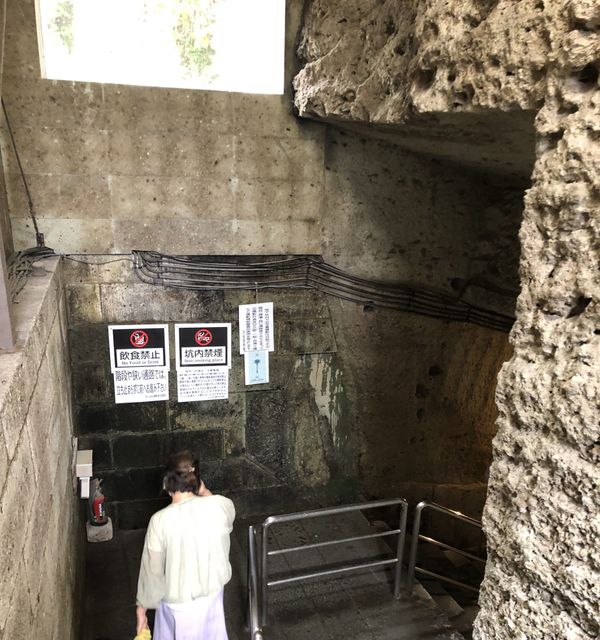
Add an Otowa dinner reservation the following evening or a morning visit to the Oya underground stone museum, and the overnight case becomes obvious. See why the gyoza night is worth an overnight and our full Utsunomiya area guide for the full argument.
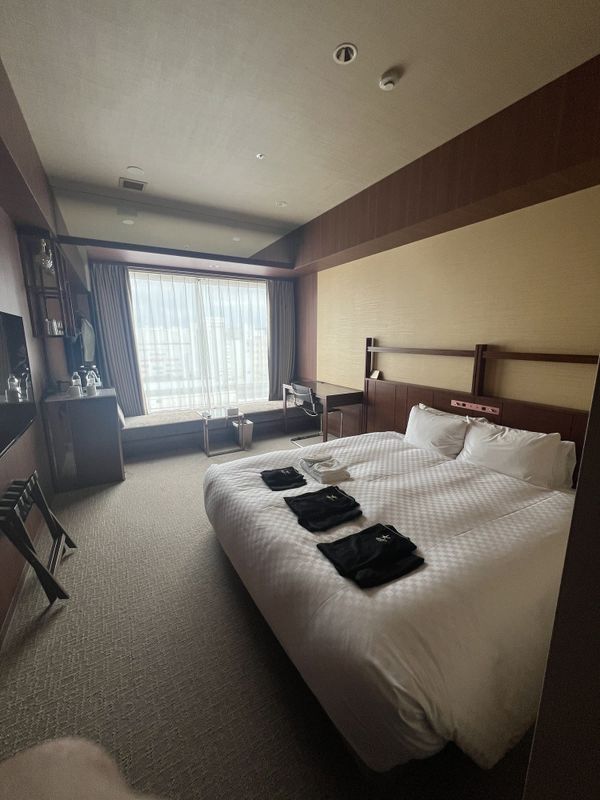
If you decide to stay, the gyoza shops and several hotels sit on the West Exit side, while Candeo Hotels Utsunomiya — the nearest-station option, with a rooftop Sky Spa that makes a practical end to a heavy gyoza evening — is a 2-min walk from the East Exit via the covered overpass. The Richmond Hotel Utsunomiya-ekimae Annex is a 2-min walk and the closest Richmond property to the station; the main Honten is a 4-min walk. See hotels a short walk from the gyoza shops for a full comparison.
Near-station stays for crawlers who decide to overnight
| Name | Area | Price range | Best for |
|---|---|---|---|
| Candeo Hotels Utsunomiya | JR Utsunomiya Station (East side) | from ¥9,000 (varies by season) | Rooftop Sky Spa, near-direct station access |
| Richmond Hotel Utsunomiya-ekimae | JR Utsunomiya Station (West side) | from ¥7,000 (varies by season) | Budget-conscious, 4-min walk, buffet breakfast |
| Richmond Hotel Utsunomiya-ekimae Annex | JR Utsunomiya Station (West side) | from ¥6,500 (varies by season) | 2-min walk, compact rooms, closest to station |
Practical notes (payment, timing, where each shop sits vs the station)
A few details that matter in practice:
- West Exit is your starting point for everything gyoza-related. The East Exit is where the LRT Light Line departs. Keep them distinct and you will not waste time.
- Gyoza Street (Miyajimacho-dori) is about 1 km from the West Exit, heading in the direction of the prefectural office. The street is marked with gyoza-themed lamp posts and signage. You cannot miss it if you head the right direction.
- Masashi: cash only, no beer, no rice, no exceptions. This is worth knowing before you arrive rather than at the counter.
- Minmin has a station outlet. The branch inside Paseo (the station building) is open daily and is the lowest-friction option for a single stop before catching a train back to Tokyo.
- Kirasse gyoza hall is an easy entry point for first-timers or anyone who wants to try several brands in one sitting without committing to a single queue. Open 11:00–20:30 (weekdays) / 11:00–21:00 (weekends).
- Festival timing: The Utsunomiya Gyoza Festival runs in early November. Lines are long and the atmosphere is worth it if you enjoy that kind of thing — but expect bigger crowds than usual across all the shops that weekend.
For the wider picture of what to do in the city alongside the gyoza crawl — Oya underground museum, the LRT, Otowa restaurant — see our full Utsunomiya area guide.
Trip Essentials for Utsunomiya
Things worth booking before you land, all in English:
- eSIM — Airalo's Japan eSIM: install it at home and data works as soon as you switch off airplane mode at Haneda or Narita. Comparing providers? See our Japan eSIM guide.
- Tickets and day trips — Klook covers Nikko day tours and JR East rail passes; booking ahead skips the ticket-window line.
FAQ: Utsunomiya gyoza
Which gyoza shop should I go to first in Utsunomiya?
Kirasse gyoza hall is the most practical first stop — it is about a 10-min walk from JR Utsunomiya Station's West Exit and houses five permanent vendors including Minmin, so you can taste several styles before deciding where to queue next. If Masashi is a priority, visit it before Kirasse: the Miyajima-cho Honten typically sells out around 14:30 on busy days.
Do I need cash for gyoza shops in Utsunomiya?
Masashi is confirmed cash-only — bring enough to cover your order before you arrive, as there is no card reader at the counter. Minmin's payment policy varies by branch; the Paseo station outlet is a convenient first stop if you want to check your cash situation near the lockers. Carry ¥2,000–¥3,000 cash for a full two- or three-stop crawl.
Is Utsunomiya gyoza worth a day trip from Tokyo?
Yes — Utsunomiya is about 50 minutes from Tokyo on the Tohoku Shinkansen, and a crawl covering Kirasse, Masashi, and Minmin Honten takes under two kilometers of walking from the West Exit. The main day-trip constraint is that Masashi closes when it sells out (often around 14:30) and is shut on Tuesdays and Wednesdays, so plan your travel day around those limits. An overnight stay removes the time pressure entirely and opens up an evening crawl after the midday rush.
How much does a gyoza crawl in Utsunomiya cost?
A plate of six gyoza runs ¥210–¥240 at Masashi and ¥380 at Minmin (as of February 2025). A two- or three-stop crawl covering different styles comes to roughly ¥1,200–¥1,500 in food. Add train fare from Tokyo (Shinkansen round trip approximately ¥5,000–¥6,000 depending on ticket type) and the day trip is comfortably within budget for most travelers.
Information audit: Last fact-checked July 2026 · Prices checked July 2026 (all rates are “from” floors that vary by season) · How this guide was researched: hotel facilities, prices and access details are verified against official and primary sources; we have not personally stayed at every property listed. The author has visited Utsunomiya repeatedly, most recently in 2026 · Personally stayed: Candeo Hotels Utsunomiya — three stays, 2025–2026 — all stays paid by us; no complimentary stays · How this site verifies information: About NipponStays.