Oya Stone Quarry Underground Museum Day Trip from Utsunomiya
Plan your Oya stone quarry underground museum day trip from Utsunomiya: admission ¥800, 8–12°C year-round, 30-min bus from the West Exit. What to bring and see.

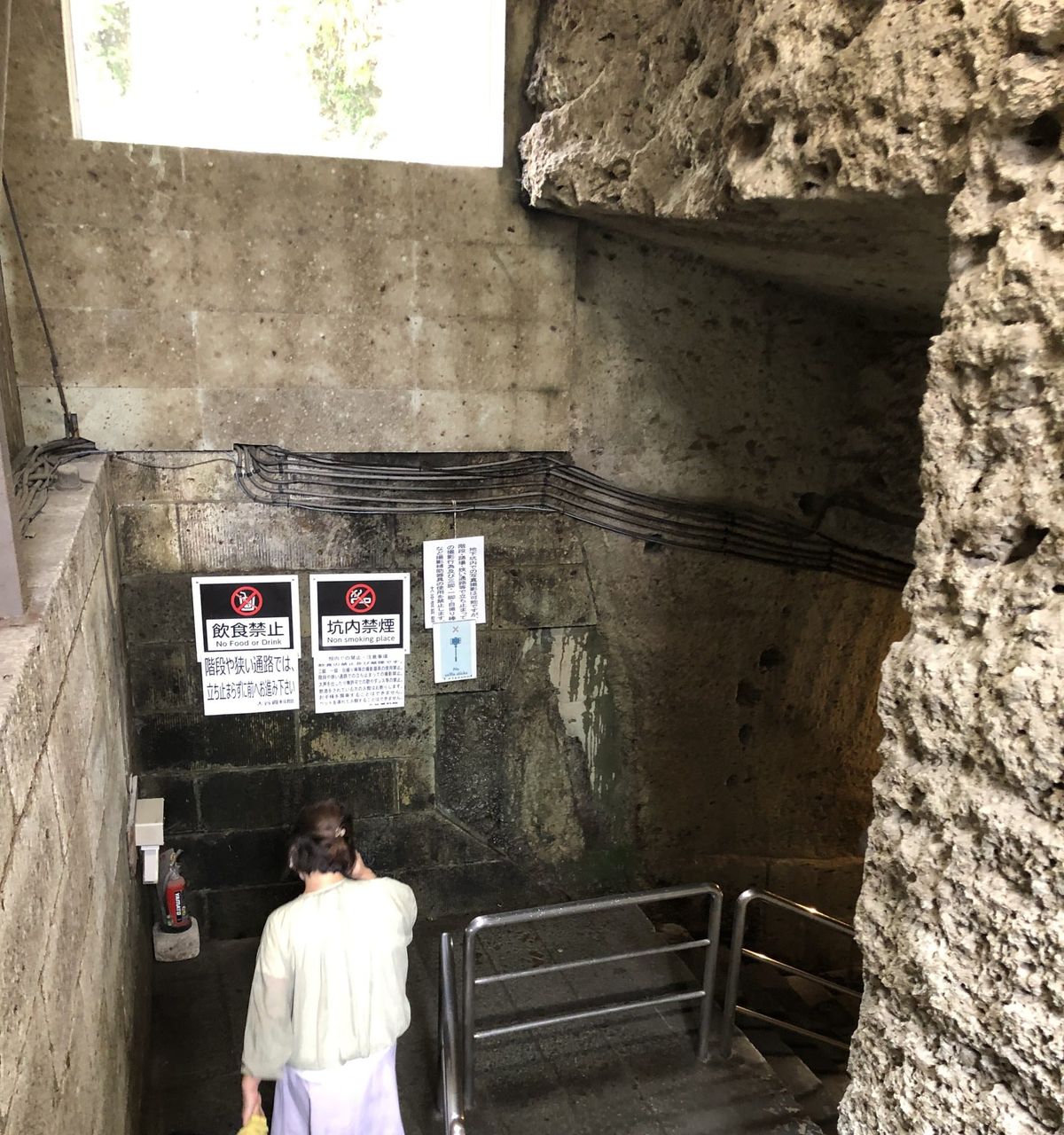
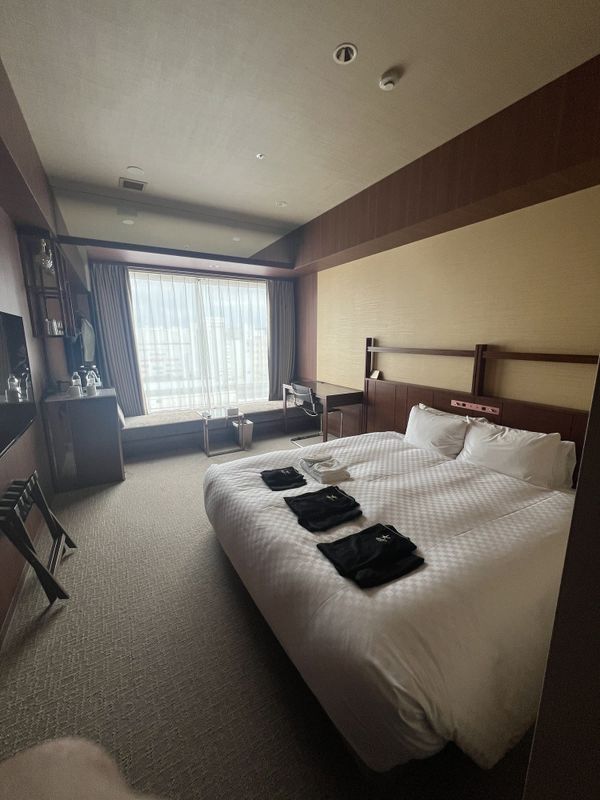
The Oya stone quarry underground museum day trip from Utsunomiya is the most extraordinary half-day itinerary within 90 minutes of Tokyo. The best single base is Candeo Hotels Utsunomiya (from ¥9,000/night), a 2-min walk from the station that puts you on the first bus to the quarry. The one factor that changes the answer: if you're visiting purely for the day with no overnight, any of the three near-station hotels work equally well, but Candeo's rooftop Sky Spa earns its premium after 90 minutes underground at 8–12°C.
The Giant Underground Quarry — What You Actually Walk Into
The Oya stone quarry underground museum day trip from Utsunomiya takes about half a day, and it earns every minute. The elevator takes you 30 meters below ground, the doors open, and you step into a space that does not feel like it was made by people. It was — over the course of about a century, stonemasons hand-cut more than 20,000 square meters of Oya stone from this hillside northwest of Utsunomiya. That is roughly three football pitches, stacked side by side, carved out with hand chisels and, later, mechanized equipment. The walls are deeply grooved in a geometric pattern left by the cutting tools, and the ceiling arches 30 meters overhead in places. The scale stops you in your tracks.
Some links in this guide are affiliate links. If you book through them, we may earn a commission at no extra cost to you.
Oya stone (大谷石) has been quarried in this area since the Edo period and became famous as a building material across Japan — used in walls, gates, banks, and hotels from Hokkaido to Kyushu. Frank Lloyd Wright specified it for the old Imperial Hotel in Tokyo. The museum, formally called the Oya History Museum (大谷資料館), occupies the underground portion of one former quarry site and traces the full arc of that story, from hand-cutting techniques to wartime production to the present day.
I'd take this over most history museums in the country. The space itself is the exhibit.
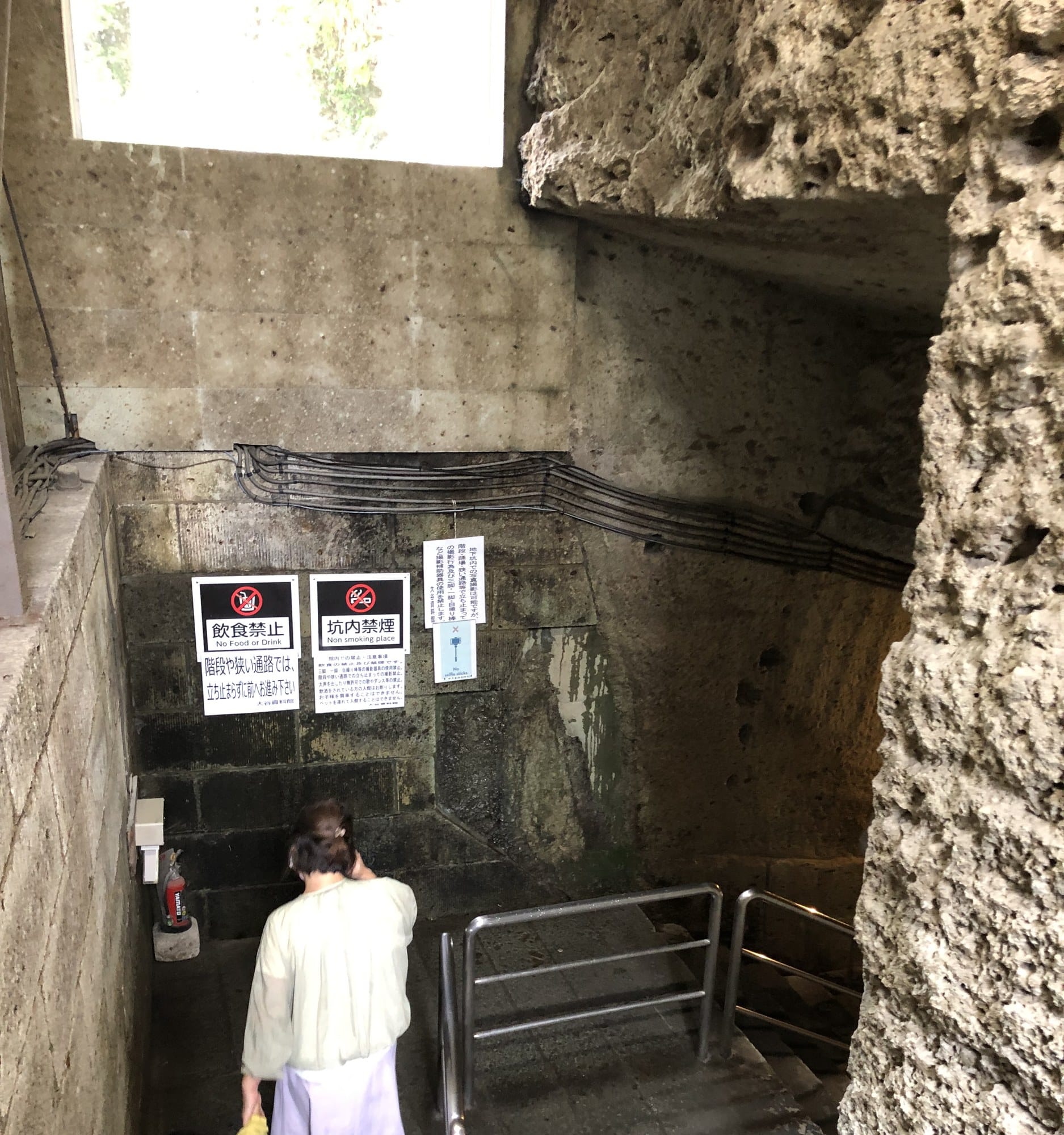
All 3 hotels listed in this guide are within a 4-min walk of JR Utsunomiya Station's East or West Exit and were confirmed open and bookable as of July 2026 (checked July 2026).
Where to Base for an Oya Day Out
If you're planning to make a day of it in Utsunomiya — Oya in the afternoon, gyoza at night — staying near the station is the only sensible move. The hotels below are all within a short walk of JR Utsunomiya Station's West Exit.
| Name | Area | Price range | Best for |
|---|---|---|---|
| Candeo Hotels Utsunomiya | Near JR Utsunomiya Station (East Exit, ~2-min walk) | from ¥9,000 | Rooftop Sky Spa, Komeda on the ground floor, near-direct access |
| Richmond Hotel Utsunomiya Ekimae | Near JR Utsunomiya Station (~4-min walk) | from ¥7,000 | Comfortable standard business hotel, solo and couple travelers |
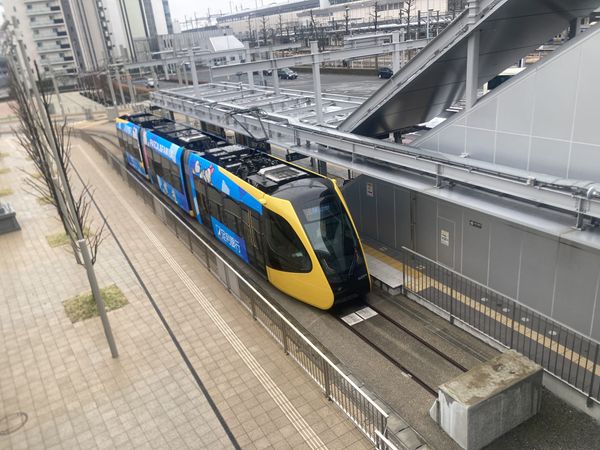
| Daiwa Roynet Hotel Utsunomiya | Near JR Utsunomiya Station East Exit (~4-min walk) | from ¥7,500 | East side access, convenient for the LRT departure point |
Rates vary by season. Check current prices before booking.
Admission, Opening Times, and How Cold It Stays Inside
The museum is open daily from April through November, 9:00 to 17:00 (last entry 16:30). From December through March it closes on Tuesdays, and hours shorten to 9:30–16:30 (last entry 16:00). It is closed December 26 through January 1.
- Admission: adults ¥800, children (elementary and junior high) ¥400
- Combo day ticket: ¥2,000 covers the return bus from Utsunomiya Station, museum admission, and entry to Oya-ji Temple next door — good value if you want to do both
The temperature underground stays around 8–12°C year-round. That means on a July afternoon when Utsunomiya is pushing 35°C outside, you will be very cold within ten minutes of going down. Bring a light jacket or a long-sleeved layer regardless of the season. This is not a suggestion — I have seen people in tank tops emerge from the elevator looking miserable. The museum entrance desk rents thin jackets if you forget, but you will be more comfortable with your own.
The Wartime Chapter — the Underground Aircraft Factory, Told Plainly
Late in the Second World War, as American bombing raids over Japanese industrial cities intensified, manufacturers moved production underground wherever they could. The Oya quarry's existing tunnels made it useful for this. The Nakajima Aircraft Company — at that point Japan's largest aircraft manufacturer — relocated part of its operations here, using the underground halls to assemble military aircraft away from Allied air strikes.
The plant operated under conditions that were dangerous not only from the war but from the mine itself. Cave-ins and structural failures caused deaths among the workers. The underground location was chosen specifically to hide aircraft production from Allied air raids.
The museum covers this period factually and without drama. Standing in the actual space — looking up at those geometrically carved walls, knowing what was built here and how the war was going at that point — gives you a physical sense of the desperation of that production push that no photograph in a textbook can. Visitors from countries that were on the Allied side of that conflict will find it meaningful in its own way: the scale of what Japan's industry attempted underground, and what the end of the war actually meant to the people working in places like this.
The exhibit does not editorialize. It lays out the facts and lets the space do the work. That is the right call.
Why It's Worth Seeing, Whichever Side of That History You Come From
The Oya History Museum draws two distinct kinds of visitors, and it works for both of them. The first group comes for the visual experience: the cathedral-scale cavern, the colored lighting that plays off the stone in the evening events, the sheer strangeness of being 30 meters underground in a place this large. It photographs beautifully, particularly in the chambers where the lit stone creates a contrast between warm amber walls and the deep shadows of the corridors.
The second group comes because they are interested in industrial heritage, wartime history, or the specific story of how Oya stone shaped the built environment of modern Japan. For this group, the exhibits on cutting techniques and the social history of the quarry workers are the draw. The wartime section is a short but honest addition to that story.
Most visitors end up getting something from both angles. The space is large enough that you will spend 60–90 minutes underground without rushing. There are display panels in Japanese and English, and a scale model at the entrance that helps you understand the full extent of the underground network.
Photography — the Light, the Scale, and the Best Spots
Personal photography is allowed throughout the museum, including handheld phone and camera shots. Tripods require prior permission from the museum, and commercial photography has separate requirements — but for travel photography, you are free to shoot.
The best shots tend to be in the main hall, where the scale of the ceiling and the receding columns give a sense of depth that smaller chambers cannot. The museum uses colored lighting in parts of the space — purples and blues — which can look dramatic in photos but is less interesting in person if you are there primarily for the history. The natural stone texture in the white-lit sections, with the parallel groove marks from the cutting tools, is more striking to my eye.
Arrive as early as you can manage — the first hour after opening is significantly less crowded than midday, and the light in the entrance chamber catches the stone differently in the morning. If you are serious about photography, the Oya Night Tour (seasonal, verify availability before visiting) uses projection mapping and more dramatic lighting, though visitor numbers for those events tend to be higher.
Getting to Oya from Utsunomiya Station
The museum is northwest of central Utsunomiya, about 8 km from the station. You cannot walk it in any reasonable time frame; the bus is the standard option.
- Catch the Kanto Bus line 45 from JR Utsunomiya Station, West Exit bus terminal
- Bound for Tateiwa (立岩行き)
- Get off at Shiryokan Iriguchi (資料館入口) bus stop
- Travel time: approximately 30 minutes
- One-way fare: ¥530
- From the bus stop, it is a 5-min walk to the museum entrance
Buses run roughly 1–3 times per hour, but the schedule gaps in the mid-afternoon are real. Check the departure times at the bus terminal or pick up a timetable from the tourist information desk inside the station before you go. If you miss the last bus back, a taxi to the station will cost roughly ¥2,000–¥2,500.
The ¥2,000 combination day ticket (Oya Kanko Ichinichi Josha-ken) includes the round-trip bus, museum admission, and Oya Temple entry. You can buy it at the tourist information desk or the Kanto Bus office outside JR Utsunomiya Station West Exit. If you are planning to visit both the museum and the temple, this is better value than buying each separately.
Taxi and rideshare from the station are options if you are traveling in a group and want flexibility on timing. The ride takes around 20 minutes.
For getting around Utsunomiya by the LRT tram — which departs from the East Exit — note that the tram does not currently run to the Oya area. The bus from the West Exit is the right connection for this trip.
Pairing It with Gyoza and an Overnight in Town
The Oya museum works well as an afternoon visit: take the bus out after lunch, spend 90 minutes underground, catch the bus back by late afternoon, and arrive in central Utsunomiya with time to eat.
The gyoza district around the station opens for dinner service from around 17:00–18:00 at most shops. If you come out of the mine at 16:00 and catch the 16:30 bus, you are back at the station by 17:00 — which puts you first in line before the queues build. That sequencing works well.
The only problem with this plan is that it argues for staying overnight. The last Shinkansen back to Tokyo leaves Utsunomiya around 22:00, but the gyoza shops are at their best from early evening, and you will not want to rush. For where to stay for an Oya day out, the picks near the West Exit of the station keep you close to both the bus terminal (for the Oya bus the next morning if you want to return) and the gyoza shops. If you want to pair it with a gyoza crawl, plan on eating at two or three shops — each round of gyoza is a small plate, and the culture here is to keep moving rather than settle in at one table for the night.
| Name | Area | Price range | Best for |
|---|---|---|---|
| Candeo Hotels Utsunomiya | Near JR Utsunomiya Station (~2-min walk) | from ¥9,000 | Wind down after the mine with a rooftop bath; 1F Komeda for breakfast |
| Richmond Hotel Utsunomiya Ekimae | Near JR Utsunomiya Station (~4-min walk) | from ¥7,000 | Reliable mid-range, easy bus terminal access in the morning |
| Daiwa Roynet Hotel Utsunomiya | Near JR Utsunomiya Station (~4-min walk) | from ¥7,500 | Budget-friendly, well-located near East Exit for LRT access |
Rates vary by season. Check current availability before booking.
After a long day in the cold underground, the rooftop Sky Spa at Candeo is a particularly good argument for staying the night. The bath is open for hotel guests from 15:00, and after walking around a former mine for 90 minutes, sitting in a rooftop onsen above the city lights of Utsunomiya has a certain logic to it.
FAQ: Oya History Museum day trip from Utsunomiya
How do I get from Utsunomiya Station to the Oya History Museum?
The Kanto Bus Oya Line departs from Utsunomiya Station West Exit (Bus Stop 11). The ride takes around 30 minutes and drops you close to the museum entrance. A ¥2,000 combo day ticket covers the return bus, museum admission, and entry to Oya-ji Temple next door — good value if you plan to do both sites.
Is the Oya quarry really cold underground?
Yes. The underground temperature stays at 8–12°C year-round regardless of the season above. A light jacket or long-sleeved layer is essential — not optional. The museum entrance desk rents thin jackets if you forget, but you will be more comfortable with your own, especially if you spend a full 90 minutes inside.
When is the Oya History Museum closed?
The museum is open daily from April through November, 9:00–17:00 (last entry 16:30). December through March it closes on Tuesdays and shortens hours to 9:30–16:30 (last entry 16:00). The museum is fully closed December 26 through January 1. Check the official site before travelling in the winter months.
What is the wartime history behind the Oya quarry?
Late in World War II, Nakajima Aircraft — Japan's largest aircraft manufacturer at the time — relocated part of its production into the Oya quarry tunnels to shelter it from Allied bombing raids. The museum covers this period factually: the underground halls that now hold art installations once held aircraft assembly lines. Standing in the actual space, knowing that history, is a significant part of what makes this site more than a geology exhibit.
Trip Essentials for Utsunomiya
Things worth booking before you land, all in English:
- eSIM — Airalo's Japan eSIM: install it at home and data works as soon as you switch off airplane mode at Haneda or Narita. Comparing providers? See our Japan eSIM guide.
- Tickets and day trips — Klook covers Nikko day tours and JR East rail passes; booking ahead skips the ticket-window line.
Information audit: Last fact-checked July 2026 · Prices checked July 2026 (all rates are “from” floors that vary by season) · How this guide was researched: hotel facilities, prices and access details are verified against official and primary sources; we have not personally stayed at every property listed. The author has visited Utsunomiya repeatedly, most recently in 2026 · Personally stayed: Candeo Hotels Utsunomiya — three stays, 2025–2026; Daiwa Roynet Hotel Utsunomiya, 2022 — all stays paid by us; no complimentary stays · How this site verifies information: About NipponStays.