Sendai vs Matsushima: Where to Sleep Is a Question About Evenings
Matsushima is a half-day, so the case for sleeping there is dawn and dusk without the coaches. Sendai from Y35,420 has the evenings. They are 40 minutes apart.

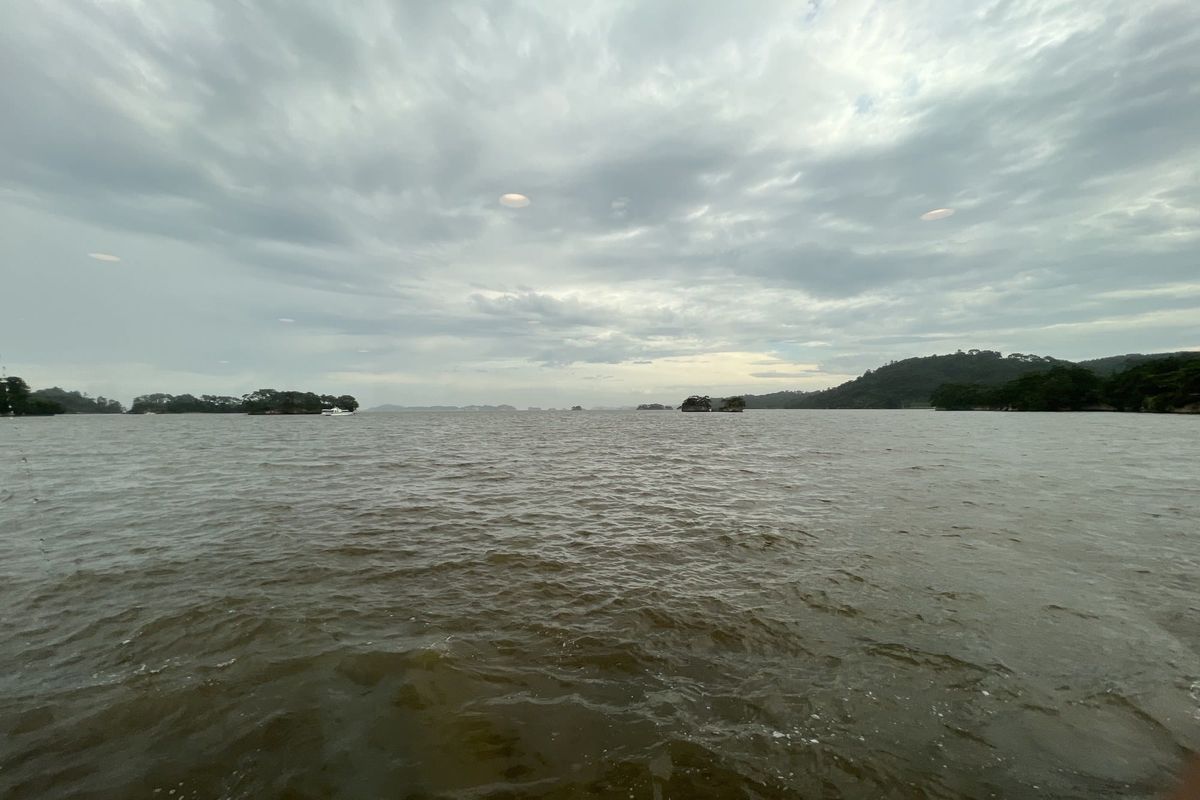
Sendai vs Matsushima is a question about evenings, not about sightseeing. Matsushima's bay — the pine-covered islands that give it its name — is a half-day, and almost everyone sees it as a day trip from Sendai, which is right for most trips: Sendai has the restaurants, the Shinkansen and rooms from ¥35,420 for two at The Westin Sendai. Sleep in Matsushima instead if you want the bay at dawn and dusk without the coach traffic, from ¥29,966 for two at Hotel Matsushima Taikanso. The two are about 40 minutes apart by local train, which is why almost nobody needs to move hotels — and the line has a stop in the middle worth getting off at.
What Matsushima actually is
Matsushima Bay is a scatter of small pine-topped islands, counted traditionally as one of Japan's three great views. The town beside it is small: a waterfront strip, Zuiganji temple, boat cruises around the islands, and not much else. That is the whole proposition.
You can see it properly in half a day. A cruise, the temple, lunch, and the viewpoints. Adding a second day means walking the same waterfront twice.
Which is exactly why the standard answer is a day trip — and why the case for staying overnight has to rest on something other than needing more time.
The case for sleeping there anyway
It rests on hours rather than days. Matsushima receives heavy coach traffic in the middle of the day, and the waterfront in a small town absorbs that badly. Guests staying overnight get the two windows the day-trippers never see: the bay before the first buses and after the last ones.
Bayfront ryokan and hotels lean into this. Hotel Matsushima Taikanso sits above the bay from ¥29,966 for two, and the rooms and baths are pointed at the water. If the view is why you came, waking up inside it is a different purchase from photographing it at 11:00 with two hundred other people.
The second argument is meals. Matsushima's accommodation tends towards the ryokan model with dinner included — local oysters in season, seafood generally — which suits a town where the restaurant options thin out after dark.
The case for Sendai, which is most trips
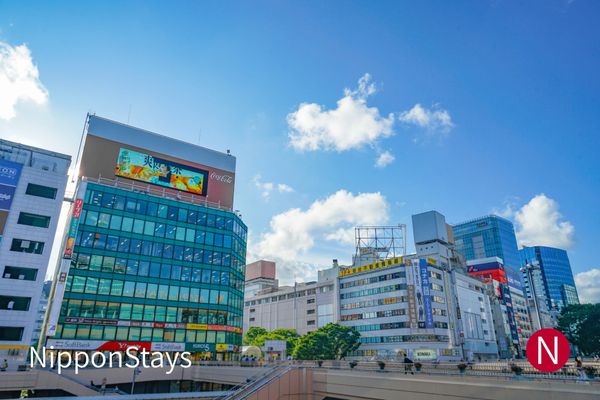
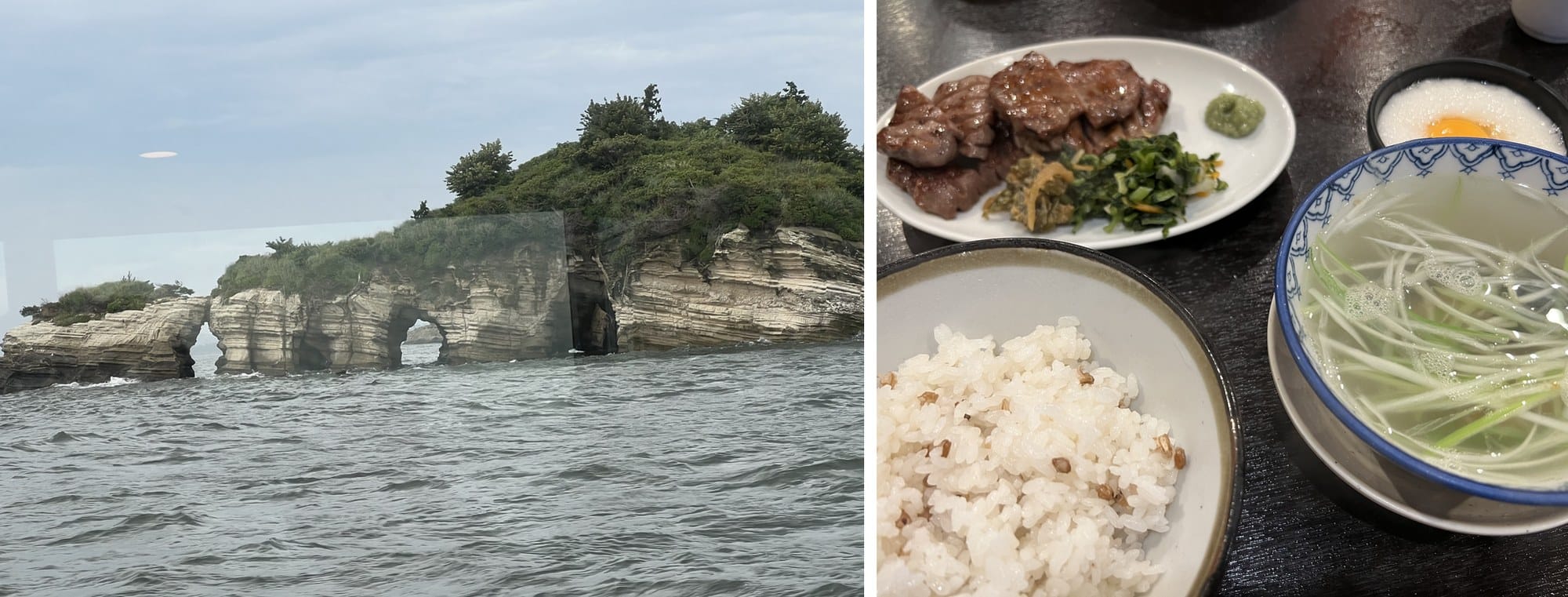
Sendai is a city of a million people with a Shinkansen station, an arcade district, and Kokubuncho — the largest nightlife quarter north of Tokyo. It has restaurants at every level, including the gyutan grilled beef tongue the city is known for.
It is also the hub for everything else in the region. Matsushima is one of several day trips from here, and if you are also going to Yamadera, Naruko or the Akiu and Sakunami onsen areas, a Sendai base does all of them without changing hotels.
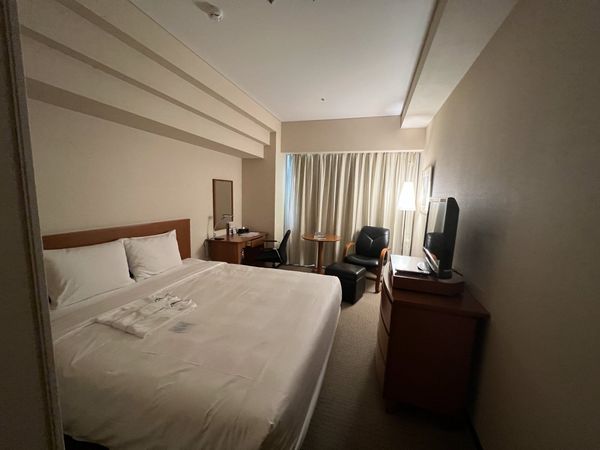
The Westin Sendai runs from ¥35,420 for two, occupying the upper floors of one of the city's tallest buildings.
| Name | Area | Price range | Best for |
|---|---|---|---|
| The Westin Sendai | Sendai, central | from ¥35,420 for two | City base for Matsushima plus every other Tohoku day trip |
| Hotel Matsushima Taikanso | Matsushima, above the bay | from ¥29,966 for two | The bay at dawn and dusk, meals included |
| Matsushima Ichinobo | Matsushima | from ¥71,802 for two | A bay-view ryokan night as the destination |
Rates are the lowest advertised for two with no dates specified, checked in August 2026. Matsushima's figures typically include dinner and breakfast, Sendai's do not, so the gap is smaller than it looks.
Read the price gap carefully
The entry point at Matsushima looks cheaper, and that is misleading in the usual ryokan way. A bayfront ryokan rate generally includes two meals; a city hotel rate does not. Once you add a Sendai dinner and breakfast for two, the city night costs more than the headline suggests.
The other half of the picture is the ceiling. Matsushima's range runs from ¥29,966 at Taikanso to ¥71,802 at Ichinobo, because at a ryokan the room tier and the meal tier move together — you are not paying more for a bigger room, you are paying more for a longer dinner. Sendai's range is flatter. So Matsushima is both the cheaper night and the more expensive one, depending on which tier you book.
That does not make Matsushima the better value. It makes the comparison one you have to do per person and after meals, and it means the choice is genuinely about what kind of evening you want rather than about saving money.
Get off halfway, at Shiogama
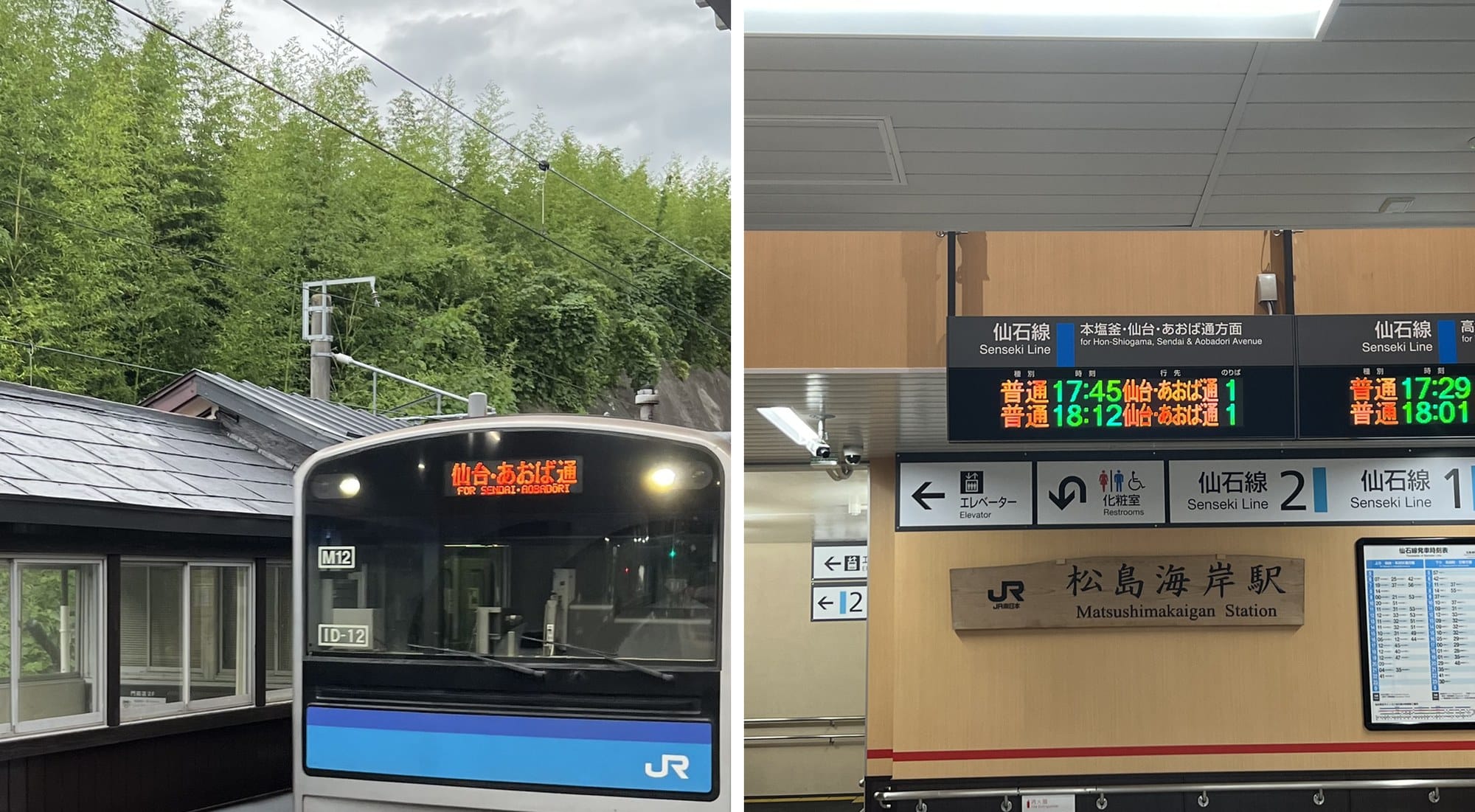
Hon-Shiogama sits between Sendai and Matsushima-Kaigan on the same Senseki line, and it is the reason the journey is not dead time.
Shiogama is a working fishing port — the wholesale market there says the port is among Japan's largest for fresh tuna — and the market lets visitors do something unusual with that. You buy sashimi from the stalls, take it to a counter for rice, and build your own seafood bowl. There is no set menu to decode and no reservation to make; you point at what you want. It is the cheapest good meal on this whole itinerary.
For the market's hours, Shiogama Shrine and the two sake breweries laid out as a half-day route with train times, see our Shiogama day trip from Sendai guide.
The town also has two long-established sake breweries whose origins are tied to the shrine above the harbour. One of them, Urakasumi, runs a shop where a few hundred yen buys a cup and a tasting that changes monthly, plus a short guided look at the buildings from the outside if you book ahead. The other does not admit visitors, which is worth knowing before you go looking for it.
Check the market's closing day before you plan around it, and treat this as a stop of an hour or two rather than a half day.
How to decide
- One or two nights in the region. Sendai. Day-trip to Matsushima and keep the evenings in a city that has them.
- The bay is the reason for the trip. Matsushima, one night. Dawn and dusk are the parts you cannot day-trip to.
- Multiple Tohoku day trips. Sendai. It reaches Yamadera, Naruko and the onsen areas as well.
- Four nights or more. Both — Sendai as the base, one night out at the bay, then back. They are about 40 minutes apart.
- Travelling in oyster season. Matsushima gains, because the ryokan meals are where that shows up.
- You care about seafood more than views. Break the journey at Hon-Shiogama and build your own bowl at the market.
| If this is you | Area | Price range | Best for |
|---|---|---|---|
| Short trip, want restaurants | Sendai | from ¥35,420 | Sendai — Kokubuncho and gyutan |
| Bay at dawn, meals included | Matsushima | from ¥29,966 | Matsushima — one night, not two |
| Several Tohoku day trips | Sendai | from ¥35,420 | Sendai — one base reaches all of them |
| Four nights or more | Both | Mixed | Sendai base, one night at the bay |
| Seafood is the point | Sendai, via Shiogama | from ¥35,420 | Stop at Hon-Shiogama for the market on the way |
For the practical side of the day trip, our guide to Sendai hotels for a Matsushima day trip covers which part of Sendai to book for an early start. Sendai as a Tohoku base covers the wider set of trips, Sendai Station vs Kokubuncho settles where in the city to sleep, and Akiu and Sakunami covers the onsen option if the bay is not the draw.
FAQ: Sendai vs Matsushima
Is Matsushima worth staying overnight?
For one night, if the bay is the reason you came. The town is small enough to see in half a day, so the argument for sleeping there is the dawn and dusk hours that day-trippers miss rather than needing more time. Two nights in Matsushima means walking the same waterfront twice.
How far is Matsushima from Sendai?
About 40 minutes on the JR Senseki line to Matsushima-Kaigan, which is the station you want — Zuiganji, Godaido and the cruise pier are all a short walk from it. The Tohoku main line reaches a station also called Matsushima in about 25 minutes, but it leaves you a 20-min walk from the sights, so the faster train is the slower trip. Note too that the Senseki-Tohoku rapid service does not stop at Matsushima-Kaigan. That short distance is why moving hotels between the two rarely pays off — you spend a morning on the transfer for a journey you could do after breakfast.
Which is cheaper, Sendai or Matsushima?
The headline rates favour Matsushima — from ¥29,966 for two at Hotel Matsushima Taikanso against ¥35,420 at The Westin Sendai at our check in August 2026 — but bayfront ryokan rates usually include dinner and breakfast while city hotel rates do not. Compare after adding two meals in Sendai.
What is there to do in Sendai in the evening?
Kokubuncho is the largest nightlife district north of Tokyo, and the city's arcades and restaurants run through the centre. Gyutan, grilled beef tongue, is the local speciality and is served across every price level, which is the practical reason most travellers keep their evenings in Sendai rather than at the bay.