Kanazawa Machiya Stays Higashi Chaya: A Practical Guide
Kanazawa machiya stays in Higashi Chaya: four townhouse rentals compared by price, group size, and walk time — honest notes on stairs and self check-in.
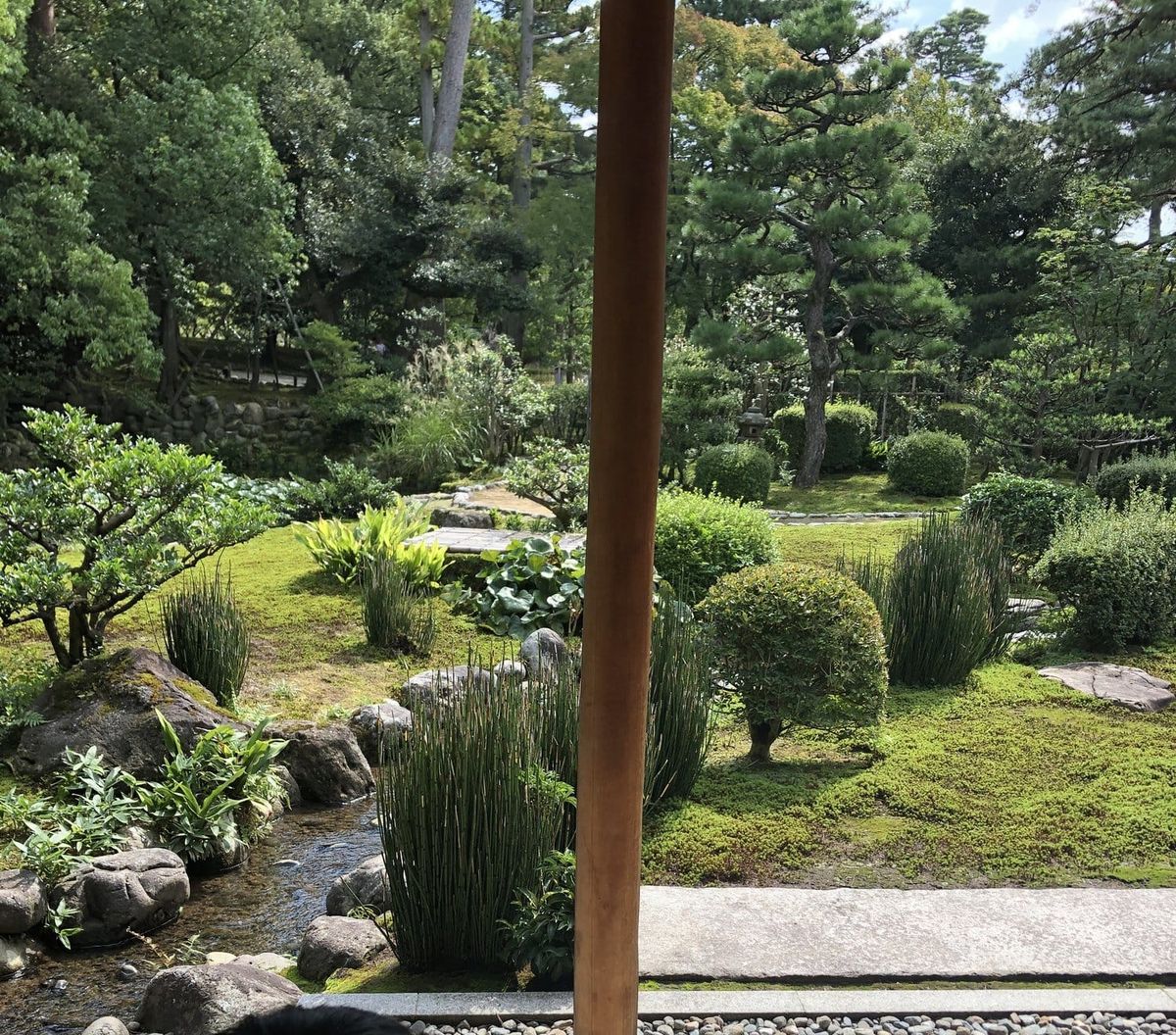
Of the Kanazawa machiya stays Higashi Chaya visitors book, UTAIMACHI (from ¥18,000) is the only one inside the district itself, suited to couples or solo travelers who want zero walk. Groups of four to six should look at Kagabi Machiya (from ¥35,000; four neighboring whole-house rentals) or Higashiyama Kageroi (from ¥30,000; a 5-minute walk away), while Hinaya Higashiyama (from ¥28,000; three bedrooms) is an 8-minute walk out. The answer changes if you arrive late or leave early on the Hokuriku Shinkansen: the 30-minute walk or 15-minute bus ride from the station makes a station-front hotel more practical than any machiya on this list.
Of the 4 machiya stays in this guide, 3 are whole-house rentals sleeping 4–6 guests and all 4 are within an 8-min walk of the Higashi Chaya main street; none have an elevator, and all use keybox self check-in (checked July 2026).
Who Should Stay in Higashi Chaya — and Who Should Skip It
The best Kanazawa machiya stays Higashi Chaya offers are concentrated along and around the bengara-lacquered teahouse streets — and they suit travelers who put atmosphere ahead of convenience. You wake up inside one of Kanazawa's best-preserved Edo-era neighborhoods, a short walk from the bengara-lacquered teahouse facades, craft shops, and the Asano River. The trade-off is real: there is no elevator, check-in is often by keybox, and the station — your link to the Hokuriku Shinkansen, Komatsu Airport buses, and late-night taxis — is about a 30-min walk or a 15-min bus ride away.
Some links in this guide are affiliate links. If you book through them, we may earn a commission at no extra cost to you.
If you're arriving on a late Shinkansen, traveling with heavy luggage, or have early-morning transfer obligations, base at Kanazawa Station instead (see our full area guide). If your trip is built around castle-town walking — Kenrokuen Garden, Omicho Market, the 21st Century Museum — the Higashi Chaya side is hard to beat and the machiya experience makes that case stronger.
| Name | Type | Walk to Higashi Chaya | Price range |
|---|---|---|---|
| UTAIMACHI | Boutique machiya suites (3 rooms) | In the district (0-min) | from ¥18,000 / varies by season |
| Higashiyama Kageroi | Whole-house rental (sleeps 4-6) | 5-min walk | from ¥30,000 / varies by season |
| Kagabi Machiya (Yuzen / Mizuhiki / Temari / Bamboo) | 4 neighboring whole-house rentals (sleeps 5-6 each) | 5-min walk | from ¥35,000 / varies by season |
| Hinaya Higashiyama | Whole-house rental (3 bedrooms) | 8-min walk | from ¥28,000 / varies by season |
All rates are per whole-property per night and vary by season. Rates spike during the winter crab season (from November) and in peak snow months. Book well ahead for those periods.
What Higashi Chaya Actually Is
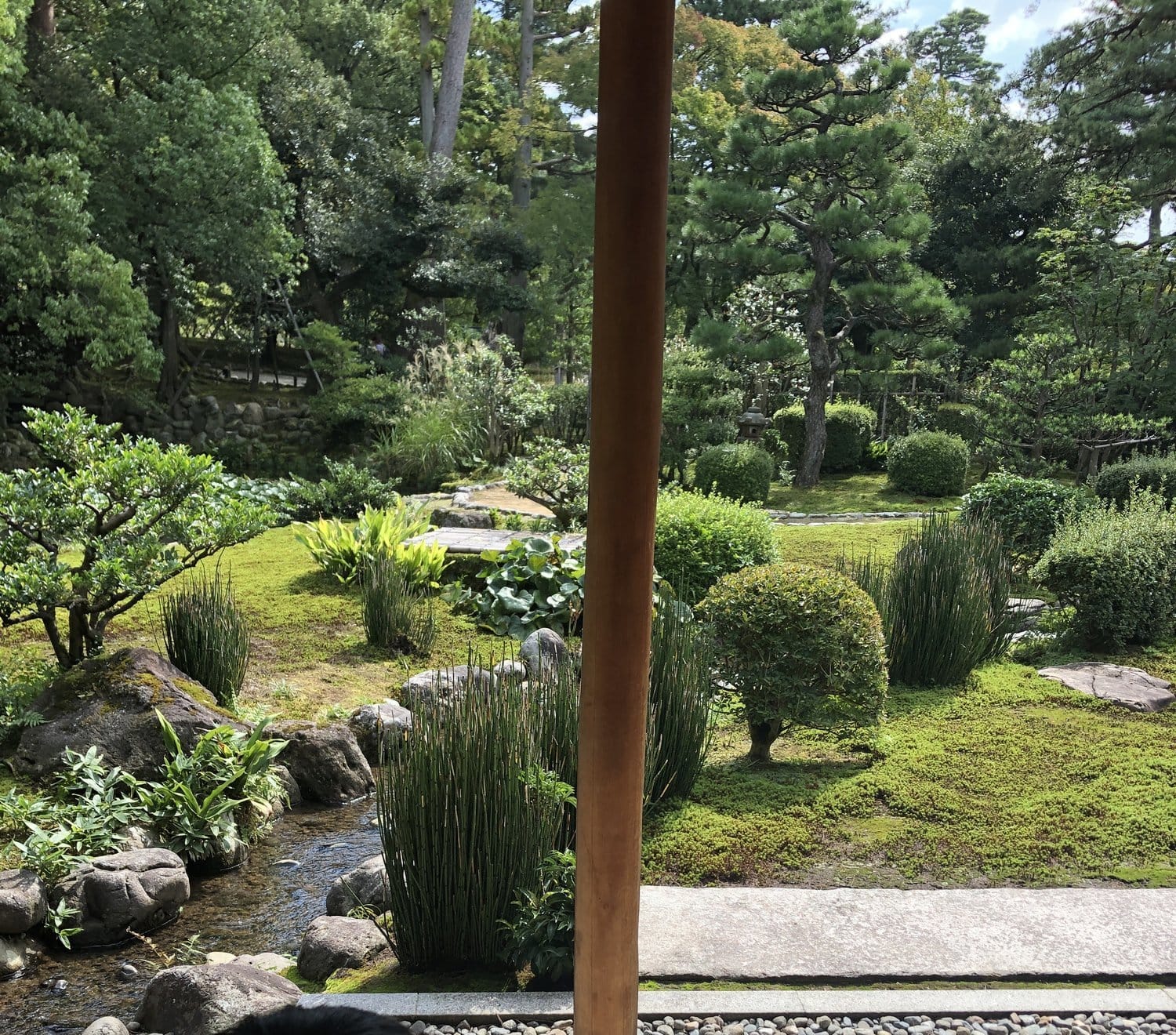
The Higashi Chaya-gai (East Teahouse District) is the largest of Kanazawa's three surviving chaya districts. The wooden ochaya teahouses lining the main street date to the 1820s. Today the district is a Nationally Designated Important Traditional Building Preservation Area, which is exactly what makes it feel different from a theme park.
The main street runs about 200 meters. Mornings are quiet — a good window for photographs before tour groups arrive around midday. The neighborhood sits on the north side of Kanazawa Castle Park, across the Asano River: a separate, quieter pocket of the castle town, not inside the Kenrokuen / Korinbo / Katamachi block.
How Machiya Stays Differ from Modern Hotels
Traditional machiya are two-story wooden townhouses, typically built long and narrow ("unagi no nedoko" — eel's bed) with a small inner courtyard garden. The renovated ones used for accommodation have been retrofitted with modern plumbing, WiFi, heated floors, and modern bathrooms. But several things remain structurally different from a business hotel:
- No elevator. The staircase to the upper floor is steep and often narrow by modern standards. This matters with roller bags; backpacks are significantly easier to manage.
- Self / keybox check-in. Most machiya operators send you a keybox code before arrival. There is no front desk on-site, so check in instructions need to be read carefully in advance. UTAIMACHI is a partial exception — they have a small reception operation — but their hours are limited.
- Soundproofing is minimal. Wood-frame construction from before modern insulation standards means you may hear rain on the roof and neighboring guests clearly. Thin walls and sliding shoji screens are part of the aesthetic, not a product defect.
- Smaller footprint. Even "spacious" machiya rooms feel intimate compared to a full-service hotel room at the same price. The charm is in the architectural detail — latticework, tatami, tokonoma alcoves — not floor space.
- Self-catering. Most whole-house machiya have a kitchen with IH stovetop, refrigerator, and washing machine. They are not set up to cook elaborate meals but make an early breakfast or a late snack easy.
None of these are deal-breakers for the right traveler. They're relevant facts to check against your own travel style before booking.
Walk Times from Higashi Chaya to Key Sights
The Higashi Chaya area puts you within comfortable walking distance of the main castle-town sights:
- Kenrokuen Garden: roughly 15-min walk south through or around Kanazawa Castle Park. Kenrokuen is one of the Three Great Gardens of Japan, alongside Kairakuen in Mito and Korakuen in Okayama. An early-morning visit from a Higashi Chaya machiya — walking through the castle grounds before tour groups arrive — is genuinely worthwhile.
- Omicho Market: about 15-min walk west. The market is Kanazawa's seafood kitchen, and from November the stalls overflow with crab: male Kanoh-gani (6 November to 20 March) and the shorter-season female Kobako-gani (6 November to 29 December), per the standing Ishikawa season framework at our last check (October 2026). Early morning is best for choosing; most stalls open by 8 or 9 am.
- Katamachi / Korinbo (izakaya and bar district): approximately 20-25 min walk south and west. This is where the izakaya streets cluster — a longer walk than from a Korinbo-area hotel, but not prohibitive for dinner. For a full evening of bar-hopping it is worth taking the Loop Bus or a taxi back. See our nightlife area guide for the Katamachi-based options if that's your priority.
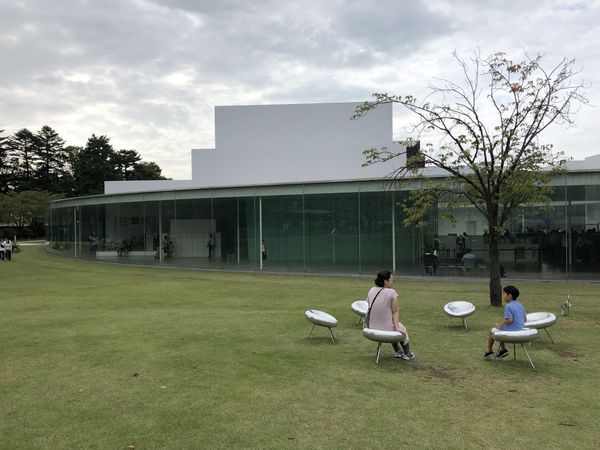
- 21st Century Museum of Contemporary Art: about 20-min walk southwest, near Kenrokuen. Timed entry for the paid zones; book ahead online on busy days.
- Kanazawa Station: about 30-min walk northwest, or 15 min by bus (Kanazawa Loop Bus, Right Loop, alight at Hashibacho then 5-min walk into the district). Bus fare is ¥220 per ride for adults; a day pass saves money if you're using it multiple times.
The Four Machiya Stays Worth Knowing
UTAIMACHI — For Couples Wanting the Full Teahouse-Street Experience
UTAIMACHI sits inside the Higashi Chaya district itself, renovated from a century-old machiya. Three suites (Niju, Happyaku, and Sen), each with a private bathroom, kitchen, and dining area. Breakfast made with local Kanazawa seasonal ingredients is included. The ground-floor suite faces a small tsuboniwa courtyard garden; upper suites look out over the bengara-lacquered teahouse street. Check-in is managed by their reception team (limited hours; confirm before arrival). Rates from around ¥18,000 per suite per night, with significant spikes during the crab and snow season. Check current rates.
Higashiyama Kageroi — For Small Groups Who Want Their Own Space
Kageroi is a whole-house machiya rental managed by Machiya Residence Inn Kanazawa, a 5-min walk from the main Higashi Chaya street. It sleeps four to six guests in Japanese and western-style bedrooms. The bathroom is fitted with Noto hiba wood (a local cypress), and the house has a washing machine, IH stovetop, and floor heating. Self-check-in by keybox. For a group of four splitting the per-night cost, this competes well with mid-range hotel rooms on a per-person basis. Rates from around ¥30,000 per night for the whole house. Check current rates.
Kagabi Machiya — For Larger Groups
Kagabi is a cluster of four neighboring whole-house machiya rentals named after local craft traditions: Yuzen (dyeing), Mizuhiki (knotted ornaments), Temari (decorative balls), and Bamboo. Each sleeps five to six guests and can be booked independently, about a 5-min walk from the Higashi Chaya main street. The four-house layout suits larger groups wanting adjacent-but-separate spaces. Each unit has its own entrance, tatami room, western-style bedroom, hinoki bathroom, and WiFi. Rates from around ¥35,000 per house per night; seasonal variation is significant. Check current rates.
Hinaya Higashiyama — For Those Wanting a Garden
Hinaya Higashiyama is an 8-min walk from the Higashi Chaya main street, notable for having a private inner garden and spa bath. Three bedrooms, full kitchen, and washing machine. Confirmed operating in 2025 on multiple booking platforms. The garden and spa bath make it the pick for travelers wanting a long soak after a day of castle-town walking. Rates from around ¥28,000 per night. Check current rates.
Practical Constraints
Stairs and Luggage
Every machiya listed here has a steep interior staircase. Roller suitcases work but are awkward. If you're arriving with full travel luggage from a Shinkansen, consider forwarding your bag by takkyubin from a convenience store near the station, or book the first night at a station-front hotel and move here from night two.
Check-In Logistics
Keybox check-in means no one is on-site. Read the pre-arrival instructions carefully, make sure your phone is charged, and save the emergency contact number offline before you board the train.
Winter Pricing
Rates spike from early November when the crab season opens, and again during the snow months of December through February. Budget an extra 20–40% above off-peak rates and book well ahead. For a broader Kyoto machiya comparison, Kanazawa rates are generally lower, but the gap narrows in peak crab season.
Comparison Table
| Name | Type | Walk to Higashi Chaya | Price range |
|---|---|---|---|
| UTAIMACHI | Boutique suites (3 rooms, B&B) | In the district (0-min) | from ¥18,000 / varies by season |
| Higashiyama Kageroi | Whole-house rental (sleeps 4-6) | 5-min walk | from ¥30,000 / varies by season |
| Kagabi Machiya | 4 neighboring whole-house rentals (sleeps 5-6 each) | 5-min walk | from ¥35,000 / varies by season |
| Hinaya Higashiyama | Whole-house rental (3 bedrooms, private garden) | 8-min walk | from ¥28,000 / varies by season |
Rates per whole property per night. All vary by season; expect spikes November through February (crab season and snow period). Rates confirmed as bookable in 2025–2026 on major platforms.
Trip Essentials for Kanazawa
Things worth booking before you land, all in English:
- eSIM — Airalo's Japan eSIM: install it at home and data works as soon as you switch off airplane mode at Komatsu Airport.
- Tickets and day trips — Klook covers Kanazawa day tours and trips to Shirakawa-go; booking ahead skips the ticket-window line.
FAQ
Is Higashi Chaya walkable from Kanazawa Station?
About a 30-min walk from the station. The faster option is the Kanazawa Loop Bus (Right Loop), about 10 min to Hashibacho stop, then a 5-min walk. Bus fare is ¥220 per ride.
Do machiya have 24-hour check-in?
Most use keybox self check-in, so physical access works at any hour once you have the code. The operator is not on-site. Confirm your arrival window and keybox instructions well before you travel.
Are machiya suitable for families with young children?
The steep internal staircases are the main concern. Some whole-house machiya have tatami rooms where children can sleep on futon at floor level — but check the specific staircase setup with the operator before booking.
How far is Higashi Chaya from Kenrokuen Garden?
About 15-min walk south through the castle park. Close enough to plan an early-morning Kenrokuen visit and walk back for breakfast. Kenrokuen is one of the Three Great Gardens of Japan (alongside Kairakuen in Mito and Korakuen in Okayama) and is quieter before 9 am.
What is the crab season in Kanazawa?
It typically opens in early November. Male Kanoh-gani runs through winter; female Kobako-gani has a shorter season ending earlier — verify current-year dates before a crab-specific visit. Both species spike hotel and restaurant prices through the season.
Should I base in Higashi Chaya for nightlife?
The district itself is quiet after dark. Katamachi and Korinbo's izakaya streets are about 20-25 min on foot. If bar-hopping is central to your trip, a Katamachi-area hotel is more convenient (see our nightlife hotel guide).
Information audit: Last fact-checked July 2026 · Prices checked July 2026 (all rates are “from” floors that vary by season) · How this guide was researched: hotel facilities, prices and access details are verified against official and primary sources; we have not personally stayed at every property listed. The author has traveled in this area personally; original photographs on this site are from those trips · How this site verifies information: About NipponStays.