Machiya Stays Kyoto: The Complete Townhouse Guide
A practical guide to machiya stays Kyoto-wide: what to expect, how machiya compare to ryokan and hotels, and a verified shortlist across areas.

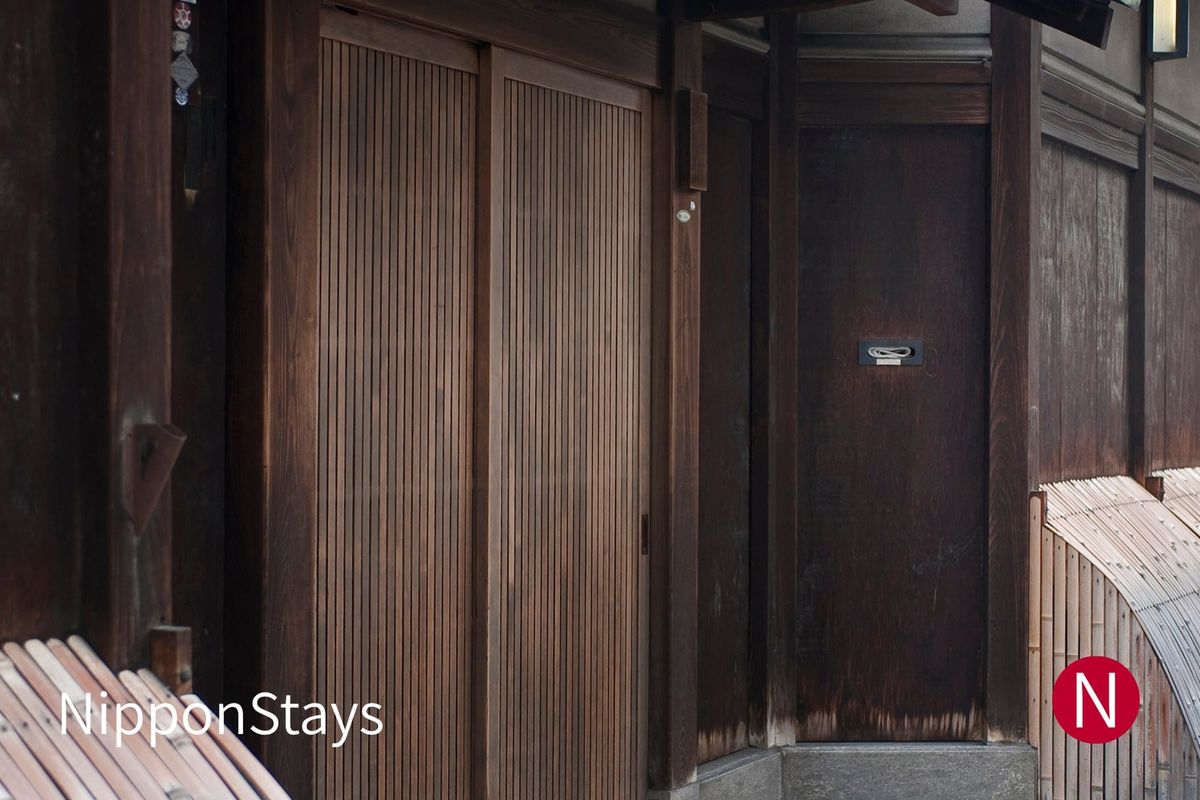
Of the machiya stays Kyoto has on the major booking platforms, book Suo-an Machiya House (from ¥22,000) if you are two people who want a whole townhouse within walking distance of Nishiki Market, or Gion Koyu-an Machiya House (from ¥25,000) for a Taisho-era house an 8-min walk from Gion-Shijo Station Exit 1. Group size is the one thing that changes the answer: Miyagawacho Samurai Machiya (from ¥50,000, 165 m²) is the only one here that takes six to twelve people. For the broader accommodation picture, start with our full Kyoto area guide.
Some links in this guide are affiliate links. If you book through them, we may earn a commission at no extra cost to you.
All 4 machiya listed in this guide were confirmed open on major booking platforms in 2025, and all 4 offer whole-house rental — you book the entire building, not a single room (checked July 2026).
Best Machiya Across Kyoto at a Glance
The table spans both main clusters — central Kyoto and the Higashiyama/Gion corridor — so you can compare on location, price, and group fit before reading further.
| Name | Area | Price range | Best for |
|---|---|---|---|
| Suo-an Machiya House — check rates | Karasuma / Shimogyo | from ¥22,000/night; varies by season | Couples and small groups; walkable to Nishiki Market |
| Gion Koyu-an Machiya House — check rates | Higashiyama | from ¥25,000/night; varies by season | Couples; 8-min walk from Gion Shijo Station Exit 1; Taisho-era building |
| Miyagawacho Samurai Machiya — check rates | Miyagawacho (south Gion) | from ¥50,000/night; varies by season | Groups of 6–12 (sleeps up to 15); a restored machiya plus a newer building behind the garden |
| K's Villa — check rates | Shimogyo / Kamogawa | from ¥30,000/night; varies by season | Families; two bedrooms; 100-year-old house |
All four properties were listed as open on major booking platforms in 2025. Rates vary significantly between a quiet mid-week night and peak cherry-blossom (April) or autumn-foliage (November) periods — allow at least double the base rate for those weeks, and book well ahead.
What a Machiya Is and How a Stay Works
A machiya (町家) is a wooden townhouse built in the narrow-lot style that characterised Kyoto's old merchant and artisan districts. Most surviving examples date from the Meiji or Taisho era, roughly the 1890s through 1920s. The typical floor plan runs long and thin from street to rear garden, with a central light-well courtyard (the tōri-niwa) dividing living spaces.
When you book one today you are renting the entire building — not a room within a shared property. That whole-house exclusivity is the central selling point. A renovated machiya typically includes:
- A kitchen or kitchenette — some with a full induction hob and refrigerator
- A small traditional garden or courtyard
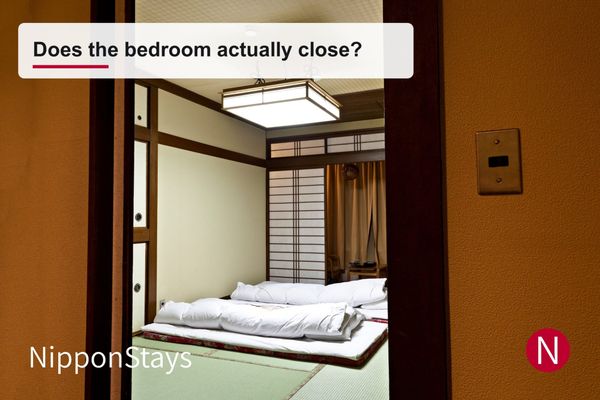
- Tatami rooms alongside a Western sitting area
- A deep soaking bathtub, sometimes a cedar barrel-style tub
- Self-check-in via keybox or smart lock
- Pocket Wi-Fi or in-house broadband (confirm per property)
There is no front desk and no staff on-site. Check-in instructions arrive by email or app before arrival. If something goes wrong you call the management company — typically via a dedicated guest line, not a lobby downstairs.
Machiya vs Ryokan vs Hotel: Which Suits Your Trip
A ryokan provides staff, structured hospitality, and often kaiseki meals — see our separate guides on staying in Kyoto for a full comparison. A hotel gives you daily housekeeping, a lobby, and flexible check-in windows. A machiya gives you none of those services, but it does give you an entire house and the kind of residential privacy neither alternative can match.
A machiya tends to be the better choice if:
- You are a group of three or more who would rather spread out than share two hotel rooms
- You want to cook at least one meal in — especially useful for families with young children or specific dietary requirements
- You want a neighbourhood feel: waking up in a residential lane, shopping at the corner tofu shop
- Whole-house privacy matters more to you than professional service
If the ryokan experience — tatami service, kaiseki dinner, communal or private onsen — is central to your trip, a machiya will not deliver that. Those two stay types serve different needs.
Where Machiya Cluster: Two Main Zones
The majority of bookable machiya in Kyoto sit in one of two broad areas.
Higashiyama and Gion
The lanes around Gion, Miyagawacho and the Higashiyama temple corridor have the highest concentration of older machiya. You are within a short walk of Yasaka Shrine, the Sannenzaka stone lanes, and the lantern-lit alleys of Gion — but these are also residential streets and working geisha districts, so the expectations around behaviour are high. If you want that atmosphere, the dedicated machiya in Higashiyama & Gion page lists the best-located properties on those lanes.
Central Kyoto: Karasuma, Shimogyo and Kawaramachi
The central wards have machiya in residential blocks set back from the main shopping streets. You lose the picture-postcard lane setting but gain walkability to Nishiki Market, direct bus access across the city, and — in many cases — lower nightly rates than Gion equivalents. For specific picks here, the machiya in central Kyoto page covers the best options in those streets.
A smaller supply of machiya also exists near Arashiyama and in Kamigyo (the old Nishijin textile district north of the city centre). Both are worth considering if the area is central to your itinerary, but the choice is narrower and you will need to factor in longer travel times to the main eastern-ward sights.
Choosing by Group Size and Budget
Machiya are priced per house per night, not per person. That pricing structure makes them progressively more competitive the more guests share the cost.
- Two people: A compact two-bedroom machiya in central Kyoto starts from ¥22,000 per night (varies by season). Per person, that is comparable to a mid-range hotel room, but you get the entire house.
- Four people: Expect from ¥30,000 for a solid four-person house. Split across four guests, the per-head rate is noticeably cheaper than four separate hotel beds.
- Six to twelve people: Larger renovated machiya start from ¥50,000 per night. Divided across six or eight guests, that undercuts the equivalent in hotel rooms while giving the group communal kitchen and living space.
Most machiya require a minimum of two nights, and properties in the prime Gion and Higashiyama streets fill up months in advance for cherry-blossom and autumn-foliage weeks. If your dates fall in April or November, book early.
Being a Good Neighbour
Machiya sit in residential streets. The people on either side go to work in the morning and sleep at night. A few practical points before you arrive:
- Quiet hours: Most properties set a quiet-hours rule after 10 pm or 11 pm. Read the house rules on arrival.
- Rubbish sorting: Japan's waste system requires sorting into burnable, plastics, glass, and so on, with collection on specific weekday mornings. Your host will leave a guide — follow it.
- Photography in Gion lanes: Some private paths in the Gion and Miyagawacho areas are marked with signs restricting photography. Follow local photography rules; do not photograph residents or geiko without consent.
- Late-night arrivals: If you arrive late by taxi with a group, keep the kerb noise in mind. Neighbours notice.
These are not exceptional expectations — they are how residents live every day. Treating the neighbourhood with respect is what keeps machiya rental viable in Kyoto long-term.
Compare a Shortlist Across Areas
The same four properties from the top of this page, now with location trade-offs in focus:
| Name | Area | Price range | Best for |
|---|---|---|---|
| Suo-an Machiya House | Karasuma / Shimogyo | from ¥22,000/night; varies by season | Couples wanting central access; 7-min walk to Kyoto Station check-in desk |
| Gion Koyu-an Machiya House | Higashiyama (Komatsu-cho) | from ¥25,000/night; varies by season | Couples; 8-min walk from Gion Shijo Station; 8-min walk to Yasaka Shrine |
| Miyagawacho Samurai Machiya | Miyagawacho | from ¥50,000/night; varies by season | Groups of 6–12; positioned between two hanamachi geisha districts |
| K's Villa | Shimogyo / Kamogawa | from ¥30,000/night; varies by season | Families of 4; two bedrooms; riverside neighbourhood |
For a deeper look at Gion- and Higashiyama-area properties, see machiya in Higashiyama & Gion. For downtown picks near Nishiki Market and Kawaramachi, see machiya in central Kyoto.
Practical Tips Before You Book
- No front desk: Self-check-in is standard. If your train is delayed or you arrive after midnight, notify your host in advance. Most management companies have a 24-hour guest contact line.
- Minimum nights: Two nights is the typical minimum; some properties in peak periods require three. Confirm before completing your booking.
- Luggage: There are no left-luggage facilities at a machiya. Use coin lockers at the nearest station or arrange luggage forwarding (takkyubin) from your previous accommodation.
- Season pricing: Rates vary considerably — from ¥22,000 on a quiet mid-week night in June to multiples of that during cherry-blossom and foliage peaks. The best-located machiya sell out well in advance for April and November. Book early for those dates.
- What is not included: Unlike a ryokan, there are no meals prepared for you. Unlike a hotel, there is no daily housekeeping unless you arrange it as a paid extra. Check what is provided before assuming.
Trip Essentials for Kyoto
Things worth booking before you land, all in English:
- eSIM — Airalo's Japan eSIM: install it at home and data works as soon as you switch off airplane mode at Kansai Airport.
- Airport transfer — Klook covers bus, train, and private transfers from Kansai Airport.
- Luggage storage — arriving before check-in? Radical Storage takes bags at shops near Kyoto Station for a flat daily rate.
- Tickets and day trips — Klook covers Arashiyama activities, tea ceremonies, and Nara day trips; booking ahead skips the ticket-window line.
FAQ: Machiya Stays in Kyoto
What is the difference between a machiya and a ryokan?
A machiya is a whole-house rental — you book the entire building, there is no staff on-site, and there are no meals prepared for you. A ryokan is a staffed inn where service is central to the experience: a host prepares your room, kaiseki meals are served, and communal or private onsen baths are a key part of the stay. If the hospitality rituals of a ryokan are what you are after, a machiya will not deliver that. Machiya suit groups or families who want residential privacy and a kitchen.
How far in advance do I need to book a machiya in Kyoto?
For cherry-blossom season (late March to early April) and autumn foliage (mid-October to November), book three to six months in advance — the best-located machiya in Gion and Higashiyama sell out quickly, and properties like Miyagawacho Samurai Machiya (15 rooms equivalent, sleeping 6–12) have a very limited number of nights available. For off-peak travel, three to four weeks is often sufficient, though the choice narrows as dates approach.
Is a machiya suitable for families with young children?
A machiya can work well for families if the property has a full kitchen, a safe outdoor courtyard, and enough bedrooms — K's Villa (from ¥30,000 per night, two bedrooms) is confirmed as a family pick in this guide. The lack of on-site staff is the main practical difference from a hotel: there is no housekeeping, no lobby, and no one to help with child equipment on arrival. Confirm the property setup and child policies before booking, as configurations vary.
Can two people afford a machiya stay in Kyoto, or is it only cost-effective for groups?
Two people can stay in a compact machiya from ¥22,000 per night — for example, Suo-an Machiya House in the Karasuma area. Split two ways, that is about ¥11,000 per person per night, which is comparable to a mid-range hotel room. The whole-house privacy and neighbourhood feel are the trade-offs for no front desk or daily housekeeping. Machiya become progressively better value per person as the group grows, but they are not cost-prohibitive for two.
Information audit: Last fact-checked July 2026 · Prices checked July 2026 (all rates are “from” floors that vary by season) · How this guide was researched: hotel facilities, prices and access details are verified against official and primary sources; we have not personally stayed at every property listed. The author was born in Kyoto · How this site verifies information: About NipponStays.