Machiya Stays in Higashiyama and Gion: Private Townhouses
Verified machiya stays in Higashiyama and Gion — private townhouses near Kiyomizu-dera and Sannenzaka. Rates, access and self-check-in tips.

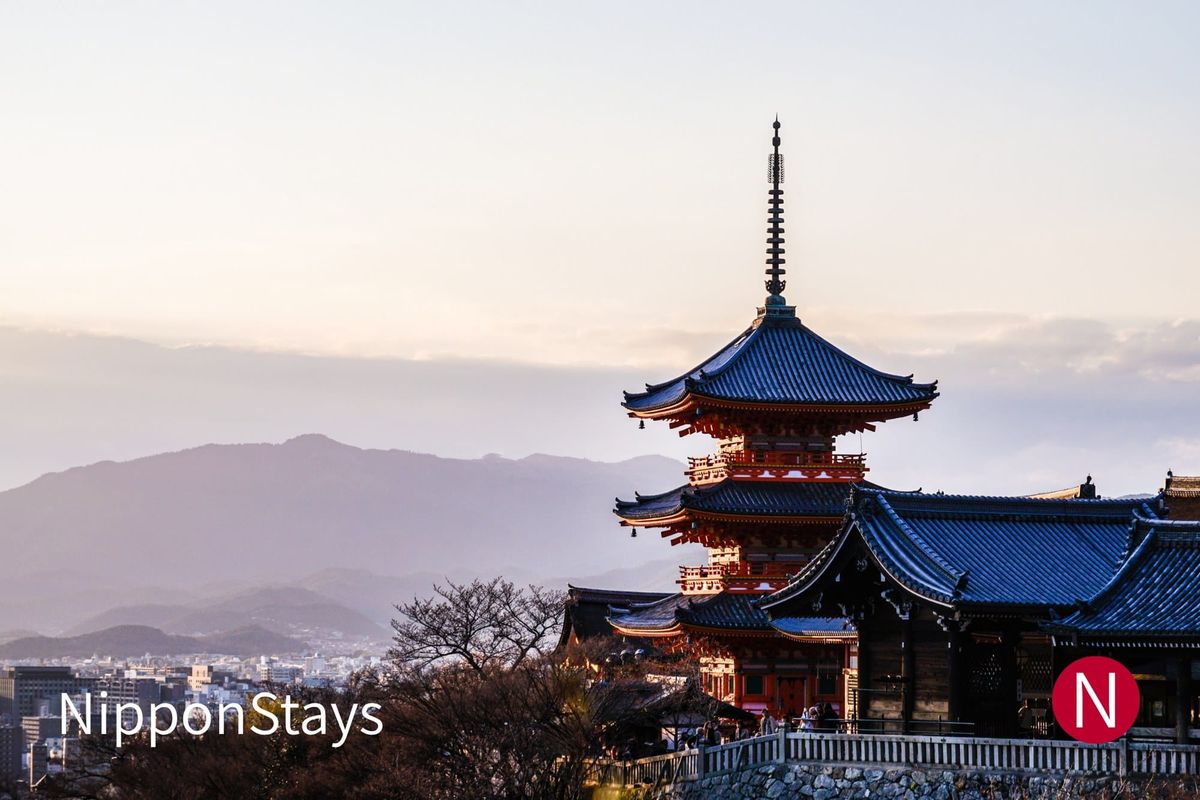
Of the machiya stays in Higashiyama and Gion, Bonbori-an is the pick for small families: two bedrooms for up to four guests, at the foot of the Yasaka Pagoda. Rikyu-an (from ¥20,000) suits couples who want a tea-room aesthetic five minutes from Sannenzaka, in the lanes below Kiyomizu-dera. Gion Koyu-an (from ¥25,000) has a wooden bathtub and sits eight minutes from Gion Shijo Station. The condition that changes the answer: groups of three or four should look at Indigo House Gion (from ¥40,000), which splits into upper and lower units near Kenninji Temple.
Some links in this guide are affiliate links. If you book through them, we may earn a commission at no extra cost to you.
Best machiya stays in Higashiyama and Gion at a glance
All five properties below were confirmed operating — four at our July 2026 check and Bonbori-an in October 2026. Each is rented as an entire private house — one group per booking, no shared corridors.
| Name | Area | Price range | Best for |
|---|---|---|---|
| Rikyu-an (Machiya Residence Inn) | Higashiyama | from ¥20,000, varies by season | Couples; tea-room aesthetic, 5-min walk from Sannenzaka |
| Bonbori-an (Machiya Residence Inn) | Higashiyama (Yasaka Pagoda) | Rates vary by date — check the listing | Small families; 2 bedrooms, up to 4 guests |
| Gion Koyu-an (Machiya Residence Inn) | North Gion | from ¥25,000, varies by season | Couples; wooden bathtub, 8-min walk from Gion Shijo Station |
| Indigo House Gion (Old Kyoto) | Gion | from ¥40,000, varies by season | Two to four guests; upper and lower units near Kenninji Temple |
| Amber House (Old Kyoto) | Gion | from ¥38,000, varies by season | Quiet garden views; looking directly over Kenninji grounds |
All prices vary by season. Cherry-blossom season (late March–April) and autumn foliage (November) both bring sharp rate increases. For those windows, book at least three months ahead.
What a machiya stay is
A machiya is a wooden townhouse built in Kyoto's urban merchant tradition: long and narrow, with the front room originally used as a commercial space and the family quarters running back along a central corridor. Most surviving examples date from the Meiji to early Showa periods. When restored for rental, they keep the defining structure — lattice facades, tatami rooms, earthen floors, and a small tsuboniwa courtyard garden — while adding modern plumbing, air conditioning, a kitchen, and WiFi.
This is not a hotel stay. The key operational differences:
- Whole-house privacy. You have the entire building. No shared corridors, no communal lounges, no other guests in the building.
- Self-check-in. There is no front desk on site. Operators either send a host to meet you at a nearby office or use a key box at the property. Confirm your method and arrival window before you travel.
- No daily housekeeping. Linen and towels are provided; cleaning happens at checkout.
- Minimum nights. Most properties in these areas require 2 nights minimum, rising to 3 nights during peak periods.
The rhythm of a machiya stay is slower and more domestic than a hotel. The trade-off is a level of quiet and space that no Gion hotel at the same price point can match.
Machiya on the quiet lanes near Kiyomizu-dera and Sannenzaka
The southern end of Higashiyama — centred on the stone-paved Ninenzaka and Sannenzaka slopes — has the densest concentration of machiya rentals in Kyoto. These lanes are heavily visited during the day. By 7 pm, when the souvenir shops close their lattice doors, the streets become largely empty and genuinely quiet. Staying here gives you that evening access that no day-tripper gets.
Rikyu-an (Machiya Residence Inn Kyoto)
Rikyu-an sits a short walk from the Yasaka-no-to Pagoda and the Sannenzaka slope. The renovation uses Japanese cedar throughout and draws on tea ceremony room design: circular windows, washi paper screens, and low wooden beams. On the ground floor there is a tsuboniwa courtyard garden; upstairs there are both tatami and Western-style sleeping rooms, making it flexible for couples who want a bed rather than a futon.
- Access: Kyoto City Bus routes 100 or 206 to Kiyomizumichi stop, then 5-min walk south
- Self-check-in via key box
- Kitchen, combined washer-dryer, unlimited WiFi included
- From ¥20,000 per night, varies by season — check rates
Bonbori-an (Machiya Residence Inn Kyoto)
Bonbori-an is on a lane of old townhouses at the foot of the Yasaka Pagoda, with Kiyomizu-dera a walk away through the Higashiyama streets. It is the small-family pick in this guide because the sleeping space is split in two: upstairs there is a Western-style bedroom with two single beds and a separate tatami room with futons, so parents and children do not have to share one room. The house is 54 m² and takes up to four guests, per the operator's own listing (checked October 2026). Up to two children aged five or under can stay under the operator's children's policy if they share bedding with another guest.
- 2 bedrooms (2 single beds + 2 futons), 1 bathroom with a cauldron-style bathtub, 2 toilets
- Kitchen, washing machine, floor heating, WiFi included
- Rates vary by date — check rates
Machiya near Gion and the Shirakawa canal
The Gion district, north of Shijo-dori, holds a different character from the temple-side Higashiyama lanes. Properties here tend to be former merchants' or artisans' townhouses; some were once ochaya, the teahouses where geisha entertainment took place. The Shirakawa canal runs east–west through northern Gion, lined with weeping willows and bridge-side stone lanterns. The canal-side path borders a residential quarter — it is not a tourist promenade, and the houses on either side are homes.
Gion Koyu-an (Machiya Residence Inn Kyoto)
A restored Early Showa-period townhouse in northern Gion, 8-min walk from Gion Shijo Station (Keihan Main Line). The property features an aromatic wooden bathtub and a small traditional garden, which makes it a consistent top pick for couples. It is 0.8 miles from Kiyomizu-dera and within walking distance of Hanamikoji-dori and the Shirakawa canal area. 2025 booking data confirms availability across the year.
- Access: Gion Shijo Station (Keihan Main Line), 8-min walk north; confirm exit number with operator at booking
- Kitchen, wooden bathtub, small garden, free WiFi
- From ¥25,000 per night, varies by season — check rates
Indigo House Gion (Old Kyoto)
Old Kyoto has restored and operated machiya in Gion since 2003. Indigo House is on a quiet dead-end lane near Kenninji — the oldest Zen temple in Kyoto — and is split into Upper and Lower units. Each unit can be booked independently (suited for two people) or both together for a group of four. Reviews on the Old Kyoto website run through 2025, confirming the property is actively operating.
- Access: Gion Shijo Station (Keihan Main Line), 10-min walk east
- Modern interiors within a preserved machiya structure; upper and lower units bookable separately or together
- From ¥40,000 per night, varies by season — check rates
Amber House (Old Kyoto)
Amber House is a few metres from Indigo House on the same lane. Its windows look directly over the garden of Kenninji Temple, which makes the morning light unusual. This is a quieter, more contemplative option — single-group booking, garden-facing aspect, and the same Old Kyoto standard of carefully managed renovation. Confirmed operating from guest reviews through 2025.
- Access: Gion Shijo Station (Keihan Main Line), 10-min walk east
- From ¥38,000 per night, varies by season — check rates
Following local photography rules and being a quiet neighbour
Both Higashiyama and Gion are lived-in districts. The people walking past your machiya in the evening are residents on their way home, not tourists. A few practical points that affect your stay:
- Follow local photography rules. Several private lanes in Gion — including side streets off Hanamikoji-dori — have posted signs prohibiting photography. These rules come from residents, not the tourist board, and are actively enforced. Respect them.
- Noise after 10 pm. Machiya walls are thin. Most operators set a quiet-hours expectation around 10 pm. This is not a suitable base for a group planning late-night gatherings.
- Waste sorting. Japan's rubbish collection runs on a specific schedule with strict category sorting. Your operator will provide instructions; follow them carefully.
- Street behaviour. The houses immediately next door may be permanent residences. Keep voices down in the street at night and avoid lingering in doorways or on narrow lanes where there is no passing room.
Treating these norms seriously is practical: properties in prime areas like Gion and Higashiyama continue to be offered for rental partly because previous guests have not caused problems for neighbours. For more on the neighbourhood context, see our full Kyoto area guide.
Compare the machiya
| Name | Area | Price range | Best for |
|---|---|---|---|
| Rikyu-an | Higashiyama (near Sannenzaka) | from ¥20,000, varies by season | Couples; cedar interior, tea-room windows, tsuboniwa garden |
| Bonbori-an | Higashiyama (Yasaka Pagoda) | Rates vary by date — check the listing | Small families; Western and tatami bedrooms upstairs, cauldron bathtub |
| Gion Koyu-an | North Gion | from ¥25,000, varies by season | Couples; wooden bathtub, closest rail access to Gion core |
| Indigo House Gion | Gion (near Kenninji) | from ¥40,000, varies by season | Two to four guests; upper and lower units can be booked independently |
| Amber House | Gion (near Kenninji) | from ¥38,000, varies by season | Quiet garden aspect; contemplative solo or couple stay |
For hotels and ryokan in the same district, see hotels in the same area.
Practical tips: no front desk, luggage, minimum nights, season pricing
Self-check-in logistics. Every machiya here operates without on-site staff. Machiya Residence Inn properties use a check-in desk near Kyoto Station (open 10 am–7 pm; approximately 7-min walk from Hachijo Exit), where you collect keys and receive a property briefing. Old Kyoto properties use either a meet-and-greet or a key lock box. Confirm the exact method for your property and factor it into your arrival time, particularly if you're arriving by Shinkansen late in the afternoon.
Luggage before check-in. Machiya have no storage room and no staff to receive bags. If you arrive before check-in time, use the coin-operated lockers at Kyoto Station — they are available at multiple points inside the station building — or a pay-per-day luggage service. Do not leave bags on the machiya doorstep.
Minimum nights. Two nights is standard across Higashiyama and Gion machiya; some properties require three nights in peak season. Confirm when booking. Single-night stays are occasionally available but are usually priced at a premium.
Season pricing. Cherry blossom peaks in late March to early April; autumn foliage typically peaks in the second and third weeks of November. Both bring significant price increases and very low availability. Book three to four months ahead for those windows. For better availability and noticeably lower rates, consider shoulder months: June, early July, or September. Rates vary by season across all properties listed.
What's included. All five properties listed include WiFi, a kitchen or kitchenette, and a washing machine or combined washer-dryer. Confirm the specific appliance list at booking if laundry logistics matter to your trip.
FAQ: Machiya stays in Higashiyama & Gion
What is a machiya, and how is it different from a hotel?
A machiya is a traditional Japanese wooden townhouse — long and narrow, with lattice facades, tatami rooms, and often a small interior courtyard garden. When rented out, the entire building is yours: no shared corridors, no front desk on site, no daily housekeeping. Check-in is handled via key box or a meet-and-greet at a nearby office. All five machiya in this guide are confirmed operating (four checked in July 2026, Bonbori-an in October 2026); expect a minimum stay of two nights at most of them, rising to three nights in peak season — confirm the minimum for your dates on the booking page.
How do I check in to a machiya in Gion or Higashiyama?
Most machiya in this district use either a key lock box at the property entrance or a meet-and-greet arrangement at a nearby management office. Confirm the method with your specific property before you travel — operators communicate this in their booking confirmation or by email. Factor your arrival time into your plans, especially if you are arriving by Shinkansen late in the afternoon when traffic and transit can run slow.
Can I store luggage at a machiya before check-in?
No. Machiya have no staff on site and no dedicated storage room. If you arrive before check-in time, use the coin-operated lockers inside Kyoto Station or a paid day-use luggage service. Do not leave bags at the machiya entrance. All five properties in this guide include a kitchen and WiFi; none offer hotel-style luggage storage or front-desk services.
When is the best time to book a machiya in Higashiyama or Gion?
Cherry blossom season (late March to early April) and autumn foliage (second and third weeks of November) bring significant price increases and very low availability — book three to four months ahead for those windows. Rikyu-an starts from ¥20,000 per night in off-peak periods and prices rise sharply during peak season. For better availability and lower rates, the shoulder months of June, early July, and September offer the clearest conditions and fewer crowds on the stone-paved Sannenzaka and Ninenzaka lanes.
Trip Essentials for Kyoto
Things worth booking before you land, all in English:
- eSIM — Airalo's Japan eSIM: install it at home and data works as soon as you switch off airplane mode at Kansai Airport.
- Airport transfer — Klook covers bus, train, and private transfers from Kansai Airport.
- Luggage storage — arriving before check-in? Radical Storage takes bags at shops near Kyoto Station for a flat daily rate.
- Tickets and day trips — Klook covers Arashiyama activities, tea ceremonies, and Nara day trips; booking ahead skips the ticket-window line.
Information audit: Last fact-checked July 2026 · Prices checked July 2026 (all rates are “from” floors that vary by season) · How this guide was researched: hotel facilities, prices and access details are verified against official and primary sources; we have not personally stayed at every property listed. The author was born in Kyoto · How this site verifies information: About NipponStays.