Hotels in Gion and Higashiyama: Stay in Old Kyoto
Seven hotels in Gion and Higashiyama compared—walk times, season pricing, and which side of the district suits your trip.

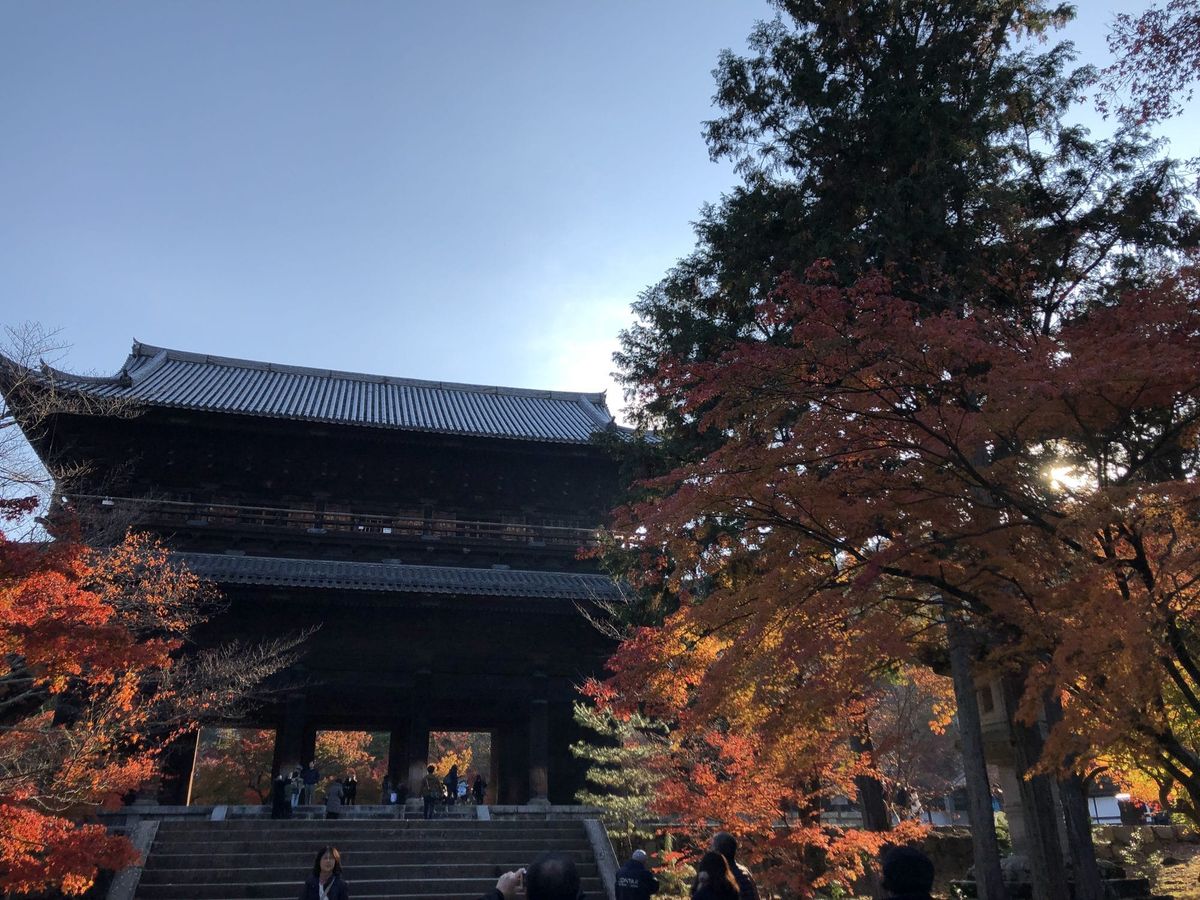
Of the hotels in Gion and Higashiyama, the Gion side is flat and transit-linked, with APA Hotel Kyoto Gion EXCELLENT (from ¥9,000) close to Gion-Shijo Station—compact rooms, but hard to beat on location value. For first-timers who want subway access with historic atmosphere, book THE HOTEL HIGASHIYAMA KYOTO TOKYU, a 4-min walk from Higashiyama Station Exit 1. For a mid-range stay near Kiyomizu-dera, NOHGA HOTEL KIYOMIZU KYOTO (from ¥14,000) sits at the base of the Higashiyama slope, 14 min on foot from the temple. The answer changes during cherry blossom and autumn foliage, when prices district-wide rise 30–80% and many properties sell out 2–4 months ahead.
Some links in this guide are affiliate links. If you book through them, we may earn a commission at no extra cost to you.
Best hotels in Gion & Higashiyama at a glance
The table below spans the full price range. All rates are starting prices; rates vary by season, with substantial increases during cherry blossom (late March–April) and autumn foliage (mid-October–November).
| Name | Area | Price range | Best for |
|---|---|---|---|
| Park Hyatt Kyoto — check rates | Higashiyama (Ninenzaka) | from ¥165,000 | Luxury couples, lane-side location |
| Banyan Tree Higashiyama Kyoto — check rates | Upper Higashiyama | from ¥110,000 | Spa, natural onsen, Noh stage |
| The Hotel Seiryu Kyoto Kiyomizu — check rates | Higashiyama | from ¥125,000 | Architecture lovers, rooftop views |
| THE HOTEL HIGASHIYAMA KYOTO TOKYU — check rates | Higashiyama | from ¥13,000 for two | First-timers, subway access |
| NOHGA HOTEL KIYOMIZU KYOTO — check rates | Higashiyama | from ¥14,000 | Design-forward mid-range |
| APA Hotel Kyoto Gion EXCELLENT — check rates | Gion | from ¥9,000 | Budget, station access |
| AKARI Kyoto Gion — check rates | Gion | from ¥7,000 | Budget, walk to Yasaka Shrine |
If you want a tatami or kaiseki experience in the same district, see ryokan in Gion and machiya in Higashiyama. For a comparison of all Kyoto base areas, read our full Kyoto area guide.
Gion vs Higashiyama: which side of the district suits you
The two sub-districts sit back to back but feel quite different on the ground. Gion occupies the flat area along the Shijo axis—centered on Hanamikoji Street and the canal-side lanes of Shirakawa. It is the geisha district, with a handful of restaurants, izakaya, and the Gion-Shijo Station (Keihan and Hankyu lines) at its western edge. Evenings here are quiet once the tour groups have left, but it is not as isolated as the upper hillside.
Higashiyama runs up the slope east of Gion, from Kiyomizu-dera in the south to Chion-in and Nanzen-ji in the north. The stone-paved lanes—Sannenzaka and Ninenzaka—fall in this zone. Hotels in upper Higashiyama are 15–25 min on foot from the nearest subway stop; you pay for that in leg effort, but you step directly onto the historic lanes at 6 a.m. before the shops have opened.
- Pick Gion if you want flat terrain, reliable transit, and some dining and bars within easy reach at night.
- Pick upper Higashiyama if your priority is being seconds from Kiyomizu-dera and the Sannenzaka steps at dawn and dusk.
Hotels closest to Kiyomizu-dera and the Sannenzaka lanes
Park Hyatt Kyoto sits directly on Ninenzaka—the cobbled lane that leads up to Kiyomizu-dera—and is the most central address in this list for temple access. The property has 70 rooms and nine suites on former temple grounds adjacent to Kodai-ji. From Gion-Shijo Station (Keihan Line), the walk is 14 min heading east and uphill; take Exit 6 for the most direct route. Rates from ¥80,000; rates vary by season.
Banyan Tree Higashiyama Kyoto opened in summer 2024 and received a MICHELIN Guide Hotel 1 Key award in 2025. The 52-room property was designed by architect Kengo Kuma on a hillside site above Kiyomizu-dera. It includes a natural onsen, Banyan Tree Spa, and a functioning Noh stage. Kiyomizu-dera temple is approximately 8 min on foot downhill; the nearest city bus stop is a 5-min walk. Rates from ¥70,000; rates vary by season.
The Hotel Seiryu Kyoto Kiyomizu occupies a preserved 1933 elementary school building. The original concrete structure—columns, corridors, and classroom proportions—has been converted into 48 rooms, and the rooftop terrace looks west over Kyomachiya rooftops toward the city. The hotel is a member of the Leading Hotels of the World. Kiyomizu-dera is roughly 10 min uphill on foot; Gion-Shijo Station is approximately 15 min downhill. Rates from ¥35,000; rates vary by season.
Hotels near Yasaka Shrine and the Gion nightlife streets
THE HOTEL HIGASHIYAMA KYOTO TOKYU operates as a Pan Pacific property with 143 rooms. It is a 4-min walk from Higashiyama Station (Keihan Tozai Subway Line, Exit 1), which gives you direct subway connections to central Kyoto without relying on buses. Yasaka Shrine is an 8-min walk west along Sanjo-dori. The larger room count means more availability during peak season compared with the boutique properties above. Rates from ¥22,000; rates vary by season.
NOHGA HOTEL KIYOMIZU KYOTO is a lifestyle-format hotel at the base of the Higashiyama slope, 14 min on foot from Kiyomizu-dera Temple. The common areas have a café-and-design aesthetic rather than a traditional one, which suits travelers who want easy access to the sights without the heritage hotel pricing. Gion-Shijo Station (Keihan) is approximately 10 min west on foot. Rates from ¥14,000; rates vary by season.
APA Hotel Kyoto Gion EXCELLENT is a compact business-hotel format close to Gion-Shijo Station. Room sizes are small—standard for APA properties—but the rooms are clean and well-equipped. For this price in this district it is hard to beat on sheer location value. Rates from ¥9,000; rates vary by season.
AKARI Kyoto Gion (formerly Kyoto Inn Gion, renamed in April 2026) is a smaller property a 7-min walk from Yasaka Shrine and a 9-min walk from Gion-Shijo Station (Keihan Line). Private bathrooms are included, and the transit links make it straightforward to reach the rest of Kyoto by rail. Rates from ¥7,000; rates vary by season.
A note on the private lanes: follow local photography rules
Several lanes in Gion—particularly around Hanamikoji and the residential backstreets south of Shijo—are private roads, not public paths. Many are posted with clear signs prohibiting photography. Some property owners have installed barriers and cameras because visitors have repeatedly photographed residents, including maiko and geiko, without consent or acknowledgment.
The expectation is simple: if you see a "no photography" sign, put the camera away entirely. Your hotel concierge can tell you which specific lanes currently have restrictions, since these are updated by residents based on visitor behavior. Checking with the hotel on arrival takes two minutes and avoids an uncomfortable situation on the street.
Visiting respectfully in a lived-in geisha district
Gion and Higashiyama are functioning residential and commercial neighborhoods. A few practical points help the visit go smoothly for everyone:
- Keep noise down after 9 p.m., particularly on the narrow backstreets. Many residents have posted signs requesting quiet hours.
- Sannenzaka and Ninenzaka are narrow and get crowded on weekend afternoons—step to the side of the lane when passing rather than stopping in the middle.
- Do not approach or follow maiko or geiko for photographs. If you see one on the street, walk past normally.
- Use designated bins for rubbish rather than leaving waste at shrine entrances or lane walls.
Visiting early in the morning (before 8 a.m.) or in the evening after 7 p.m. tends to give you the best experience of the lanes and puts less pressure on the people who live here.
Compare the picks
Rates vary by season. Book well in advance for cherry blossom season (late March–April) and autumn foliage (mid-October through November)—both periods see prices increase significantly across the district and availability becomes limited 2–3 months out.
| Name | Area | Price range | Best for |
|---|---|---|---|
| Park Hyatt Kyoto — check rates | Ninenzaka, Higashiyama | from ¥165,000 | Splurge stay directly on the historic cobblestones |
| Banyan Tree Higashiyama Kyoto — check rates | Upper Higashiyama | from ¥110,000 | Onsen, spa and Noh stage in one property |
| The Hotel Seiryu Kyoto Kiyomizu — check rates | Higashiyama | from ¥125,000 | Converted schoolhouse architecture, rooftop terrace |
| THE HOTEL HIGASHIYAMA KYOTO TOKYU — check rates | Higashiyama | from ¥13,000 for two | Full-service, direct subway access at Exit 1 |
| NOHGA HOTEL KIYOMIZU KYOTO — check rates | Higashiyama | from ¥14,000 | Mid-range lifestyle design near Kiyomizu-dera |
| APA Hotel Kyoto Gion EXCELLENT — check rates | Gion | from ¥9,000 | Budget, best station proximity in the district |
| AKARI Kyoto Gion — check rates | Gion | from ¥7,000 | Budget with private bathrooms near Yasaka |
Practical tips: hills, buses vs walking, autumn and cherry-blossom pricing
Terrain: The Gion side—Hanamikoji, Shirakawa canal—is flat. Everything above Maruyama Park climbs steeply. If you have heavy luggage, check with your hotel before arrival: some properties above Sannenzaka have no vehicle access to the front door and require guests to walk the final stretch. A few hotels offer porter assistance from a nearby drop-off point; confirm this when booking.
Getting around:
- Gion-Shijo Station (Keihan Line) serves the south Gion area and is the most useful rail access for most of the properties in this guide.
- Higashiyama Station (Keihan Tozai Subway Line, Exit 1) covers the central Higashiyama strip along Sanjo-dori and is 4 min on foot from THE HOTEL HIGASHIYAMA KYOTO TOKYU.
- City Bus routes 100 and 206 run along Higashiyama-dori and stop near most of the major temple entrances. Avoid buses during peak foliage and blossom season, when they run slow and overcrowded. Walking between Gion and Kiyomizu-dera—roughly 25 min, mostly uphill—is often faster than waiting for a bus on busy days.
Luggage storage: There are coin lockers at Gion-Shijo Station (Keihan), but the supply is limited. Most hotels in this area store bags before check-in and after check-out; confirm this directly when booking if it matters to your schedule.
Booking windows: Cherry blossom (late March–April) and autumn foliage (mid-October through November) are the two pressure points. Prices across the district climb 30–80% above off-peak rates during those windows, and many properties sell out 2–4 months ahead. June, early July, and February offer the best combination of availability and rates if your dates are flexible.
For the full picture on all Kyoto base options, see our full Kyoto area guide.
At the northern edge of Higashiyama, a 2-min walk from Keage Station Exit 2, there is also a ryokan you would not find by searching for one. Kasui-en is the twelve-room annex of The Westin Miyako Kyoto, designed by Togo Murano in 1959 and reopened in 2020 after a renovation that doubled the room size; our review sets it against the hotel's main building.
FAQ: Hotels in Gion & Higashiyama
Which is better for a first-time visitor: Gion or Higashiyama?
For a first visit, the lower Higashiyama hotels — particularly THE HOTEL HIGASHIYAMA KYOTO TOKYU (from ¥22,000) — offer the best balance of historic atmosphere and practical access. You get direct subway access at Higashiyama Station, a 4-min walk from the hotel, and you are still within walking distance of the main sightseeing lanes. Upper Higashiyama properties like Park Hyatt Kyoto and Banyan Tree are deeper in the hills, which means more atmosphere but a longer walk to any station.
When should I book hotels in Gion and Higashiyama for cherry blossom or autumn foliage?
Book two to four months ahead for cherry blossom season (late March through April) and autumn foliage season (mid-October through November). Prices in this district rise 30–80% above off-peak rates during those windows, and properties sell out faster here than in the Kyoto Station area. For the best combination of availability and reasonable rates, June, early July, and February are the most flexible months.
Are there budget hotels in Gion or Higashiyama?
APA Hotel Kyoto Gion EXCELLENT (from ¥9,000) and AKARI Kyoto Gion (from ¥7,000) are the most affordable options covered in this guide. Both are in the Gion sub-district, confirmed operating as of our July 2026 check. Budget rooms in upper Higashiyama are rare — the lane-side properties in that area skew significantly toward the luxury tier. If budget is the primary constraint, comparing these Gion options against hotels near Kyoto Station is worth doing.
How do I get to Gion and Higashiyama by public transit?
The most useful station for the southern part of the district is Keihan Gion-Shijo Station — use Exit 6 for Hanamikoji Street and the start of Higashiyama. For the central Higashiyama strip along Sanjo-dori, use Higashiyama Station on the Tozai Subway Line (Exit 1). During peak foliage and blossom season, the city buses (routes 100 and 206) run slow and overcrowded; walking between Gion and Kiyomizu-dera — roughly 25 minutes, mostly uphill — is often faster on busy days.
Trip Essentials for Kyoto
Things worth booking before you land, all in English:
- eSIM — Airalo's Japan eSIM: install it at home and data works as soon as you switch off airplane mode at Kansai Airport.
- Airport transfer — Klook covers bus, train, and private transfers from Kansai Airport.
- Luggage storage — arriving before check-in? Radical Storage takes bags at shops near Kyoto Station for a flat daily rate.
- Tickets and day trips — Klook covers Arashiyama activities, tea ceremonies, and Nara day trips; booking ahead skips the ticket-window line.
Information audit: Last fact-checked July 2026 · Prices checked July 2026 (all rates are “from” floors that vary by season) · How this guide was researched: hotel facilities, prices and access details are verified against official and primary sources; we have not personally stayed at every property listed. The author was born in Kyoto · How this site verifies information: About NipponStays.