Machiya Stays in Central Kyoto: Townhouses Near Kawaramachi
Best machiya stays in central Kyoto near Nishiki Market and Kawaramachi: verified whole-house townhouses and boutique picks, with prices and self-check-in tips.
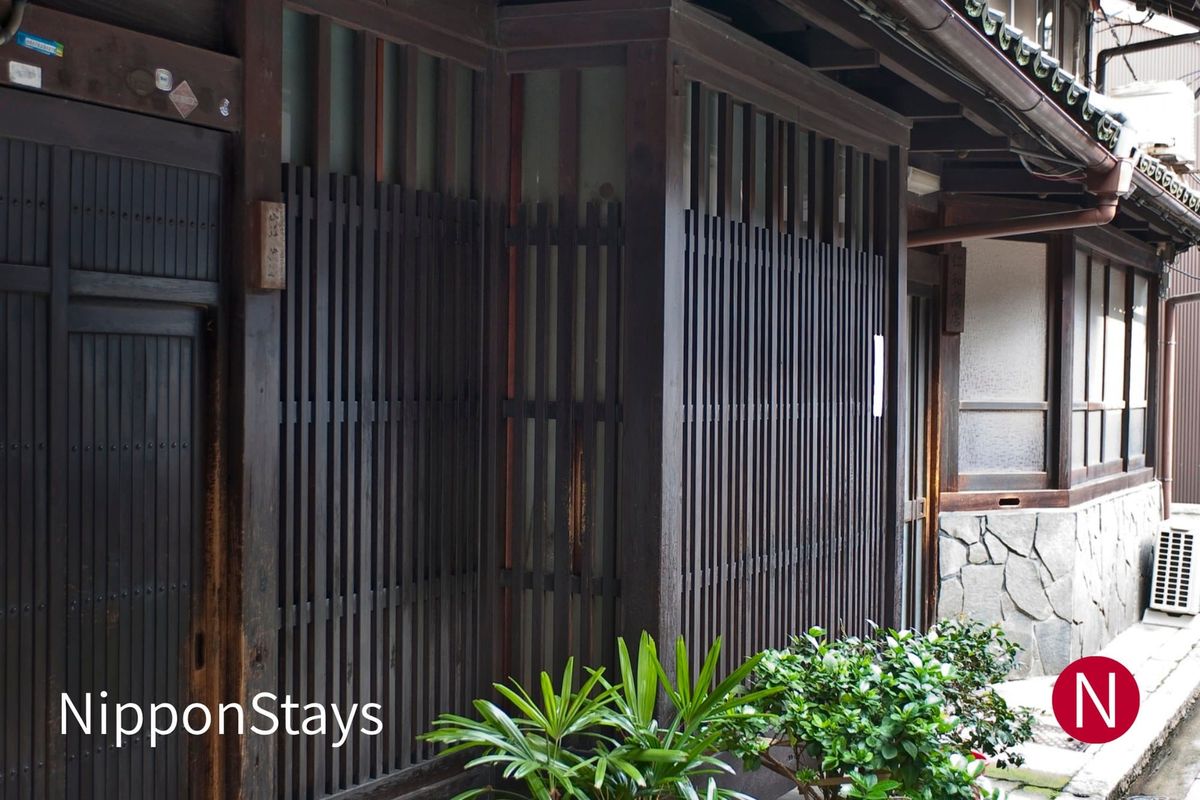
Central Kyoto is where the eating happens — Nishiki Market, the Pontocho laneway, ramen counters on Kawaramachi — and machiya stays in central Kyoto let you walk home after dinner rather than navigate a night bus. A machiya is a restored wooden townhouse: you rent the whole building, keep a traditional lattice facade out front, sleep in tatami rooms, and never share a corridor with a stranger at 6 a.m. This guide covers four verified options around Shijo, Karasuma and the Nishiki area that were confirmed operating as of 2024–2025.
Some links in this guide are affiliate links. If you book through them, we may earn a commission at no extra cost to you.
For a primer on how the machiya format works — self-check-in, house rules, the no-front-desk reality — see our guide on how machiya stays work. For standard hotels in the same area, see downtown hotels nearby. For a broader overview of all Kyoto base options, see our full Kyoto area guide.
Of the 4 machiya stays in central Kyoto covered below, 3 include in-unit laundry and 2 have a private yard or garden, with whole-house rates starting from ¥25,000 per night (checked July 2026).
Best central-Kyoto machiya at a glance
| Name | Area | Price range | Best for |
|---|---|---|---|
| THE MACHIYA Ebisuya | Kawaramachi / Gion fringe | from ¥18,000 per room; varies by season | Couples wanting machiya atmosphere with hotel service and breakfast |
| Asagi-an (Machiya Residence Inn) | Shijo / Nishiki (Shimogyo-ku) | from ¥28,000 whole house; varies by season | Small families or groups of 4–6 wanting a private house close to Nishiki |
| Yotsuki (Machiya Residence Inn) | Nakagyo / Omiya | from ¥25,000 whole house; varies by season | Groups needing downtown access plus Hankyu line connections west |
| Kyoto Machiya Fukune | Nishi-Rokkaku / Karasuma Oike | from ¥85,000 per unit for two; varies by season | Couples or small families wanting a private yard and deep soaking tub |
Why a downtown machiya: whole-house privacy within walking distance of dining and Nishiki
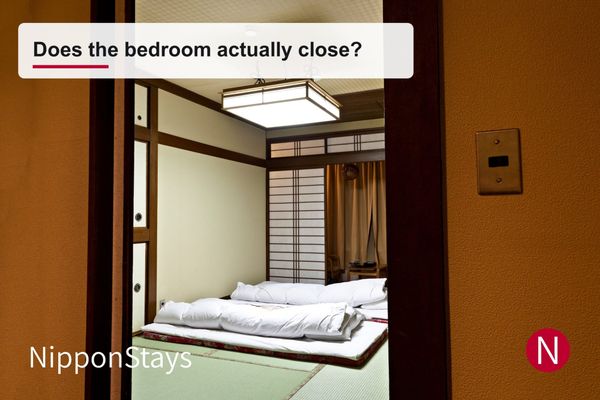
The argument for a central machiya over a business hotel comes down to two things: space and ownership of your schedule. You get a two-storey wooden building to yourself — a kitchen, a washing machine, rooms that feel like rooms rather than compartments. Nobody knocks on your door at 8 a.m. with towels.
The central Kyoto location adds another layer. Nishiki Market is a 10-min walk from most of these properties, and with a kitchen to hand our guide to what to buy at Nishiki Market is worth a look. Pontocho is five minutes beyond that, and the Kawaramachi and Shijo shopping streets give you convenience stores and late-night ramen at any hour. The Shijo-Karasuma bus grid connects to Gion, Fushimi Inari, and Arashiyama without a transfer — most journeys take 30 to 50 minutes from this base.
Pricing works in your favour as group size increases. A whole-house machiya at from ¥28,000 per night shared among four people is around ¥7,000 each — in the same range as a mid-tier hotel room, but with a kitchen, a living room, and no shared walls with other guests. That equation only improves for five or six people.
Machiya around Shijo, Karasuma and the Nishiki area
THE MACHIYA Ebisuya operates from a converted machiya building roughly 5-min walk from Kawaramachi Street and 6-min walk from Shijo Street. It runs 30 individually decorated rooms rather than renting the whole building, so it functions more like a boutique hotel — an ensuite bathroom, yukata, and machiya architectural details in each room, plus breakfast prepared by in-house chefs. If you want the aesthetic without managing sole-occupancy logistics (no front desk, self-check-in, rubbish-day rules), this is the practical option. Rates start from ¥18,000 per room, varying significantly by season. Check rates at THE MACHIYA Ebisuya.
Asagi-an, managed by Machiya Residence Inn, is a three-bedroom whole-house rental set a 2-min walk from Shijo Street in Shimogyo-ku, right in the Nishiki Market and Shijo district. The interior takes its name from the traditional 'asagi' turquoise blue worked into the design. The house sleeps up to six people and includes a private entrance and garden. Check-in is handled at the Machiya Residence Inn central office before you head to the property. Check rates at Asagi-an.
Kyoto Machiya Fukune is a cluster of five individual units near Nishi-Rokkaku, a 10-min walk from Karasuma Oike Station on the Karasuma and Tozai subway lines. Each unit was converted from a Meiji-era building and has two bedrooms, a private yard, an all-in-one washer/dryer, and a deep soaking tub. The properties retain their original lattice frontage on a quiet residential street. Check rates at Kyoto Machiya Fukune.
Yotsuki is another Machiya Residence Inn property, sitting in Nakagyo-ku near Omiya Station on the Hankyu Kyoto Line. The Hankyu connection is a genuine plus: it gives you a direct line to Arashiyama (change at Katsura) and onward to Osaka without using the busy Karasuma subway. The downtown core is a bus or taxi ride east. Check rates at Yotsuki.
Family- and group-sized townhouses: kitchens and multiple rooms
Three-bedroom options let a family or small group travel together without either cramming into a single hotel room or booking two separate rooms across a corridor. Key features to look for in central-Kyoto machiya:
- Kitchen: Most whole-house machiya have at least a basic kitchen with a rice cooker, IH burner, and utensils. Asagi-an and Yotsuki are confirmed to include kitchen setups; verify the exact equipment when booking if cooking is important to you.
- Washing machine: All Machiya Residence Inn properties and Kyoto Machiya Fukune include in-unit laundry. For stays of three or more nights this removes the need to pack as much.
- Private yard or garden: Asagi-an and Kyoto Machiya Fukune both have private outdoor space — useful for families with children who need somewhere to sit after a long temple day.
- Bedrooms and sleeping capacity: Asagi-an sleeps up to six across three bedrooms. Kyoto Machiya Fukune units have two bedrooms suitable for two adults or a couple with one or two children. Yotsuki has multiple bedrooms; confirm the exact layout when reserving.
If your group is larger than six, the Machiya Residence Inn platform has additional central-Kyoto listings beyond the two covered here. Filter by bedroom count and location on their site to find the right fit.
Being a quiet neighbour in a residential block
Central machiya sit in working residential blocks, not purpose-built tourist precincts. The properties stay open because operators maintain relationships with their neighbours, and that depends on guests behaving accordingly. Practical points worth treating as firm rules:
- Rubbish collection: Your welcome guide specifies collection days and the correct rubbish-separation bags. Follow the schedule exactly. Leaving bags out on the wrong day is the most common source of neighbourhood friction.
- Quiet hours: Most properties enforce quiet after 10 p.m. or 11 p.m. Wooden townhouses transmit sound between floors and through walls effectively; conversations that feel indoor-volume to you may be clearly audible next door.
- No smoking indoors: Virtually all central machiya are entirely non-smoking inside. The old wooden structure makes this a hard rule, not a preference.
- Shared lanes: If your unit opens onto a shared residential lane, walk rather than cycle along it, and keep group noise down after dark. The lane belongs to the neighbours as much as to you.
Treating the property as a guest in someone's neighbourhood — not as a hotel room you've paid for and can use as you like — is both the right approach and the reason machiya conversions have continued to operate rather than face community pressure to close.
Compare the machiya
| Name | Area | Price range | Best for |
|---|---|---|---|
| THE MACHIYA Ebisuya | Kawaramachi / Gion fringe | from ¥18,000 per room; varies by season | Couples wanting machiya atmosphere with hotel breakfast and staff on-site |
| Asagi-an | Shijo / Nishiki (Shimogyo-ku) | from ¥28,000 whole house; varies by season | Groups of 4–6 wanting the best central location and a private house |
| Yotsuki | Nakagyo / Omiya (Hankyu line) | from ¥25,000 whole house; varies by season | Groups who also want Hankyu line access toward Arashiyama and Osaka |
| Kyoto Machiya Fukune | Nishi-Rokkaku / Karasuma Oike | from ¥85,000 per unit for two; varies by season | Couples or small families who want a private yard and soaking tub |
Practical tips: self-check-in, minimum nights, luggage, season pricing
Self-check-in procedures differ by operator. Machiya Residence Inn properties — Asagi-an and Yotsuki — have you collect keys from the company's central check-in office before heading to the property; the office is near the Kyoto Station area, so factor that into your arrival plan. THE MACHIYA Ebisuya has a staffed front desk on-site. Kyoto Machiya Fukune uses either a keybox or a meet-at-property arrangement — confirm the exact method when you book, especially if you're arriving late.
Minimum nights: Most whole-house machiya require a two-night minimum. During Golden Week, cherry blossom (late March to mid-April), and autumn foliage (November), some operators raise this to three nights. If you need a single night, THE MACHIYA Ebisuya operates like a hotel and is the practical option.
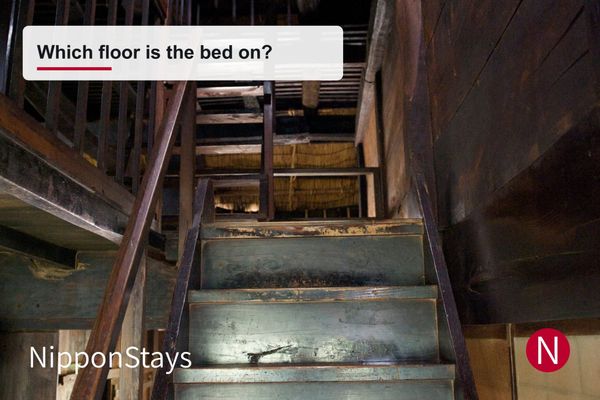
Luggage logistics: Traditional machiya have narrow staircases and no lift. Large suitcases can be awkward. Two good options: use a takkyubin (luggage courier) service from your previous hotel or the airport to ship bags directly to the property address on the day of check-in, or leave luggage in Kyoto Station coin lockers until your key-collection window. Confirm the earliest access time with the operator before you arrive.
Season pricing and booking windows: Central Kyoto machiya prices are subject to the same demand surges as everything else in the city. A whole-house property running from ¥25,000 on a standard autumn weeknight can reach ¥50,000 or above during peak foliage weekend. Cherry blossom and autumn foliage are the two critical periods. For those dates, three to four months of lead time is realistic. Check the cancellation policy carefully — most machiya operators apply stricter terms than hotel chains, with no-refund windows starting 30 days or more before arrival.
FAQ: machiya stays in central Kyoto
What exactly is a machiya and how does it differ from a hotel?
A machiya is a restored traditional wooden townhouse — you rent the entire building rather than a single room. There is no front desk or concierge; access is typically via keybox or self check-in. You get tatami rooms, a kitchen, and often a private yard. THE MACHIYA Ebisuya is the exception here, operating 30 individually decorated rooms like a boutique hotel with in-house staff and breakfast.
Which central Kyoto machiya is best for a family of four?
Asagi-an (Machiya Residence Inn) is the strongest family option: a three-bedroom whole-house rental sleeping up to six, a 2-min walk from Shijo Street, with a private entrance and garden. Kyoto Machiya Fukune is a close second — two-bedroom units with a private yard and in-unit washer/dryer, ideal if you need laundry on a longer stay. Ebisuya starts from around ¥21,000 per night, which works out to about ¥5,000 per person for a group of four; Fukune is the more expensive of the two at around ¥85,000 (both checked September 2026).
Do whole-house machiya in central Kyoto include breakfast?
No — Asagi-an, Yotsuki, and Kyoto Machiya Fukune are all self-catering. You use the in-unit kitchen or walk to a nearby konbini or Nishiki Market (within 10 min of most properties). THE MACHIYA Ebisuya is the only option in this guide that provides breakfast prepared by in-house chefs. Confirm the exact inclusions on the booking page before you finalise, as plans occasionally vary by room type.
Is a two-night minimum required at most machiya?
Yes, most whole-house machiya require a two-night minimum stay, rising to three nights during Golden Week, cherry blossom (late March to mid-April), and autumn foliage (November). If you need a single night, THE MACHIYA Ebisuya is the practical option as it operates on standard hotel booking terms. Always check the cancellation policy — many machiya operators apply stricter terms than hotel chains, with no-refund windows beginning 30 days or more before arrival.
Trip Essentials for Kyoto
Things worth booking before you land, all in English:
- eSIM — Airalo's Japan eSIM: install it at home and data works as soon as you switch off airplane mode at Kansai Airport.
- Airport transfer — Klook covers bus, train, and private transfers from Kansai Airport.
- Luggage storage — arriving before check-in? Radical Storage takes bags at shops near Kyoto Station for a flat daily rate.
- Tickets and day trips — Klook covers Arashiyama activities, tea ceremonies, and Nara day trips; booking ahead skips the ticket-window line.
Information audit: Last fact-checked July 2026 · Prices checked July 2026 (all rates are “from” floors that vary by season) · How this guide was researched: hotel facilities, prices and access details are verified against official and primary sources; we have not personally stayed at every property listed. The author was born in Kyoto · How this site verifies information: About NipponStays.