Hotels Near Goryokaku: Stay by the Star Fort
Hotels near Goryokaku, compared by walk time to the star fort and tower, with verified rates and the Honcho business-district trade-offs.
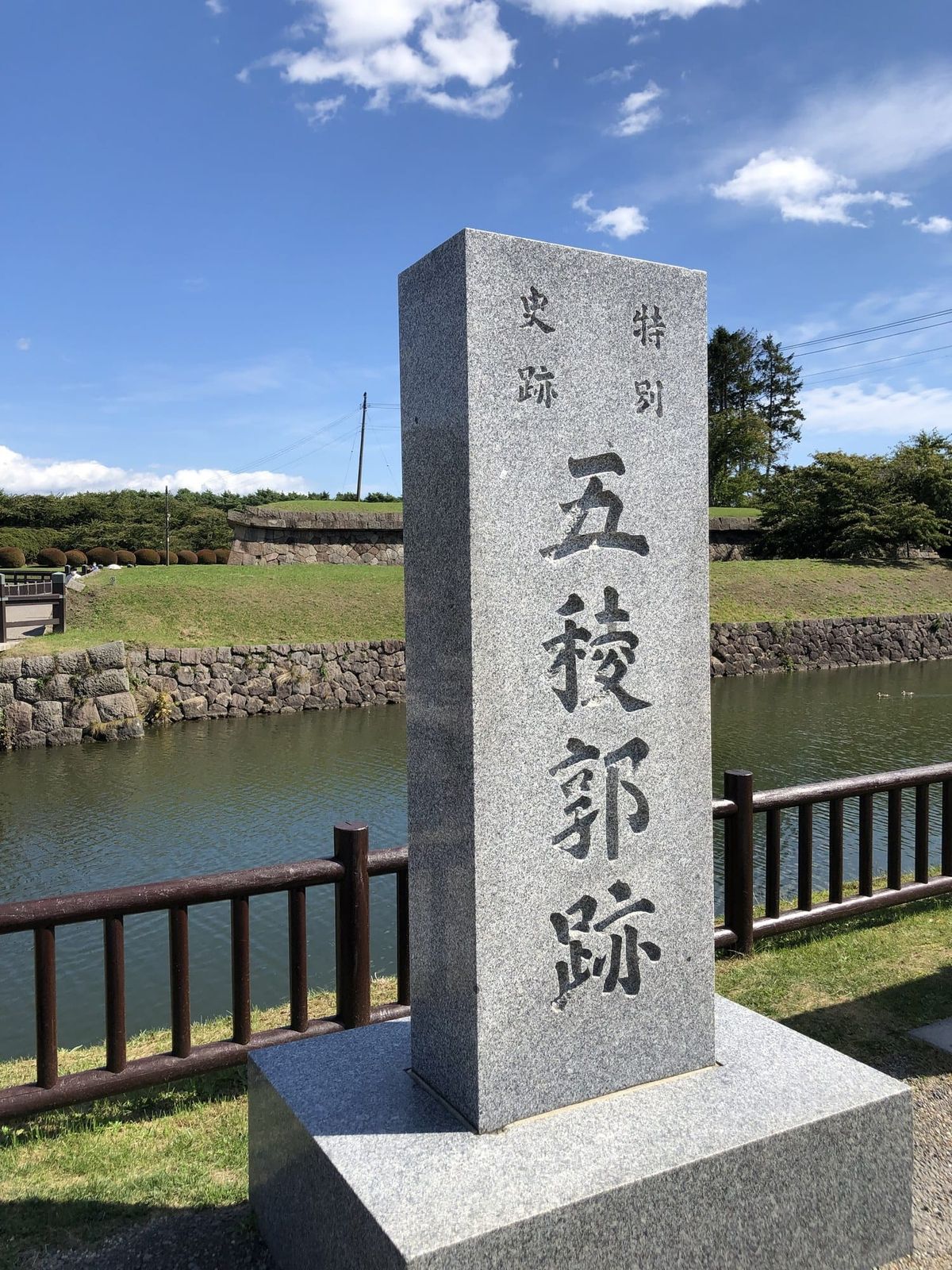
The best hotels near Goryokaku are Hotel Mystays Hakodate Goryokaku (from ¥5,500, varies by season), a 1-min walk to the park edge with tram access right outside, and Hotel BRS Hakodate Goryokaku Tower Mae (from ¥5,000), the closest stay to the tower entrance. This base puts you 3 km and a 16-min tram ride from Hakodate Station — worth it if Goryokaku's star-shaped moat or the April cherry blossoms are your priority, but pick a station or bayside hotel instead if the morning market or the Mt. Hakodate ropeway is the main draw.
Of the 4 hotels in this guide, all sit within a 15-min walk of the Goryokaku park entrance, with low-season rates ranging from ¥4,500 to ¥5,500 per night (checked July 2026).
Hotels Near Goryokaku: The Short Answer
If you are looking for hotels near Goryokaku, the fort's star-shaped moat sits in a business-and-residential district about 3 km northeast of Hakodate Station, reached by a 16-min tram ride (Route 2 or 5 toward Yunokawa) or a 20-min walk. Staying right by the park puts you a short walk from the tower and the moat-side cherry trees, but it also puts you 20-30 minutes by tram from the bayside warehouses, the morning market, and the Mt. Hakodate ropeway station. I'd pick this base if Goryokaku and the Honcho business district are your priority, or if you want a calmer, more residential feel than the station or bayside areas offer.
Some links in this guide are affiliate links. If you book through them, we may earn a commission at no extra cost to you.
The area works especially well for two kinds of trips: a short business stay near the prefectural and city offices clustered around Honcho, and a spring visit timed to the roughly 1,500 Somei Yoshino cherry trees planted around the moat. Below is a shortlist of hotels I've checked against current listings, followed by what the fort actually is, how the walk and tram times break down, and when this base makes more sense than the station or bayside.
Hotels Near Goryokaku at a Glance
| Name | Area | Price range | Best for |
|---|---|---|---|
| Hotel Mystays Hakodate Goryokaku — check rates | Goryokaku-koen-mae, 1-min walk to the park edge | from ¥5,500, varies by season | Fort-front views, tram right outside |
| Hotel BRS Hakodate Goryokaku Tower Mae — check rates | Facing the tower, 3-min walk | from ¥5,000, varies by season | Closest stay to the tower entrance |
| Smile Hotel Premium Hakodate Goryokaku — check rates | Honcho, 6-min walk | from ¥4,500, varies by season | Business-district base, newer rooms |
| LC Goryokaku Hotel — check rates | Goryokaku district, 15-min walk | from ¥5,200, varies by season | Budget stay with breakfast and sauna |
These are low-season floors and will run higher during Golden Week, the April cherry blossom period, and the Hakodate Goryokaku Festival in May. Book early if your dates fall in either window.
What Goryokaku Actually Is
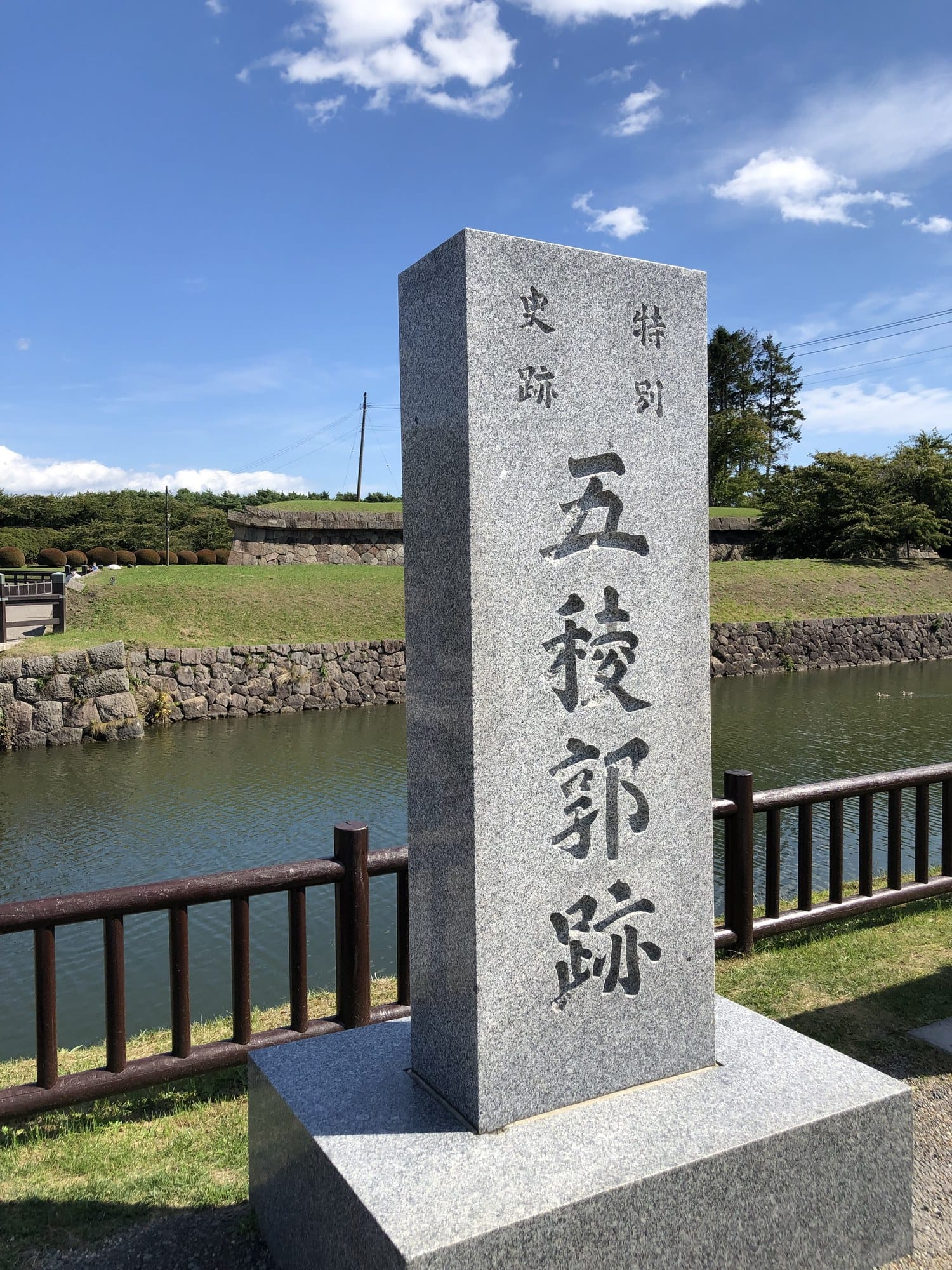
Goryokaku is Japan's first Western-style star fort, built by the Edo shogunate to house the Hakodate magistrate's office once the port opened to foreign trade in the 1850s. Construction started in 1857 and the five-pointed, moated design was substantially complete by 1866. It was designed by Takeda Ayasaburo, a scholar of Western learning (rangaku) who worked from European fortification texts to lay out the star shape, which lets defenders cover the walls with overlapping fields of fire and removes the blind spots a traditional Japanese castle wall would have.
The fort's best-known moment came in 1868-1869, when former shogunate naval forces under Enomoto Takeaki sailed north, took Hakodate, and made Goryokaku the headquarters of the short-lived Republic of Ezo. A small number of French military advisors — sent earlier to train the shogunate's army, not to design the fort — stayed on and fought alongside Enomoto's forces, including Jules Brunet, who served under Enomoto during what became the Battle of Hakodate. The Meiji government's siege of Goryokaku in May 1869 ended the fighting and closed out the Boshin War, Japan's last large-scale civil conflict of the shogunate era.
Today the fort is a public park with the original moat, reconstructed magistrate's office building, and the separate 107 m Goryokaku Tower next door, whose observation deck (open 9:00-18:00, extended hours in the April-October season, adult admission ¥1,200) gives you the full five-pointed outline from above — the view the ground-level moat walk cannot give you.
Getting to Goryokaku From Each Hotel
From Hakodate Station, the tram (Route 2 or Route 5 toward Yunokawa) to the Goryokaku-koen-mae stop takes about 16 minutes and costs ¥230. From that stop it's roughly a 10-min walk to the tower entrance and a shorter walk to the nearest moat edge. If you are staying at the station or bayside instead and want a day trip out to the fort, budget close to 30 minutes door to door each way once you add the walk on both ends.
Staying at one of the hotels above collapses that trip to a few minutes. Hotel Mystays sits directly across from the park's edge — about a 1-min walk to the moat, closer to 10 minutes if your goal is specifically the tower entrance on the far side. Hotel BRS, true to its "Tower Mae" name, is a 3-min walk from the tower itself. Smile Hotel Premium and LC Goryokaku Hotel are both a short walk further out, in the quieter Honcho residential streets, which trades a few extra minutes for lower rates.
Which Hotel Fits Which Trip
For a short business trip to the city or prefectural offices around Honcho, Smile Hotel Premium Hakodate Goryokaku is the practical pick — a newer 190-room property a 6-min walk from the tower, with a buffet breakfast available for an extra charge and no resort-style extras to pay for that you won't use on a one- or two-night work trip.
For a cherry blossom trip, timing and proximity both matter. Hakodate's cherry blossom season typically runs from late April into early May, and Goryokaku is the city's best-known viewing spot, with close to 1,500 Somei Yoshino trees ringing the moat and framing the reconstructed magistrate's building. Hotel Mystays Hakodate Goryokaku, a 1-min walk to the park edge, lets you get out for an early walk along the moat before the day-trip crowds arrive from the station side, and lets you come back for a second look after the tower's evening light show without a tram ride home.
If your budget is tighter, LC Goryokaku Hotel is worth the extra walk. It includes a bento-box breakfast, a Finnish-style sauna, and rates from around ¥5,200 in the off-season — genuinely competitive for a 119-room hotel in this part of the city, even at 15 minutes from the park.
Hotel BRS Hakodate Goryokaku Tower Mae is the tightest fit if the tower's observation deck itself — not just the park — is your main reason for the trip. At a 3-min walk, you can time an early or late visit around the light and crowd levels without wasting travel time either way.
What This Base Trades Off
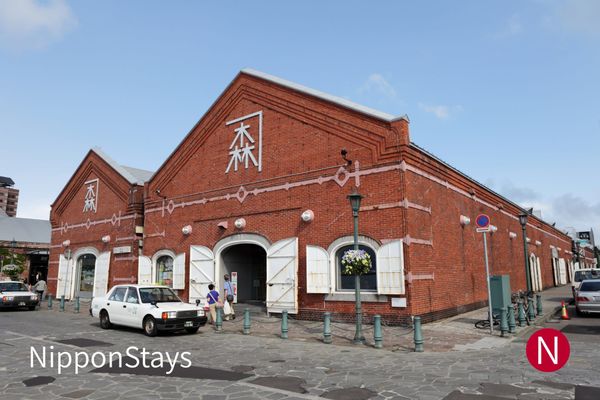
Staying by Goryokaku means giving up the walkable convenience of the bayside warehouse district and the morning market's live-squid stalls, both of which sit closer to Hakodate Station and the harbor. From any of the hotels above, plan on a 20- to 30-minute tram ride to reach the bayside area or the base of the Mt. Hakodate ropeway — workable for a day trip, but not something you'll want to do more than once or twice per stay. If bayside sights and the morning market are your main draw, our guide to hotels near Hakodate Station covers the more central alternative.
The Goryokaku area also empties out earlier at night than the station or bayside districts — restaurant options in Honcho thin out after around 21:00, so this is a better fit for travelers who want quiet evenings over late izakaya hopping. Rates quoted above are low-season floors; expect noticeably higher prices during the cherry blossom period, the May Goryokaku Festival, and Japanese Golden Week, so book those dates well ahead. For a full rundown of how this base compares to staying at the station, the bayside, or near the ropeway, see our where to stay in Hakodate guide.
Goryokaku Hotels: Final Comparison
| Name | Area | Price range | Best for |
|---|---|---|---|
| Hotel BRS Hakodate Goryokaku Tower Mae | Facing the tower, 3-min walk | from ¥5,000, varies by season | Closest stay to the tower entrance |
| Hotel Mystays Hakodate Goryokaku | Goryokaku-koen-mae, 1-min walk to the park edge | from ¥5,500, varies by season | Cherry blossom season, tram right outside |
| Smile Hotel Premium Hakodate Goryokaku | Honcho, 6-min walk | from ¥4,500, varies by season | Short business trips near Honcho |
| LC Goryokaku Hotel | Goryokaku district, 15-min walk | from ¥5,200, varies by season | Budget stay, breakfast and sauna included |
Trip Essentials for Hakodate
Things worth booking before you land, all in English:
- eSIM — Airalo's Japan eSIM: install it at home and data works as soon as you switch off airplane mode at Hakodate Airport. Comparing providers? See our Japan eSIM guide.
- Tickets and day trips — Klook covers Mount Hakodate ropeway tickets and Hokkaido rail passes; booking ahead skips the ticket-window line.
FAQ
How do I get to Goryokaku from Hakodate Station?
Take the tram (Route 2 or Route 5 toward Yunokawa) from the station front to the Goryokaku-koen-mae stop, about 16 minutes and ¥230, then walk roughly 10 minutes to the tower entrance. A bus option runs a similar route and time for ¥280.
Did the French design Goryokaku?
No. The star-fort layout was designed by Takeda Ayasaburo, a Japanese scholar of Western military texts, with construction running from 1857 to 1866. French military advisors, including Jules Brunet, had been sent earlier to train the shogunate's army and later fought alongside former shogunate forces at Goryokaku during the 1868-1869 Battle of Hakodate — but they did not design the fort itself.
Is it worth staying near Goryokaku instead of the station or bayside?
It depends on your priorities. Choose Goryokaku if the fort, the tower, and a quieter residential base matter most to you, especially during cherry blossom season. Choose the station or bayside if the morning market, warehouse district, and ropeway access matter more — see our Hakodate vs Sapporo guide if you're also weighing which Hokkaido city to base in first.
When are the cherry blossoms at Goryokaku?
Typically late April into early May, with close to 1,500 Somei Yoshino trees around the moat. Exact bloom dates shift year to year — check current forecasts before booking your travel dates.
What does the Goryokaku Tower observation deck cost?
Adult admission is ¥1,200. The deck is open 9:00-18:00 daily, with extended hours during the April-October season. Last admission is 10 minutes before closing.
Can I walk to Goryokaku from Hakodate Station instead of taking the tram?
Yes, it's roughly a 20-minute walk from the station to the park, but most visitors find the tram faster and simpler, especially with luggage.
Information audit: Last fact-checked July 2026 · Prices checked July 2026 (all rates are “from” floors that vary by season) · How this guide was researched: hotel facilities, prices and access details are verified against official and primary sources; we have not personally stayed at every property listed. The author has traveled in this area personally; original photographs on this site are from those trips · How this site verifies information: About NipponStays.