Best Restaurants in Kagoshima: Unagi, Kurobuta & Tenmonkan Eats
Kagoshima is Japan's top unagi producer. Find the best eel and kurobuta black pork restaurants in Tenmonkan, plus practical booking tips.

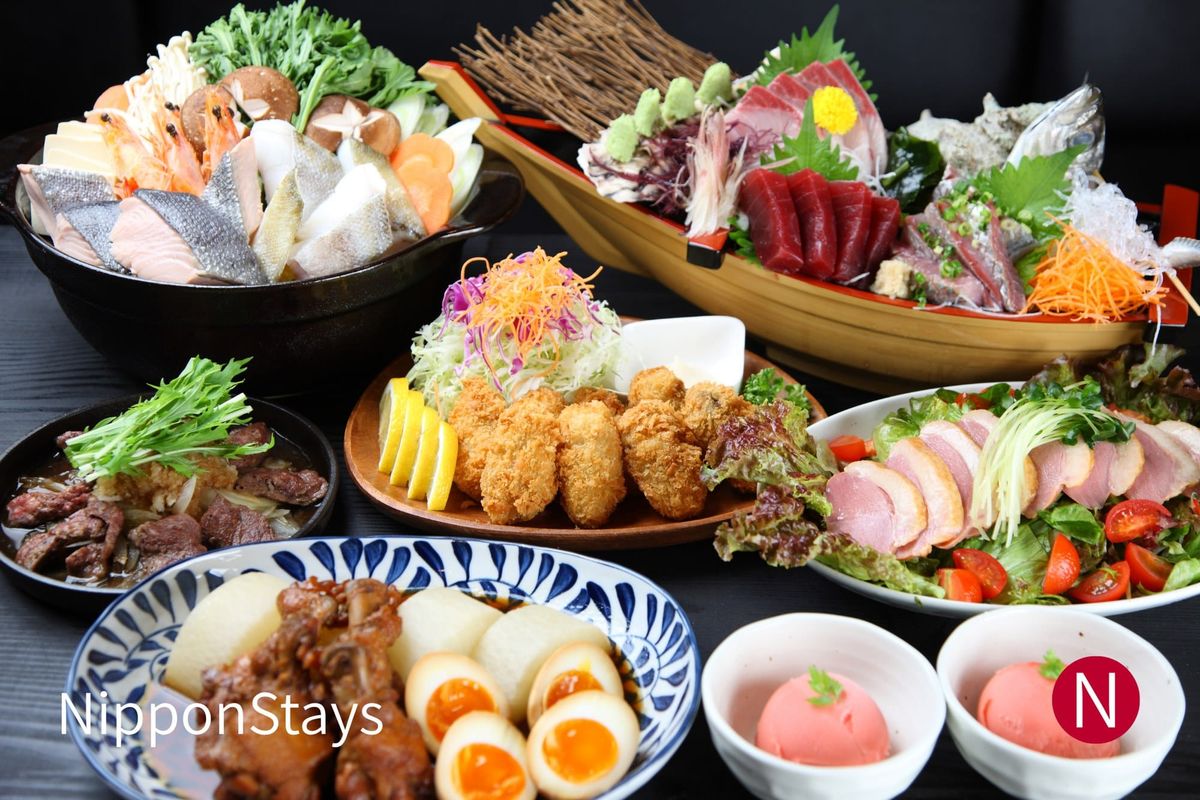
The best restaurants in Kagoshima are built around two ingredients: Osumi-raised unagi (grilled eel) and Kagoshima Kurobuta black pork. For eel, Unagi no Sueyoshi in Tenmonkan is the most-cited specialist, with dinners from ¥3,000 — arrive by 6 pm or risk a sell-out. For kurobuta, Kurobuta Fukuya Honten (from ¥2,000) handles both shabu-shabu and tonkatsu at lunch without a reservation. Both areas are a 7-min tram ride from Kagoshima-Chuo Station on Line 2; if weekend dinner is your priority, book ahead for Sueyoshi or the answer changes to walk-in-friendly Miyoshi instead.
Of the 4 specialist restaurants covered in this guide, 2 focus on unagi (from ¥2,500) and 2 on Kurobuta black pork (from ¥2,000), all within a 5-min walk of Tenmonkan-dori tram stop (checked July 2026).
The short answer: come for unagi, stay for kurobuta
The best restaurants in Kagoshima are built around two local pillars: unagi (grilled eel) and Kurobuta black pork. Kagoshima Prefecture produces more farmed eel than any other prefecture in Japan, accounting for roughly 40% of the national harvest. Pair that with Kagoshima Kurobuta — a Berkshire-breed black pork raised on sweet potato — and you have the core of a serious food trip. Both are concentrated in and around the Tenmonkan arcade, a 7-min tram ride from Kagoshima-Chuo Station.
Some links in this guide are affiliate links. If you book through them, we may earn a commission at no extra cost to you.
If you are based at Kagoshima-Chuo Station, dinner in Tenmonkan is a straight 7-min tram ride on Line 2. Trams run until around 11 pm, so you have time for a proper meal before the last service. If you are already staying in Tenmonkan, the top eel and kurobuta houses are a 5-min walk.
| Name | Area | Price range | Best for |
|---|---|---|---|
| Unagi no Sueyoshi | Tenmonkan | from ¥3,000 | Classic Osumi eel, binchotan grill |
| Unagi no Miyoshi | Tenmonkan | from ¥2,500 | 80-year institution, value unadon |
| Kurobuta Fukuya Honten | Tenmonkan-dori | from ¥2,000 | Tonkatsu and shabu-shabu, 2-min walk from tram |
| Kurobuta Ryori Ajimori | Tenmonkan | from ¥3,500 | Traditional shabu-shabu, large groups |
| Hotel near Tenmonkan — e.g. Daiwa Roynet Hotel Kagoshima Tenmonkan Premier | Tenmonkan | from ¥7,000 | Dinner-first base, walk to restaurants |
Rates vary by season and availability. The comparison table above shows verified operating establishments as of 2024–2025.
Unagi: Kagoshima's headline dish
Kagoshima Prefecture is Japan's leading producer of farmed unagi, with the Osumi Peninsula — particularly around Shibushi City — accounting for the bulk of output. The clean aquifer water of the volcanic Shirasu Plateau creates ideal farming conditions, and the result is eel with a cleaner, less muddy flavour than you may have encountered elsewhere.
In Kagoshima, unagi is typically served in the Kansai style: grilled directly without steaming, giving the skin a slightly crispier finish. The tare (sauce) tends to be richer and a touch sweeter than the Tokyo version. You will find it on menus as:
- Unadon — grilled eel over rice in a lacquered bowl
- Unaju — the same, served in a tiered lacquer box (usually a tier or two pricier)
- Shirayaki — eel grilled without sauce, for dipping in salt or wasabi
Unagi no Sueyoshi
The most-cited eel specialist in central Kagoshima. Sueyoshi uses only Osumi-raised live eel, grilled over binchotan charcoal. The kitchen closes when the day's eel is sold, so arrive by 6 pm on weekdays or queue risk a turnaway. Closed the first and third Tuesday of each month; confirm before going. Located in the Tenmonkan area, roughly a 5-min walk from Tenmonkan-dori tram stop.
Unagi no Miyoshi
Established more than 80 years ago and still serving in the heart of Tenmonkan. The unadon here is the straightforward version — eel, rice, lacquer bowl, done — at a price point accessible to most budgets. No fireworks, just consistent execution and a fast table turnover at lunch. Walk-ins are usually possible for a solo diner at lunch; groups should call ahead.
Booking tips for eel restaurants
The most popular eel houses in Kagoshima regularly sell out, particularly on weekends and public holidays. If you have a specific restaurant in mind, phone ahead or use a service like byFood that handles English reservations. Walk-in at lunch is your best bet for a same-day seat without a reservation.
Kurobuta black pork: shabu-shabu, tonkatsu, and the Satsuma difference
Kagoshima Kurobuta (Berkshire pigs) have been raised in the prefecture for about 400 years, fed on locally grown sweet potato (satsuma-imo). The pork develops a clean, slightly sweet fat with noticeably higher umami than commodity pork — the difference shows up even in a simple tonkatsu order.
Two preparations stand out:
- Kurobuta shabu-shabu — thin-sliced pork swished through a light dashi or kombu broth; Kagoshima's signature is eating the pork with ponzu or sesame sauce, sometimes finished with soba noodles in the broth
- Kurobuta tonkatsu — breaded and deep-fried pork loin or fillet; the fat renders to a clean sweetness rather than heaviness
Where to order kurobuta in Tenmonkan
Kurobuta Fukuya Honten sits a 2-min walk from Tenmonkan-dori tram stop and runs both shabu-shabu and tonkatsu menus. Lunch shabu-shabu is available without a reservation at the main branch. Their signature "kurokatsu" uses bamboo charcoal in the breading, which gives the exterior a dark colour and a nuttier flavour.
Kurobuta Ryori Ajimori is the traditional choice for shabu-shabu in a proper tatami room setting. Better suited to a slower, multi-course dinner than a quick lunch stop. Reserve a day or two ahead if you are going as a group of four or more.
Ichiniisan Tenmonkanten offers a set that combines kurobuta shabu-shabu with fresh soba, tonkatsu, and porridge — useful if you want to sample both preparations in one sitting (rates vary by season).
Tenmonkan: the neighbourhood you eat in
Tenmonkan is not a single building but a network of 12 covered shopping arcades in central Kagoshima, with the Tenmonkan-dori tram stop at its hub. The arcades run roughly between Asahi-dori and Sennichi-dori, covering an area you can walk end-to-end in about 10 minutes.
During the day, Tenmonkan is retail and lunch. After 7 pm, the Sennichi and Yamanokuchi ends fill up with izakaya, bars, and the kind of working restaurants where Kagoshima locals eat on weeknights. That evening crowd is your best indicator of where the local food is good.
Getting there from Kagoshima-Chuo Station: take the tram (Line 2) to Tenmonkan-dori, 7 min, ¥170 flat fare (rising to ¥200 from 1 August 2026). Trams run from around 6 am to 11 pm. Walking the full distance takes approximately 45 min; not recommended for a heavy dinner return.
Beyond eel and pork: the other Tenmonkan bites
- Satsuma-age — deep-fried fish cake, originally a Ryukyu dish brought to Kagoshima centuries ago. Eat fresh from Agetateya in the arcade. Best as a street snack, not a sit-down meal.
- Shirokuma — shaved ice with condensed milk, seasonal fruit, and red beans, shaped to resemble a polar bear. Tenmonkan Mujaki claims to be the originator. Popular from late spring through summer.
- Imo shochu — Kagoshima is home to over 100 shochu distilleries producing around 2,000 varieties. Sweet potato (imo) shochu is the local default; the flavour is earthy and slightly sweet, unlike the blander barley varieties common in other prefectures. Most izakaya in Tenmonkan will have at least 10–20 labels by the glass.
- Kuroushi black wagyu — Kagoshima Black Beef won the top prize at the national "Wagyu Olympics" in 2017. You will find it at yakiniku restaurants and hotel teppanyaki counters across the city, priced from around ¥5,000 for a course (rates vary by season).
Fitting food into a Kagoshima city stay
A typical two-night food-focused itinerary works like this:
- Day 1 dinner — unagi in Tenmonkan. Arrive by 6 pm. End the evening with a glass of imo shochu at an izakaya nearby.
- Day 2 daytime — Sakurajima ferry day trip (about 15 min crossing from Kagoshima Port, very frequent service) or Sengan-en garden and Shoko Shuseikan. Satsuma-age from the Tenmonkan arcade on return.
- Day 2 dinner — kurobuta shabu-shabu or tonkatsu in Tenmonkan.
The key logistics constraint is that eel restaurants tend to close early (often 8 pm, sometimes earlier when sold out). Kurobuta restaurants generally stay open later and are easier to slot in after a full sightseeing day. Plan your unagi dinner for the day you get back to the city centre by 6 pm.
For where to sleep to make Tenmonkan dinners easiest, see our Kagoshima area guide. The Tenmonkan base puts you within walking distance of both eel and kurobuta restaurants; the Kagoshima-Chuo Station front adds a 7-min tram ride each way but gives you better access to the Shinkansen and airport bus.
Practical notes before you go
- Reserve the popular eel restaurants — Sueyoshi in particular sells out. Walk-in lunch is your best bet without a booking; for dinner on a weekend, call ahead or use byFood (English-language reservations).
- Last trams from Tenmonkan-dori run until around 11 pm — check the schedule at the stop, as times vary by day.
- Prices vary by season — the figures in this article are indicative starting points (from ¥X,XXX format). Lunch sets are generally 20–30% cheaper than the same dish at dinner.
- English menus — available at several of the top kurobuta restaurants (Fukuya Honten had an English menu as of 2024–2025; confirm on arrival). For eel specialists, a photo menu works well.
Where to stay for the best food access
| Name | Area | Price range | Best for |
|---|---|---|---|
| Tenmonkan-area hotel — e.g. Daiwa Roynet Hotel Kagoshima Tenmonkan Premier | Tenmonkan | from ¥7,000 | Walk to eel and kurobuta restaurants |
| Kagoshima-Chuo Station hotel — e.g. JR Kyushu Hotel Kagoshima | Kagoshima-Chuo | from ¥6,500 | Shinkansen and airport bus, 7-min tram to Tenmonkan |
| Waterfront hotel | Waterfront | from ¥9,000 | Sakurajima views, 5-min tram to Tenmonkan |
Rates vary by season. For a full comparison of Kagoshima bases, see the area guide. To combine culture and food, see the Sengan-en heritage guide.
Trip Essentials for Kagoshima
Things worth booking before you land, all in English:
- eSIM — Airalo's Japan eSIM: install it at home and data works as soon as you switch off airplane mode at Kagoshima Airport. Comparing providers? See our Japan eSIM guide.
- Tickets and day trips — Klook covers Sakurajima tours and Kyushu rail passes; booking ahead skips the ticket-window line.
FAQ
Is Kagoshima eel different from eel in Tokyo?
Yes, in two ways. The eel is locally farmed on the Osumi Peninsula, so it travels a very short distance to your plate. And Kagoshima cooks it Kansai-style — grilled without pre-steaming — giving the skin a slightly crisper texture and a richer charcoal flavour. The sauce (tare) also tends to be sweeter and more intense than the Tokyo version.
Do I need to reserve an eel restaurant in advance?
For a weekend dinner at a top spot like Sueyoshi, yes — phone ahead or use byFood for an English booking. For a weekday lunch, walk-in is usually fine. The risk with walk-in dinner is running into a "sold out for today" sign, since the kitchen stops when the day's eel is used up.
What is the difference between kurobuta shabu-shabu and regular shabu-shabu?
The pork itself is the main difference: Kagoshima Kurobuta (Berkshire) is a specific breed fed on sweet potato, with notably more marbling and a slightly sweeter flavour than standard commodity pork. The broth and condiments in Kagoshima also tend toward ponzu and sesame rather than the lighter dipping sauces more common in Tokyo-style shabu-shabu.
Can I eat well in Tenmonkan on a budget?
Yes. A kurobuta tonkatsu lunch set at Fukuya starts from around ¥1,500–¥2,000 (rates vary). Satsuma-age from Agetateya in the arcade is a filling street snack under ¥500. Shirokuma shaved ice at Tenmonkan Mujaki is a dessert stop under ¥1,000. Dinner eel or shabu-shabu will run ¥2,500–¥4,500 per person depending on the restaurant and cut.
What is imo shochu and where should I try it?
Imo shochu is sweet potato-based distilled spirit, Kagoshima's signature drink. Served on the rocks, with water, or hot (oyuwari). Any izakaya in Tenmonkan carries several labels — ask for a local Osumi or Makurazaki producer.
Information audit: Last fact-checked July 2026 · Prices checked July 2026 (all rates are “from” floors that vary by season) · How this guide was researched: hotel facilities, prices and access details are verified against official and primary sources; we have not personally stayed at every property listed. The author has traveled in this area personally; original photographs on this site are from those trips · How this site verifies information: About NipponStays.