Beppu vs Yufuin: A Working Onsen City or a Resort Village
Beppu is a city you bathe in cheaply; Yufuin is one ryokan night where meals are included. How trip length and having a car decide it.

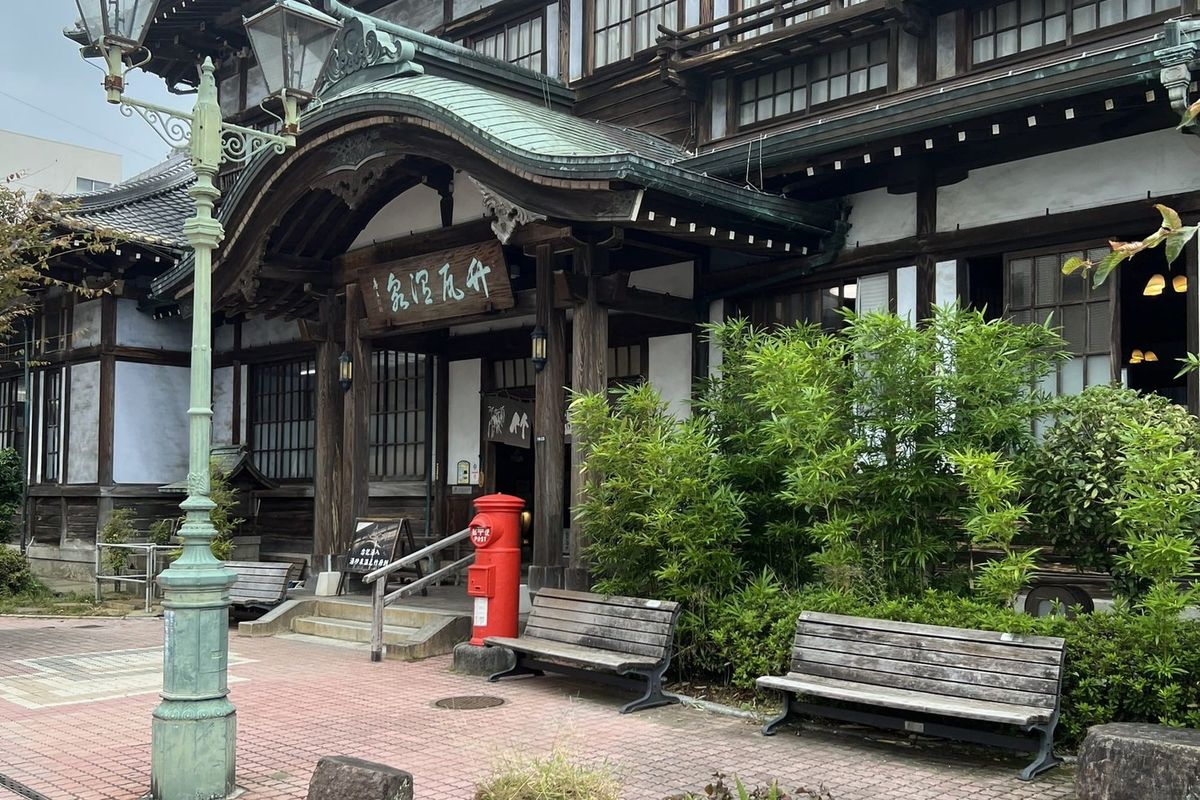
Beppu vs Yufuin is a choice between a working onsen city and a resort village, and the two are close enough to combine — the bus takes 52 minutes and the limited express about an hour. Beppu is a city of around 100,000 people sitting on one of the highest concentrations of hot spring output in the world, with rooms from ¥15,040 for two and a public bath culture you can use for pocket change. Yufuin is a small village under Mount Yufu built around ryokan and craft shops, from ¥14,080 for two at Yufuin Sansuikan. Choose Beppu for volume, variety and cheap bathing; choose Yufuin for a single ryokan night where the inn is the destination.
They are not the same kind of place
English guides tend to file both under "Oita onsen" and leave the reader to guess. The difference is structural.
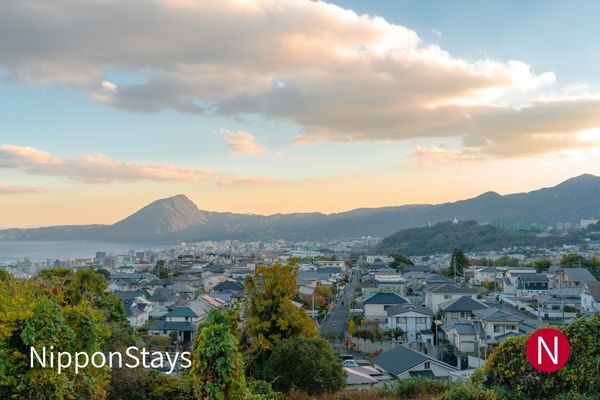
Beppu is a city. It has a station, a bus network, supermarkets, a university and neighbourhoods, and the hot springs run underneath all of it. You can stay in an ordinary business hotel and walk to a municipal bath. The famous jigoku — the "hells", coloured hot spring pools that are for looking at rather than bathing in — are a sightseeing circuit within the city.
Yufuin is a village. The main activity is walking a single street of shops and cafés between the station and Kinrin Lake, and then going back to your ryokan. There is far less to do, which is the point: you are not meant to be doing things.
What you actually spend money on
The two towns move money differently, and this catches people out.
In Beppu the accommodation can be cheap and the bathing is cheap. Municipal baths cost very little, and the volume of springs means most hotels have their own. Your budget goes on nights, food and the hells circuit.
In Yufuin the ryokan is the trip. Rates at the upper end include dinner and breakfast — often kaiseki — so a single night can cost more than three in Beppu while including two meals you would otherwise buy. Comparing headline rates between the two towns without checking what is included produces a misleading answer.
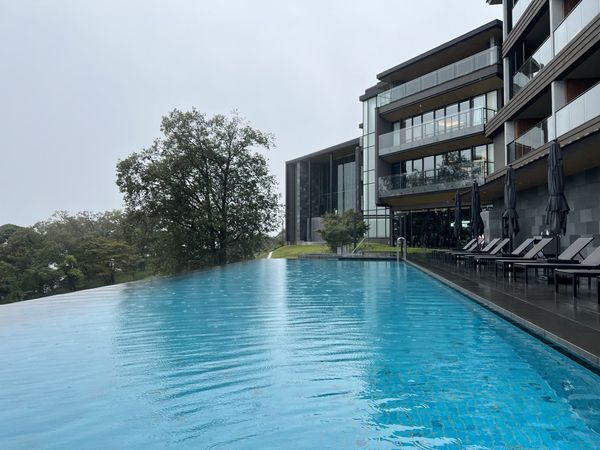
Beppu has one property that behaves like a Yufuin rate inside a Beppu trip, and it is the one readers ask about most: whether the hilltop resort earns its price turns on how many of your evenings you intend to spend down in the town rather than above it.
| Name | Area | Price range | Best for |
|---|---|---|---|
| Yufuin Sansuikan | Yufuin | from ¥14,080 for two | An entry point into a Yufuin ryokan night |
| Sanso Tanaka | Yufuin | Varies | A smaller, quieter ryokan stay |
| Amanek Beppu Yula-re | Beppu | from ¥15,040 for two | A city base with baths, close to the station |
| ANA InterContinental Beppu Resort & Spa | Beppu, hillside | from ¥74,250 for two | Resort comfort with the city below you |
Rates are the lowest advertised for two with no dates specified, checked in August 2026, and ryokan pricing in particular moves with whether meals are included. Note how wide Beppu's own range runs — ¥15,040 at the business-hotel end against ¥74,250 at the ANA InterContinental — which is the practical shape of a city that does both cheap public bathing and resort hillside stays.
How long you have decides it
This is the cleanest way to choose.
- One night only. Yufuin. A single ryokan night with dinner and breakfast is a complete experience, and Beppu rewards more time than that.
- Two or three nights. Beppu. There is enough to do — the hells, the bath variety, the sand bath, the city itself — to fill the days, and the nightly cost is lower.
- Four nights or more. Both. Base in Beppu, take one night out in Yufuin, come back. The bus between them takes 52 minutes.
- Travelling without a car. Beppu. It has the rail and bus network; Yufuin is reachable but you are more dependent on schedules once you arrive.
Two things people get wrong
The hells are not baths. Beppu's jigoku are viewing attractions — pools too hot to enter, some of them vividly coloured. Visitors who arrive expecting to bathe in them are disappointed. The bathing happens elsewhere, in municipal baths and hotel springs, and it is excellent and cheap.
Yufuin gets crowded in a way its scale cannot absorb. The main street is short and the day-trip coach traffic is heavy. Staying overnight is what fixes this: the village empties in the evening and the morning is quiet before the buses arrive. A Yufuin day trip is the version most likely to disappoint.
What a ryokan night actually involves
If Yufuin is your first ryokan, the shape of the evening is worth knowing in advance, because it is not a hotel night with a bath attached.
Dinner is served at a set time, often in your room or a private dining room, and it is a long sequence of small courses rather than a menu you order from. Check-in is early by hotel standards — mid-afternoon — because the stay is meant to begin before dinner rather than after a day out. Breakfast is also at a set time and also substantial.
The practical consequence: a ryokan night consumes the evening. Arriving at eight after a full day of sightseeing wastes most of what you paid for. Plan a Yufuin night as the destination of that day, not the accommodation at the end of it — which is exactly why one night in Yufuin and the rest in Beppu tends to work better than splitting evenly.
| If this is you | Area | Price range | Best for |
|---|---|---|---|
| One night, want the full ryokan thing | Yufuin | from ¥14,080 | Yufuin — the inn is the destination |
| Two or three nights, bathing-led | Beppu | from ¥15,040 | Beppu — volume, variety, cheap municipal baths |
| No car | Beppu | from ¥15,040 | Beppu — rail and bus network |
| Four nights or more | Both | Mixed | Base in Beppu, one night out in Yufuin |
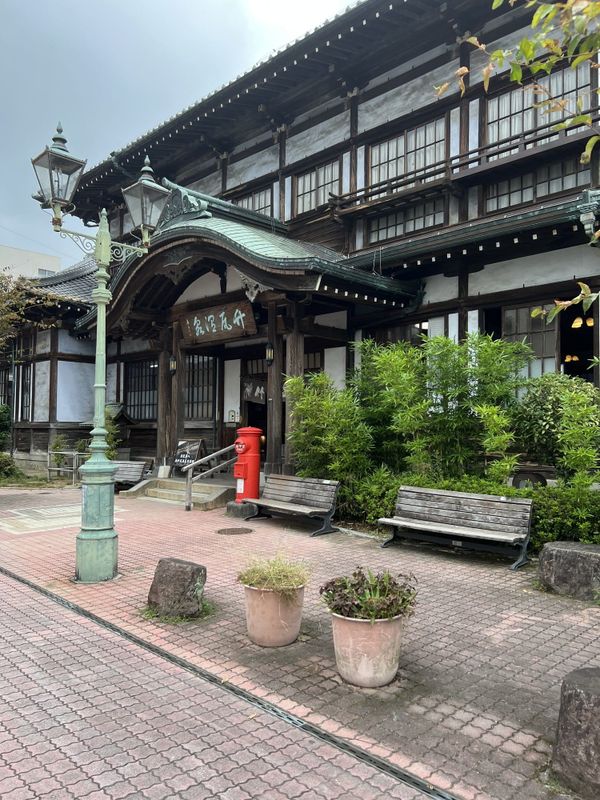
For the detail on the city side, our two days in Beppu covers how the hells, the baths and the food fit together, the hells circuit and where to stay for it covers the sightseeing, and Takegawara covers the municipal bathing that makes Beppu cheap. If you want the bathing without the trip, our onsen ryokan guide covers the country-wide picture.
There is one Yufuin sight the Beppu base cannot reach. The morning mist over Lake Kinrin thins within an hour or two of sunrise — before the first bus or train from Beppu arrives — so seeing it means already being in Yufuin at first light. Yufuin's autumn morning mist covers which inns are close enough to walk.
FAQ: Beppu vs Yufuin
Can you visit both Beppu and Yufuin on one trip?
Yes, and it is the usual answer for stays of four nights or more. The Kamenoi bus between them takes 52 minutes for ¥1,100 and the JR limited express about an hour, so basing in Beppu and taking a single night out in Yufuin works well without moving your main luggage twice. By car it is closer to 30 to 45 minutes depending on traffic.
Which is cheaper, Beppu or Yufuin?
Beppu, in practice, because bathing is cheap there and accommodation does not need to include meals. Headline rates look similar — from ¥15,040 for two in Beppu against ¥14,080 at Yufuin Sansuikan at our check in August 2026 — but Yufuin's upper tier bundles dinner and breakfast, so compare what is included rather than the nightly figure.
Can you bathe in Beppu's hells?
No. The jigoku are viewing attractions and the water is too hot to enter. Bathing in Beppu happens in municipal baths and hotel springs, which are plentiful and inexpensive, and that is the part of the city worth planning around.
Is Yufuin worth staying overnight or is a day trip enough?
Stay overnight if you can. The village is small and absorbs heavy day-trip coach traffic, so the street is busiest in the middle of the day. Guests staying the night get the evening and the early morning, which is when Yufuin is the place its reputation describes.