Where Is Warm in Japan in January? A No-Snow Winter Trip
Where is warm in Japan in January? Compare Okinawa, Kagoshima, Ibusuki and Shikoku by JMA temperature normals, snow days and flight time from Tokyo.

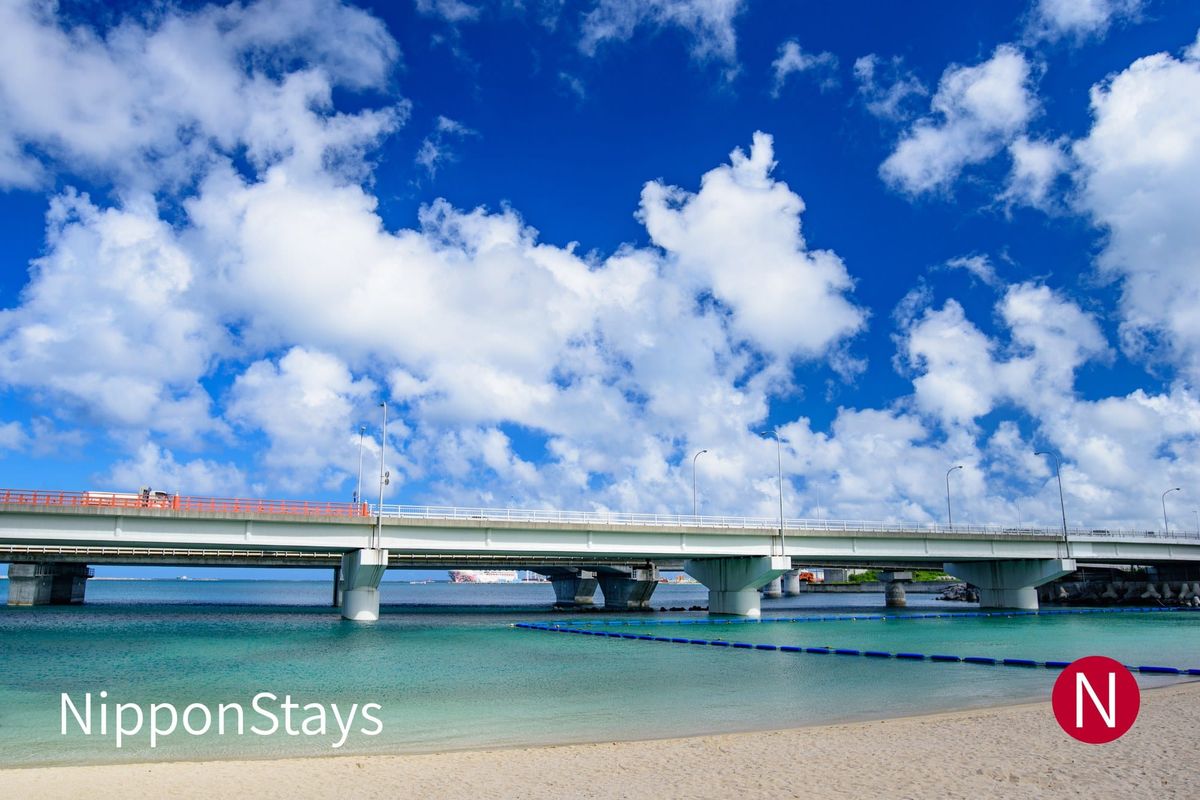
Where is warm in Japan in January? It depends on what you count as warm. If you want an outdoor swim, only Naha, Okinawa gets close — even there, most beaches stay closed for swimming until spring and the water still needs a wetsuit. Base yourself at the Hyatt Regency Naha, Okinawa, a 3-minute walk from Kokusai-dori, if lying around outside beats trudging through snow. If you just want to lose the coat and still take a hot bath, Kagoshima and Ibusuki sit at a comfortable 13°C by day; the sand-bath ryokan Ibusuki Hakusuikan is a good base there. With only two or three days from Tokyo, Shikoku's Dogo Onsen and the Boso Peninsula are the closest places that reliably skip snow — though neither one is genuinely warm.
'Warm' in January means 15-19°C, not 25°C
No part of Japan is beach-holiday warm in January. Naha, the mildest city in the country, averages a daytime high of 19.8°C and a night-time low of 14.9°C (Japan Meteorological Agency 1991-2020 normal, checked September 2026) — a light jacket in the evening, a T-shirt at noon. Everywhere else on this list tops out in the low-to-mid teens by day and drops close to freezing overnight.
The useful question isn't "is it warm" but "do I need a coat" and "will I see snow" — and the answer moves by several degrees between Naha and Tokyo. Set your expectations here and the rest of this guide is just picking a location.
January normals for seven places, side by side
These are official 30-year averages, not this year's forecast. A place can still have an unusually cold week; the table shows what's typical.
| Place | Jan mean high | Jan mean low | Snow days (JMA normal) | From Tokyo | Verdict |
|---|---|---|---|---|---|
| Naha, Okinawa | 19.8°C | 14.9°C | 0.0 (30-year normal) | ~2h45m flight, Haneda-Naha | Only place that stops feeling like winter |
| Kagoshima | 13.1°C | 4.9°C | 4.3 (max depth 2cm) | ~1h45m flight, Haneda-Kagoshima | Warm days, cool nights, snow that never sticks |
| Ibusuki* | ~13°C | ~5°C | ~4.3 (Kagoshima's station) | Flight to Kagoshima, then ~50-min train | Same climate as Kagoshima, plus a sand bath |
| Miyazaki | 13.0°C | 3.0°C | 1.3 (rarely accumulates) | ~1h35m flight, Haneda-Miyazaki | Comparison only — no hotel picks below |
| Matsuyama / Dogo Onsen | 10.2°C | 2.6°C | 6.9 (max depth 0cm) | ~1h20m flight, Haneda-Matsuyama | Mild for Honshu, 3-day trip from Tokyo |
| Minami-Boso (Tateyama) | 11.3°C | 1.2°C | 3.1 (max depth ~0cm) | ~2h highway bus, Tokyo Sta.-Tateyama Sta. | Closest no-snow option to Tokyo |
| Tokyo (baseline) | 9.8°C | 1.2°C | 2.8 (max depth 3cm) | — | Baseline for comparison |
Source: Japan Meteorological Agency 1991-2020 climate normals, checked September 2026, pulled separately for each station. *Ibusuki has no full JMA station of its own; the figures shown are Kagoshima's official normal, the nearest full observatory, about 50km north on the same bay. Ibusuki's coastal position usually keeps it a touch milder, but there's no official number to quote for it specifically.
Okinawa — the only place that stops feeling like winter
Naha is the one city on this list where you can walk around in a T-shirt at midday in January. Daytime highs sit close to 20°C, and the wind is the main thing that makes it feel cooler than that. It's also the only stop here with real beach-resort infrastructure and direct flights from most of Japan and several overseas hubs.
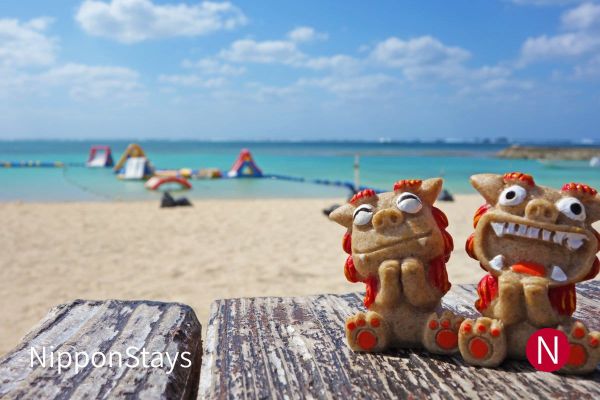
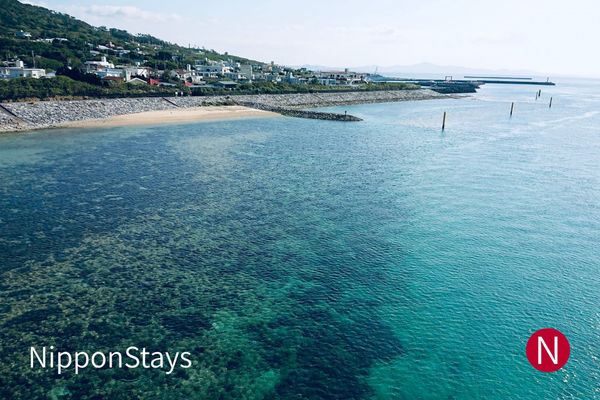
What Okinawa in January does not give you is a swim. The sea is too cold to enjoy without a wetsuit, and the wind picks up chop on the exposed coasts, so most public beaches don't officially open for swimming until around April, and dive and snorkel operators run their January trips in wetsuits. Treat the beach as a place to walk and eat, not swim, and January in Okinawa gets much better.
This article doesn't pick your Naha hotel — our Naha vs. Onna Village guide and our where to stay in Okinawa without a car guide cover that. The short version for a January trip: staying in Naha keeps you closer to indoor attractions and covered arcades for the (rare) rainy day, while the west-coast resort belt around Onna trades that convenience for a longer beachfront.
Kagoshima and Ibusuki — warm, and you can still take a bath
Kagoshima city and the Ibusuki coast an hour south of it don't get you a swim, but they get you a genuinely warm afternoon and a hot bath that doesn't require checking a forecast first. Daytime highs around 13°C are close to a mild spring day in Tokyo, and the region's calling card, sand-bath onsen, works precisely because it's a natural hot spring rather than weather-dependent. At Ibusuki Hakusuikan, guests are buried up to the neck in sand naturally heated by the hot springs beneath the beach — a January activity that gets better, not worse, in cool air.
Kagoshima's other trademark is Sakurajima, an active volcano across the bay that you can watch smoke from your hotel room window. It's a working volcano, not a photo prop: ash fall is common and locals sweep it daily, which is worth knowing before you pack white clothes.
We cover Ibusuki's ryokan selection in more depth, including which properties have their own sand-bath and which send you to the public bathhouse, in our Ibusuki hotel guide. For a Kagoshima-city base instead, see where to stay in Kagoshima.
Shikoku and the Boso Peninsula, if you have three days
Neither of these is warm by this list's standards, but both are close enough to Tokyo to be a real weekend option, and both reliably stay clear of the snow that Honshu's interior and Hokkaido see all winter.
Matsuyama's Dogo Onsen is Japan's oldest hot-spring town by most accounts, built around a public bathhouse that's been operating for over a thousand years, and it's a roughly 1h20m flight from Haneda. It won't feel like a warm-weather trip — daytime highs hover around 10°C — but it's several degrees milder than Tokyo and gives you an onsen town without a long transfer. Dogokan, a ryokan on the hillside above the bathhouse with its own onsen-fed rooms, is one option; the town also has several public bathhouses within walking distance.
The Boso Peninsula, at the southern tip of Chiba, is the closest thing to a "no snow" escape you can reach without flying: about two hours by highway bus from Tokyo Station to Tateyama Station, with mean highs a couple of degrees above the city. It's a day-trip or one-night option rather than a real winter base, but it's useful if you want a coastal walk without a flight.
Night-time lows near freezing in both Matsuyama and Tateyama mean the room itself matters more than it does in Okinawa or Kagoshima — see our guide to how Japanese hotel rooms handle winter heating for what to check before booking.
What January actually gives you down there
Of the seven places compared here, Naha is the only one that records zero snow days in a normal January. Every other stop on this list, including Kagoshima, Matsuyama and the Boso Peninsula, still logs a handful of snow-observed days most years — light flurries that melt on contact rather than anything that piles up (Japan Meteorological Agency 1991-2020 normals, checked September 2026). Naha is the only place on this list whose 30-year normal for January snow days is a flat zero; everywhere else is "very unlikely to matter," not "never happens."
What you consistently get south of Honshu's ski country in January is milder air, shorter coats, and — in Kagoshima and Ibusuki specifically — a hot bath that works better in cool weather than in summer heat. None of these places replace a beach holiday. All of them replace a coat-and-gloves one.
This is a January article
Everything above is calendar-specific to January. February is a different planning problem — different weather, different crowds, different prices — and it is not covered here.
Where to stay if you're heading south
These four are the properties named above. Rates vary enough by season and room type that we're not quoting a from-price here — check current rates on the booking page for your dates.
| Name | Place | Type | Sleeps | Best for |
|---|---|---|---|---|
| Hyatt Regency Naha, Okinawa | Naha, Okinawa | City hotel | 2 (family rooms sleep 4+) | No car, walk to Kokusai-dori |
| Rizzan Sea-Park Hotel Tancha Bay | Onna, Okinawa | Beach resort | 2 (family rooms sleep 4+) | Pool and beachfront even though you won't swim |
| Ibusuki Hakusuikan | Ibusuki, Kagoshima | Sand-bath ryokan | 2 | Sand bath on site, no transfer needed |
| Dogokan | Dogo Onsen, Matsuyama | Onsen ryokan | 2 | Three-day Shikoku add-on from Tokyo |
Trip Essentials for Okinawa
Things worth booking before you land, all in English:
- eSIM — Airalo's Japan eSIM: install it at home and data works as soon as you switch off airplane mode at Naha Airport.
- Airport transfer — Klook covers bus, train, and private transfers from Naha Airport.
- Luggage storage — arriving before check-in? Radical Storage takes bags at shops near Kokusai-dori in Naha for a flat daily rate.
- Tickets and day trips — Klook covers Churaumi Aquarium tickets and island day tours; booking ahead skips the ticket-window line.
FAQ: Warm places in Japan in January
What is Naha's average temperature in January?
The Japan Meteorological Agency's 1991-2020 normal for Naha in January is a mean of 17.3°C, with an average daytime high of 19.8°C and an average night-time low of 14.9°C. It's the mildest city in Japan in January by a wide margin over the next-warmest spot on this list.
Can you swim in Okinawa in January?
Not comfortably. The sea is too cold to enjoy without a wetsuit, and most public beaches don't officially open for swimming until spring, so January visitors typically use the coast for walking and photos rather than swimming. Dive and snorkel operators do run trips through winter, but in wetsuits.
Can you plan a Japan trip in January that never sees snow?
Only if you stay in Okinawa. Every other place compared in this guide, including Kagoshima and Shikoku, still averages a handful of snow-observed days in a normal January, even though it rarely accumulates. If you need a guaranteed zero, Naha is the only place on this list that delivers it.
What's the closest warm-ish, no-snow place to Tokyo?
The Boso Peninsula, around Tateyama at the southern tip of Chiba, is roughly two hours from Tokyo Station by highway bus and stays a few degrees milder than the city with next to no snow. It isn't warm in the way Okinawa is warm, but it's the shortest trip on this list that reliably skips the coat-and-snow combination.