Tokyo Metropolitan Teien Art Museum Guide: Art Deco, Gardens & Hours
Tokyo's 1933 Art Deco prince's residence is itself the exhibit. Hours, admission, garden-only tickets, and the Lalique entrance doors explained.

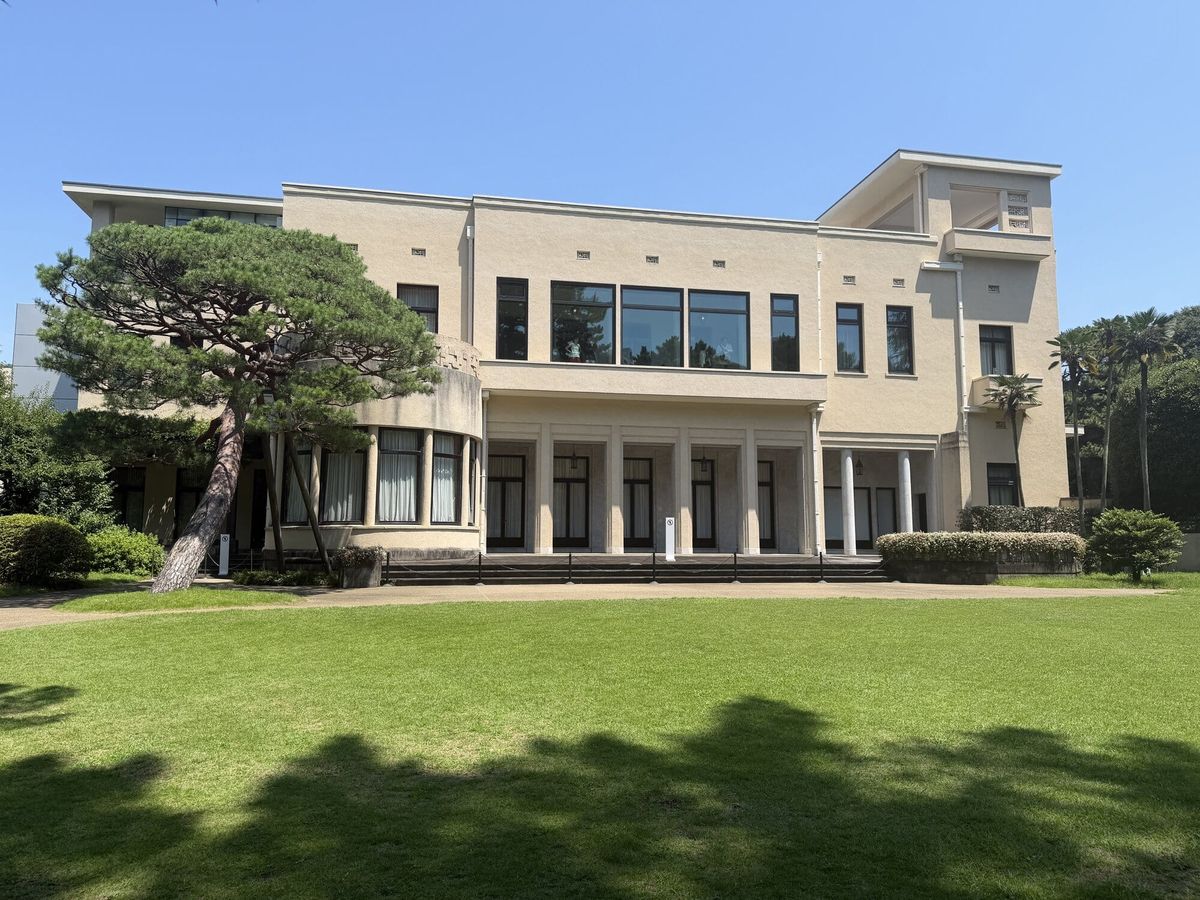
This Tokyo Metropolitan Teien Art Museum guide covers what matters most: the 1933 former residence of Prince Asaka is the exhibit — a fully intact Art Deco interior in a walled garden estate. Admission runs from ¥700 for high-school students and seniors up to ¥1,400 for adults (Lucie Rie exhibition pricing, checked July 2026); a garden-only ticket costs from ¥100 to ¥200 if you want to skip the current exhibition. Budget 1.5 to 2 hours for the building and garden. The one condition that changes a visit: without a special exhibition, the building operates in "Looking at Architecture" mode — still fully open, and interior photography is typically permitted during that period.
Some links in this guide are affiliate links. If you book through them, we may earn a commission at no extra cost to you.
The Building as the Exhibit: Former Residence of Prince Asaka
The Tokyo Metropolitan Teien Art Museum stands on the site of the former residence of Prince Asaka Yasuhiko and Princess Nobuko, built in 1933 in the Shirokanedai district of Minato. The Asaka couple had spent time in Paris in the mid-1920s and became captivated by the Art Deco movement; that aesthetic shaped every surface of the home they commissioned on their return to Japan.
The interior design for the Great Hall, the Salon, the Small Drawing Room, the Anteroom, the Great Dining Hall, and the Prince's Study and Sitting Room was entrusted to French painter and decorator Henri Rapin (1873–1939), who served as artistic advisor to the Sèvres Porcelain Manufactory. Rapin created wall paintings, designed furniture, and is responsible for the striking "Perfume Tower" fountain in the Great Hall.
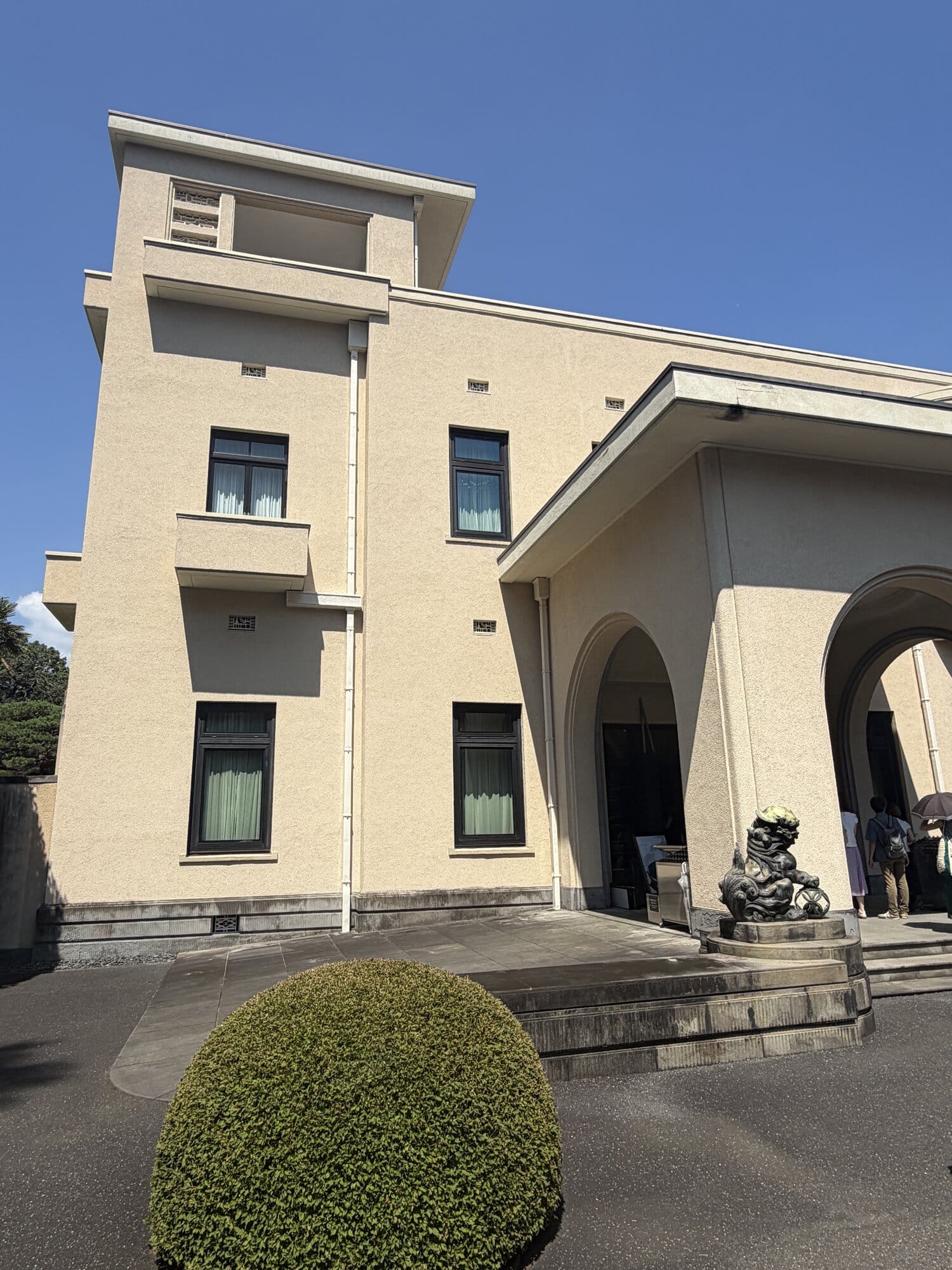
The most photographed element of the building is the glass-relief entrance door created by René Lalique — the pre-eminent Art Nouveau and Art Deco glassmaker. The double doors at the main entrance are an original design made exclusively for this residence: each panel features a standing female figure surrounded by open wings. (Lalique's initial proposal showed nude figures; the Japanese side requested they be clothed, and the final version shows robed figures.) Walking through them on my July 2026 visit, the backlit frosted glass against the clean geometric lines of the entrance hall made for an unusually powerful first impression of what a private Art Deco commission could achieve.
After World War II, the building served for a period as the official residence of Prime Minister Yoshida Shigeru, and later as a state guesthouse, before opening to the public in 1983 as a metropolitan museum.
Planning Your Visit: Hours, Admission, and Closed Days
The Tokyo Metropolitan Teien Art Museum is open daily 10:00–18:00 (last admission 17:30), closed on Mondays — except when Monday falls on a public holiday, in which case the museum closes on the following Tuesday. It also closes during the New Year period (confirmed July 2026 via the official website).
Admission fees (checked July 2026)
During the Lucie Rie: Elegant Vessels Fusing East and West exhibition (4 July–13 September 2026), standard individual admission is:
- Adults: ¥1,400
- University / vocational college students: ¥1,120
- High school students and seniors (65 and over): ¥700
- Middle school students and younger: free
A garden-only ticket is available at the box office (no advance reservation required) for visitors who want to walk the grounds without entering the current exhibition:
- Adults: ¥200
- University / vocational college students: ¥160
- High school students and seniors (65+): ¥100
Seniors (65+) receive free admission on the third Wednesday of each month. Disability certificate holders and up to two caregivers enter free. Grutto Pass 2026 holders receive a discount on standard admission; check at the box office for same-day availability, as timed-entry slots can sell out.
Timed entry
During popular exhibitions the day is divided into timed entry slots (as of July 2026, eight slots per day). Advance purchase online is strongly recommended; same-day tickets are limited and frequently sell out on weekends. For garden-only visits, timed-entry does not apply — you can walk in directly at the box office.
Of the two main access routes (Meguro Station and Shirokanedai Station), both are roughly the same distance, and I walked from Meguro in about 10 minutes — which matches closely with the official 7-minute figure (the last few hundred metres are slightly uphill along Meguro-dori).
Nearby Stays at a Glance
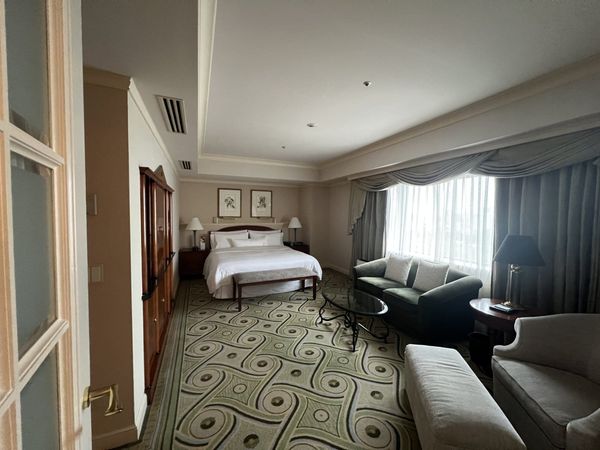
If you want to stay within easy reach of the museum, the Sheraton Miyako Hotel Tokyo (Shirokanedai) is the closest full-service hotel and runs a free shuttle to Meguro Station. For more detail on every option — including walk times and Agoda rates — see our dedicated hotels near the Teien Art Museum guide.
| Name | Area | Price range | Best for |
|---|---|---|---|
| Sheraton Miyako Hotel Tokyo — check rates | Shirokanedai (closest to museum) | from ¥21,000 | Full-service, free Meguro Station shuttle, gardens |
| The Westin Tokyo — check rates | Ebisu Garden Place | from ¥65,000 for two | Luxury base, renovated rooms, Marriott Bonvoy |
The Grounds: Lawn Garden, Japanese Garden, and the Annex Cafe
The museum estate covers roughly 20,000 square metres and is divided into two garden zones: a formal Western-style lawn garden at the front of the main building and a quieter Japanese garden behind the annex. Both are included in the garden-only ticket and in standard exhibition admission.
The Western lawn is the main approach from the gate — the broad gravelled path leading to the entrance is framed by low hedges and mature trees that screen the estate from Meguro-dori. In summer the garden is shadier than it looks in photographs; in autumn the zelkova trees turn a warm yellow.
The Japanese garden at the rear is the calmer space: a small pond, stepping stones, and a traditional teahouse (photography is not permitted inside the teahouse). The contrast between the European Art Deco interior and the Japanese garden at the back of the same property is one of the more distinctive juxtapositions in Tokyo.
The annex — a later addition designed by Kengo Kuma — houses a cafe that serves light meals and seasonal sweets. It is a practical rest stop mid-visit, especially if you are heading next door to the Institute for Nature Study.
Half-Day Plan: Pairing with the Institute for Nature Study
The Institute for Nature Study (附属自然教育園) sits immediately adjacent to the Teien Art Museum. It is a protected natural forest reserve — one of the few remaining patches of original Musashino plateau woodland inside the city — managed by the National Museum of Nature and Science. Hours: Tuesday to Sunday, 9:00–5:00 (last admission 4:00; 9:00–4:30 from September through April), closed Mondays and New Year period (confirmed July 2026). Admission: adults ¥330, university students ¥110, high school students and younger free.
A practical half-day sequence: arrive at the Teien Art Museum at opening (10:00), spend 90 minutes on the building and gardens, have a coffee at the annex cafe, then walk through to the Institute for another hour on the woodland trails. Both attractions are open Tuesday–Sunday, making the combination easy to plan.
Getting There: Meguro Station and Shirokanedai Station
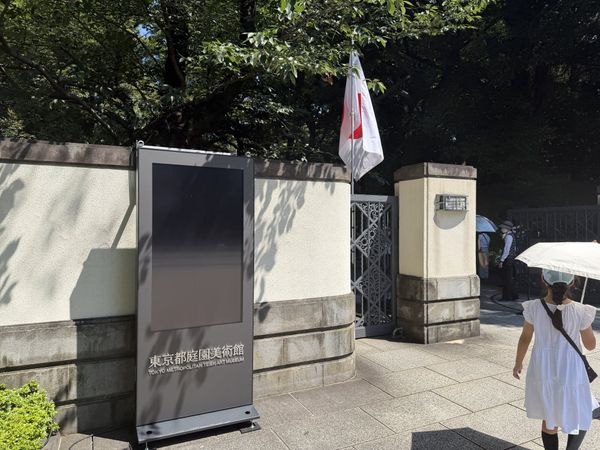
The museum is at 5-21-9 Shirokanedai, Minato-ku, Tokyo 108-0071.
From Meguro Station
Take the East Exit (JR Yamanote Line) or the Main Gate exit (Tokyu Meguro Line). The museum is a 7-min walk along Meguro-dori. The route is straightforward: follow the main road south, and museum wayfinding signs and banners appear after the first crossroads. I walked this in about 10 minutes on my July 2026 visit; the last stretch is a gentle uphill.
Meguro Station is served by the JR Yamanote Line, the Tokyu Meguro Line, the Tokyo Metro Namboku Line, and the Toei Mita Line — do not confuse Meguro Station with Nakameguro Station (two stops south on the Tokyu Toyoko/Tokyo Metro Hibiya Line).
From Shirokanedai Station
Exit 1 on the Toei Mita Line and Tokyo Metro Namboku Line puts you 6 min from the museum entrance. An elevator is available at Exit 2 for accessibility. This is the marginally closer approach and avoids the slight uphill of the Meguro route.
By bus
Several Toei bus routes stop at Shirokanedai 5-chome, a 3-min walk from the museum gate — useful if you are coming from Meguro Station with heavy bags or mobility constraints.
Photography and Current Exhibitions
Photography inside the museum building is generally prohibited. There are periodic exceptions — most notably during the annual "Looking at Architecture" exhibition series, when interior photography is permitted for personal, non-commercial use without flash, tripods, or reflectors. During standard exhibitions such as Lucie Rie: Elegant Vessels Fusing East and West (running July 4–September 13, 2026, as of July 2026), photography inside the galleries is not allowed, and this includes the decorated rooms designed by Rapin and Lalique.
Photography in the garden is permitted for personal use. Tripods, reflectors, and professional photography equipment are not allowed without prior application.
As of July 2026, the Lucie Rie exhibition is showing work by the Austrian-British studio ceramicist Lucie Rie (1902–1995). This exhibition is time-limited and will close in September 2026; the building's permanent Art Deco interiors are on view year-round regardless of what exhibition is in the galleries.
Where to Stay Nearby
The Sheraton Miyako Hotel Tokyo in Shirokanedai is the closest full-service hotel to the museum — a short walk along the same Shirokanedai neighbourhood streets. It also runs a free shuttle to Meguro Station (verify current frequency and hours on the official Sheraton Miyako website before your visit). The Westin Tokyo at Ebisu Garden Place is a 20-minute walk or a short Yamanote Line hop. For the full comparison of options including mid-range picks at Meguro Station, see our hotels near the Teien Art Museum guide, and the broader where to stay in Meguro pillar.
For museum-anchored stays elsewhere in Japan, our Adachi Museum of Art hotels guide and hotels near Kenrokuen Garden follow the same format.
| Name | Area | Price range | Best for |
|---|---|---|---|
| Sheraton Miyako Hotel Tokyo — check rates | Shirokanedai (nearest to museum) | from ¥21,000 | Garden setting, free Meguro Station shuttle, upscale calm |
| The Westin Tokyo — check rates | Ebisu Garden Place (~20-min walk) | from ¥65,000 for two | Luxury, Marriott Bonvoy, refined Ebisu base |
Trip Essentials for Meguro
Things worth booking before you land, all in English:
- eSIM — Airalo's Japan eSIM: install it at home and data works as soon as you switch off airplane mode at Haneda or Narita. Comparing providers? See our Japan eSIM guide.
- Airport transfer — Welcome Pickups runs fixed-price door-to-door pickups from Haneda or Narita; Klook sells the airport bus and train tickets if you'd rather ride.
- Luggage storage — arriving before check-in? Radical Storage takes bags at shops near Meguro Station for a flat daily rate.
- Tickets and day trips — Klook covers teamLab tickets, Tokyo Skytree, and Hakone day trips; booking ahead skips the ticket-window line.
FAQ: Visiting the Tokyo Metropolitan Teien Art Museum
What is the Tokyo Metropolitan Teien Art Museum?
The Tokyo Metropolitan Teien Art Museum is a 1933 Art Deco building in Shirokanedai, Minato, Tokyo, originally built as the private residence of Prince Asaka Yasuhiko. The building — with interiors designed by French decorator Henri Rapin and glass work by René Lalique — was opened as a metropolitan art museum in 1983. The architecture itself is the permanent exhibit; visiting exhibitions rotate through the galleries each season.
Can you visit the garden without paying for the exhibition?
Yes. A garden-only ticket is available at the box office (no advance booking required): ¥200 for adults, ¥160 for university and vocational college students, and ¥100 for high school students and seniors 65 and over (checked July 2026). The Japanese garden, the lawn garden, and the exterior of the main building are all accessible on a garden-only ticket; the interior rooms are not.
Is photography allowed inside the Teien Art Museum?
Photography inside the building is generally prohibited during regular exhibitions. An exception applies during the annual "Looking at Architecture" exhibition series, when personal non-commercial photography is permitted without flash, tripods, or reflectors. Garden and exterior photography is allowed for personal use; tripods and professional equipment require prior application. Current rules are posted at the box office and on the official website before each exhibition.
Which station is better for the Teien Art Museum — Meguro or Shirokanedai?
Shirokanedai Station (Toei Mita Line / Tokyo Metro Namboku Line, Exit 1) is the slightly shorter walk at 6 minutes, and Exit 2 has an elevator. Meguro Station (JR Yamanote Line, East Exit; Tokyu Meguro Line, Main Gate) is 7 minutes and connects more lines, making it the better choice if you are coming from Shinjuku, Shibuya, or elsewhere on the Yamanote Loop. In practice both routes are easy — I used Meguro Station on my July 2026 visit and the walk took about 10 minutes including the gentle uphill approach.