Things to Do in Nagoya Between Asian Games Events
Rest days between Asian Games fixtures in Nagoya? The Toyota Commemorative Museum (red-brick, one stop from Nagoya Station) leads a practical half-day list.
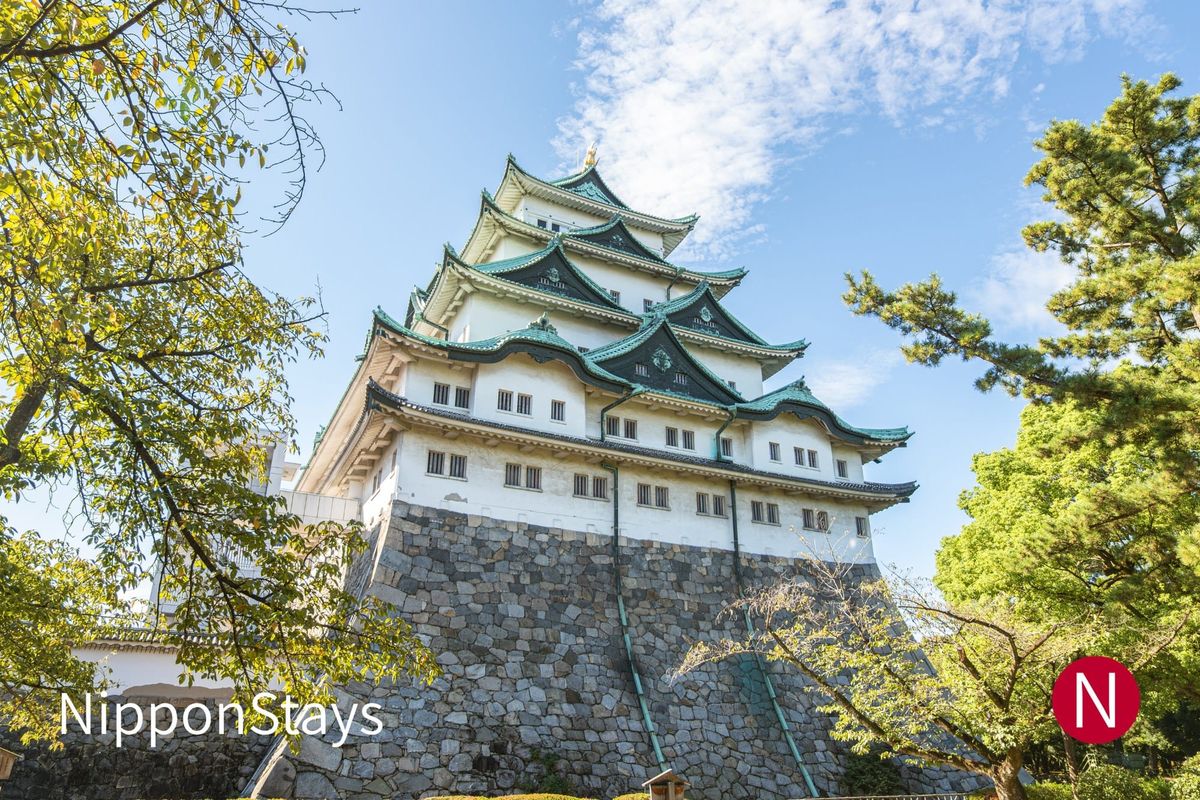
Of the things to do in Nagoya between Asian Games events (19 Sep–4 Oct 2026), the best use of gap time is the Toyota Commemorative Museum of Industry and Technology — a 2–3-hour visit in a red-brick former Toyoda mill, 3-min walk from Sako Station. Nagoya Castle and Osu Kannon each fill 90 minutes if your schedule is tight. All three are reachable from a Sakae hotel base by subway in under 15 minutes. Skip anything that requires more than 30 minutes of transit — gap windows close faster than they look on paper.
Planning Your Rest Days Around the Asian Games Schedule
If you are looking for things to do in Nagoya between Asian Games events, the gaps in your fixture schedule are actually longer than they look. The 20th Asian Games run from 19 September to 4 October 2026, with the Asian Para Games following from 18 to 24 October. Across those two weeks, competition spreads across roughly 53 venues in Aichi Prefecture — clusters around Nagoya itself plus outlying cities such as Toyota and Gifu — and your personal schedule will almost certainly leave gaps between fixtures.
Some links in this guide are affiliate links. If you book through them, we may earn a commission at no extra cost to you.
A typical spectator day might look like: morning events, a midday break, then evening finals. That three- to four-hour window is enough for a proper museum visit or an afternoon neighbourhood walk — if you plan it in advance and pick attractions that are close to your hotel base. This guide covers what to do with those gaps, starting with the attraction that deserves the most time.
For the full picture on where to sleep during the games, see our full Asian Games 2026 where-to-stay guide.
| Name | Area | Time needed | Best for |
|---|---|---|---|
| Toyota Commemorative Museum of Industry and Technology | Nishi-ku (3-min walk from Sako Station) | 2–3 hours | Must-see half-day; closed Mondays |
| Osu Kannon and Shopping Arcade | Osu (8 min from Sakae by Meijo Line) | 90 min | Afternoon wander before an evening event |
| Nagoya Castle and Honmaru Palace | Central (10 min from Sakae by Meijo Line) | 90 min | History; main keep closed (no reopening date) |
| Hisaya-odori Park / Oasis 21 / TV Tower | Sakae (walkable from hotels) | 1–2 hours | Zero transit; pre-event wind-down |
The Must-See: Toyota Commemorative Museum of Industry and Technology
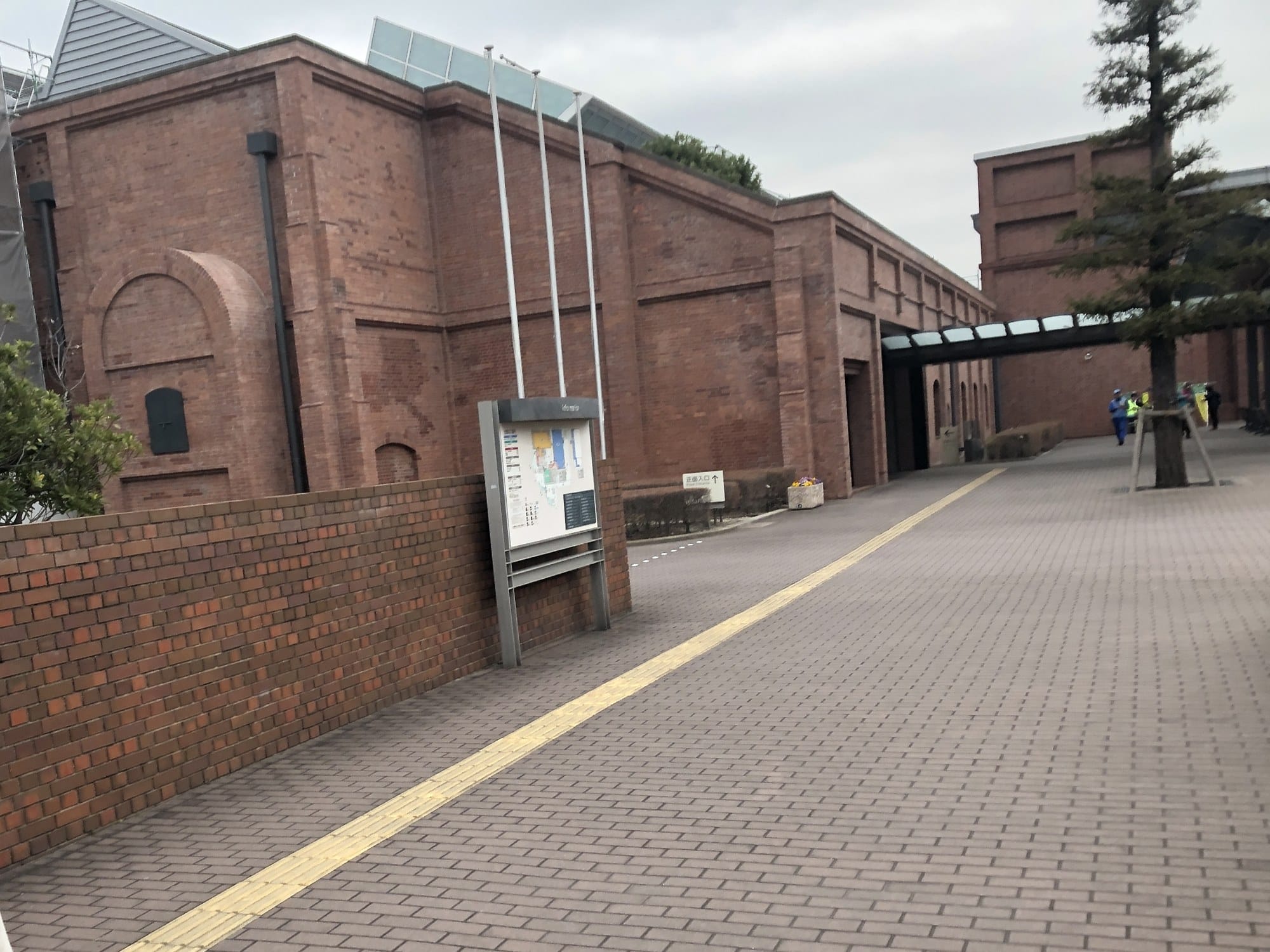
The red-brick former Toyoda spinning mill that houses the museum — our photo.
The red-brick factory that greets you at the entrance was the original Toyoda Spinning and Weaving mill, built in 1911 and still standing on the same ground where the company that became Toyota began. The building is striking enough on its own — and the museum inside more than justifies the trip.
Two permanent exhibitions run across the original and newer wings:
- Textile Machinery Hall — working looms demonstrate the automated weaving technology that Sakichi Toyoda invented; operators run live demonstrations throughout the day
- Automobile Technology Hall — covers Toyota's engineering history from prototypes to production, with working engine and drive-system displays
Count on spending at least two hours; three is comfortable if you watch the demonstrations. For a half-day between events, this is the one attraction in Nagoya that holds its own alongside anything in Kyoto or Tokyo.
Getting there from your hotel base
The museum is one stop north of Nagoya Station on the Meitetsu Nagoya Main Line. Take the train from Meitetsu Nagoya Station to Sako Station (2 minutes), then walk 3 minutes west from the exit. The red-brick building is immediately visible.
From Sakae, ride the Higashiyama Line to Nagoya Station (5 minutes), then follow the Meitetsu connection above. Door to museum is under 25 minutes from either base.
Practical information (verified July 2026)
- Hours: 9:30–17:00 (last admission 16:30), Tuesday to Sunday
- Closed: Mondays; if Monday is a public holiday, the closure moves to Tuesday
- Admission: Adults ¥1,000 / Junior and senior high school students ¥300 / Elementary school students ¥200 / Under school age free
- Address: 1-35 Noritake-Shinmachi 4-chome, Nishi-ku, Nagoya (near Sako Station)
Tickets are sold at the door; no advance booking required for general admission.
Half-Day Picks Near Central Nagoya
If the Toyota Museum fills your morning, these are the next-best options for a shorter slot — all within easy reach of Sakae or Nagoya Station.
Osu Kannon and Osu Shopping Arcade
From Sakae Station, take the Meijo Line two stops south to Kamimaezu Station (Exit 4), and you reach the Osu district in about 8 minutes total. Osu Kannon temple anchors the northern end of a covered arcade that runs south through approximately 1,200 shops — retro game and electronics stores mixed with vintage clothing and street food stalls. Temple grounds are free to enter and open throughout the day.
This works well as a post-lunch wander before an evening event: 90 minutes covers the main arcade and temple comfortably. The arcade is covered, so it stays workable even if September brings a warm afternoon shower.
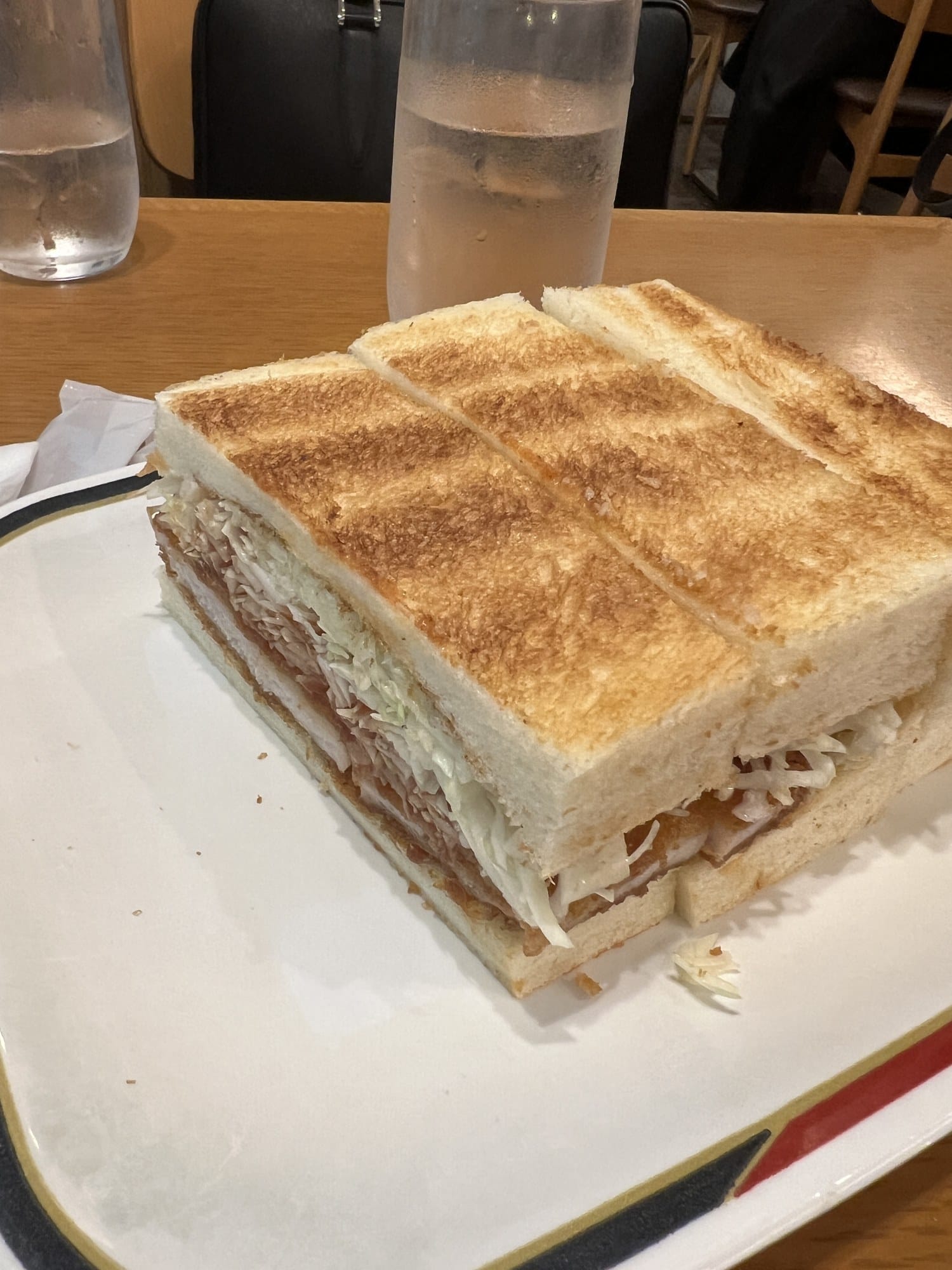
Konparu's ebi-fry sandwich — our photo.
While you're on the arcade, stop at Konparu Osu Honten (3-20-19 Osu), a Nagoya coffee-shop institution, for its famous ebi-fry sandwich (¥1,200): three fried shrimp on toasted bread with shredded cabbage, katsu sauce, and tartar. Open 8:00–19:00 daily with no closing days — the early start also makes it a solid pre-event breakfast stop.
Nagoya Castle and Honmaru Palace
Nagoya Castle is 10 minutes from Sakae by Meijo Line subway (Shiyakusho Station, Exit 7). At our last check (October 2026), the main keep is closed for the wooden reconstruction project, with no reopening date announced on the official site. The Honmaru Palace — a fully restored Edo-period residence — is open and worth the visit on its own.
- Hours: 9:00–16:30 (last admission 16:00)
- Admission: Adults ¥1,000 from 1 October 2026 (official site, checked October 2026; raised from ¥500), which covers both castle grounds and Honmaru Palace
- Closed: 29 December–1 January and occasional special closure days
Allow 90 minutes to walk the grounds and see the palace interiors properly.
Nagoya TV Tower and Oasis 21
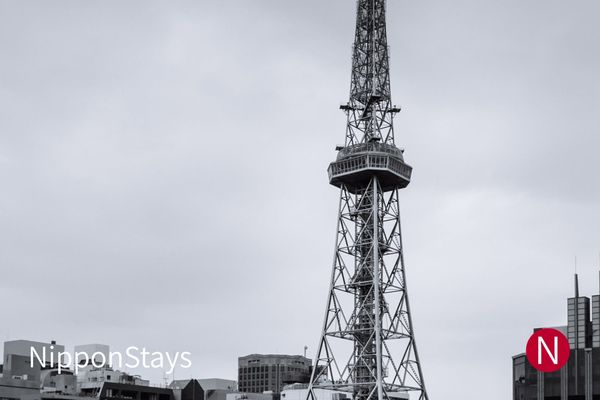
If you want a rest-day option that requires almost no transit time and doubles as a base for dinner, the area around Hisaya-odori Park — the long green strip connecting Sakae Station to the TV Tower — works well. The Oasis 21 complex at the southern end is a shopping and transit hub with food options on the ground floor and a glass roof terrace above. The TV Tower observation deck gives a clear view over the city.
This is the right choice when you have one to two hours between checking out of your hotel and an evening event: everything is walkable from Sakae-area accommodation.
Where These Sit Relative to Mizuho Stadium and Your Hotel
Paloma Mizuho Stadium — the games' main athletics and ceremonies venue — sits in Mizuho Park, accessed via Mizuho-undojo-higashi Station on the Meijo Line (about a 5-min walk from Exit 3). From Sakae, the stadium is one direct Meijo Line ride, roughly 23 minutes.
The attractions listed above are all in or near central Nagoya, which means you can get from any of them back to the Meijo Line for Mizuho within 20–30 minutes. On event days, plan to leave your sightseeing base at least 40 minutes before your event start time to allow for crowd build-up at the station.
The Toyota Commemorative Museum sits northwest of the city centre, near Nagoya Station — so it is well-positioned if your morning event is at a venue accessible from Nagoya Station, and you can head straight to the museum after.
Practical Notes for the Games Window
Most standard Nagoya attractions operate their normal schedules during the 19 September–4 October window, with no specific games-related closures announced at our last check (July 2026). The key practical notes are:
- Toyota Commemorative Museum: Closed Mondays (with Tuesday substitution on public holidays). During the games window: Monday 21 September is a public holiday (Respect for the Aged Day), so the museum opens that day and closes Tuesday 22 September instead; 28 September and 5 October are regular Monday closures — plan accordingly
- Nagoya Castle: Closed 29 December–1 January; open during the games window
- Osu area: No fixed closing days; individual shops vary
- Public transport: The Meijo Line will carry significantly higher loads on event days. Peak crowd times are approximately 30–60 minutes before and after competition sessions at Mizuho. The subway operates scheduled service; check the official Nagoya City Transportation Bureau site for any games-period timetable supplements
For ticketing and entry requirements for the Asian Games events themselves, check the official Aichi-Nagoya 2026 site directly — entry conditions and verification procedures are confirmed there, not here.
Where to Stay So Rest Days and Event Days Both Work
Sakae gives you the most flexibility for rest days: walkable evenings, the Meijo Line direct to Mizuho, and the Osu district and TV Tower area within easy reach on foot. Nagoya Station adds direct Meitetsu access to the Toyota Commemorative Museum in under 10 minutes — useful if that's your priority activity.
For a deeper side-by-side on the two bases, see where to stay and eat in Sakae and our complete Nagoya area guide.
Rooms at both bases are selling fast for the games window. Rates during Asian Games weeks consistently run higher than normal travel periods — book early and do not wait for prices to come down.
| Name | Area | Price range | Best for |
|---|---|---|---|
| Nagoya Tokyu Hotel | Sakae (5-min walk from Sakae Station) | from ¥14,000 for two; rates vary by season | Rest-day access + direct Meijo Line to Mizuho |
| APA Hotel Nagoya Sakae | Sakae (5-min walk from Exit 12, Sakae Station) | from ¥7,000 for two; rates vary by season | Budget pick, games window central base |
| Dormy Inn Premium Nagoya Sakae | Sakae (4-min walk from Fushimi Station) | from ¥10,000; rates vary by season | Natural hot spring after a long event day |
| Mitsui Garden Hotel Nagoya Premier | Nagoya Station area (5-min walk) | from ¥11,000; rates vary by season | Toyota Museum day trips + Shinkansen connections |
All rates are starting prices and vary significantly by season and availability. The Asian Games window (19 Sep–4 Oct 2026) is peak demand — book as early as possible.
One rest-day option is missing from the half-day list above for a reason. Ghibli Park sits about an hour from central Nagoya on a train-plus-Linimo maglev connection, and its tickets have to be reserved in advance rather than bought at the gate, so it only fits a gap you can commit to before the Games schedule firms up. Ghibli Park access from Nagoya has the route, the timings and where to sleep the night before.
Trip Essentials for Nagoya
Things worth booking before you land, all in English:
- eSIM — Airalo's Japan eSIM: install it at home and data works as soon as you switch off airplane mode at Chubu Centrair.
- Airport transfer — Klook covers bus, train, and private transfers from Chubu Centrair.
- Luggage storage — arriving before check-in? Radical Storage takes bags at shops near Nagoya Station for a flat daily rate.
- Tickets and day trips — Klook covers Nagoya attractions and day-trip tickets; booking ahead skips the ticket-window line.
FAQ: Things to do in Nagoya between Asian Games events
How much time do I realistically have between Asian Games sessions?
A typical day at the 20th Asian Games (19 Sep–4 Oct 2026) often leaves a 3–4-hour window between a morning session and an evening final at Paloma Mizuho Stadium. That is enough for one well-planned museum visit or an afternoon neighbourhood walk, but not both. The Toyota Commemorative Museum (2–3 hours) and Nagoya Castle (90 minutes) each fill a gap neatly; attempting both in one gap means rushed viewing at both.
Is the Toyota Commemorative Museum of Industry and Technology worth visiting for non-car enthusiasts?
Yes. The museum covers the full arc from the original Toyoda spinning machinery to current robotics — the textile floor alone is unusual enough to hold attention without any interest in cars. It is closed Mondays, so check the date against your fixture schedule before planning the visit. Allow 2–3 hours and expect it to be one of the more memorable half-days of the trip. It is 3-min walk from Sako Station on the Meitetsu Nagoya Line.
What can I do during a 90-minute gap near Sakae?
Osu Kannon and the adjacent Osu Shopping Arcade are the most practical 90-minute option from a Sakae base — 8 minutes from Sakae by Meijo Line to Kamimaezu Station, then a short walk. Hisaya-odori Park and Oasis 21 require zero transit from most Sakae hotels and can absorb 60–90 minutes of relaxed walking. Nagoya Castle is similarly accessible (10 minutes from Sakae by Meijo Line) and fits in 90 minutes if you skip the interior exhibits; note that the main keep remains closed with no reopening date announced.
Which hotel base gives the best access to both rest-day attractions and Paloma Mizuho Stadium?
Sakae is the stronger base for combining rest-day sightseeing with events at Paloma Mizuho Stadium. The Meijo Line connects Sakae directly to the stadium (no transfer, about 23 minutes) and also reaches Osu Kannon, Nagoya Castle, and the Hisaya-odori area on foot or in a few stops. Hotels in Sakae start from ¥7,000 per night for the games window (APA Hotel Nagoya Sakae, from ¥7,000; Nagoya Tokyu Hotel, from ¥14,000). Nagoya Station adds faster access to the Toyota Commemorative Museum via Meitetsu.