Best Udon in Takamatsu: A Sanuki Udon & Honetsukidori Guide
Best udon in Takamatsu: where to get real Sanuki udon and Marugame honetsukidori, plus which central hotels put you closest to both.

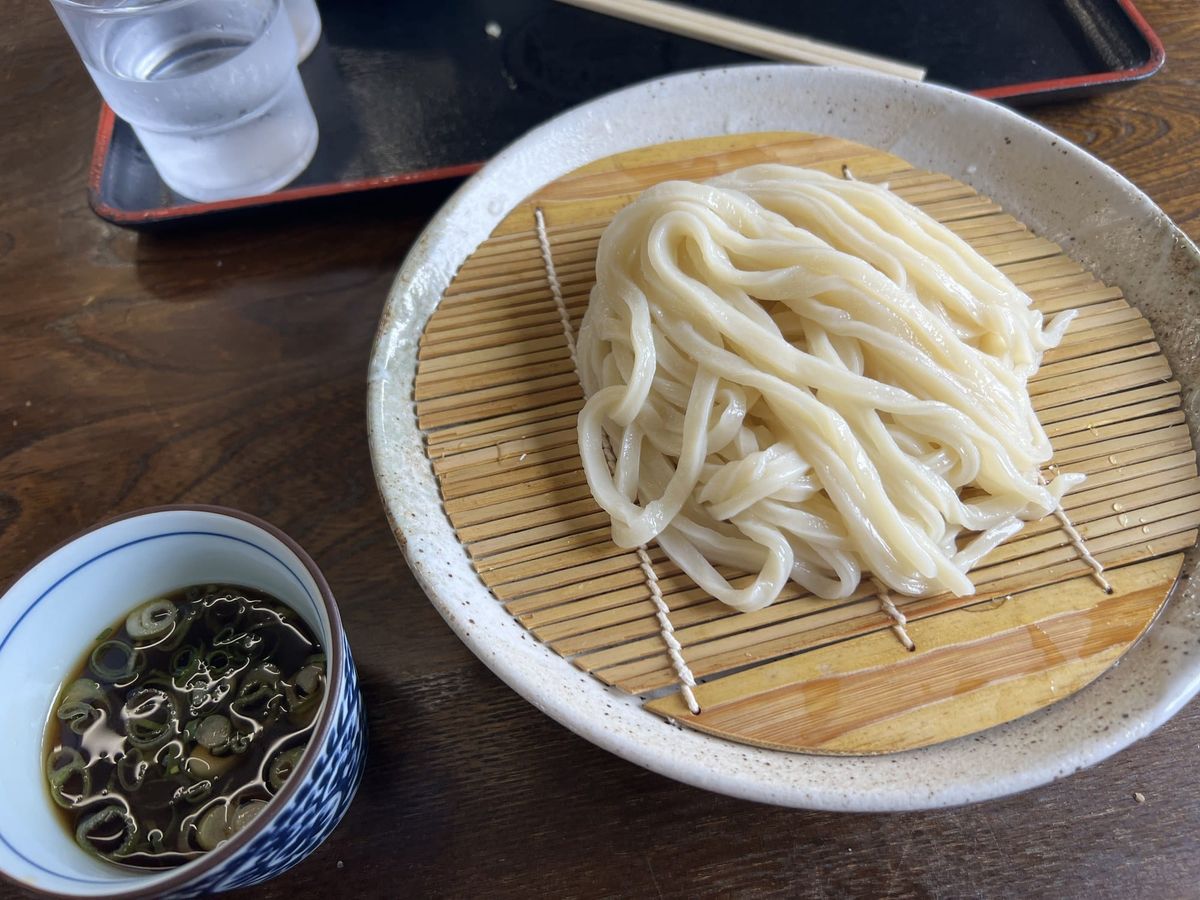
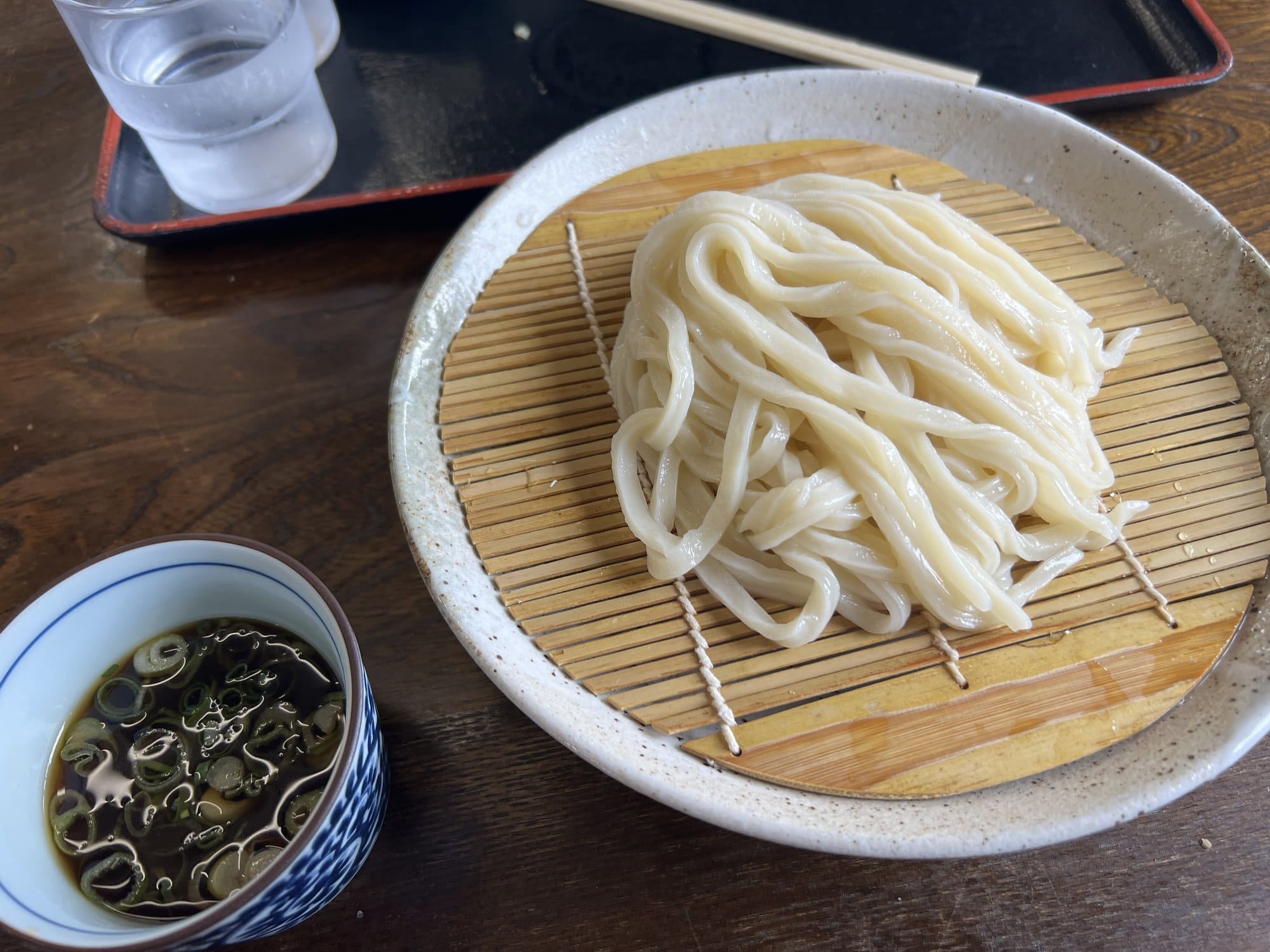
For the best udon in Takamatsu, eat Sanuki udon at a self-serve counter for breakfast or lunch — Merikenya Takamatsu Ekimae opens at 7:00 AM, a 2-min walk from the station. A basic bowl runs under ¥300. Switch to honetsukidori for dinner, and book a station-front hotel from ¥7,000 so both are within walking distance. If you prefer tender chicken over chew, order wakadori; regulars order oyadori.
Of the 2 udon shops named in this guide, both open by 7:00 AM; of the 4 hotels listed, all are within walking distance of the Marugamemachi dining arcade and at least one breakfast udon counter (checked July 2026).
Best Udon in Takamatsu: The Short Answer
If you're chasing the best udon in Takamatsu, the short version is this: eat self-serve Sanuki udon for breakfast or lunch, then switch to honetsukidori (bone-in grilled chicken) for dinner, and base yourself in central Takamatsu so both are a short walk away. Kagawa Prefecture is nicknamed "Udon Prefecture" for a reason — there are hundreds of udon shops packed into a small area, and the two dishes above cover the two things the region is actually known for.
Some links in this guide are affiliate links. If you book through them, we may earn a commission at no extra cost to you.
This guide covers what makes Sanuki udon different from udon elsewhere in Japan, how to order at a self-serve counter without holding up the line, the oyadori-versus-wakadori choice at a honetsukidori restaurant, and which Takamatsu hotel bases put you closest to both.
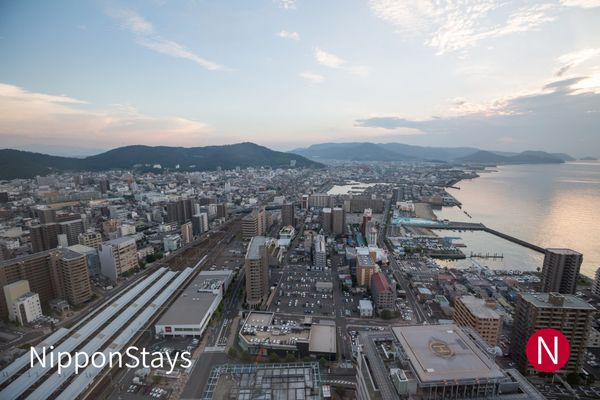
Where to Stay for a Takamatsu Food Crawl
| Name | Area | Price range | Best for |
|---|---|---|---|
| JR Hotel Clement Takamatsu — check rates | Station front | from ¥9,000, varies by season | Breakfast udon at Merikenya, 2-min walk |
| Dormy Inn Takamatsu Chuo Koenmae Natural Hot Spring — check rates | Chuo Koen, under 10-min walk to Marugamemachi | from ¥8,500, varies by season | Onsen soak after a heavy honetsukidori dinner |
| Daiwa Roynet Hotel Takamatsu — check rates | Marugamemachi arcade | from ¥7,000, varies by season | Sleeping inside the covered dining arcade |
| RIHGA Hotel Zest Takamatsu — check rates | Furujinmachi, near Marugamemachi | from ¥8,000, varies by season | Comfort upgrade a short walk from the arcade |
All rates above are low-season floors from booking platforms and rise sharply during the Setouchi Triennale, Golden Week, and summer holidays. For the full area breakdown, see our guide to where to stay in Takamatsu.
What Makes Sanuki Udon Different
Sanuki udon is the local style native to Kagawa (the old province of Sanuki), and it's a different animal from the softer udon you'll find in Tokyo or Osaka. The noodles are made with a stronger wheat flavor and a firmer, chewier bite — locals call this texture "koshi." A good bowl should have some resistance when you bite into it, not the soft, almost gelatinous noodle you get elsewhere.
It's also cheap. A basic bowl of kake udon (noodles in hot broth) can run under ¥300 at a no-frills self-serve shop, which is part of why Kagawa has an estimated 700-plus udon shops for a prefecture of under a million people.
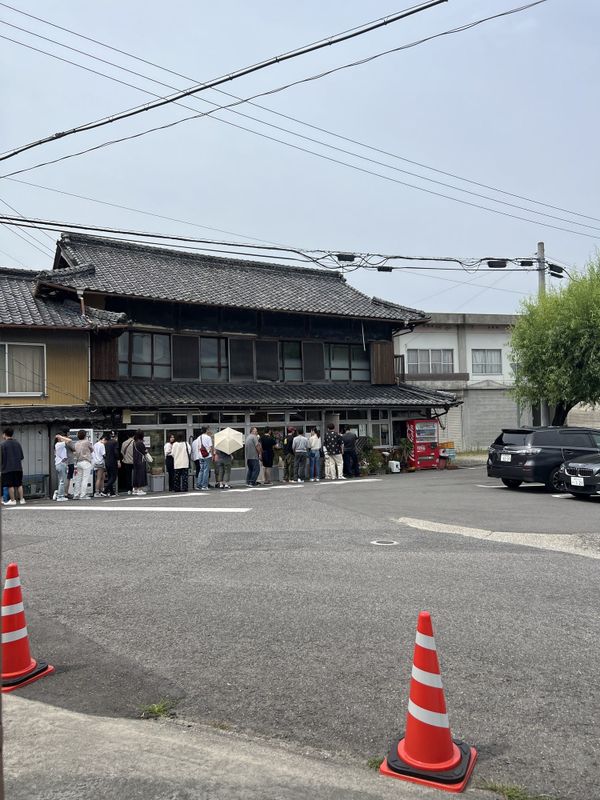
Udon Baka Ichidai, a self-serve shop known for inventing kama-butter udon (noodles tossed with butter, black pepper, and a raw egg straight out of the hot water), opens at 6:00 AM and draws lines by mid-morning; expect a wait at lunchtime. Merikenya Takamatsu Ekimae, a 2-min walk from Takamatsu Station, opens at 7:00 AM and is one of the few udon shops near the station serving breakfast — handy if you're staying at a station-front hotel and want noodles before catching an early Naoshima ferry or airport bus.
How Self-Serve Udon Shops Work
Most Sanuki udon shops, including both of the ones above, run on a self-serve system that can feel confusing the first time. The general flow:
- Tell the staff at the noodle counter your size (small/medium/large) and whether you want it hot (atsui) or cold (hiyashi), then they hand you a bowl.
- Move down the counter to add your own toppings — tempura, age (fried tofu), a raw or boiled egg, green onion, and grated ginger are common.
- Ladle your own broth (dashi) from the pot at the end of the counter, unless the shop pours it for you.
- Pay at the register before sitting down — you're paying for the bowl plus each topping you took.
- Bus your own tray to the return counter when you're done.
Nobody will scold you for hesitating, but watching one person ahead of you go through the line once makes the next ten shops easy.
Marugame Honetsukidori: Oyadori vs. Wakadori
Honetsukidori — a whole bone-in chicken leg, seasoned heavily with garlic and black pepper and grilled until the skin is crisp — originated in Marugame City, about a 30-min train ride southwest of Takamatsu on the JR Yosan Line, and is now served at branches across Kagawa, including central Takamatsu.
Every honetsukidori restaurant gives you a choice between two birds:
- Oyadori (parent chicken): meat from a mature hen. Firmer and chewier, with a deeper, more concentrated umami flavor that builds the more you chew. This is the order regulars and repeat visitors gravitate toward.
- Wakadori (young chicken): meat from a bird roughly three to five months old. Noticeably more tender and juicy, and the easier entry point if it's your first time trying the dish.
Most Japanese chicken dishes default to young bird meat, so Kagawa's enthusiasm for oyadori is a genuine local quirk worth trying at least once, even if you end up preferring wakadori. Honetsukidori Ikkaku — the restaurant credited with inventing the dish in 1953 — runs a branch in central Takamatsu's Kajiyamachi district (weekday hours 17:00–23:00, closed Tuesdays; weekends 11:00–23:00, last order 22:30), making it an easy dinner walk from any of the Chuo-dori or Marugamemachi hotels above.
Fitting the Food Into a Takamatsu Stay and a Naoshima Day Trip
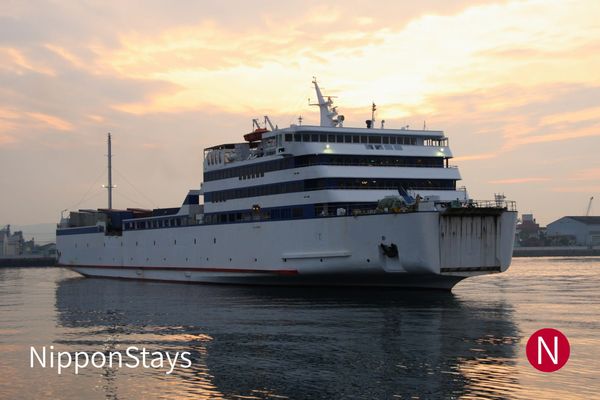
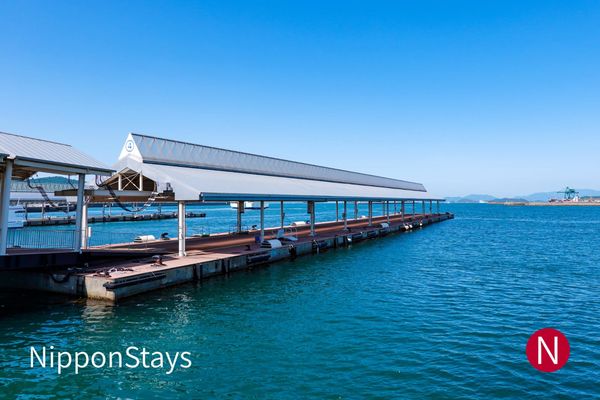
If your itinerary includes a Naoshima day trip, eat your udon in Takamatsu before or after the ferry rather than trying to find it on the island — Naoshima's food scene leans toward café and gallery dining, not udon shops. A typical rhythm: breakfast udon near the station, catch the ferry from Takamatsu Port (see our guide to hotels near Takamatsu Station if you're arriving late and need somewhere close for the night before), spend the day on the art islands, then come back to Takamatsu for honetsukidori and drinks in the Marugamemachi arcade.
Staying two or more nights in central Takamatsu gives you enough meals to try both a famous self-serve shop and a quieter neighborhood one, plus honetsukidori on at least one evening — trying to cram all of it into a single day trip from Osaka or Okayama means picking one dish and skipping the other.
Practical Constraints
Prices at self-serve udon shops are low and stable; a full meal with toppings rarely exceeds ¥800–1,000. Honetsukidori runs higher, closer to a standard izakaya dinner, and rates for hotels near the food districts start from ¥7,000, varies by season — expect a noticeable jump during the Setouchi Triennale art festival period, Golden Week, and the August obon holidays, when both hotel rooms and restaurant seating fill up fast.
Hours matter more than you'd expect for udon specifically: many of the most famous self-serve shops close mid-afternoon or run limited evening hours, so a shop that's perfect for breakfast may already be shut by the time you're free after sightseeing. Check current hours on the shop's own listing before you build your route, since self-serve udon shops change hours more often than restaurants that take reservations.
If you're traveling on a tighter budget, our budget hotels in Takamatsu guide covers stays under ¥10,000 that still put you within walking distance of the arcade.
Comparison Table: Best Bases for a Takamatsu Food Crawl
| Name | Area | Price range | Best for |
|---|---|---|---|
| JR Hotel Clement Takamatsu | Station front | from ¥9,000, varies by season | Early breakfast udon before a ferry or bus |
| Daiwa Roynet Hotel Takamatsu | Marugamemachi arcade | from ¥7,000, varies by season | Rolling out of bed into the dining arcade |
| Dormy Inn Takamatsu Chuo Koenmae Natural Hot Spring | Chuo Koen, under 10-min walk to Marugamemachi | from ¥8,500, varies by season | Onsen recovery after a heavy dinner |
| RIHGA Hotel Zest Takamatsu | Furujinmachi, near Marugamemachi | from ¥8,000, varies by season | Comfort upgrade near the food district |
The udon is also an argument for which city to base in. Kagawa's self-serve counters open at 07:00, which makes eating properly a morning activity you can only do from Takamatsu; Takamatsu vs Okayama for a Setouchi art trip weighs that against the ferry.
Trip Essentials for Kagawa
Things worth booking before you land, all in English:
- eSIM — Airalo's Japan eSIM: install it at home and data works as soon as you switch off airplane mode at Takamatsu Airport. Comparing providers? See our Japan eSIM guide.
- Tickets and day trips — Klook covers Naoshima day trips and Shikoku rail passes; booking ahead skips the ticket-window line.
FAQ
What is the best udon in Takamatsu?
There's no single "best," but Udon Baka Ichidai is the most famous self-serve shop citywide (known for kama-butter udon), and Merikenya Takamatsu Ekimae is the most convenient option if you're staying near the station and want noodles for breakfast.
What's the difference between Sanuki udon and regular udon?
Sanuki udon has a stronger wheat aroma and a firmer, chewier bite (koshi) than the softer udon common elsewhere in Japan. It's also typically cheaper and served at self-serve counters rather than full-service restaurants.
Should I order oyadori or wakadori honetsukidori?
Wakadori (young chicken) is more tender and a safer first try. Oyadori (mature chicken) is firmer with deeper umami and is what regulars order — worth trying at least once if you're not squeamish about a chewier bite.
Can I eat Sanuki udon on Naoshima?
You can find some noodle options on the island, but Naoshima's food scene is oriented around café and gallery dining rather than udon shops. Eat your udon in Takamatsu before or after the ferry crossing.
How much does a Takamatsu food crawl cost?
Self-serve udon meals typically run ¥300–1,000 per bowl with toppings. A honetsukidori dinner with drinks runs closer to a standard izakaya tab. Hotel rates in the food districts start from ¥7,000, varies by season, with significant increases during the Setouchi Triennale and other peak periods.
Information audit: Last fact-checked July 2026 · Prices checked July 2026 (all rates are “from” floors that vary by season) · How this guide was researched: hotel facilities, prices and access details are verified against official and primary sources; we have not personally stayed at every property listed. The author has traveled in this area personally; original photographs on this site are from those trips · Personally stayed: Daiwa Roynet Hotel Takamatsu, 2023 — all stays paid by us; no complimentary stays · How this site verifies information: About NipponStays.