Shinjuku vs Shibuya Where to Stay: 2026 Comparison
Shinjuku vs Shibuya where to stay: compare transport, nightlife, hotels and prices to pick the right Tokyo base for your trip.
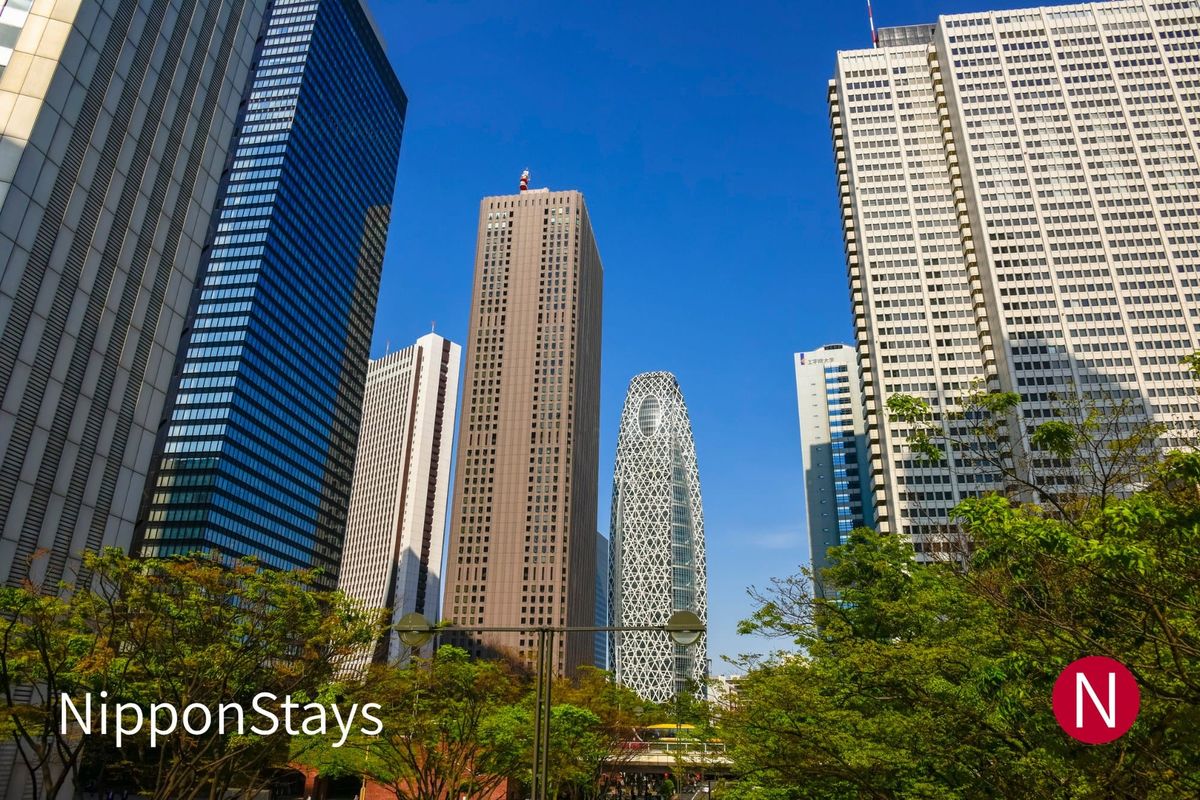
On Shinjuku vs Shibuya where to stay, pick Shinjuku if you want nightlife and pop-culture energy on your doorstep — Hotel Gracery Shinjuku (from ¥14,000) sits in Kabukicho, and Park Hyatt Tokyo (from ¥120,000) is the luxury option on floors 39–52. Pick Shibuya if you're traveling as a family or staying longer: Hyatt House Tokyo Shibuya (from ¥28,000) has a kitchen and washer/dryer in every room, while Cerulean Tower Tokyu Hotel (from ¥50,000) is the quieter upscale choice with panoramic views. The condition that changes the answer is trip length and travel style — solo travelers chasing nightlife lean Shinjuku, families and longer stays lean Shibuya.
Some links in this guide are affiliate links. If you book through them, we may earn a commission at no extra cost to you.
Of the 5 hotels compared in this guide, 3 are in Shibuya and 2 in Shinjuku, with starting rates ranging from ¥14,000 to ¥120,000 per night (checked July 2026).
The Short Answer: Who Should Pick Which
If this is your first visit to Tokyo and you're undecided, pick Shinjuku. The station's 11 lines mean you're almost always one transfer or less from anywhere in the city, and the Tourist Information Center inside the East Exit is a useful safety net. If you already know you'll spend most of your time in south or central Tokyo — or you're flying primarily through Haneda and want a shorter transfer — Shibuya edges ahead.
| Name | Area | Price range | Best for |
|---|---|---|---|
| Hotel Gracery Shinjuku | East Shinjuku (Kabukicho) | from ¥14,000 / night | Mid-range; pop-culture fans; lively nightlife area |
| Park Hyatt Tokyo | Nishi-Shinjuku | from ¥120,000 for two / night | Luxury; floors 39–52; fully renovated Dec 2025 |
| Hyatt House Tokyo Shibuya | Shibuya (Sakura Stage) | from ¥28,000 / night | Families; longer stays; kitchen and washer/dryer in room |
| Cerulean Tower Tokyu Hotel | Shibuya | from ¥50,000 for two / night | Upscale; panoramic city views; quieter feel |
All prices are approximate starting rates. Rates vary by season, room type, and booking lead time.
For a deeper look at Shinjuku on its own, see our Shinjuku area guide for first-timers.
Location & Transport: Lines, Airport Access, Day Trips
Shinjuku Station handles more daily passengers than any other station in the world. Eleven rail lines pass through it: JR East (Yamanote, Chuo, Chuo-Sobu, Saikyo, and Shonan-Shinjuku lines), Tokyo Metro Marunouchi Line, Toei Shinjuku and Oedo lines, Keio and Keio New lines, and Odakyu Odawara Line. That density means most Tokyo neighbourhoods are within one transfer.
- Narita Airport: The Narita Express (N'EX) departs directly from JR Shinjuku Station with no transfers. Journey time is 80–90 minutes depending on the service.
- Haneda Airport: Take the JR Yamanote Line from Shinjuku to Shinagawa, then the Keikyu Airport Line direct to Haneda Terminal 1 and 2 — around 35–45 minutes total. Alternatively, take the Yamanote to Hamamatsucho and board the Tokyo Monorail to Haneda.
- Day trips to Hakone and Mt. Fuji: The Odakyu Romance Car departs Shinjuku Station and reaches Hakone-Yumoto in about 85 minutes. Highway buses to the Fuji Five Lakes leave from Busta Shinjuku (the expressway bus terminal), a 5-min walk from the South Exit.
Shibuya Station has 10 lines, including the JR Yamanote Line, Keio Inokashira, Tokyu Toyoko, Tokyu Den-en-toshi, and Tokyo Metro Ginza, Hanzomon, and Fukutoshin lines. The layout is more compact than Shinjuku, which some travellers find easier to navigate on the first day.
- Haneda Airport: Take the JR Yamanote Line from Shibuya to Shinagawa, then the Keikyu Airport Line to Haneda — around 40–50 minutes with one transfer.
- Narita Airport: No direct express service. You'll need to transfer at least once, typically to the Narita Express at Tokyo Station via the Ginza Line. Budget 100–110 minutes.
- Day trips to Yokohama: Tokyu Toyoko Line express trains reach Yokohama in 25 minutes from Shibuya — the fastest connection from any central Tokyo neighbourhood.
Edge: Shinjuku for airport convenience, overall connectivity, and Mt. Fuji access. Shibuya wins if Yokohama or south Tokyo is high on your list.
Vibe & Nightlife: What Each District Feels Like After Dark
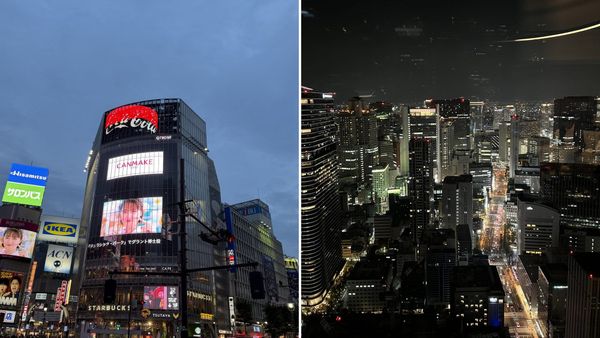
Shinjuku's after-dark scene is spread across distinct zones rather than one concentrated strip. Kabukicho — a lively nightlife area about a 5-min walk from the East Exit — holds karaoke towers, host clubs, arcades, izakayas, and the Godzilla-themed Hotel Gracery Shinjuku. Golden Gai, a grid of narrow alleys north of Kabukicho, is packed with tiny bars seating five to ten people each, most with a niche theme. Omoide Yokocho (Memory Lane) sits immediately west of the East Exit and offers open-air yakitori grilling. Shinjuku-nichome, Tokyo's main LGBTQ+ bar district, is about a 10-min walk east.
Shibuya's nightlife concentrates on clubs and DJ bars around the Scramble Crossing. The energy is younger, louder, and more club-focused. Several of Tokyo's largest dance floors are in Shibuya. Last trains from both areas run until around midnight on weekdays and slightly later on weekends.
If you want variety in a single evening — a craft bar in Golden Gai followed by ramen at 2am — Shinjuku delivers more options. If your priority is a long night of dancing, Shibuya is the stronger pick.
Hotels & Price: What Your Budget Gets in Each
Shinjuku has the wider spread. Budget business hotels cluster around the station's east and south exits, with single rooms available from ¥8,000–10,000 per night. The mid-range zone — roughly ¥12,000–25,000 — is dense, particularly within a 10-min walk of the East Exit. The west side (Nishi-Shinjuku) carries the luxury tier.
Park Hyatt Tokyo occupies floors 39–52 of Shinjuku Park Tower and reopened in December 2025 after a 19-month renovation — the most comprehensive renewal in its 30-year history. It's about a 12-min walk from the West Exit, or a 3-min walk from Tochomae Station on the Toei Oedo Line. Rooms start from around ¥65,000 per night; rates vary significantly by season. New York Bar on the 52nd floor remains one of Tokyo's most distinctive hotel bars.
Hotel Gracery Shinjuku sits in Kabukicho, a 3-min walk from the East Exit. Rooms start from around ¥13,000 per night. The eighth-floor outdoor terrace is the closest viewing point for the famous Godzilla head on the rooftop. It's a reliable mid-range pick; expect some street noise on lower floors facing the entertainment district.
Shibuya's hotels cluster in the upper-mid to luxury range, with fewer ultra-budget options near the station. Cerulean Tower Tokyu Hotel takes up floors 19 to 40 of the Cerulean Tower, an 8-min walk from Shibuya Station via the West Exit. Rooms start from around ¥35,000 per night. Clear-day views reach Mt. Fuji from the upper floors. Note that the hotel's Executive Lounge is closed from May to December 2026 for renovation, though the hotel itself remains fully open.
Hyatt House Tokyo Shibuya, which opened in February 2024 inside Shibuya Sakura Stage, is a 5-min walk from Shibuya Station. All rooms include a kitchen, washer/dryer, microwave, and refrigerator — genuinely useful for families or stays longer than a few nights. Rooms start from around ¥28,000 per night. An indoor pool and rooftop garden are on-site.
For budget travellers, Shinjuku wins clearly. For upper-mid design-conscious stays, Shibuya offers a more consistent range. Luxury is strong in both, but Park Hyatt's altitude and post-renovation freshness are hard to match.
For an exit-by-exit hotel breakdown in Shinjuku, see our hotels near Shinjuku Station guide.
Best for Families, Couples, Solo Travelers and First-Timers
Families
Hyatt House Tokyo Shibuya's kitchen and in-room laundry make it one of the most practical family stays in either neighbourhood. In Shinjuku, Shinjuku Gyoen National Garden is a 10-min walk from Shinjuku-Sanchome Station (Metro Marunouchi/Fukutoshin lines), giving kids a large outdoor space near the hotel cluster. Either area works; Shibuya wins if self-catering matters, Shinjuku wins if you need a wider budget range for a larger group.
See our family hotels in Shinjuku guide for connecting-room and room-size details.
Couples
Cerulean Tower Tokyu Hotel in Shibuya and Park Hyatt Tokyo in Shinjuku both deliver on views, atmosphere, and room quality. The Park Hyatt's New York Bar on the 52nd floor is a compelling reason to base yourself on the west side. Shibuya's proximity to Daikanyama and Nakameguro — each about a 20-min walk or a single Metro stop — adds a strong restaurant and café scene for a longer romantic stay.
Solo Travelers
Shinjuku wins for solo travel. The concentration of capsule hotels, compact single-room business hotels, and 24-hour konbini within a 5-min walk of the station is unmatched. Shibuya has solo-friendly options but fewer ultra-cheap private rooms near the station itself.
First-Timers
Shinjuku. The station's 11 lines mean you recover faster from navigation errors, and the density of dining, convenience stores, and services within a short walk of the main exits removes most of the friction of arriving in a new city.
Head-to-Head Scorecard
| Name | Area | Price range | Best for |
|---|---|---|---|
| Hotel Gracery Shinjuku | East Shinjuku (Kabukicho), 3-min walk from East Exit | from ¥14,000 / night | Mid-range; pop-culture fans; close to Golden Gai and nightlife |
| Park Hyatt Tokyo | Nishi-Shinjuku, 12-min walk from West Exit | from ¥120,000 for two / night | Luxury; floors 39–52; fully renovated Dec 2025; New York Bar |
| Shibuya Excel Hotel Tokyu | Shibuya, direct station connection | from ¥18,000 / night | Mid-range; no walk from station; Scramble Crossing views from upper floors |
| Hyatt House Tokyo Shibuya | Shibuya (Sakura Stage), 5-min walk from station | from ¥28,000 / night | Families; longer stays; kitchen, washer/dryer; indoor pool on-site |
| Cerulean Tower Tokyu Hotel | Shibuya, 8-min walk from West Exit | from ¥50,000 for two / night | Upscale; panoramic city and Mt. Fuji views; quieter than station hotels |
Prices are approximate starting rates and vary by season and room type. Check current rates before booking.
Verdict by Traveler Type
First-timers and flexibility seekers: Shinjuku. Eleven rail lines, the N'EX direct to Narita, and hotels from ¥8,000 per night make it the most forgiving base in Tokyo. The Tourist Information Center at the East Exit is an added safety net on arrival day.
Yokohama visitors and south-Tokyo explorers: Shibuya. The Tokyu Toyoko Line gets you to Yokohama in 25 minutes, and the neighbourhood's compact station layout makes daily commuting easier than Shinjuku's more sprawling exits.
Budget travellers: Shinjuku. Single rooms from ¥8,000–10,000 per night are readily available within a 10-min walk of the station. Shibuya's budget tier is thinner.
Hakone and Mt. Fuji day-trippers: Shinjuku. The Odakyu Romance Car starts here. There is no comparable direct mountain-access service from Shibuya.
Couples wanting a dinner-and-views evening: either works. Park Hyatt Tokyo gives you altitude and the New York Bar; Cerulean Tower Tokyu Hotel gives you Shibuya's skyline from a quieter setting. The choice comes down to which nightlife district you want to return to after dinner.
Families who need a kitchen: Hyatt House Tokyo Shibuya. The built-in kitchen and washer/dryer in every room makes it practical for stays of three nights or more.
The east side of the city poses the same question with different stakes. Asakusa vs Ueno is atmosphere against connections: the temple district, low-rise and quiet after dark, or a transport node on the Yamanote line with a park full of museums attached.
Trip Essentials for Shinjuku
Things worth booking before you land, all in English:
- eSIM — Airalo's Japan eSIM: install it at home and data works as soon as you switch off airplane mode at Haneda or Narita.
- Airport transfer — Welcome Pickups runs fixed-price door-to-door pickups from Haneda or Narita; Klook sells the airport bus and train tickets if you'd rather ride.
- Luggage storage — arriving before check-in? Radical Storage takes bags at shops near Shinjuku Station for a flat daily rate.
- Tickets and day trips — Klook covers teamLab tickets, Tokyo Skytree, and Hakone day trips; booking ahead skips the ticket-window line.
FAQ: Shinjuku vs Shibuya — Where to Stay
Is Shinjuku or Shibuya better for first-time visitors to Tokyo?
Shinjuku is the stronger choice for a first visit. Shinjuku Station is served by 11 rail lines — JR East, Tokyo Metro, Toei, Keio, and Odakyu — so most Tokyo neighbourhoods are within one transfer. The Tourist Information Center at the East Exit provides English-language help on arrival day. If you make a navigation mistake at Shinjuku, the density of exits and lines means you can recover quickly. Shibuya's 10 lines are also well-connected, but the advantage swings to Shinjuku for overall flexibility.
Which area has cheaper hotels — Shinjuku or Shibuya?
Shinjuku wins clearly on budget options. Single rooms are available from ¥8,000–10,000 per night within a 10-min walk of the station, and the mid-range tier (roughly ¥12,000–25,000) is dense around the East Exit. Hotel Gracery Shinjuku in Kabukicho starts from around ¥14,000 per night and is a 3-min walk from the East Exit. Shibuya's budget tier is thinner, with fewer ultra-cheap private rooms close to the station itself.
Which airport is better connected to Shinjuku, and which to Shibuya?
For Narita Airport, Shinjuku has the advantage: the Narita Express (N'EX) runs direct from JR Shinjuku Station in 80–90 minutes with no transfers. For Shibuya, Narita requires at least one transfer, typically via the Ginza Line to Tokyo Station, adding 100–110 minutes total. For Haneda Airport, both areas connect via the JR Yamanote Line to Shinagawa then the Keikyu Airport Line — roughly 35–50 minutes from either neighbourhood.
Is Shinjuku or Shibuya better for families?
Shibuya edges ahead if self-catering matters: Hyatt House Tokyo Shibuya (in Shibuya Sakura Stage, a 5-min walk from the station) has a kitchen, washer/dryer, microwave, and refrigerator in every room, with rates from around ¥28,000 per night. Shinjuku answers with apartments rather than hotels: serviced apartments in Shinjuku like Tokyu Stay Nishi-Shinjuku start from ¥14,000 per night with an in-room washer-dryer, half the Hyatt House rate for the same self-catering setup. Shinjuku Gyoen National Garden is a 10-min walk from Shinjuku-Sanchome Station and provides large outdoor space. If budget flexibility for a group is the priority, Shinjuku's wider hotel range gives more options.
Information audit: Last fact-checked July 2026 · Prices checked July 2026 (all rates are “from” floors that vary by season) · How this guide was researched: hotel facilities, prices and access details are verified against official and primary sources; we have not personally stayed at every property listed. The author has lived in Tokyo for 30 years · How this site verifies information: About NipponStays.