Otaru vs Sapporo Where to Stay in Hokkaido
Otaru vs Sapporo where to stay: practical comparison of vibe, price, access, and hotel picks to help you choose a Hokkaido base in 2026.

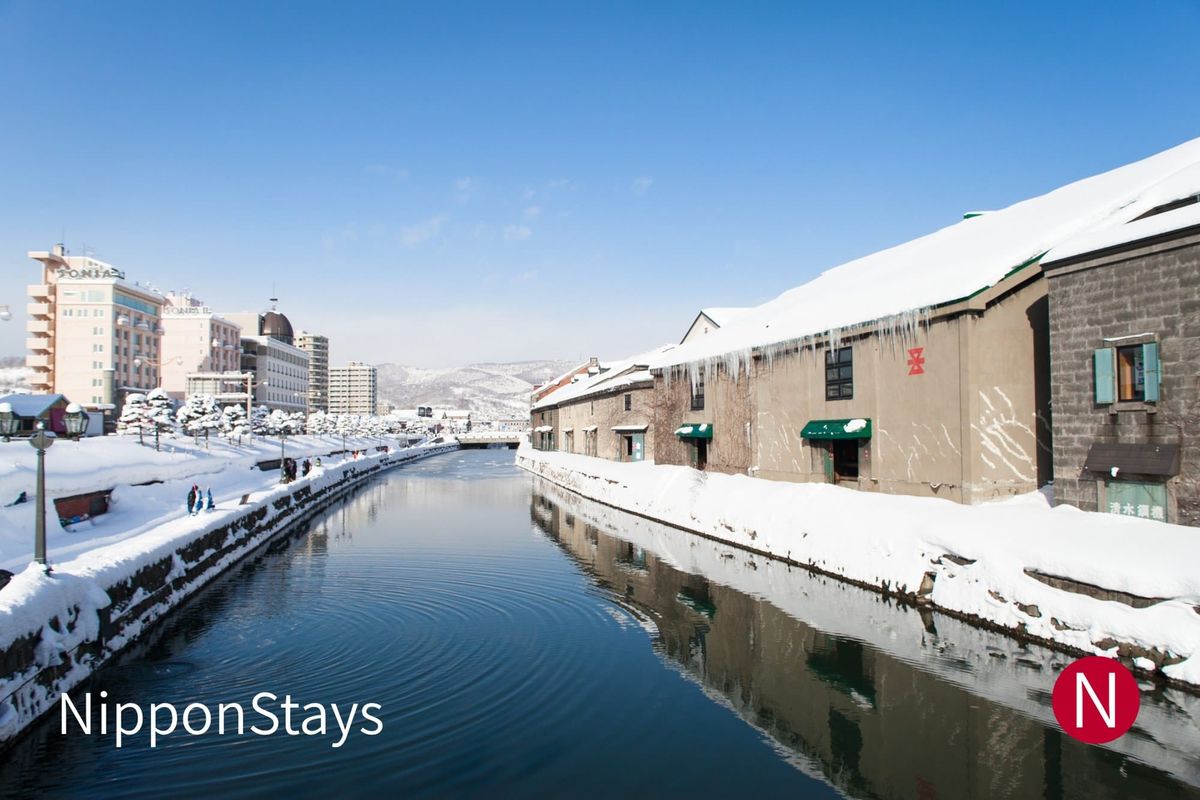
When it comes to Otaru vs Sapporo where to stay for a Hokkaido trip, you're choosing between two cities just 30 min apart by JR train — yet they operate at entirely different speeds. Sapporo is Hokkaido's capital: a walkable grid of department stores, ramen lanes, Michelin-listed restaurants, and direct rail access from New Chitose Airport in about 37 min. Otaru is a compact port town shaped by a gas-lamp canal, glass-craft workshops, and some of the finest sushi counters in northern Japan. Both can work as your primary base; which one you choose depends on what matters most to your trip — and how much time you want to spend on trains.
Some links in this guide are affiliate links. If you book through them, we may earn a commission at no extra cost to you.
This guide covers the key differences, airport logistics, price tiers, and specific hotel picks in each city so you can book with confidence.
Of the 6 hotels covered in this guide, 3 are in Otaru and 3 are in Sapporo; entry prices across both cities start at ¥6,100–¥6,300 per night at the budget tier, with canal-side and luxury options reaching ¥15,000 or more (checked July 2026).
Quick verdict: who each city suits
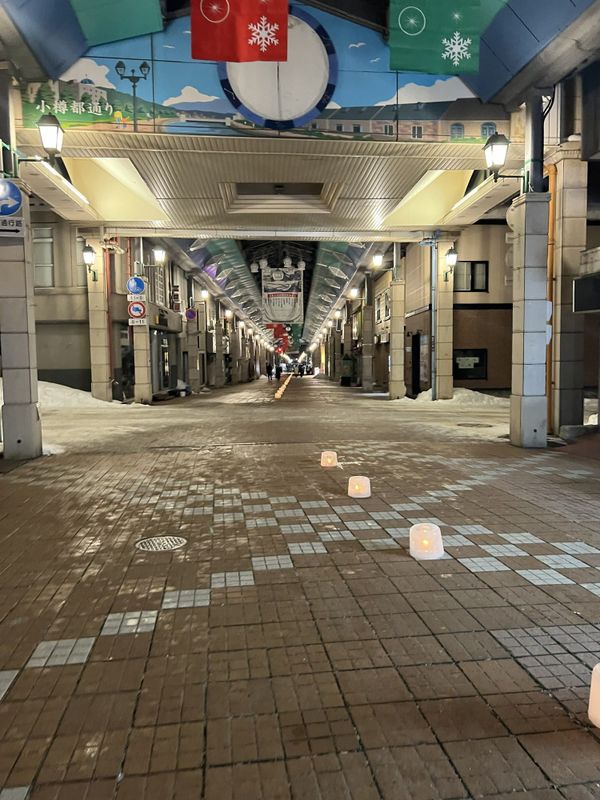
Choose Sapporo if you are arriving at New Chitose Airport, want easy access to skiing, Niseko, or Hakodate as day-trip destinations, or plan to eat and drink across a wide range of cuisines and neighbourhoods. Sapporo also makes sense if you are travelling in winter with luggage — the city's covered arcades and flat grid are far more practical than Otaru's icy slopes.
Choose Otaru if the canal night view, an early morning sushi breakfast, and quiet streets are the images that brought you to Hokkaido. One night in Otaru is transformative; two or more nights requires a deliberate reason such as the Asarigawa Onsen area, which is a bus ride from the city centre. For more on whether the overnight case stacks up, see whether Otaru deserves a night.
| City | Vibe | Price range | Best for |
|---|---|---|---|
| Otaru | Canal town; sushi, glass craft, gas-lamp streets | from ¥6,100/night | Couples, photographers, overnight canal views |
| Sapporo | City hub; dining, nightlife, airport connections | from ¥6,300/night | Families, city explorers, airport arrivals, ski base |
Starting rates are indicative low-season figures; prices vary significantly by season.
Vibe and what's on your doorstep
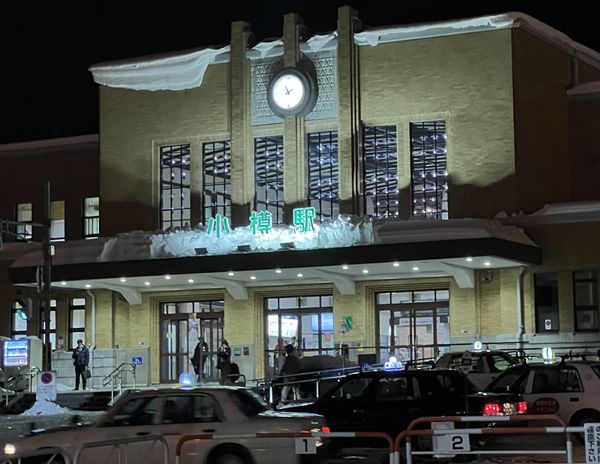
Otaru's main sightseeing circuit is remarkably tight. The canal, Sakaimachi Street's glass and music-box shops, and the sushi restaurants around Hanazono and Otaru Ekimae Dori fit inside a roughly 20-min walk from JR Otaru Station. That concentration is both the city's charm and its limitation: a focused traveller can cover the highlights in a single afternoon. Most shops and restaurants on Sakaimachi wrap up by 6–7 pm; the city's evening energy is concentrated around the canal gas-lamp zone, which is at its best around dusk.
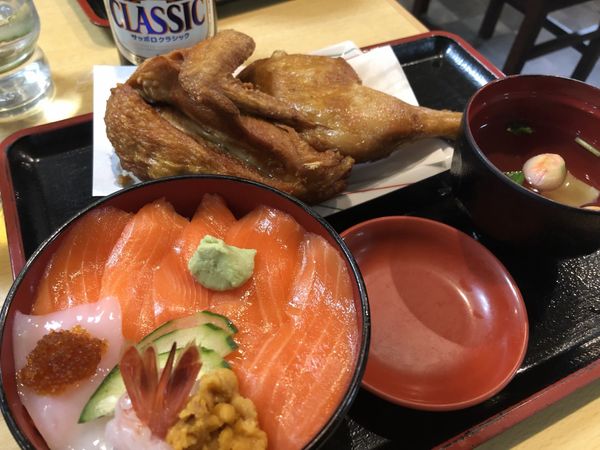
Sapporo operates on a different scale. Odori Park, the Tanukikoji shopping arcade, and the Susukino entertainment district are each an easy walk or subway hop from Sapporo Station. After 9 pm, Susukino ranks among Japan's most active nightlife corridors outside of Tokyo and Osaka. For food, Sapporo wins on variety: miso ramen, Genghis Khan lamb barbecue, Soup Curry, and high-end kaiseki all exist within a few blocks of one another. Otaru's sushi is outstanding and often less crowded than Sapporo equivalents, but the overall dinner options are limited once you step off the main streets.
Access and day trips
The JR Rapid Airport service connects Sapporo Station and Otaru Station in approximately 30 min with trains running frequently throughout the day. A single unreserved-seat ticket costs around ¥750 and is covered by the Japan Rail Pass. Either city is genuinely viable as a day trip from the other — first trains from Sapporo to Otaru depart before 6 am, and the last return from Otaru runs at around 23:00–23:30.
Arriving from abroad adds one more consideration on day one. A 14:15 landing at New Chitose reaches either city in the early evening, and where to stay your first night covers which is the easier place to start.
From New Chitose Airport, the same Rapid Airport train reaches JR Sapporo Station in about 37 min, then continues to Otaru. Total airport-to-Otaru travel time runs roughly 75 min. That single fact makes Sapporo the more practical choice for arrival and departure nights: you can reach your hotel faster after landing, and return to the airport faster on check-out day. If your flights bookend the trip, keeping at least the first and last nights in Sapporo is worth considering purely for logistics.
One important note for skiers: the Niseko ski resort area is about 2 hours from Sapporo by JR or highway bus, making Sapporo the natural anchor if skiing is part of your itinerary. Kiroro is the exception — Otaru is the closer base for it, and if you're weighing a stay at the mountain itself, our Club Med Kiroro Grand vs Peak guide compares the two slope-side resorts.
Price and room types
Otaru's inventory skews toward small guesthouses, traditional inns, and business hotels with fewer large-brand options. The mid-range sweet spot is represented by properties like Dormy Inn Premium Otaru — a 1-min walk from the main Chuo-dori exit of Otaru Station — which starts from ¥6,100 per night and includes a natural hot-spring bath and late-night ramen service (reopening Aug 2026; confirm availability before booking). Canal-side rooms at Hotel Nord Otaru, which sits directly on the waterway with confirmed canal-view rooms, start from around ¥10,560 per night. That premium is earned: watching the gas lamps reflect off the water from your window at 10 pm is the reason most people stay overnight in Otaru rather than day-tripping. Rates vary by season, peaking during the summer holidays and the winter canal illumination period.
Sapporo carries a wider price spread. The JR Tower Hotel Nikko Sapporo sits directly above Sapporo Station with rooms starting from ¥15,000 per night and unobstructed city views. Mid-range options are plentiful: Cross Hotel Sapporo, an 8-min walk from the South Exit of Sapporo Station, starts from around ¥8,000 per night, has a rooftop public bath with a city skyline outlook, and sits within easy walking distance of the Clock Tower, Odori Park, and Tanukikoji. For a hot-spring fix at a lower price, Dormy Inn Premium Sapporo — a 5-min walk from Susukino Station — starts from ¥6,300 per night and includes both a natural hot spring and free late-night ramen.
One availability note: Sapporo has far more hotel inventory than Otaru, so last-minute bookings are rarely a problem outside the Sapporo Snow Festival in February (when the city fills weeks in advance). Otaru has fewer rooms total; popular autumn and winter weekends sell out. If your travel dates are fixed, book Otaru first.
Best of both: how to split your nights
For a five-night Hokkaido trip, a pattern that works well is: Sapporo (2 nights) → Otaru (1 night) → Sapporo (2 nights). Keeping Sapporo at the start and end simplifies airport logistics and gives you enough city time to eat your way around the Susukino and Odori neighbourhoods.
The one-night Otaru stay builds easily around the canal. Check in by 3 pm, walk the waterway in afternoon light, stay for the gas-lamp evening atmosphere around sunset, find a sushi counter for dinner, and be up early to see the canal before the day-trippers arrive from Sapporo. Pack light or use the hotel's luggage storage to avoid dragging a suitcase up Otaru's steeper streets.
In winter, the calculation shifts slightly. Otaru's canal promenade and the side streets between the station and the waterway are icy. The main route — Chuo-dori from the station exit toward the canal — covers roughly a 10-min walk on mostly flat ground, which is manageable. But if you are travelling with large bags or in a group, a station-area hotel eliminates the steep street question entirely. The near-station advantage in Otaru is real and worth paying attention to in January and February.
Where to base in each city
In Otaru, the two practical choices are the station area and the canal area. The station area is flatter, closer to the JR platform for Sapporo day trips, and where the best mid-range business hotels are concentrated. The canal area puts you closer to the night view but involves slightly more uphill walking. For a full neighbourhood comparison, see where to base in Otaru.
In Sapporo, the area around Sapporo Station and the Odori/Susukino corridor covers most tourist priorities. The station neighbourhood is particularly practical for arrival and departure days. The Susukino area makes sense if you plan to spend evenings out. For a complete breakdown by neighbourhood, see our Sapporo area guide.
Book by city
The hotels below are confirmed operating as of 2024–25. All prices are starting points and vary by season and room type.
| Hotel | Area | Price range | Best for |
|---|---|---|---|
| Hotel Nord Otaru | Otaru — Canal | from ¥10,560 | Canal-view rooms, night-view priority |
| Dormy Inn Premium Otaru | Otaru — Station (1-min walk) | from ¥6,100 (reopening Aug 2026) | Hot spring, JR access, winter-friendly |
| Otaru Furukawa | Otaru — Canal | from ¥15,000 | Onsen, canal setting, couples |
| JR Tower Hotel Nikko Sapporo | Sapporo — Station (direct connection) | from ¥17,000 | Luxury, city views, airport convenience |
| Cross Hotel Sapporo | Sapporo — Central (8-min walk, South Exit) | from ¥8,000 | Mid-range, rooftop bath, walkable centre |
| Dormy Inn Premium Sapporo | Sapporo — Susukino (5-min walk) | from ¥6,300 | Budget-mid, hot spring, nightlife access |
For full picks by neighbourhood in Otaru, see where to base in Otaru. For Sapporo neighbourhood guidance, see our Sapporo area guide.
FAQ: Otaru vs Sapporo where to stay
Which city is better for a first-time visitor to Hokkaido?
Sapporo is the more practical base for first-time visitors: it is roughly 37 minutes from New Chitose Airport by the JR Rapid Airport train, offers a wide range of restaurants, and provides easier connections to skiing, Hakodate, and other Hokkaido destinations. Otaru is best experienced as an overnight stay or a day trip from Sapporo rather than a primary base, unless the canal night view or a ryokan onsen stay is the centrepiece of your trip.
How long does the train between Otaru and Sapporo take, and how much does it cost?
The JR Rapid Airport and local services connect JR Sapporo Station and JR Otaru Station in approximately 30 minutes. A single unreserved-seat ticket costs around ¥750 and is covered by the Japan Rail Pass. First trains from Sapporo depart before 6 am; the last train from Otaru returns at around 23:00–23:30, making a day trip or evening excursion practical in either direction.
Are hotel prices higher in Otaru or Sapporo?
Both cities start at similar budget-tier entry points — around ¥6,100 per night in Otaru (Dormy Inn Premium Otaru, reopening August 2026) and ¥6,300 in Sapporo (Dormy Inn Premium Sapporo). The significant difference is inventory size: Sapporo has far more rooms across every price tier, so it is easier to find availability during peak season. Otaru's canal-side properties — Hotel Nord Otaru from ¥10,560 and Otaru Furukawa from ¥15,000 — carry a premium for the location that does not have a Sapporo equivalent.
Can I use Otaru as a base for skiing?
Otaru is the closer base for Kiroro ski resort, which is roughly 30–40 minutes by car or shuttle from the city. For Niseko, Sapporo is the more practical anchor, as the resort area is about 2 hours from Sapporo by JR or highway bus. If your itinerary includes comparing the two slope-side options at Kiroro, the Club Med Kiroro Grand vs Peak guide on this site covers them in detail.
Trip Essentials for Otaru
Things worth booking before you land, all in English:
- eSIM — Airalo's Japan eSIM: install it at home and data works as soon as you switch off airplane mode at New Chitose. Comparing providers? See our Japan eSIM guide.
- Airport transfer — Klook covers bus, train, and private transfers from New Chitose.
- Tickets and day trips — Klook covers Otaru canal-area activities and Sapporo day trips; booking ahead skips the ticket-window line.
Information audit: Last fact-checked July 2026 · Prices checked July 2026 (all rates are “from” floors that vary by season) · How this guide was researched: hotel facilities, prices and access details are verified against official and primary sources; we have not personally stayed at every property listed. The author stays in Otaru every winter as a Kiroro-commute base · How this site verifies information: About NipponStays.