Kyoto Station vs Gion Where to Stay: A Practical Comparison
Kyoto Station vs Gion where to stay: compare transport, atmosphere and hotel prices to pick the best Kyoto base for your trip.

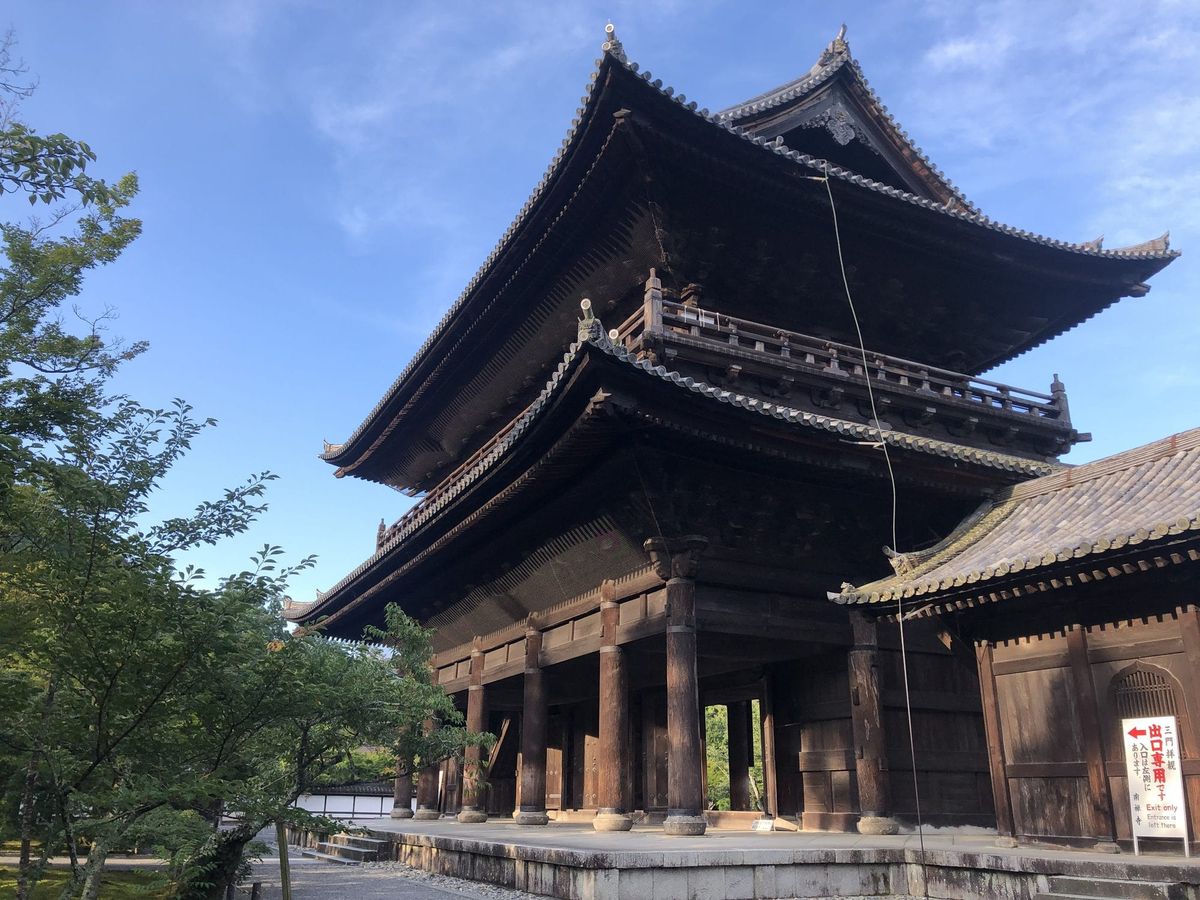
The question of Kyoto Station vs Gion where to stay comes up early in almost every Kyoto itinerary — and it deserves a direct answer. Kyoto Station is a Shinkansen hub surrounded by efficient modern hotels; Gion and Higashiyama are a historic district where stone-paved lanes run between temples and low-rise traditional buildings. Both areas work for most visitors, but they reward very different travel priorities. This article lays out the specific facts to help you choose — or to decide whether to split your nights between both.
Some links in this guide are affiliate links. If you book through them, we may earn a commission at no extra cost to you.
For a broader overview of Kyoto's neighbourhoods, start with our full Kyoto area guide. Once you have picked a side, go straight to hotels near Kyoto Station or hotels in Gion & Higashiyama for property-level detail.
Of the 5 representative hotels compared in this guide, 3 are in the Kyoto Station area starting from ¥12,000 and 2 are in Gion or Higashiyama starting from ¥20,000 — a consistent ¥8,000 or more premium for the historic-district side (checked July 2026).
The short answer: who should pick which
- Pick Kyoto Station if you arrive by Shinkansen or Haruka airport express, plan to day-trip heavily to Osaka or Nara, want the widest range of hotel prices, or will have an early-morning departure. The bus terminal outside the Karasuma (Central) Exit connects you to most of the city's major temples within 20-30 min.
- Pick Gion if the atmosphere of walking to Higashiyama temples from your hotel door matters more than transport convenience, and you are comfortable using city buses or the Keihan line to reach other parts of Kyoto.
Representative hotels from each side — all rates vary by season:
| Name | Area | Price range | Best for |
|---|---|---|---|
| Mitsui Garden Hotel Kyoto Station — check rates | Kyoto Station (3-min walk, Karasuma Exit) | from ¥12,000, varies by season | Value travellers; easy bus access; luggage storage for early arrivals |
| DoubleTree by Hilton Kyoto Station — check rates | Kyoto Station | from ¥18,000, varies by season | Comfortable mid-range; Haruka line to KIX on departure day |
| Hotel The Celestine Kyoto Gion — check rates | Gion | from ¥20,000, varies by season | Atmospheric location without top-end pricing; solo and couple stays |
| Hyatt Regency Kyoto — check rates | Higashiyama (4-min walk from Sanjusangen-do) | from ¥22,000, varies by season | Upscale base with strong temple-district access (closes May 2027) |
Location & transport: arrivals, buses, day trips
Kyoto Station handles every long-distance arrival: the Tokaido Shinkansen, the Haruka limited express to Kansai International Airport (around 80 min), and JR lines to Osaka (Shin-Osaka, 14 min by Shinkansen), Nara (50 min on the Kintetsu line from the Hachijo Exit side) and Arashiyama (JR Saga-Arashiyama, 15 min). The large bus terminal directly outside the Karasuma (Central) Exit puts most temples within 20-30 min by bus — no transfers. If your trip involves early Shinkansen departures, late-night arrivals, or a lot of city-hopping, being five minutes from that terminal is a genuine advantage.
Gion and Higashiyama sit about 2 km east of Kyoto Station. The fastest public-transport connection is a two-step trip: JR one stop east to Tofukuji, then Keihan to Gion-Shijo Station — roughly 15 min total. Alternatively, City Bus #206 from the D2 stop at the Karasuma Exit runs directly to the Gion bus stop in about 20 min (more during morning rush). From Gion-Shijo Station, the Keihan line runs north toward Fushimi Inari (Fushimi-Inari Station, 10 min) and south to Osaka (Yodoyabashi Station, about 45 min). Day-tripping from Gion works well for eastern Kyoto and the Fushimi corridor; anything that routes through Kyoto Station adds 15-20 min each way.
Atmosphere: modern hub vs historic district
Kyoto Station is a large, dramatic 1990s structure with a hotel, department stores, and the city's main bus terminal integrated into the building. The surrounding streets are a functional mix of business hotels, convenience stores and izakaya chains. The area is efficient and never dull, but you will not mistake it for Old Kyoto. Walking north from the station, it takes about 10 min on foot to reach Nishi Honganji and about 15 min to reach Toji's five-story pagoda.
Gion and Higashiyama have a different character. Hanamikoji Street and the Ninenzaka–Sannenzaka lanes retain low-rise preserved buildings, stone pavements and paper lanterns. The commercial day-trip crowds thin out by 17:00; most restaurants stop seating by 21:00. If you want to step out of your hotel at 07:00 and walk to Kiyomizu-dera before the first tour coaches arrive — that is a real option from here. Note: certain private residential lanes in the area carry photography restrictions. Follow local photography rules on these streets; residents live and work there.
Hotels & price: what your budget gets in each area
Kyoto Station carries the widest supply of hotels in the city, which keeps competition and choice high at every price point. Budget and capsule-style rooms start from around ¥5,000. Mid-range business hotels like Mitsui Garden Hotel Kyoto Station (3-min walk from the Karasuma Exit, check rates) start from ¥12,000. For more space and amenities, DoubleTree by Hilton Kyoto Station (check rates) covers the upper-mid range from ¥18,000. Dusit Thani Kyoto (check rates), a luxury five-star about a 10-min walk northwest of the station via the Karasuma Exit, starts from ¥40,000 — all rates vary by season.
Gion and Higashiyama have fewer total properties, and the atmospheric premium is real. Mid-range options like Hotel The Celestine Kyoto Gion (check rates) start from ¥28,000. Upscale options, including Hyatt Regency Kyoto in Higashiyama (a 4-min walk from Sanjusangen-do), start from ¥22,000. Note that Hyatt Regency Kyoto is scheduled to close permanently on May 9, 2027 for redevelopment; it accepts bookings for stays until then. The Imperial Hotel Kyoto — which opened in March 2026 in a restored Yasaka Kaikan building in the heart of Gion, with 55 rooms — is the area's most recent luxury addition at the top of the local price range. Foliage season in mid-November and cherry-blossom season in late March to early April push prices across both areas up significantly; book at least three months ahead for those windows.
Best for first-timers, couples and families
First-timers. Kyoto Station is the path of least resistance on arrival day. The bus terminal outside the Karasuma Exit puts the city's major temples within reach without any transfers. I would pick the station side for a first trip if the itinerary is heavy on temple-circuit days and day trips. That said, Gion works for first-timers too — it just helps to arrive in daylight so you can find your hotel on foot.
Couples. Gion and Higashiyama have the edge on atmosphere for evening walks. The Sannenzaka lanes at dusk and early-morning walks up toward Kiyomizu-dera before the crowds arrive are the kind of experience most visitors come to Kyoto for. Kyoto Station hotels are convenient and comfortable but do not offer that mood. The Dusit Thani Kyoto is a good compromise — a luxury stay close to the station with a spa and a more residential street feel than the station-front hotels.
Families. Kyoto Station wins on logistics: no narrow lanes for strollers, konbini open 24 hours, large hotel lobbies that can handle luggage for a whole family, and buses from the terminal that do not require metro transfers. Gion's cobblestone streets can be difficult with strollers, and the smaller hotel inventory means fewer room-configuration options.
How to split nights between the two
A split works well for stays of five nights or more. A practical structure:
- First 2-3 nights at Kyoto Station: arrival and transport logistics handled; major temple circuits on buses; day trips to Osaka or Nara while bags are stored at the hotel.
- Final 2 nights in Gion or Higashiyama: slower pace; early-morning walks to Kiyomizu-dera and Yasaka Shrine; evening strolls along the Ninenzaka lanes after day visitors have left.
Moving luggage is simple: most hotels hold bags for you, or use a takuhaibin (door-to-door courier) service from either hotel's front desk to forward bags to the next property.
Head-to-head scorecard
| Name | Area | Price range | Best for |
|---|---|---|---|
| Mitsui Garden Hotel Kyoto Station — check rates | Kyoto Station (3-min walk, Karasuma Exit) | from ¥12,000, varies by season | Value travellers; easy bus access; early-morning checkouts |
| DoubleTree by Hilton Kyoto Station — check rates | Kyoto Station | from ¥18,000, varies by season | Mid-range comfort; Haruka line for airport transfers |
| Dusit Thani Kyoto — check rates | Kyoto Station area (10-min walk, Karasuma Exit) | from ¥40,000, varies by season | Luxury with spa; residential street away from the station plaza |
| Hotel The Celestine Kyoto Gion — check rates | Gion | from ¥20,000, varies by season | Gion atmosphere at mid-range price; good for solo and couple stays |
| Hyatt Regency Kyoto — check rates | Higashiyama (4-min walk from Sanjusangen-do) | from ¥22,000, varies by season | Upscale Higashiyama base near temples and the National Museum (closes May 2027) |
Verdict by traveler type
Rates vary by season across both areas — the cherry-blossom window (late March to early April) and autumn foliage (mid-November) typically push prices up 30-50% and fill properties quickly. Book early for either window.
Transport-first travellers: Kyoto Station. Every major rail connection leaves from there; the bus terminal provides the widest reach across the city without transfers.
Atmosphere-first travellers: Gion or Higashiyama. Evenings after 18:00 and early mornings before 08:00 on the Sannenzaka lanes are what many people travel to Kyoto for — and you only access them at those hours by staying nearby.
Five nights or more: split. Start at Kyoto Station for logistics, finish in Gion for atmosphere. The two sides of Kyoto complement each other well when you have enough nights to enjoy both.
Ready to book? Browse all options in our Kyoto area guide, or compare specific properties at hotels near Kyoto Station and hotels in Gion & Higashiyama.
Trip Essentials for Kyoto
Things worth booking before you land, all in English:
- eSIM — Airalo's Japan eSIM: install it at home and data works as soon as you switch off airplane mode at Kansai Airport.
- Airport transfer — Klook covers bus, train, and private transfers from Kansai Airport.
- Luggage storage — arriving before check-in? Radical Storage takes bags at shops near Kyoto Station for a flat daily rate.
- Tickets and day trips — Klook covers Arashiyama activities, tea ceremonies, and Nara day trips; booking ahead skips the ticket-window line.
FAQ: Kyoto Station vs Gion Where to Stay
Is Kyoto Station or Gion better for first-time visitors?
Kyoto Station is the lower-risk choice for a first trip: the bus terminal outside the Karasuma (Central) Exit puts most temples within 20–30 minutes without transfers, and the Shinkansen drops you directly there on arrival. Gion works well for first-timers too, but it helps to arrive in daylight so you can find your hotel in the narrow lanes. If your itinerary is temple-heavy with day trips to Osaka or Nara, the station side handles the logistics with less friction.
What is the cheapest way to get from Kyoto Station to Gion?
City Bus #206 from the D2 stop at the Karasuma Exit runs directly to the Gion bus stop in about 20 minutes for a flat fare (around ¥230 with an IC card). A slightly faster option is to take JR one stop east to Tofukuji, then transfer to the Keihan line to Gion-Shijo Station — roughly 15 minutes total and covered by a Japan Rail Pass for the JR segment.
How far is Gion from Kyoto Station?
Gion and Higashiyama sit about 2 km east of Kyoto Station. On foot, that is around 25–30 minutes along a flat route. By public transport — City Bus #206 or the JR/Keihan combination — the trip runs 15–20 minutes. It is a manageable distance for luggage-free sightseeing but more noticeable when you are carrying bags.
Is the Hyatt Regency Kyoto still accepting bookings?
Yes, but only until its scheduled permanent closure on May 9, 2027 for redevelopment. Hyatt Regency Kyoto is in Higashiyama, a 4-min walk from Sanjusangen-do, and starts from ¥22,000 per night (rates vary by season). If you are traveling before May 2027 and want an upscale Higashiyama base, it is still available. For 2027 and beyond, the Imperial Hotel Kyoto — which opened in the heart of Gion in March 2026 — is the area's most recent luxury option.
Information audit: Last fact-checked July 2026 · Prices checked July 2026 (all rates are “from” floors that vary by season) · How this guide was researched: hotel facilities, prices and access details are verified against official and primary sources; we have not personally stayed at every property listed. The author was born in Kyoto · How this site verifies information: About NipponStays.